Waterless Printing Plates
How Waterless Offset Plates Work
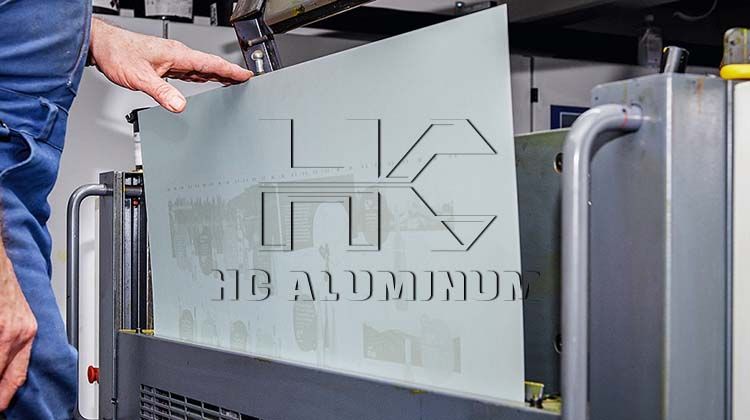
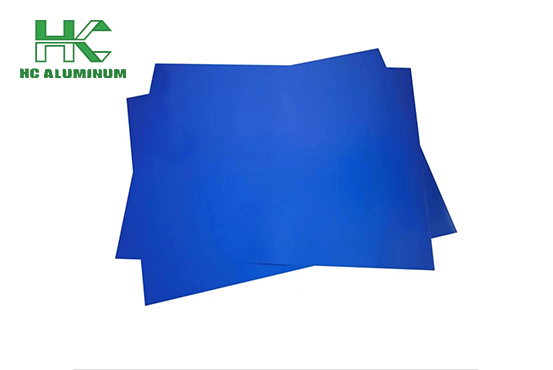
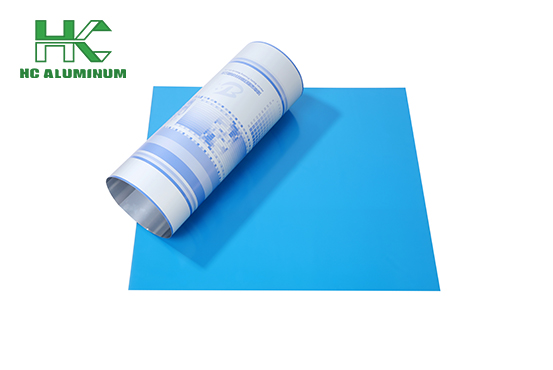
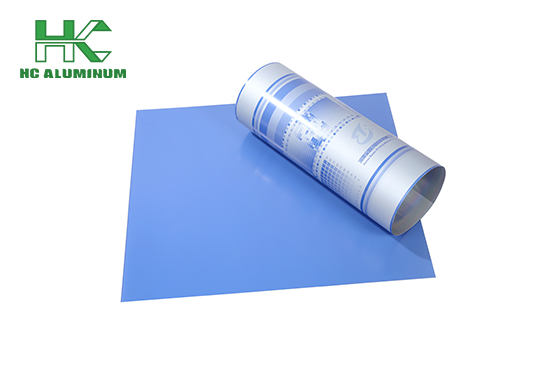
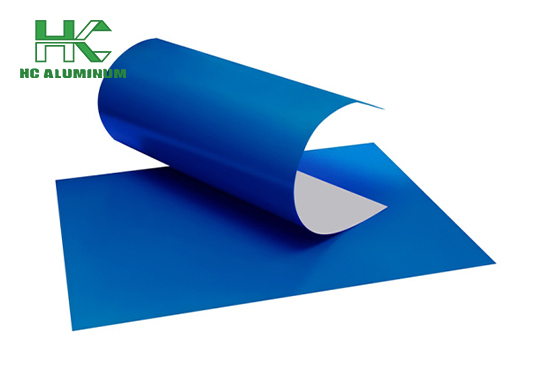
Waterless printing plates are offset lithographic plates designed to run without fountain solution. Instead of balancing ink and dampening water on press, the plate relies on a silicone rubber surface that repels ink in the non-image area. The image area is formed by exposure and processing so that it accepts ink while the silicone area remains ink-repellent.
This structure is different from conventional PS, CTP, and CTCP plates used in wet offset. A standard PS plate or CTCP plate normally depends on the chemical difference between hydrophilic non-image areas and oleophilic image areas, with fountain solution maintaining that separation. In a water-free system, the separation is mainly controlled by the silicone layer, ink formulation, plate imaging, and press temperature.
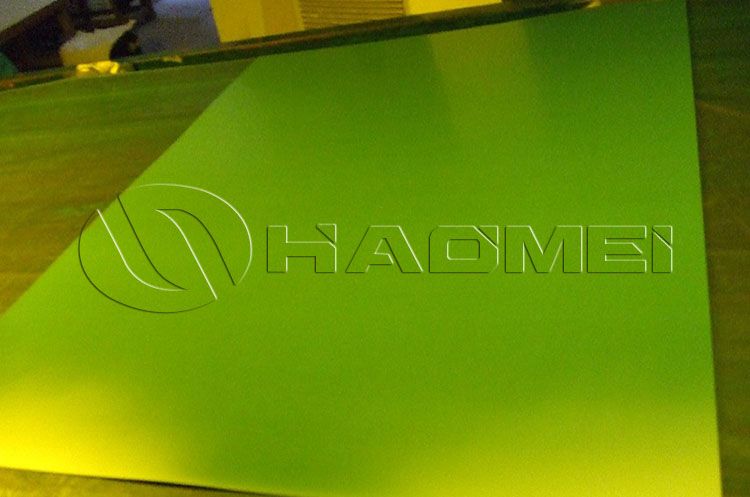
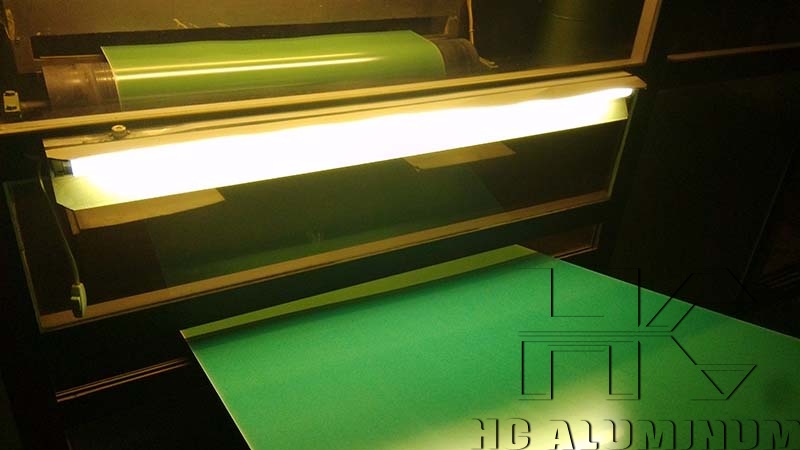
A typical plate stack includes an aluminum base, primer or bonding layers, a photosensitive layer, and a silicone top layer. Thermal CTP versions are common in modern production because they support digital workflows, stable registration, and less manual handling than film-based exposure. Some printers evaluating lower-chemistry plate rooms also compare the concept with Process-less CTP, although processless conventional plates and water-free plates solve different pressroom problems.
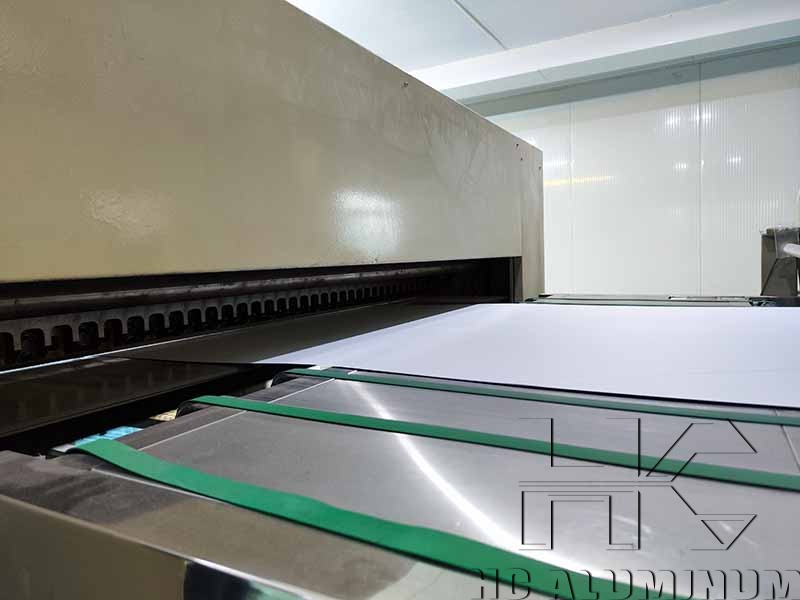
The workflow is usually straightforward: plate imaging, plate processing if required, gumming or protection if specified by the maker, and mounting on a compatible press. The press must be prepared with suitable inks and temperature control. In many water-free offset operations, ink train cooling is used to keep ink viscosity within the range recommended by the ink supplier. Without this control, toning, scumming, or unstable density may occur.
| Plate Type | Imaging Method | Fountain Solution | Typical Use | Main Control Point |
|---|---|---|---|---|
| PS plate | Film exposure | Required | Conventional commercial print | Water-ink balance |
| CTCP plate | UV computer-to-conventional-plate exposure | Required | Cost-sensitive offset plants | UV exposure and developing |
| Thermal CTP plate | Laser imaging | Required, unless processless type | Commercial, packaging, newspaper | Imaging energy and processing |
| Water-free offset plate | Usually thermal or dedicated exposure | Not used | Premium color work, labels, packaging | Silicone integrity and ink temperature |
Printing Performance, Applications, and Press Requirements
The strongest advantage of the water-free plate system is dot stability. Since there is no dampening water emulsifying into ink, density can remain steady after the press is correctly set. This is valuable for fine screens, stochastic screening, brand colors, labels, high-end commercial work, plastic substrates, and packaging jobs where sharp edges and low dot gain are desired.
Color control can also improve because operators do not need to chase the water-ink balance during a run. Makeready waste may be lower when the press crew has experience with the system. For alcohol-reduction programs, the absence of fountain solution can help reduce isopropyl alcohol use and dampening chemistry, although total environmental impact still depends on ink, plate processing, energy, and waste treatment.
The limitations are equally important. Water-free offset requires compatible inks. These inks often have higher tack or special rheology, and they are sensitive to temperature. The press may need roller cooling, strong maintenance routines, and careful blanket cleaning. Plate handling also matters because scratches in the silicone surface can accept ink and appear as defects.
| Performance Factor | Practical Effect in Production | Purchasing Checkpoint |
|---|---|---|
| Silicone layer uniformity | Reduces toning and background ink pickup | Ask for coating tolerance and defect inspection data |
| Plate sensitivity | Affects imaging latitude and repeatability | Match plate to platesetter wavelength and energy range |
| Run length | Determines plate cost per thousand sheets | Confirm tested run length by substrate and ink type |
| Ink compatibility | Influences density, drying, and scumming risk | Request approved ink series from plate and ink suppliers |
| Temperature control | Supports stable viscosity and clean non-image areas | Check press cooling capacity and roller condition |
| Storage stability | Affects large-volume inventory planning | Confirm shelf life, packing, humidity, and temperature limits |
Applications are not limited to luxury printing. Water-free offset has been adopted in label printing, security printing, cosmetic packaging, compact commercial jobs, and UV offset on non-absorbent materials. It can be attractive when a plant wants sharper reproduction but does not want to rely heavily on operator adjustment of dampening solution.
For procurement teams comparing PS, CTP, CTCP, and water-free options, trial planning should include plate imaging tests, press trials, ink trials, and post-press checks. A plate that performs well on coated paper may behave differently on metallized board, synthetic film, or recycled stock. The most reliable evaluation uses production-speed runs, not only short laboratory pulls.
Costs, Supply Chain, Compliance, and Market Cycles
The purchase price of a water-free offset plate is normally higher than that of a conventional PS or standard CTP plate. The premium comes from the multilayer coating structure, silicone materials, tighter coating control, and smaller global production volume. However, plate price alone is not enough to judge the economics. Plants should model total operating cost, including fountain solution, alcohol substitute, developer, waste disposal, startup sheets, downtime, cooling energy, and rejected print.
A practical cost model should separate fixed conversion cost from variable consumable cost. If a press already has temperature control and trained operators, adoption is easier. If cooling equipment, new inks, and training are required, the initial transition cost can be significant. For long contracts, some suppliers may support joint trials, volume pricing, safety stock, or consignment inventory.
| Cost Item | Conventional Wet Offset | Water-Free Offset | Procurement Note |
|---|---|---|---|
| Plate unit price | Usually lower | Usually higher | Compare cost per approved sheet, not only per square meter |
| Fountain solution | Required | Not required | Savings vary by plant chemistry and waste rules |
| Ink | Standard offset grades | Dedicated water-free grades | Confirm availability by color system and drying method |
| Press equipment | Standard dampening system | Cooling may be required | Include maintenance and energy cost |
| Waste sheets | Operator-dependent | Can be lower after stabilization | Validate with live jobs and operators |
| Waste treatment | Includes dampening chemistry | Lower dampening waste | Plate processing waste may still apply |
Supply chain risk is an important topic for large-volume users. Water-free plate production depends on high-grade aluminum coil, photosensitive chemistry, silicone coating materials, interleaving paper, packaging, and controlled warehousing. Aluminum price movements, energy costs, freight rates, and regional coating capacity can affect quotation cycles. When the market tightens, specialty plates may have longer lead times than standard thermal CTP plates because fewer coating lines are qualified for this product type.
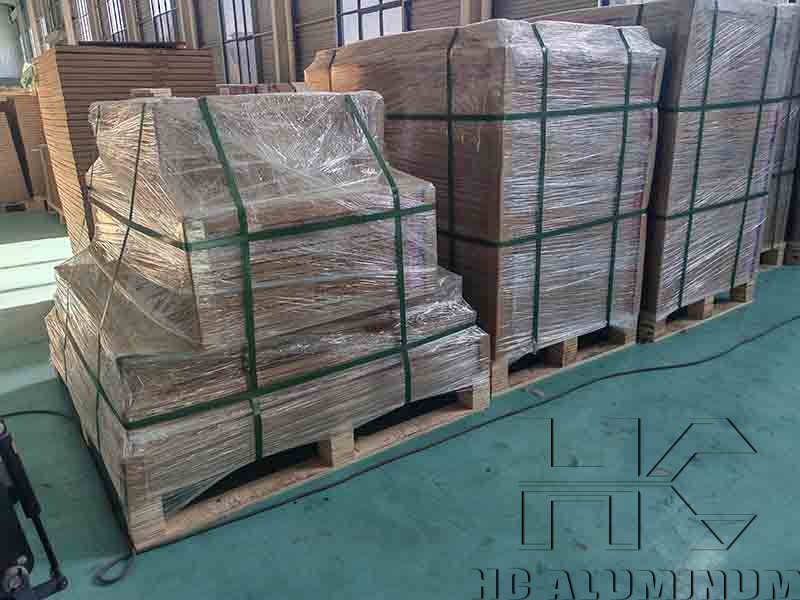
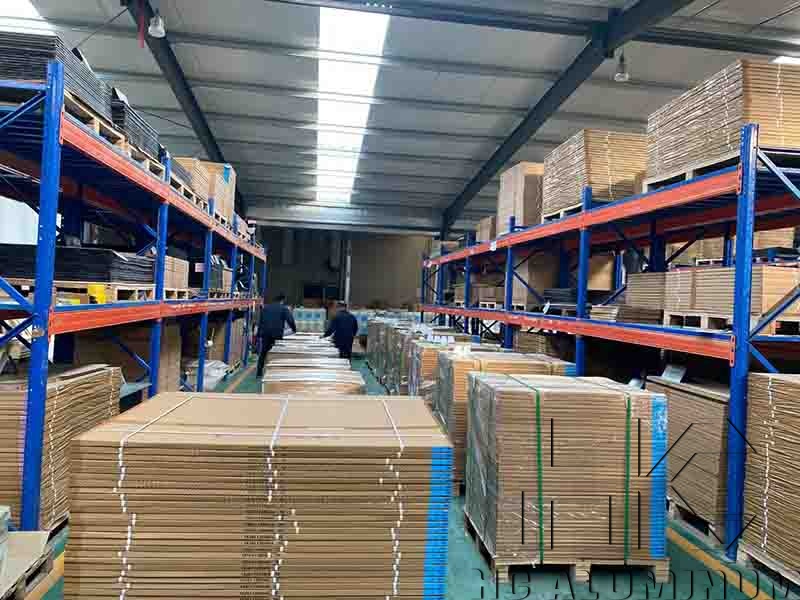
Inventory planning should reflect shelf life. Plates are sensitive to heat, humidity, pressure marks, and light exposure. Pallets should be stored flat in original packaging, away from direct sunlight and high humidity. For international shipments, container temperature and transit time can influence receiving inspection results. Large orders should specify batch traceability, certificate of analysis when available, packaging method, pallet strength, and acceptable defect criteria.
Compliance requirements depend on destination market and end use. For general offset plates, common documents may include safety data sheets, transport classification, REACH-related declarations for the European market, RoHS statements where relevant, and environmental management credentials such as ISO 14001 at the manufacturing site. Print process control is often measured against ISO 12647 practices, while color measurement may reference ISO 13655. Food packaging projects require separate review of inks, coatings, migration risk, and brand owner specifications; the plate alone cannot certify food-contact suitability.
Market cycles for plates usually follow aluminum, energy, chemical feedstock, currency, and freight trends. Demand also shifts with packaging growth, book and magazine seasonality, and regional investment in thermal CTP or CTCP systems. In periods of rising aluminum costs, suppliers may shorten quotation validity or apply surcharges. During soft demand, standard CTP plates may be discounted more aggressively than specialty water-free products because producers protect limited coating capacity and technical service resources.
For large tenders, the specification should state plate size, gauge, grain direction if required, punch configuration, platesetter model, exposure parameters, processor chemistry if used, expected run length, ink system, substrate range, storage conditions, and delivery schedule. A small controlled qualification lot should be approved before annual volume is locked. This reduces disputes over imaging latitude, toning, scratches, and run performance once full-scale production begins.