CTP Plate Price
Holiday print campaigns create a predictable pressure point for commercial printers, packaging converters, and distributors: plate demand rises while production calendars become less flexible. A workable CTP plate price plan should therefore focus on total usable output, not only the quoted cost per square meter.
For aluminum sheet, strip, coil, foil, and circle purchasing teams serving plate production or print supply chains, the highest-risk issue is price visibility. Aluminum input costs, coating specifications, plate size, packaging, freight, and payment conditions can all change the delivered cost.
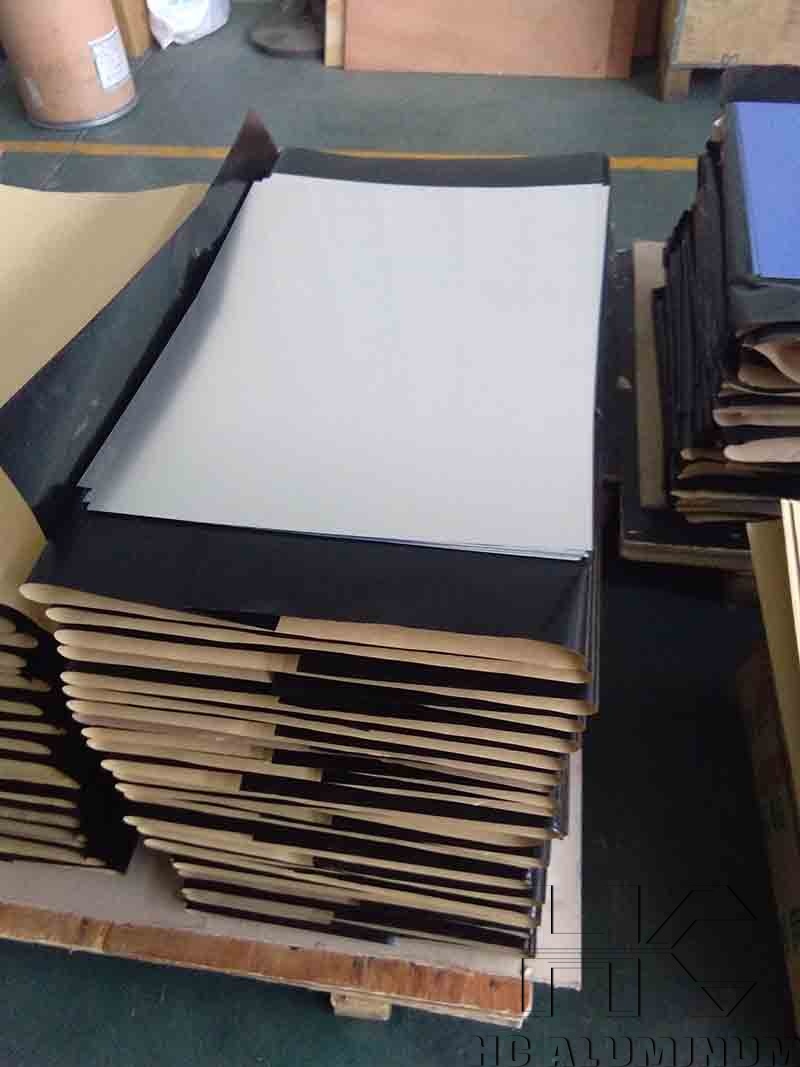
Build a Holiday-Ready Plate Cost Comparison
A low quotation can become expensive if plate life is inconsistent, damaged plates arrive during a closed holiday period, or the supplier cannot reserve the required format. Compare offers using the same technical and commercial basis.
Use this checklist before approving an order:
Confirm plate technology: thermal, violet, process-free, or UV-CTP.
State plate thickness, width, length, grain direction, and required tolerance.
Confirm the imaging wavelength and processor compatibility.
Request expected run length under stated press and chemistry conditions.
Separate product price, export packing, inland transport, ocean or air freight, insurance, and destination charges.
Set a quotation validity period and identify the aluminum reference date used by the supplier.
Reserve production and dispatch capacity before holiday closures affect lead times.
Require carton labels showing plate type, size, batch number, quantity, and storage instructions.
The comparison should include cost per usable plate, not merely cost per carton. Plate failures, remakes, press downtime, and late dispatches can outweigh a small unit-price reduction.
| Cost factor | What to verify | Holiday-season risk if omitted |
|---|---|---|
| Aluminum basis | Reference market, date, currency, and adjustment method | A quote changes without a clear reason |
| Plate specification | Thickness, coating type, size, sensitivity | Incorrect plate may not image or develop consistently |
| Run length | Test conditions and press assumptions | Underestimated replacement demand |
| Packaging | Moisture barrier, corner protection, pallet details | Transit damage during congested freight periods |
| Delivery window | Production date, port cut-off, holiday closure dates | Arrival misses the print schedule |
| Payment terms | Deposit, balance timing, bank charges | Cargo release delays |
For transparent sourcing, ask suppliers to identify whether pricing is fixed or indexed. London Metal Exchange aluminum prices are published market references, but they do not represent a finished plate price. Finished material also includes substrate conversion, electrochemical graining, anodizing, coating, slitting, packing, quality control, and logistics. A supplier should be able to distinguish these elements in a formal quotation.
Choose the Plate Type That Prevents Holiday Downtime
The right product feature to prioritize is process stability. During holiday print peaks, a plate that performs consistently on the existing imaging and press setup usually offers more value than a lower-cost alternative that requires chemistry changes, additional test time, or operator retraining.
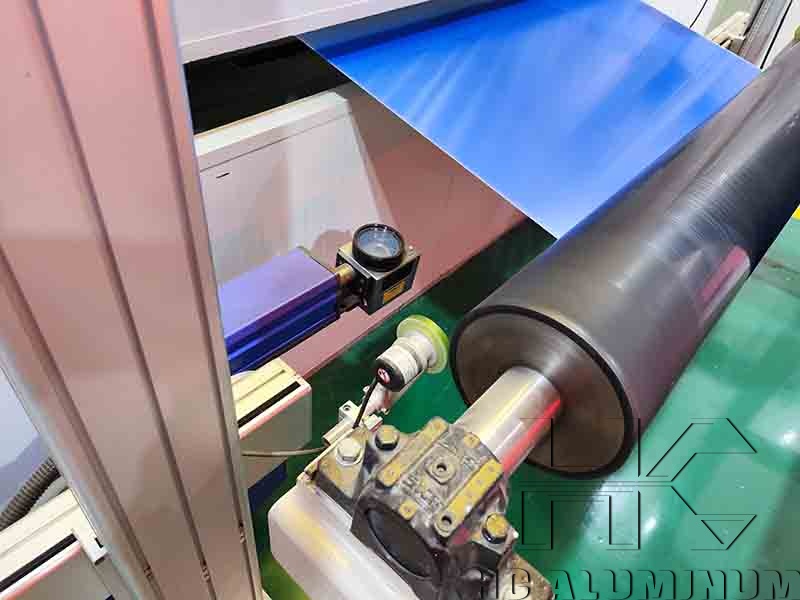
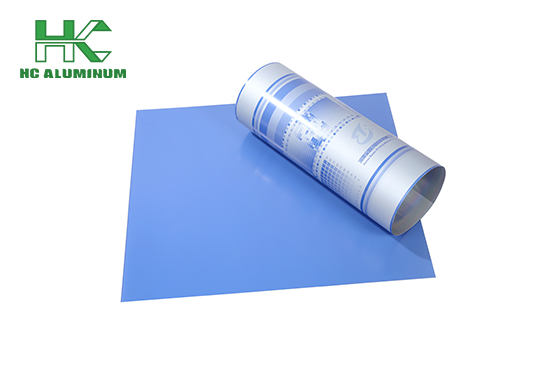
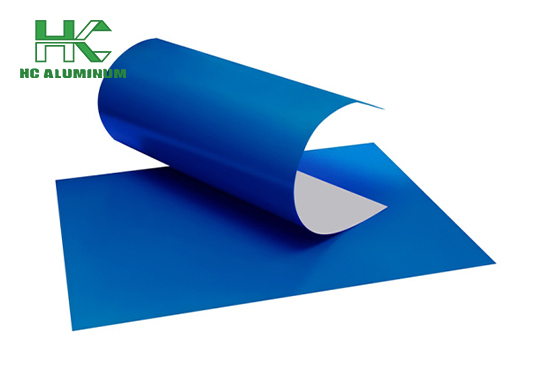
Thermal plates are commonly selected where printers need robust handling and established workflows. Before switching sources, compare coating response, developing behavior, ink-water balance, and stored-plate handling with the current plate standard. A qualified CTP plate specification should document the intended imaging system and process route instead of relying on generic compatibility claims.
Process-free products may reduce processing steps and processor maintenance requirements, but they must be evaluated against press conditions, ink type, fountain solution, cleaning routine, and target run length. They are not automatically interchangeable with conventional thermal plates.
| Plate option | Operational benefit | Verification needed before ordering |
|---|---|---|
| Thermal processed plate | Familiar workflow and controlled development | Imaging energy, processor chemistry, run length |
| Process-free plate | Fewer processing steps and less processor dependence | Press clean-out behavior, sensitivity, durability |
| Violet plate | Compatible with violet imaging systems | Laser compatibility and handling requirements |
| UV-CTP plate | Designed for UV imaging workflows | Exposure setup and plate-room conditions |
ISO 12647-2 is a recognized standard for process control in offset lithographic printing. It does not set a universal plate price or guarantee press performance, but it supports disciplined control of proofing and production variables. For holiday jobs with brand-color requirements, request press test records, density targets, or production samples relevant to the actual print process.
When evaluating thermal CTP plates, use a controlled trial. Test the same artwork, screen ruling, exposure setting, press, ink, fountain solution, and substrate. Record start-up waste, plate wear, scumming, toning, dot reproduction, and clean-out time. This creates evidence that purchasing and production teams can use when comparing delivered cost.
Turn Supplier Offers Into a Practical Holiday Solution
A holiday offer should solve schedule risk, not simply advertise a lower number. Ask for commercial terms that support uninterrupted production.
| Offer component | Practical requirement | Benefit to the print schedule |
|---|---|---|
| Reserved capacity | Written confirmation of allocated production volume | Reduces risk of allocation shortages |
| Split shipment plan | Staged delivery by required print date | Avoids storing excessive stock while protecting continuity |
| Test quantity | Clearly identified trial cartons from the production batch | Validates compatibility before the main shipment |
| Batch traceability | Batch number on carton and shipping documents | Speeds investigation if a quality issue occurs |
| Packaging specification | Pallet count, carton count, moisture protection | Helps warehouse teams inspect deliveries efficiently |
| Quote validity | Fixed period, currency, and stated pricing basis | Supports approval before market or freight changes |
Use a three-date schedule: required arrival date, latest safe dispatch date, and supplier production-completion date. Build in extra time for customs clearance, port congestion, local holiday closures, and warehouse receiving. If a shipment is essential for a promotional campaign, avoid planning the first production run on the same day the material arrives.
Before issuing a purchase order, confirm these final details:
Product code, plate technology, thickness, and exact dimensions match the approved test sample.
Quantity is stated in both plates and cartons, with net and gross weight where needed.
The quotation states Incoterms® 2020 rule and named place or port. Incoterms® rules are published by the International Chamber of Commerce and clarify delivery responsibilities; they do not determine product quality.
Inspection requirements are agreed before shipment, including acceptable packaging condition and batch documentation.
The holiday dispatch calendar is written into the order acknowledgement.
A contingency carton quantity is planned for high-volume, time-sensitive print work.
This approach turns plate purchasing into a holiday continuity plan: controlled specifications, traceable pricing, verified performance, and delivery timing that protects press capacity.