CTP Plate Performance for Packaging Printing
As consumer demands for packaging aesthetics and quality continue to rise, packaging products—such as paper boxes, labels, flexible packaging, and metal containers—require not only high-definition, detailed print results but also consistency in mass production and compatibility with post-printing processes.
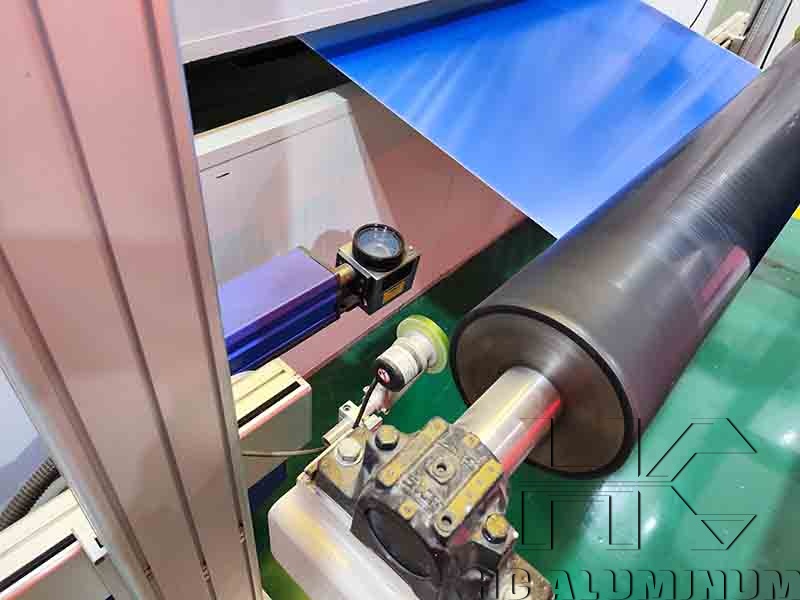
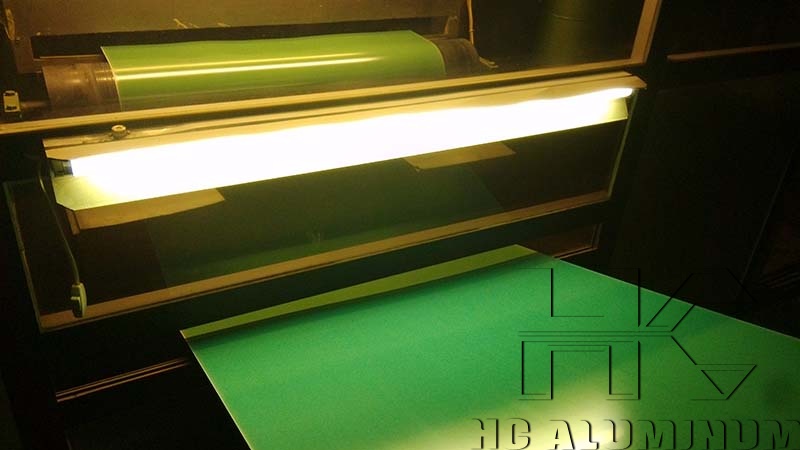
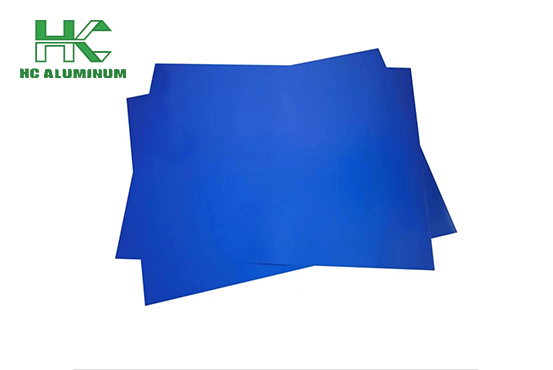
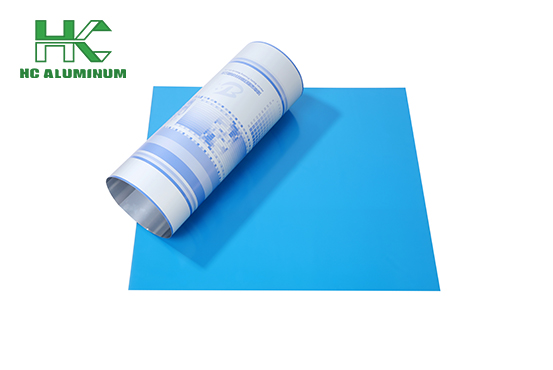
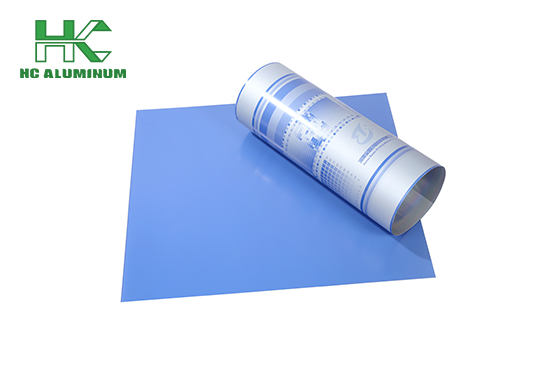
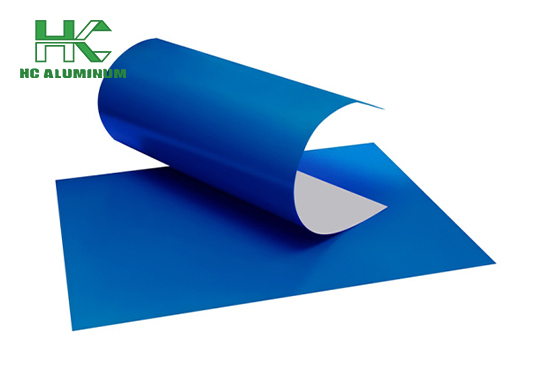
Specialized CTP plates for packaging printing leverage digital imaging technology to optimize printing performance. Balancing fine image quality, solid-area print texture, and chemical resistance, these plates are fully compatible with all types of packaging printing scenarios, serving as a core consumable that helps packaging plants improve quality and efficiency while reducing costs and waste.
I. Four Major Packaging Printing Sectors
In paper box printing—ranging from premium rigid paper packaging (such as colorful food boxes, cosmetic gift boxes, and 3C product packaging) to industrial corrugated color boxes—these plates offer uniform imaging and excellent adaptability to printing pressure. They accurately reproduce gradients, three-dimensional textures, and tiny anti-counterfeiting text, effectively eliminating common plate-making issues like blurred text, jagged edges, and uneven color, thereby meeting the high-quality standards required for mid-to-high-end paper boxes.
For label printing (including self-adhesive, laminated, and transparent labels), which features dense graphics and fine lines, the high-precision imaging capabilities of these CTP plates are fully utilized. They consistently reproduce ultra-fine lines and micro-dots, preventing issues such as dot gain (filling in), broken lines, and dot loss, thus meeting the high-definition printing requirements for labels in the personal care, food, and pharmaceutical industries. They are also compatible with high-speed rotary printing, maintaining stable image quality during long, continuous runs without significant degradation.
Flexible packaging printing (involving PE, PET, and OPP films) places rigorous demands on plate flexibility and tensile strength. These specialized CTP plates feature optimized coating adhesion and substrate toughness, enabling them to withstand the high-stress conditions of film lamination, lamination/compounding, and winding. They resist deformation, delamination, and ink loss during high-speed printing, consistently delivering the delicate gradients and uniform colors required for flexible packaging used in snacks, beverages, and personal care products, while meeting the demands of mass production.
Metal decoration printing represents the most challenging application in packaging printing, demanding exceptional stability from printing plates. Substrates such as metal cans, aluminum foil packaging, and metal signage possess high rigidity and significant surface irregularities, making them highly susceptible to printing defects. Specialized CTP plates, featuring high-strength, corrosion-resistant coatings, counteract fluctuations in printing pressure. They effectively resolve issues such as graying halftone dots, blurred imagery, and uneven color, ensuring that metal packaging graphics remain crisp and colors vibrant.
II. Dual-Effect Image Quality Breakthrough: Fine Screen Ruling + Full-Coverage Solid Ink
High-end packaging printing entails two core image quality requirements: the faithful reproduction of tonal gradations in intricate graphics and the uniform application of ink across large solid background areas. Standard printing plates often struggle to balance these needs; fine halftone dots are easily lost or suffer from tonal breaks, while solid-area printing is prone to mottling, show-through, and uneven ink layers. In contrast, thermal printing plates designed specifically for packaging achieve simultaneous improvements in both areas through advancements in laser imaging technology and coating formulations.
Regarding fine screen printing, these plates reliably reproduce the full tonal range of halftone dots (1%–98%), accurately capturing subtle shadows, smooth gradients, and ultra-fine graphic details. Whether reproducing delicate skin-tone gradients on cosmetics packaging, intricate anti-counterfeiting patterns on labels, or fine embossed textures on gift boxes, the plates ensure distortion-free reproduction. Halftone dot edges remain sharp and clean—free from burrs or ink spread—perfectly meeting the high-definition, precision printing standards required for premium packaging.
For solid-area printing, the dense, uniform photosensitive coating provides the plate with excellent ink affinity and adhesion. Large solid areas achieve thick, uniform ink layers and rich, vibrant colors, effectively eliminating common defects such as white spots, ghosting, show-through, and mottling. It offers exceptional ink stability during continuous printing with no significant fading, ensuring color consistency across the entire product batch and drastically reducing the scrap rate in high-volume production; it is ideally suited for applications involving solid background colors and large-area ink coverage.
III. Superior chemical resistance, compatible with complex post-processing steps
A key challenge distinguishing packaging printing from standard printing is the requirement for multiple post-processing stages—such as lamination, varnishing, UV curing, lamination/bonding, and solvent cleaning—during which the plate is constantly exposed to various chemical agents. Standard plates are highly susceptible to coating corrosion, peeling, and dot damage, leading to image degradation and plate scumming.
This specialized CTP plate features a high-density, chemically resistant cured coating, reinforced through a proprietary process to deliver outstanding overall chemical resistance. It withstands prolonged exposure to common printing solvents—such as fountain solutions, ethanol, and isopropanol—without coating swelling, cracking, or peeling. Furthermore, it resists corrosion from post-processing chemicals like UV ink solvents, laminating adhesives, and varnishes, effectively preventing production issues such as dot deformation, image blurring, and plate scumming at the source.
This excellent chemical resistance not only significantly boosts the plate's durability and lifespan—thereby lowering consumable procurement and plate replacement costs—but also ensures consistent print quality across the entire batch. It eliminates defects caused by plate degradation, making it perfectly suited for the high-intensity, multi-stage mass production models typical of the packaging industry.