Violet Ctp Plate Price
For printing houses, trade suppliers, and packaging groups, understanding violet ctp plate price is not only about comparing quotations. Plate cost is shaped by aluminum prices, coating chemistry, sensitivity, run length, processor compatibility, logistics, and regional supply conditions. A low quote can look attractive at first, but the real purchasing decision should balance price with imaging stability, press performance, storage life, and after-sales consistency.
What affects violet plate pricing in the market
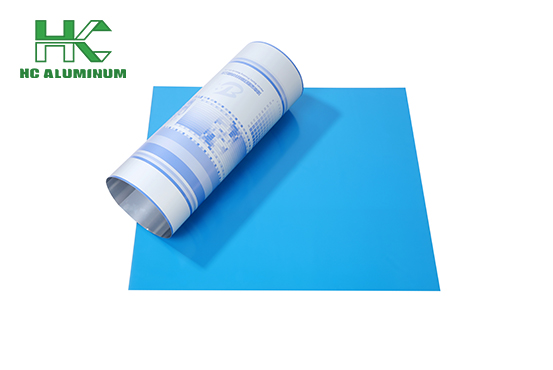
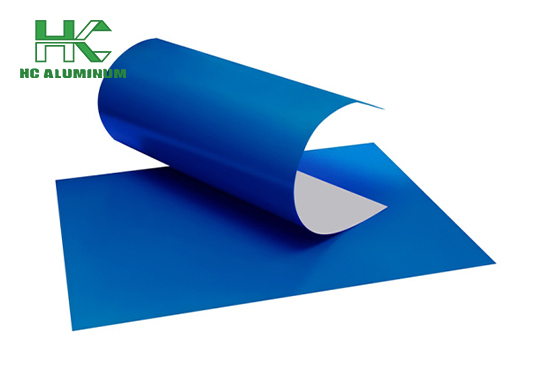
Violet-sensitive computer-to-plate products are widely used in commercial printing environments that value mature workflow, stable imaging, and practical operating cost. In many plants, Violet ctp plates remain a dependable option because the technology is proven and compatible with a broad range of plate setters and processors.
Several factors influence market quotations:
| Factor | How it affects cost | What bulk purchasers should check |
|---|---|---|
| Aluminum substrate | Usually the largest raw material component | Alloy quality, grain and anodizing consistency, thickness tolerance |
| Coating formulation | Higher sensitivity or stronger durability may raise cost | Laser response, developer latitude, shelf life |
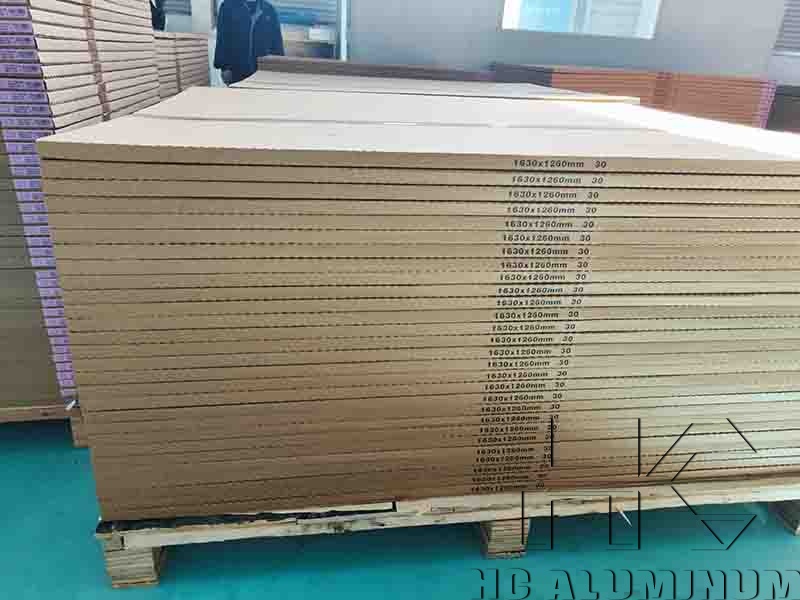
| Plate specification | Larger formats and thicker gauges cost more | Standard sizes, cut tolerance, packaging method |
| Run length performance | Longer press life can justify a higher unit price | Impressions on coated and uncoated stock |
| Processing requirement | Chemistry consumption changes total operating cost | Developer compatibility, replenishment rate, sludge level |
| Supply chain origin | Freight, duties, and lead time vary by region | Incoterms, transit protection, batch traceability |
| Order volume | Container orders usually reduce unit cost | MOQ, mixed-size loading options, stock availability |
In normal market conditions, plate prices move with aluminum ingot trends more than with short-term sales promotions. When aluminum rises sharply, suppliers often cannot hold quotations for long. For this reason, monthly or quarterly price review mechanisms are common in bulk contracts.
How to evaluate cost beyond the quoted plate price
A professional comparison should consider the total cost per printed sheet, not only the purchase price per square meter or per piece. Two violet plates with similar quotations may perform very differently in production.
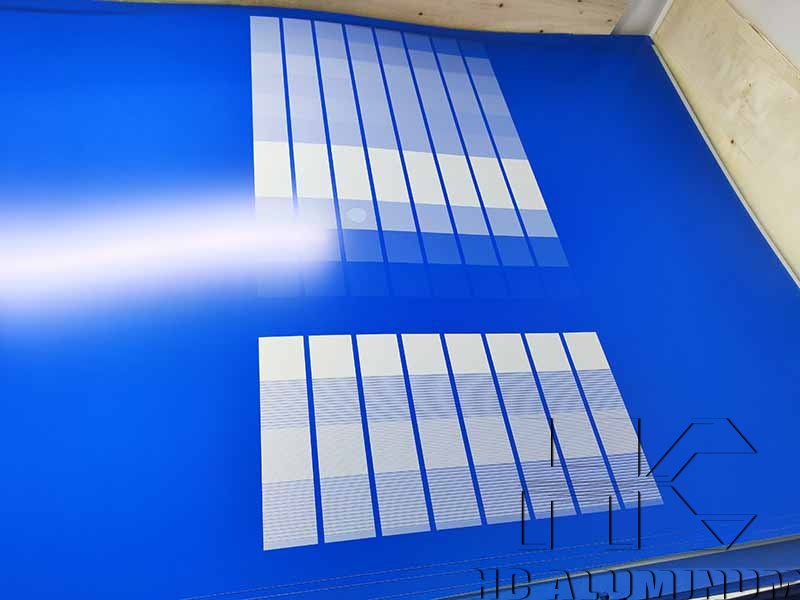
First, check imaging stability. If exposure latitude is narrow, operators may spend extra time adjusting the plate setter, and remakes can offset any purchase savings. Second, confirm processing robustness. A plate that works well only under ideal developer conditions may create hidden costs through waste, downtime, and maintenance. Third, test pressroom behavior, including ink-water balance, start-up sheets, scratch resistance, and background cleanliness.
The following table shows a practical comparison framework for bulk procurement:
| Evaluation item | Low unit price plate | Higher value plate |
|---|---|---|
| Purchase cost | Lower | Moderate |
| Exposure tolerance | Sometimes narrower | Often more stable |
| Developer consumption | May be higher | Often optimized |
| Start-up waste | Can increase if consistency varies | Usually lower |
| Press run capability | Suitable for standard jobs | Better for longer or demanding runs |
| Complaint risk | Higher if batches vary | Lower when quality control is strong |
| Total operating cost | Not always the lowest | Often more predictable |
For many commercial printers, a stable plate can reduce remake rates and improve machine uptime. That is why price discussions should include press test data, batch consistency records, and processor recommendations.
A reliable supplier should also be able to explain whether the plate is designed for standard commercial sheetfed work, newspaper applications, or medium-run packaging. If the product positioning is unclear, procurement risk rises. In technical discussions, it is reasonable to ask for coating weight control data, safe light handling conditions, recommended storage temperature, and shelf-life guidance.
Supply chain, compliance, and purchasing strategy
The supply chain for violet plates usually includes aluminum coil sourcing, substrate graining and anodizing, coating, slitting, cutting, inspection, packing, and export logistics. Each stage affects the final delivered cost. Damage during packing or poor pallet protection can erase any price advantage, especially for long-distance shipment.
Bulk purchasers should pay attention to these points when comparing offers:
| Checkpoint | Why it matters |
|---|---|
| Batch consistency | Reduces variation between repeat orders |
| Packaging strength | Prevents edge damage, pressure marks, and moisture issues |
| Technical support | Helps with laser settings, processing conditions, and troubleshooting |
| Delivery reliability | Avoids production disruption caused by delayed replenishment |
| Compliance documents | Supports environmental and customer audit requirements |
| Claim handling process | Shortens response time if quality issues appear |
From a compliance perspective, requirements vary by market, but professional suppliers should be ready to provide product data, safety-related documents for processing chemistry where applicable, and quality management information. For export procurement, it is also useful to confirm pallet fumigation status when needed, carton labeling, and whether the shipment includes clear batch identification for traceability.
In recent market cycles, the plate industry has faced pressure from raw material volatility, energy cost changes, freight swings, and print demand shifts. Commercial print volumes in some regions are mature, but replacement demand remains steady because printers still need consistent conventional and CTP plate supply. This has made supply stability almost as important as nominal price.
For larger volume contracts, many purchasing teams use a layered sourcing strategy. One part of demand is covered by routine monthly supply, while another part is reserved for spot opportunities when raw material prices soften. This approach helps manage risk without overcommitting warehouse space. It is also worth asking whether the supplier can support regular replenishment of violet ctp plate price sensitive formats in mixed container loads, because flexible loading can reduce dead stock.
When negotiating, ask for the quotation basis clearly: plate size, thickness, packing quantity, trade term, validity period, and whether technical service is included. A quote without these details is difficult to compare fairly. Sample testing should cover real production conditions, including the actual plate setter, laser power, processor chemistry, fountain solution, ink set, paper grade, and target run length.
In practical terms, the best purchasing result is usually not the very lowest offer in the market. It is the offer that delivers stable imaging, predictable run performance, acceptable chemistry cost, and secure supply over repeated orders. In a plate category where process stability directly affects print productivity, disciplined evaluation is often more valuable than chasing a short-lived discount.