2026 Price Trend of Offset Printing Plate
Entering 2026, the offset printing industry, under the multiple influences of tightening environmental policies, deepening digital transformation, and fluctuating raw material prices, is experiencing a clear structural differentiation in the price trend of printing plates, a core consumable.
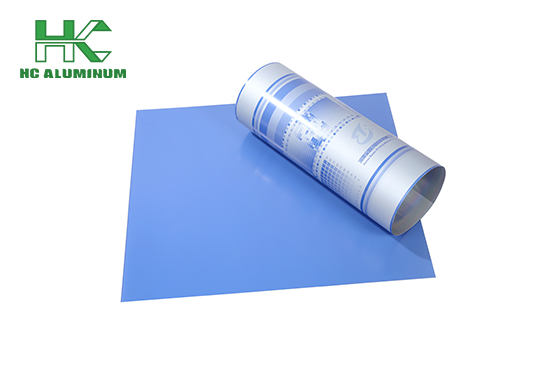
Different types of offset printing plates (PS plates, ordinary CTP plates, and high-end pre-coated CTP plates) are affected by factors such as supply and demand, technological iteration, and cost pressures, resulting in significantly different price trends. This article will combine industry data and market dynamics to analyze the price trends and key influencing factors of offset printing plates in 2026 for industry professionals.
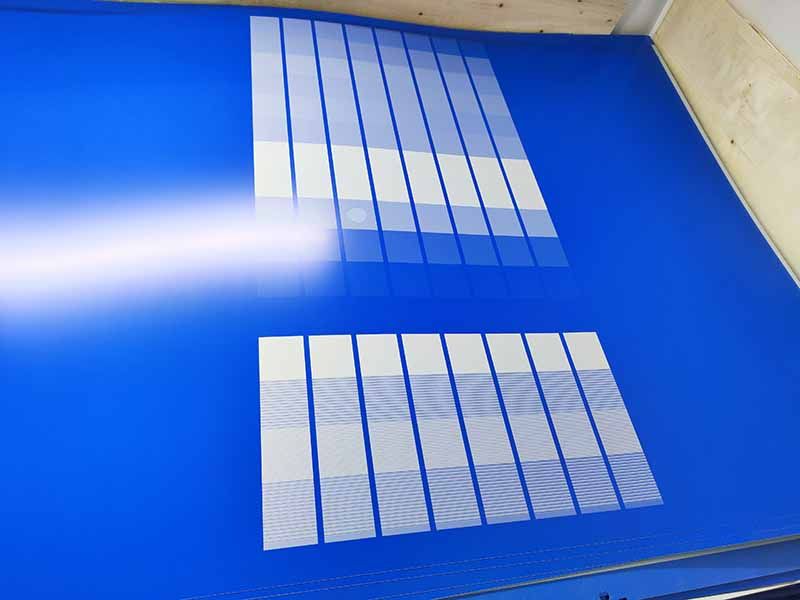
PS plate
PS plates, as a traditional category of offset printing plates, have long dominated the global market. However, with the globalization of CTP technology, their market share has continued to shrink. In 2026, global PS plate prices are expected to continue a stable to declining trend, with varying degrees of price reductions across different regions.
For small and medium-sized printing companies worldwide, PS plates remain a preferred option for cost control, but caution is advised regarding quality issues such as insufficient printing durability and poor dot accuracy associated with low-priced products.
Standard CTP Plates
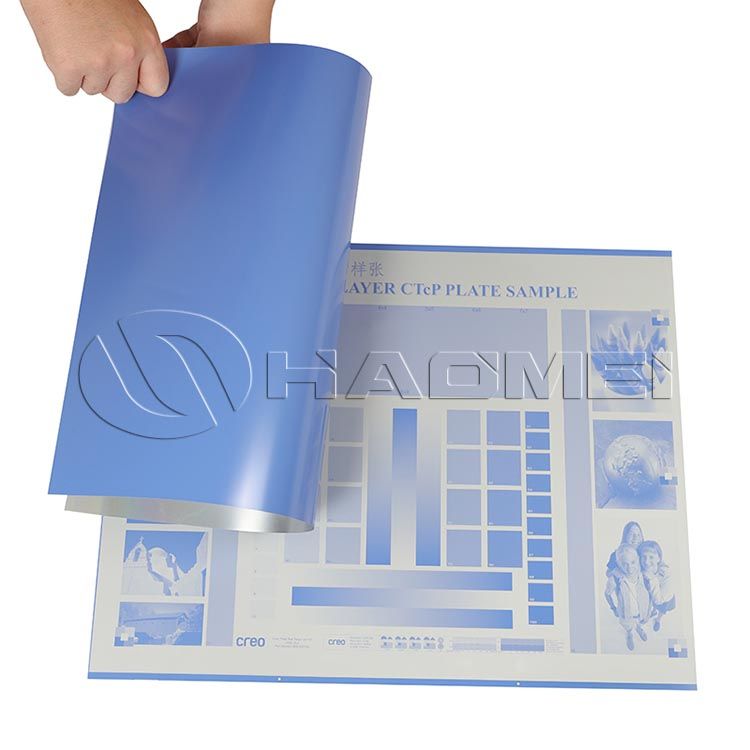
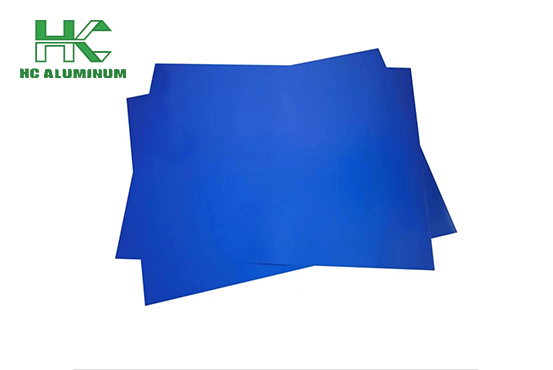
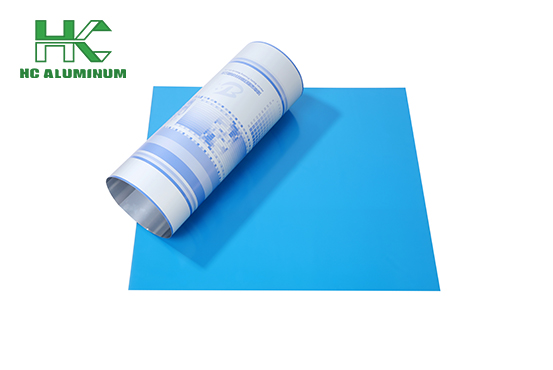
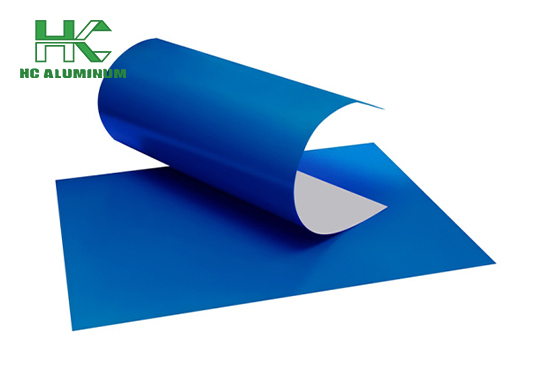
CTP (Computer-to-Plate) plates, with their advantages of high efficiency, precision, and environmental friendliness, have become the main driver of growth in the global offset printing plate market. In 2025, their global market share had risen to 36%, and it is projected to further increase to 40% in 2026. With the steady growth in global demand, the price of standard CTP plates will show a stable-to-rising global trend, with slight differences in regional price increases.
From a global market perspective, the supply and demand of standard CTP plates are approaching equilibrium, and prices are relatively stable. Demand in the European and American markets is concentrated in the mid-to-high-end commercial printing and packaging printing sectors, with a stable demand structure. The Asian market is expanding its capacity, but utilization rates remain at reasonable levels, without serious oversupply. It is expected that in the second half of 2026, with the arrival of the peak season in the global printing industry (packaging printing, educational materials printing), the demand for standard CTP plates will experience a phased increase, and prices may fluctuate slightly, but the overall stable-to-rising trend will not change.
High-End CTP Plates (Process-Free CTP Plates)
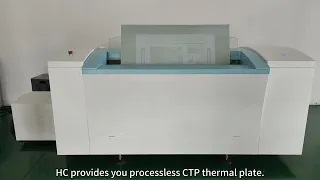
As a high-end category of CTP plates, processless printing plates, with their core advantages of "no chemical development required, zero emissions, and high energy efficiency," align with global "dual-carbon" goals and green printing policies, making them a core direction for the industry's future development. However, due to factors such as technological barriers and production capacity limitations, global prices for process-free CTP plates will remain high in 2026, and the price gap with ordinary CTP plates will further widen.
The core reasons are as follows: Firstly, high technological barriers. The development of treatment-free CTP plates is extremely difficult, and currently only a few leading companies worldwide possess the core technology, resulting in a degree of technological monopoly. In 2026, its global market penetration rate was only 9%, far lower than the 18.5% level in Europe, supporting high prices due to technological advantages.
Secondly, limited production capacity. The production of treatment-free CTP plates requires extremely high-end equipment and processes, and currently there is a global capacity gap of 18%, making the tight supply and demand situation difficult to alleviate in the short term.
Thirdly, upgrading global demand. Further tightening of environmental policies in various countries has led to rapid growth in demand for treatment-free CTP plates in high-end packaging, premium publishing, and export printing, especially in the European and American markets, where stringent requirements for environmentally friendly consumables drive up demand and support firm prices.
It is worth noting that although treatment-free CTP plates are relatively expensive, their long-term cost-effectiveness advantage is gradually being recognized by global printing companies. Treatment-free CTP plates eliminate the need for developing and washing processes, reducing not only the cost of chemical reagents but also wastewater treatment costs, while improving plate-making efficiency. Long-term use can effectively reduce overall operating costs.
In 2026, as companies in emerging markets such as China and South Korea gradually mature their technologies, domestically produced, treatment-free CTP plates will gradually expand their global market share due to their cost-effectiveness, potentially leading to a slight easing of global average prices, but the overall high price level is unlikely to change.
2026 Global Market Procurement Recommendations
For global printing companies, it is advisable to develop reasonable procurement strategies based on their business layout, cost budget, and regional market characteristics: Firstly, companies focusing on low-to-mid-end printing and expanding into emerging markets should prioritize purchasing PS plates, balancing cost and practicality, while gradually trying small-batch purchases of ordinary CTP plates to promote digital transformation.
Secondly, companies focusing on mid-to-high-end commercial printing and packaging printing should prioritize purchasing ordinary CTP plates, stocking up in advance based on global peak season demand to avoid cost pressures from slight price increases, and prioritizing cost-effective domestic products.
Thirdly, export-oriented and high-end boutique printing companies should prioritize purchasing treatment-free CTP plates to meet environmental standards in various countries and the needs of high-end customers, which can effectively reduce overall operating costs and enhance market competitiveness in the long run.