What Are The Advantages of Using Double Layer Thermal CTP Plates in the Printing Process
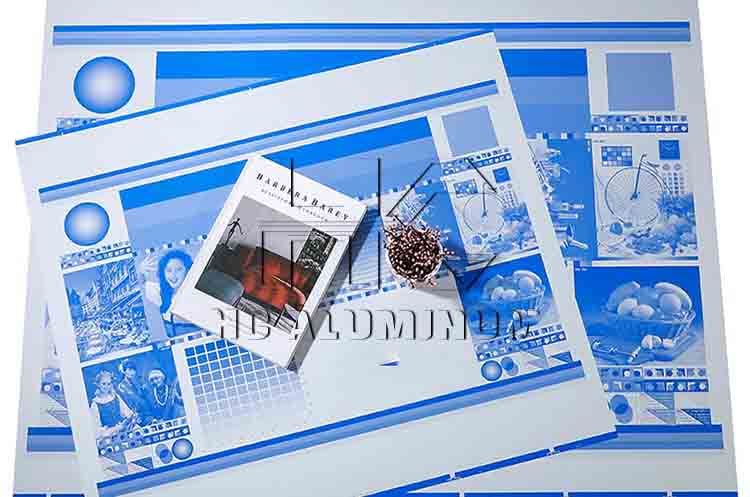
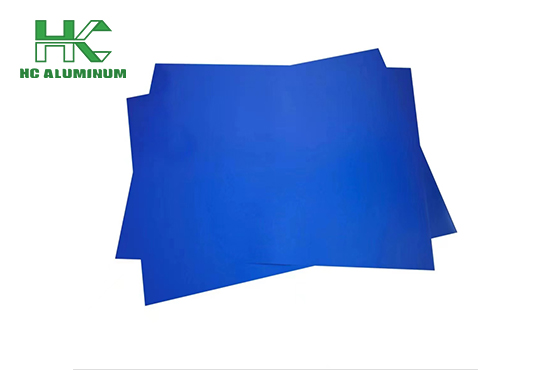
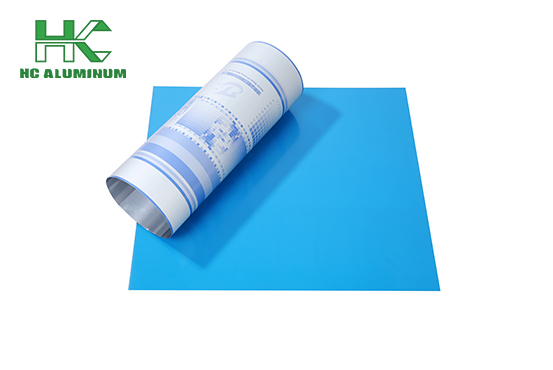
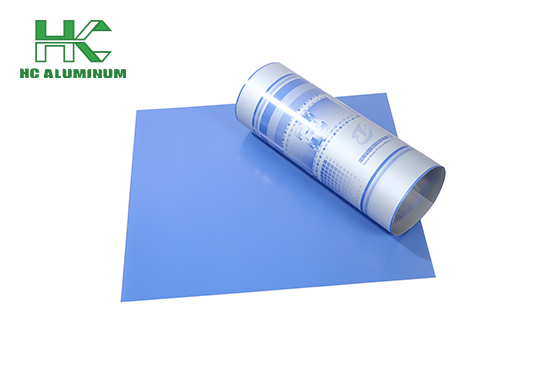
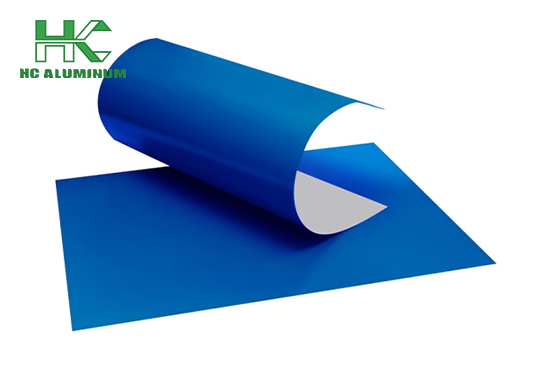
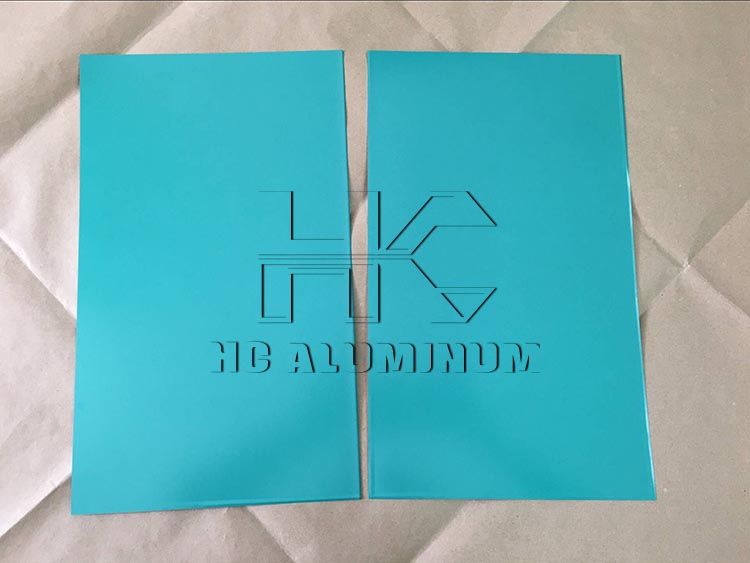
Double layer CTP plate is an offset printing plate used in the printing industry, mainly used in digital platemaking (CTP, Computer-to-Plate) technology. The advantages of thermal double-layer CTP plates include improving printing quality, reducing production time, reducing the use of chemicals, and improving production efficiency. It is widely used in commercial printing, packaging printing and other fields.
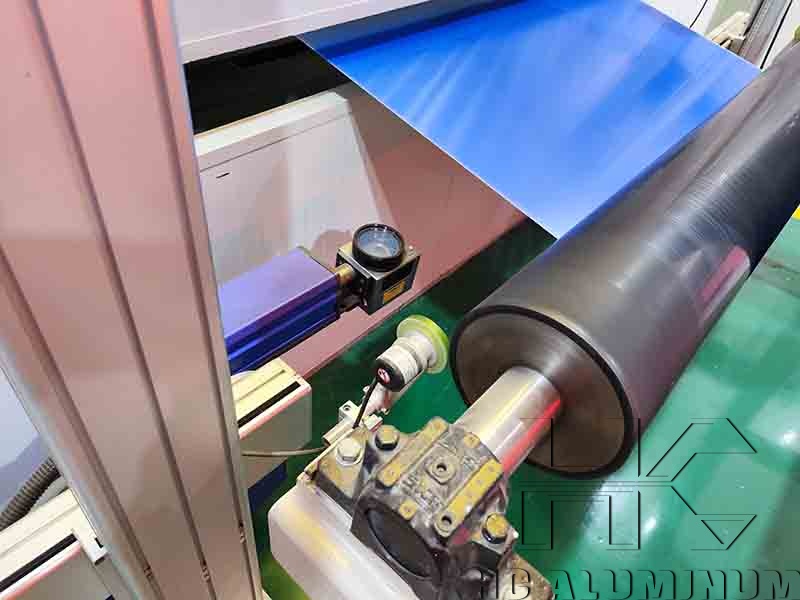
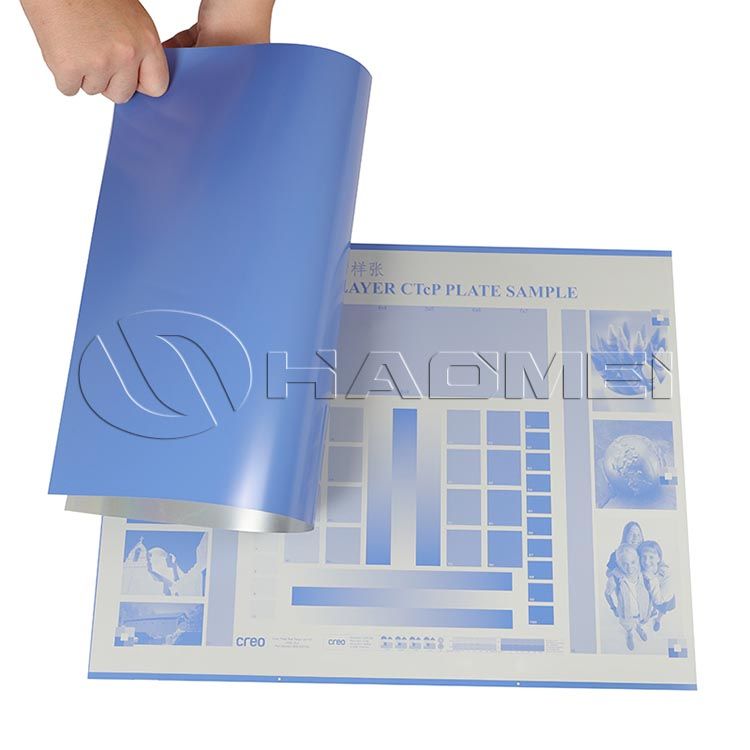
It has two main layers: Thermal layer: Thermosensitive material can react to heat, usually by laser during exposure to transfer image information to the plate. Laser heating causes chemical changes in the coating of a specific area to form an image. Base layer: It supports the thermal layer, used to withstand the pressure and other operations generated during the printing process.
1. High printability and environmental protection
There are two main factors that affect the printability of the printing plate: mechanical wear and chemical corrosion. Double-layer coating technology with a super chemical and wear-resistant coating has good adaptability and can achieve very high printability even without baking. Moreover, UV and metallic inks can be printed without baking, and the print volume can reach more than 100,000, which can fully meet the current packaging market's requirements for print volume and low energy consumption and green environmental protection.
2. High imaging accuracy and stable quality
The dots of the printing plate are clear and firm. Even if the printing volume is large and the dots are worn for a long time, even 1% of the dots will not be lost. The printed product will not be blurry, ensuring high imaging accuracy. Even if low-quality printing paper and various chemical formulations are used, the printing plate can still maintain consistent quality, achieve high precision and high printing durability.
3. Good water-ink balance and strong photosensitivity
It has excellent water-ink balance ability, and can quickly achieve water-ink balance when turned on. Compared with ordinary printing plates, it can save plate paper and ink consumption. The printed plates are well retained and can be reprinted many times.
4. Good environmental adaptability and equipment compatibility
The biggest challenge users face when using CTP plates in printing workshops is the adaptability of the plates. Faced with many brands and different ingredients of related chemicals, such as printing plate cleaning liquid, alcohol, different types of inks and papers,etc., how to maintain the stability and consistency of the CTP plate performance in such a complex environment is an important parameter for measuring the quality of the printing plate. It has good adaptability and can ensure the good quality stability between batches of printing plates in complex environments; it can also adapt to many printing units with different conditions and maintenance. Welcome to inquire thermal plate price from us.
Where to Find China Positive PS Plate for Offset Printing with Custom Sizes