Positive CTP Plate VS Negative CTP plate
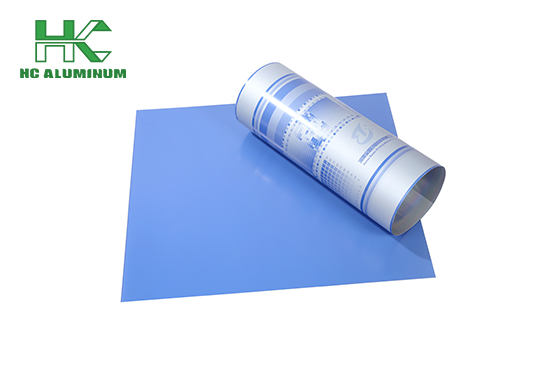
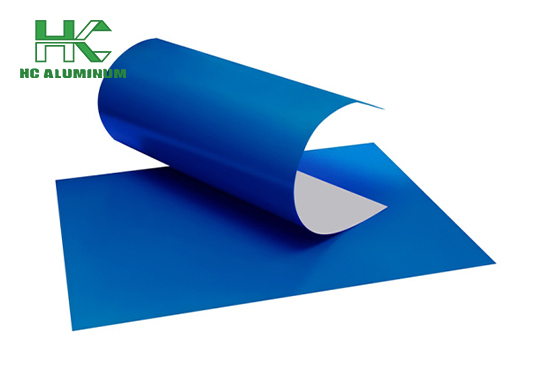
In the wave of digital transformation in the printing industry, CTP (Computer-to-Plate) technology has long become mainstream. CTP plates, as core consumables in plate making, directly determine printing quality and production efficiency. Positive CTP plates and negative CTP plates are the two core categories.
Essential Difference
The core difference between positive and negative CTP plates lies in their imaging principles and photosensitive layer reaction mechanisms, which directly determine their plate-making processes and applicable scenarios.
Positive CTP plate is a kind of "photodegradable" plate. Its photosensitive layer is a photodegradable resin. During plate making, the areas irradiated by the laser (corresponding to the non-image areas of the printed image) undergo a photodegradation reaction, are dissolved and removed after development, exposing the hydrophilic plate base.
The unirradiated areas (corresponding to the printed image areas) retain the ink-receptive photosensitive layer, ultimately forming a printable plate. Simply put, positive plates "remove what's exposed," ultimately retaining the unexposed portions.
Negative CTP plates are "photopolymerization/photocrosslinking" plates. Its photosensitive layer is a photopolymerizable resin. During plate making, the areas irradiated by the laser (corresponding to the printed image) undergo polymerization and cross-linking reactions, forming a cured resin layer insoluble in the developer. The unirradiated areas are dissolved and removed during development, exposing the hydrophilic base. In other words, the negative CTP plate "retains what is exposed," ultimately preserving only the exposed portion.
Comparing core performance, the positive CTP plate's advantages lie in its superior dot reproduction and strong development adaptability, accurately presenting delicate printing details. The core advantage of the negative CTP plate is its faster plate-making speed, typically more than 30% faster than a positive plate of the same sensitivity, making it more suitable for high-efficiency printing needs.
Furthermore, positive plates have a relatively slower plate-making speed due to the larger area of coating that needs to be removed after exposure; negative plates, because the exposed areas are directly cured, have a higher utilization rate of laser energy, resulting in a more significant efficiency advantage in mass production scenarios.
Key Takeaways
1. Thermal CTP plates: both positive and negative versions available, positive predominates
Thermal CTP plates are currently the most widely used type of CTP plate on the market. They utilize infrared laser imaging at approximately 830nm, offering advantages such as good stability, high dot reproduction accuracy, and the ability to operate in bright light. They are suitable for high-end commercial printing, brochures, packaging, and other high-quality printing applications.
From a classification perspective, thermal CTP plates exist in both positive and negative versions. However, from a market application perspective, positive thermal CTP plates, due to their superior dot reproduction, better meet the detail requirements of high-end printing and occupy the mainstream share of the thermal plate market.
2. Violet CTP plates: primarily negative, suitable for high-speed printing
Violet CTP plates use 405nm ultraviolet laser imaging. Their core advantages are fast imaging speed, high stability, and support for bright light operation, making them ideal for mass production scenarios with high timeliness requirements, such as newspaper printing and commercial quick printing.
In terms of classification, violet CTP plates are primarily negative-image type. This is because the photopolymerization reaction of negative-image plates better matches the high energy density of violet lasers, achieving rapid curing and imaging, further amplifying its speed advantage. However, a small number of positive-image violet laser plates also exist, but their market application is limited due to their slower plate-making speed.
3. Process-Free CTP Plates: Mainstream Positive, Highly Environmentally Friendly
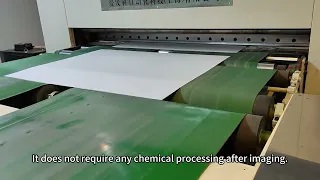
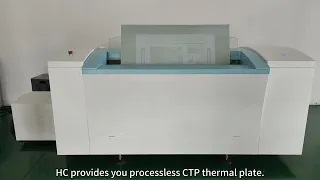
Process-free CTP plates are a popular category driven by environmental trends. The plate-making process eliminates the need for chemical development, achieving imaging solely through physical methods, significantly reducing environmental pollution and chemical treatment costs. They are suitable for printing companies with high environmental requirements and small printing plants.
In terms of classification, the mainstream of process-free CTP plates is positive-image type. The core reason is that the photodecomposition reaction of positive-image plates facilitates physical peeling without chemical development. Currently, most environmentally friendly process-free plates on the market fall into the category of positive-image CTP plates.
4. Double-Layer CTP Plates: Mostly Negative, Focusing on High Print Durability
Double-layer CTP plates typically refer to plates with a dual-layer structure of a protective layer and a photosensitive layer. The protective layer primarily serves to isolate oxygen and prevent scratches, making it ideal for high-durability, high-precision printing needs, such as high-end packaging and art reproduction.
From a classification perspective, double-layer CTP plates are mostly negative-type because their photosensitive layer uses photopolymer resin. The double-layer structure better ensures the stability of the photopolymerization reaction, reduces the impact of laser scattering on imaging accuracy, and results in a more durable resin layer after curing, achieving a print durability of over 1 million impressions after baking.