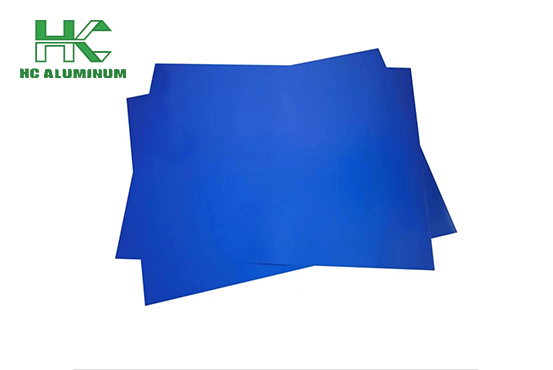
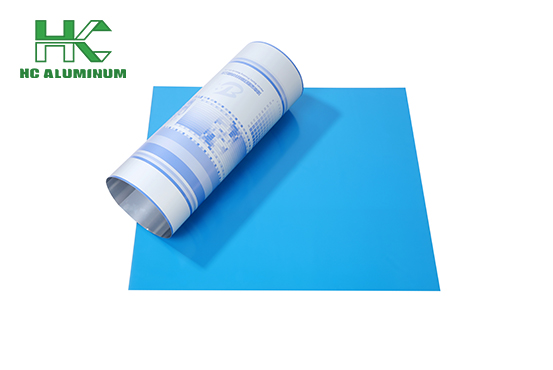
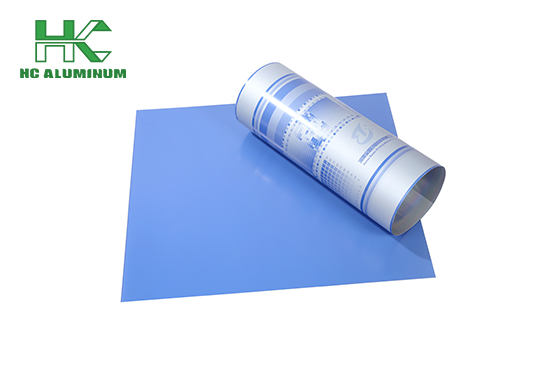
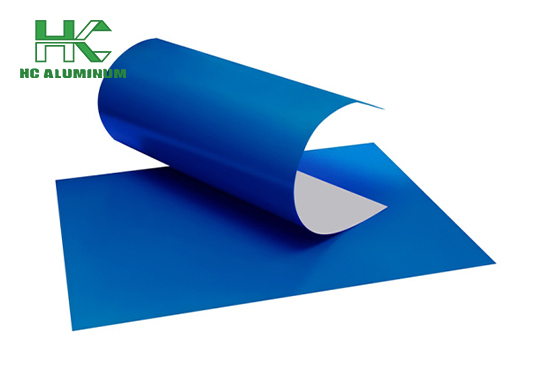
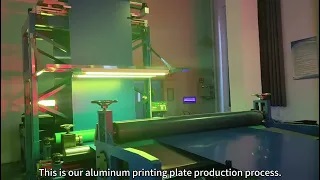
Violet Plates For Ctp
Why Violet CTP Technology Fits Cost Sensitive, High Output Print Rooms
Violet laser CTP systems, typically operating around 405 nm, are widely adopted in commercial printing environments that want dependable quality with efficient imaging. The plates used in these workflows are designed to respond to violet diode exposure with accurate dot formation, strong ink acceptance, and stable on press performance across long runs.
Compared with older film based workflows, violet CTP brings tighter registration control, cleaner highlight handling, and more predictable plate to plate repeatability. For bulk procurement teams and pressroom managers, the practical value is straightforward: faster plate turnaround, controlled consumables, and consistent results that reduce rework.
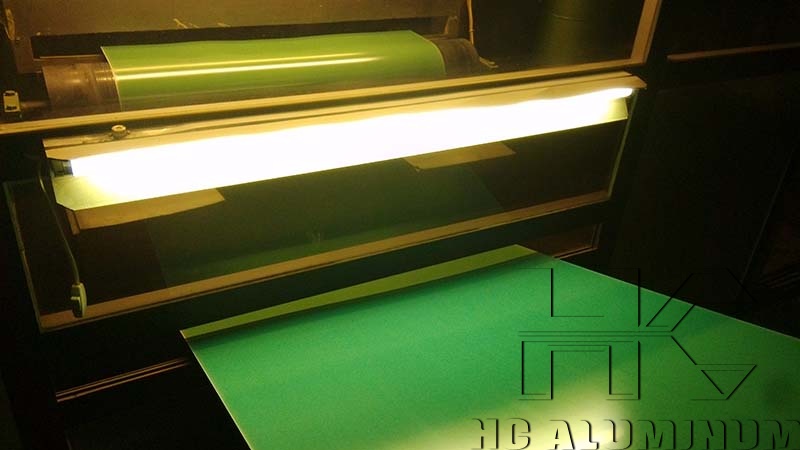
A modern violet imaging plate is typically engineered for:
- Fast exposure at common violet wavelengths, helping raise platesetter throughput.
- Stable dot structure for text sharpness and smooth gradations.
- Good run length potential, supporting repeat jobs and longer campaigns.
- Reliable development latitude, reducing sensitivity to small process shifts.
If your operation uses a violet platesetter or is evaluating one, selecting a plate matched to your equipment, chemistry, and job mix is the most direct way to protect both quality and productivity.
Product Overview: Performance Features That Matter in Daily Production
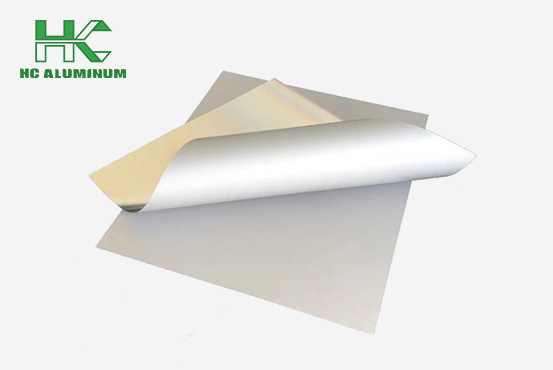
Violet sensitive CTP plates are generally photopolymer based systems optimized for violet diode exposure. While specifications vary by manufacturer and model, professional selection usually focuses on imaging speed, tone reproduction, process latitude, and press durability.
In production terms, you want a plate that reaches target density quickly in the platesetter, holds dots during development, and resists scumming or premature wear on press. Many print rooms also prioritize plates that stay stable during handling and storage, especially when plates are imaged in batches.
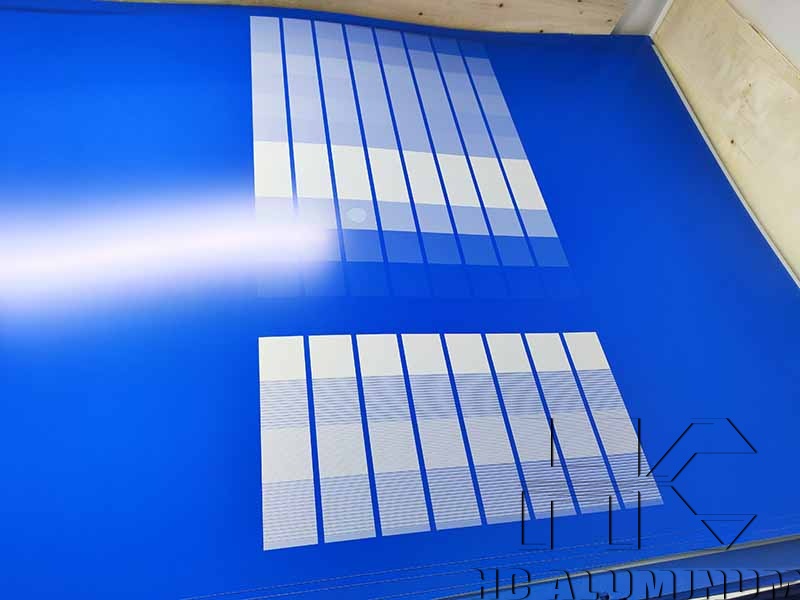
Typical evaluation points
| Evaluation item | What to check on your line | Why it matters |
|---|---|---|
| Imaging response at violet wavelength | Exposure energy and focus tolerance on your platesetter | Helps maintain speed without losing highlight or shadow detail |
| Dot reproduction and consistency | Fine text, 1 percent to 99 percent tone tests, screen ruling compatibility | Ensures predictable color and smooth gradients |
| Development latitude | Stable processing window, clean background, low residue | Reduces waste when temperature, replenishment, or load varies |
| Press performance | Ink receptivity, abrasion resistance, run stability | Supports long runs and repeatability |
| Handling robustness | Scratch resistance, safe room light tolerance as specified | Protects plates during transport and staging |
When matching plates to equipment, confirm that the plate is intended for violet CTP imaging and that your processor settings are aligned with the plate chemistry recommendations. If you are standardizing across multiple sites, also consider how the plate behaves under different water quality and climate conditions.
For teams specifying a dedicated product page, you can review our Violet ctp offering as a reference point for plate selection and ordering.
Applications, Compatibility, and Purchasing Considerations for Bulk Orders
Violet CTP plates are commonly used for commercial print, publications, inserts, and many packaging related jobs where consistent tone reproduction and efficient throughput are required. They are also practical for plants managing a broad mix of short, medium, and longer runs, because their imaging speed supports quick turnaround while maintaining stable output.
Compatibility checklist for procurement and technical teams
| Category | Questions to align before ordering | Notes |
|---|---|---|
| Platesetter | Is the system violet diode based, and what is the target wavelength range? | Confirm actual configuration and service calibration |
| Plate size and thickness | What dimensions and gauge does your press standardize on? | Standardization simplifies stocking and reduces downtime |
| Processor and chemistry | Which developer type and replenishment strategy do you run? | Keep processing within the plate supplier recommendations |
| Screening and workflow | AM, FM, hybrid, and target line screen range? | Test critical work such as fine text and flat tints |
| Storage and logistics | Temperature, humidity control, and shelf life requirements? | Protects sensitivity and reduces imaging variability |
What global bulk purchasers often prioritize
- Lot to lot consistency: essential for repeat jobs and multi site rollouts.
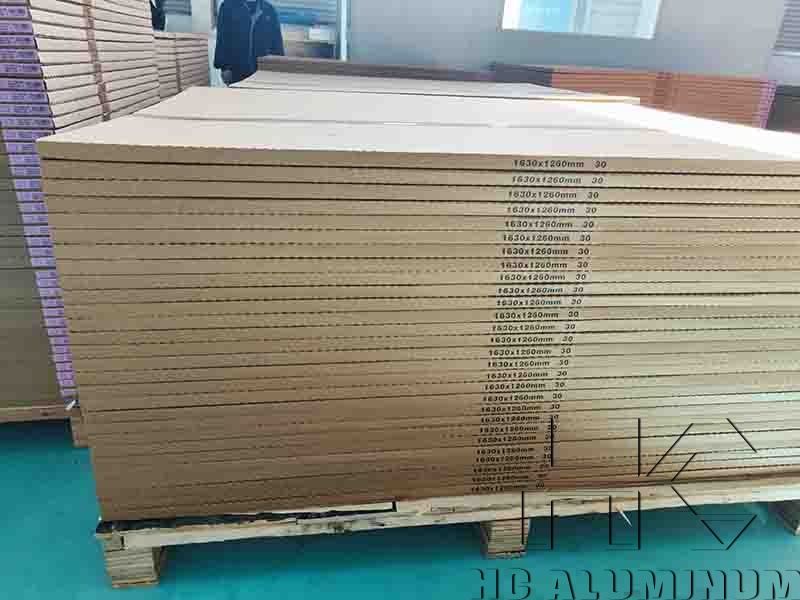
- Packaging integrity: prevents edge damage and minimizes handling defects during long distance shipping.
- Documentation: clear product identification, batch labeling, and handling instructions.
- Technical support: exposure and processing parameters aligned to your equipment.
If you manage multiple presses or mixed job profiles, it is common to qualify plates using a structured test plan: set exposure targets, run a control wedge, verify dot gain trends, then confirm press run stability on representative inks and substrates. This approach supports predictable results and reduces qualification time when scaling to higher volumes.
To align plate choice with your production goals, start by confirming your violet platesetter model, daily throughput target, and the run length range you typically print. From there, a properly matched violet plate system can deliver fast imaging, controlled processing, and stable press performance without adding complexity to your workflow.