What Is PS Plate
Recent English Q&A searches around PS plate are usually practical: people want to know what it is, whether it is outdated, how it compares with CTP and CTCP plate, and what to inspect before ordering. Find what you like to know here.
| Hot question | Short answer for print purchasers and operators |
|---|---|
| What is PS plate in offset printing? | A pre-sensitized aluminum offset printing plate used with film exposure and chemical development. |
| Is PS plate the same as CTP plate? | No. PS plate normally uses film; CTP plate is imaged directly by a platesetter. |
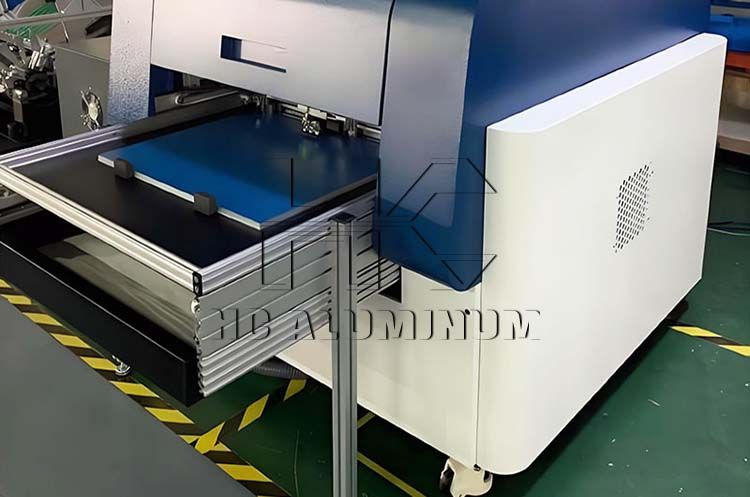
| What is CTCP plate? | A computer-to-conventional plate exposed by UV on a CTCP platesetter. |
| Is PS plate still useful? | Yes, especially for shops using film workflows or cost-sensitive short and medium runs. |
| How can plate quality be judged? | Check base uniformity, coating stability, sensitivity, dot reproduction, and press durability. |
1. What is PS plate in printing?
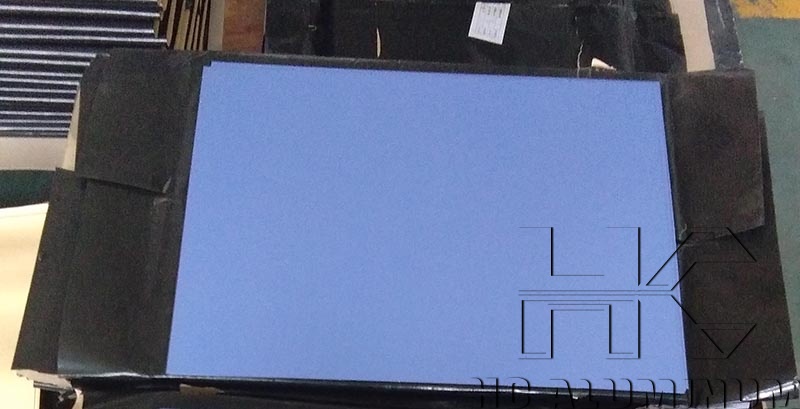
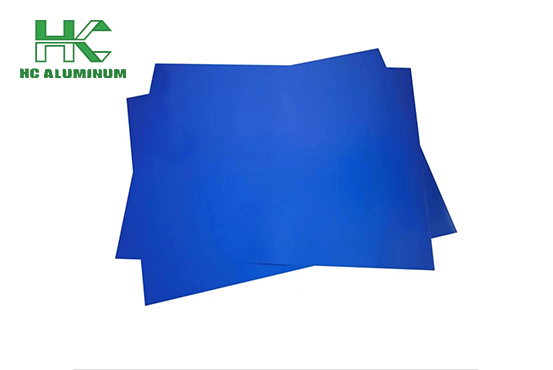
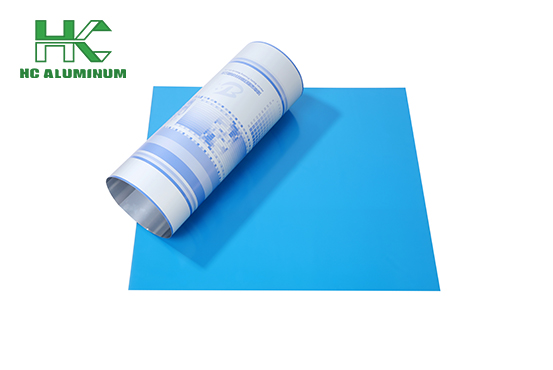
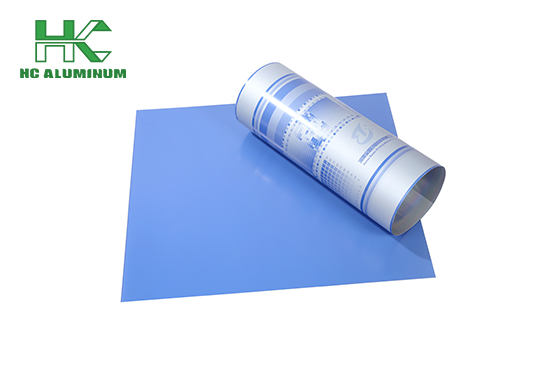
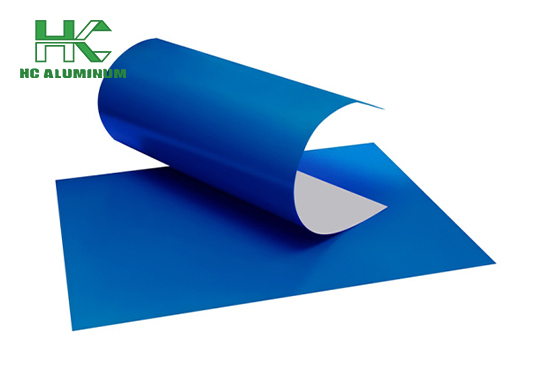
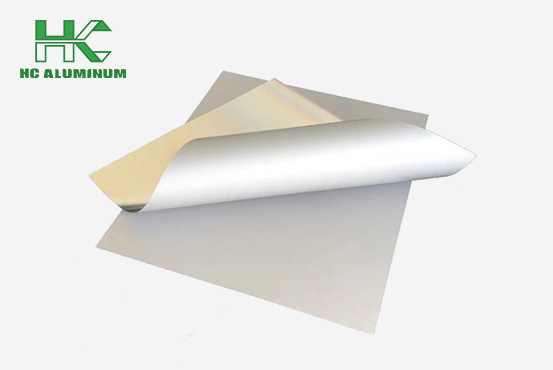
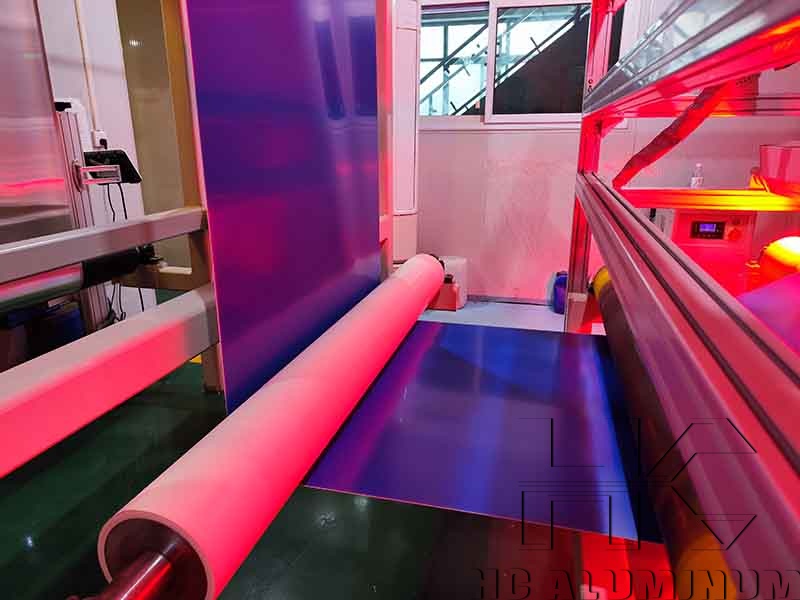
PS plate means pre-sensitized plate. It is an offset printing plate made from a grained and anodized aluminum base coated with a light-sensitive layer. Before printing, the plate is exposed through a film, developed, gummed, and then mounted on an offset press.
In simple terms, the image area and non-image area behave differently. The image area accepts ink, while the non-image area accepts water. This ink-water balance is the working principle behind offset lithography. A well-made PS Plate should have clean dot reproduction, fast exposure response, strong coating adhesion, and stable performance during printing.
Most PS plates are positive-working plates. After exposure, the exposed coating dissolves during development, leaving the image area on the plate. Negative PS plates also exist, but positive PS plates are more familiar in many commercial printing environments.
2. Is PS plate still used, or has CTP replaced it?
PS plate is still used, although CTP has become the dominant workflow in many modern offset plants. The reason is simple: not every print shop has the same equipment, budget, job structure, or operator habits.
PS plate remains attractive where film output systems are already installed, where print runs are moderate, and where the shop wants a familiar plate process. It is also useful in markets where spare parts, technicians, or platesetter investment may be a concern.
CTP plate has advantages in speed, registration accuracy, and digital workflow efficiency. However, PS plate can still deliver sharp image reproduction when exposure, development, and press conditions are well controlled.
| Factor | PS plate | CTP plate |
|---|---|---|
| Imaging method | Film exposure | Direct digital laser imaging |
| Main equipment | Vacuum frame, exposure unit, processor | CTP platesetter, processor or processless system |
| Workflow | Conventional | Digital |
| Setup cost | Usually lower if film equipment exists | Higher initial equipment investment |
| Registration | Depends on film and handling | Usually more accurate |
3. What is the difference between PS plate, CTP plate, and CTCP plate?
This is one of the most repeated questions because the names look similar but refer to different workflows.
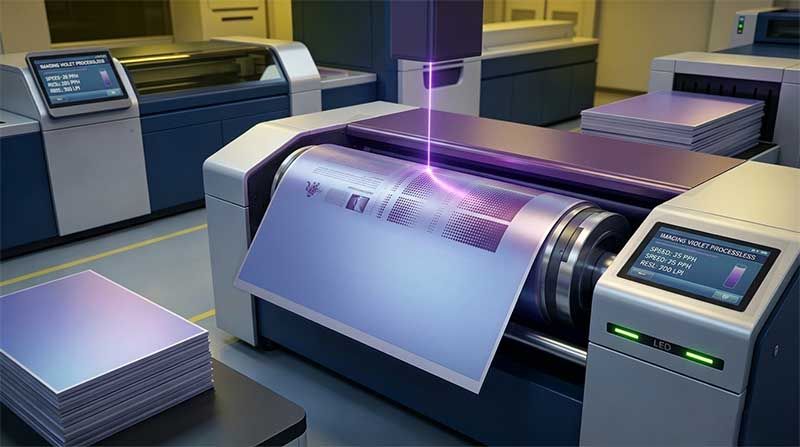
PS plate is the conventional pre-sensitized plate. It normally needs film before exposure. CTP plate means computer-to-plate. It is imaged directly from digital files, usually by thermal or violet laser. CTCP plate means computer-to-conventional plate. It uses UV exposure on a CTCP platesetter and is designed to bridge conventional plate chemistry with digital imaging.
CTCP can be appealing for plants moving away from film while still wanting UV-sensitive plate technology. It can reduce film-related errors and improve output consistency. CTP, especially thermal CTP, is often chosen by plants seeking higher automation and stable high-resolution output.
| Plate type | Full meaning | Exposure source | Typical use |
|---|---|---|---|
| PS plate | Pre-sensitized plate | UV light through film | Conventional offset printing |
| CTP plate | Computer-to-plate | Thermal or violet laser | Digital offset plate making |
| CTCP plate | Computer-to-conventional plate | UV imaging system | Digital upgrade from conventional workflow |
4. How do I judge whether a PS plate is good quality?
A practical quality check starts with the aluminum base. The surface should be evenly grained, properly anodized, and free from visible scratches, oxidation marks, dents, or coating streaks. The coating should look uniform under normal inspection light, without color patches or pinholes.
Next, look at plate performance. A good PS plate should offer stable sensitivity, a clean development window, fine dot reproduction, and strong resistance to abrasion on press. If the plate loses small dots too early, scums in non-image areas, or needs constant water adjustment, the issue may come from coating quality, storage, processing chemistry, or press conditions.
For incoming inspection, many print shops test exposure time, solid density transfer, 2% to 98% dot reproduction, developer tolerance, and run length. For commercial printing, dot stability is often more important than a plate that only looks good before processing.
When evaluating a supplier, ask for technical data such as coating type, plate thickness tolerance, spectral sensitivity, recommended developer, safe-light requirement, and expected run length under standard press conditions. For a stable conventional workflow, the PS Plate should match both the exposure unit and the processor chemistry already used in the workshop.
5. What storage and processing conditions affect PS plate performance?
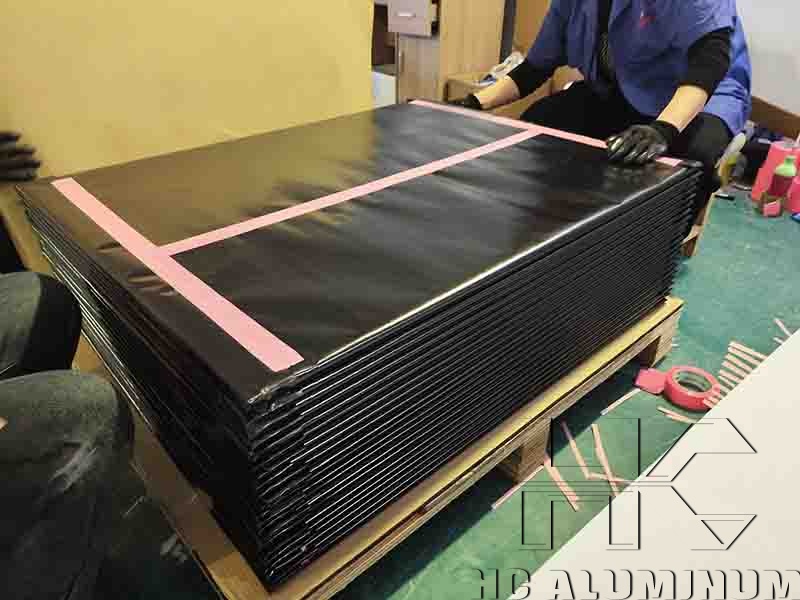
PS plate is light-sensitive and moisture-sensitive, so storage matters. Keep plates in a dry, cool, and ventilated room. Avoid direct sunlight, strong white light, heat sources, and chemical vapor. If plates are stored in a hot warehouse, the coating can age faster, causing slower exposure response, poor development, or lower press durability.
Processing is equally important. Developer concentration, temperature, brush pressure, dwell time, and replenishment rate all affect the final plate. A plate that performs badly in one workshop may work normally after the processor is cleaned and chemistry is adjusted.
| Item to control | Recommended practice | Common problem if ignored |
|---|---|---|
| Storage temperature | Keep stable and moderate | Coating aging, weak image formation |
| Humidity | Avoid high humidity | Sticking, oxidation, unstable development |
| Exposure | Follow test scale results | Lost highlights or dirty background |
| Developer strength | Maintain supplier range | Overdevelopment or underdevelopment |
| Processor cleaning | Clean rollers and brushes regularly | Streaks, scratches, uneven image |
For new print plants comparing PS, CTP, and CTCP plates, the best choice depends on existing equipment, job volume, operator skill, and target print quality. PS plate is not simply an old product; it is a mature offset plate technology that can still be economical and dependable when the whole plate-making process is controlled carefully.