PS Plate
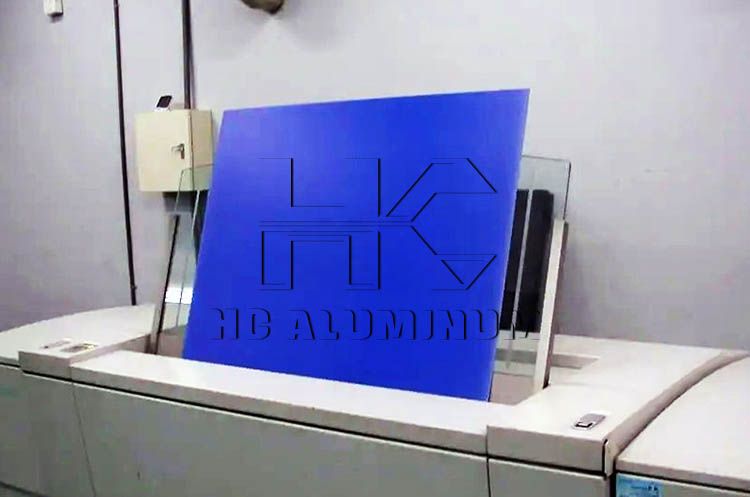
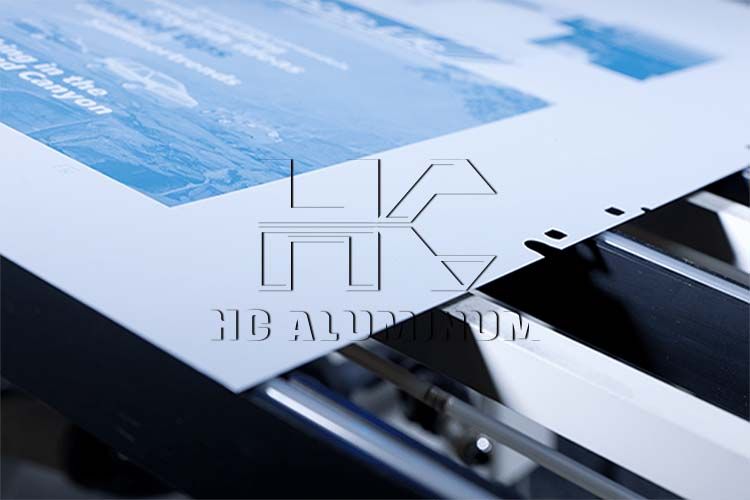
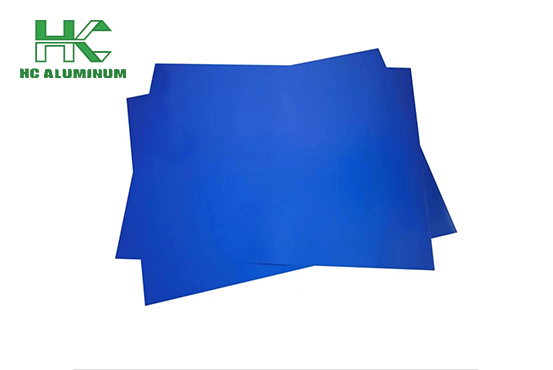
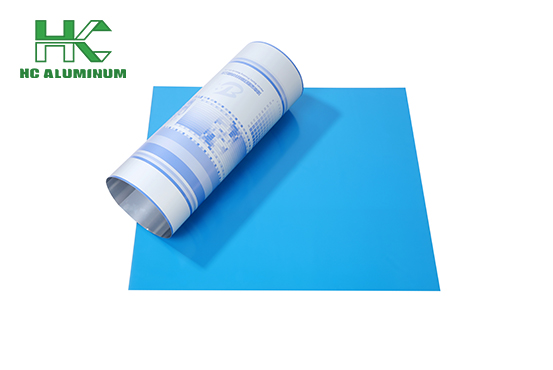
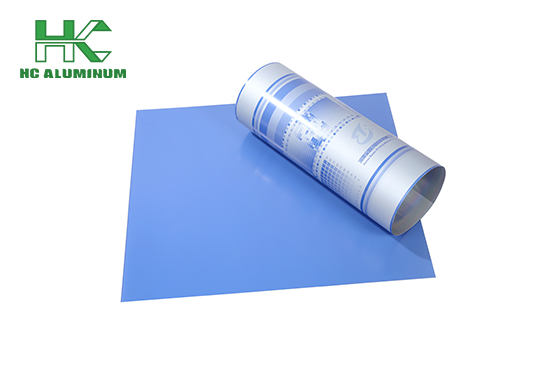
For commercial offset printing, the presensitized aluminum plate remains a practical choice where stable quality, predictable imaging, and controlled cost matter. A traditional PS Plate is coated with a light-sensitive layer and exposed through film before development. Although many printers have moved toward CTP and CTCP workflows, conventional plates are still widely used in packaging, book printing, newspaper work, forms, labels, and regional commercial printing where film-based workflows remain economical.
What a Presensitized Offset Plate Is
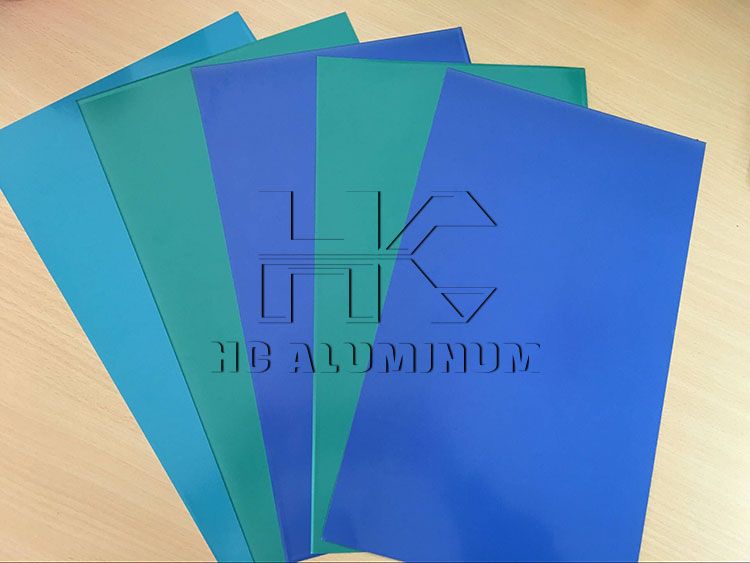
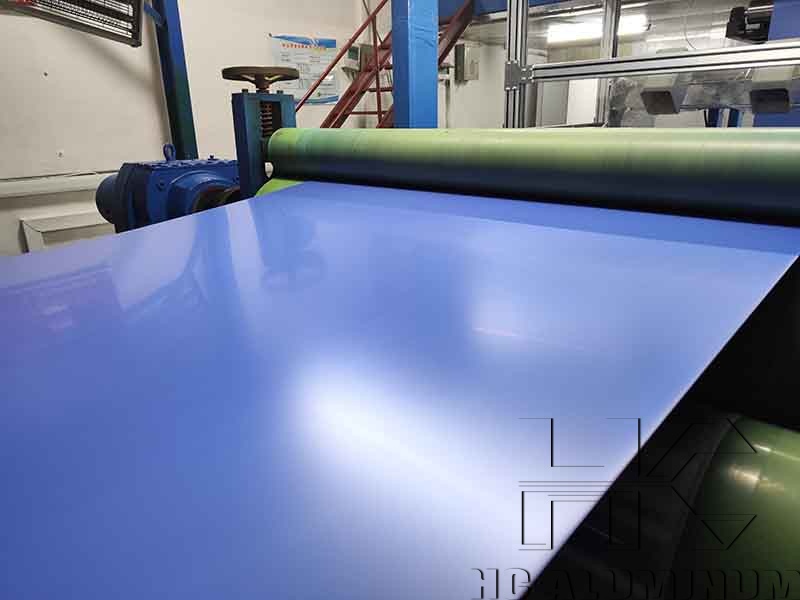
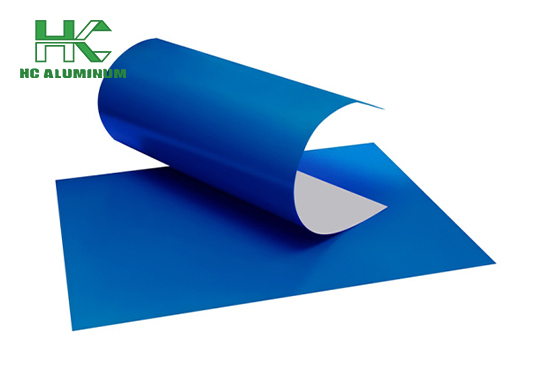
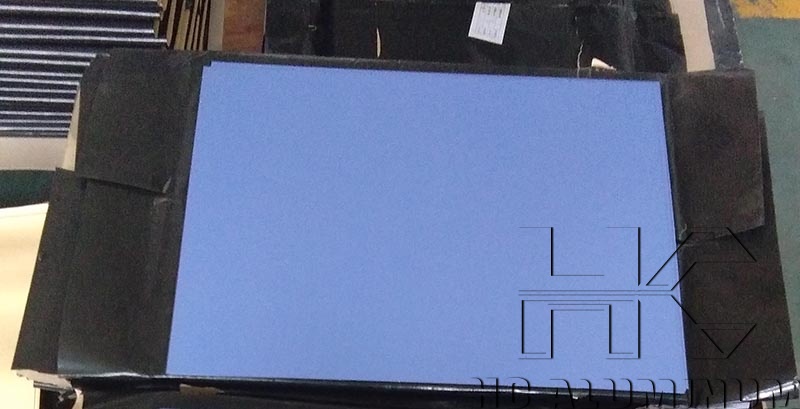
A presensitized plate is usually made from electrochemically grained and anodized aluminum. The graining helps water retention in non-image areas, while anodizing improves durability and corrosion resistance. A photosensitive coating is applied under controlled conditions, then cut and packed in light-safe packaging.
Most conventional positive plates use a diazo or similar photosensitive coating. During exposure, light passes through a positive film. The exposed non-image coating becomes soluble in developer, leaving the image area to accept ink during printing. Negative-working versions also exist, but positive plates have long been valued for fine dot reproduction and clean highlights.
CTP and CTCP plates are related but differ in imaging method. CTP, or computer-to-plate, eliminates film and images directly by thermal or violet laser. CTCP, or computer-to-conventional-plate, uses UV imaging systems to expose plates similar to traditional positive materials, helping printers reduce film use while keeping part of the conventional chemistry and cost structure.
| Plate type | Imaging method | Typical strengths | Common considerations |
|---|---|---|---|
| Conventional presensitized plate | UV exposure through film | Low equipment cost, mature process, good dot control | Requires film, vacuum frame, developer control |
| CTCP plate | UV direct imaging | Uses UV plates, reduces film handling, suitable for conversion projects | Needs compatible plates and exposure calibration |
| Thermal CTP plate | Infrared laser imaging | High resolution, stable repeatability, strong automation | Higher plate and equipment investment |
| Violet CTP plate | Violet laser imaging | Fast imaging, popular in newspaper and commercial work | Safelight and chemistry requirements vary |
Printing Performance, Processing, and Applications
Performance depends on the base aluminum, coating uniformity, exposure latitude, developer compatibility, and pressroom conditions. For bulk procurement, run length should be matched with the print job profile. Standard conventional plates often support medium runs, while baked plates or long-run CTP grades can extend durability for demanding work.
Important quality indicators include dot reproduction, background cleanliness, scratch resistance, ink-water balance, and plate-to-plate consistency. A reliable plate should hold small dots without filling in shadows, resist scumming in non-image areas, and maintain stable image density during the run. For process color work, dimensional stability is also important because registration errors can cause waste.
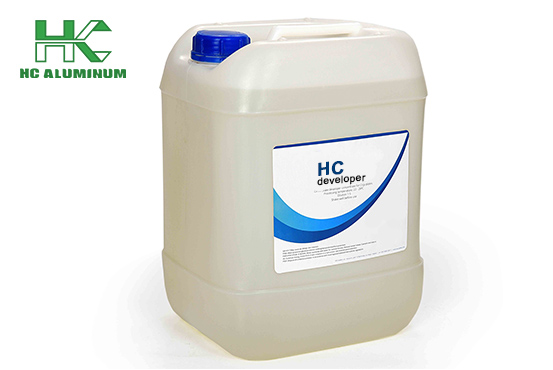
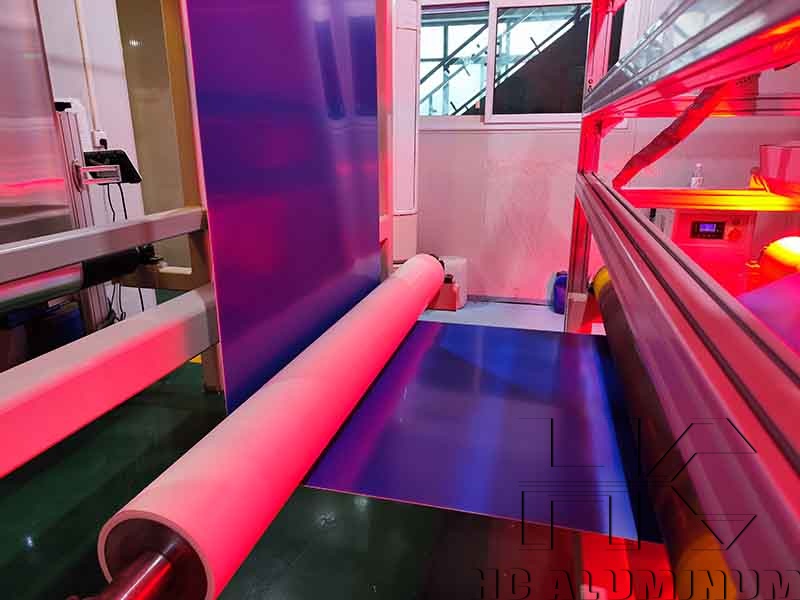
The processing stage is where many plate problems originate. Exposure must be matched to the plate sensitivity and lamp condition. Underexposure can lead to weak image areas, toning, or shortened run length. Overexposure may reduce highlight detail. Developer concentration, temperature, replenishment, and dwell time should be controlled according to the plate supplier's technical data sheet. Industry practice commonly uses step wedges or control strips to monitor exposure and development stability.
| Process factor | What to monitor | Risk if uncontrolled |
|---|---|---|
| Exposure energy | Step wedge reading, lamp age, vacuum quality | Dot loss, weak image, uneven development |
| Developer strength | Conductivity, pH, replenishment rate | Scumming, slow development, coating attack |
| Temperature | Developer bath and storage area | Variation in sensitivity and washout speed |
| Plate handling | Gloves, clean workbench, safe lighting | Scratches, fingerprints, oxidation marks |
| Press chemistry | Fountain solution pH and conductivity | Poor ink-water balance, plate wear |
Applications vary by plant size and workflow. Conventional plates suit printers that already own film output and exposure equipment, or operations where job changes are moderate and plate cost is a priority. CTCP fits companies seeking digital file handling without a full shift to thermal CTP. CTP plates support highly automated production, short turnaround, and consistent repeat jobs, especially in packaging and high-volume commercial plants.
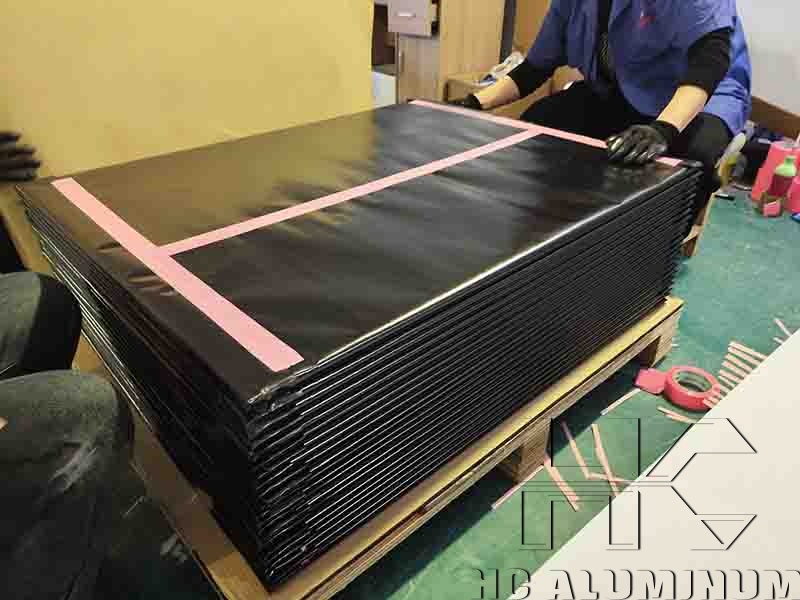
A practical specification for procurement should include plate thickness, size tolerance, coating type, sensitivity range, safe light conditions, shelf life, run length expectation, developer model, packing method, and pallet quantity. Common thicknesses include 0.15 mm, 0.20 mm, 0.24 mm, and 0.30 mm, depending on press format and cylinder requirements. Large-format packaging presses often require thicker plates for rigidity, while smaller sheetfed presses may use thinner stock.
Market Cost, Supply Chain, and Compliance Factors
The cost structure of offset plates is closely tied to aluminum. Aluminum coil usually accounts for a significant share of plate manufacturing cost, so prices are affected by LME aluminum trends, regional premiums, energy costs, and exchange rates. Coating chemicals, packaging, labor, freight, and environmental controls also influence final pricing. During periods of high energy cost or tight aluminum supply, quotations can change quickly.
Bulk purchasers often evaluate price per square meter rather than price per sheet, because formats differ by press model. Waste allowance, freight terms, payment terms, and claim policy should also be reviewed. A lower unit price may not be economical if sensitivity varies between batches, causing remakes, slow setup, or higher developer consumption.
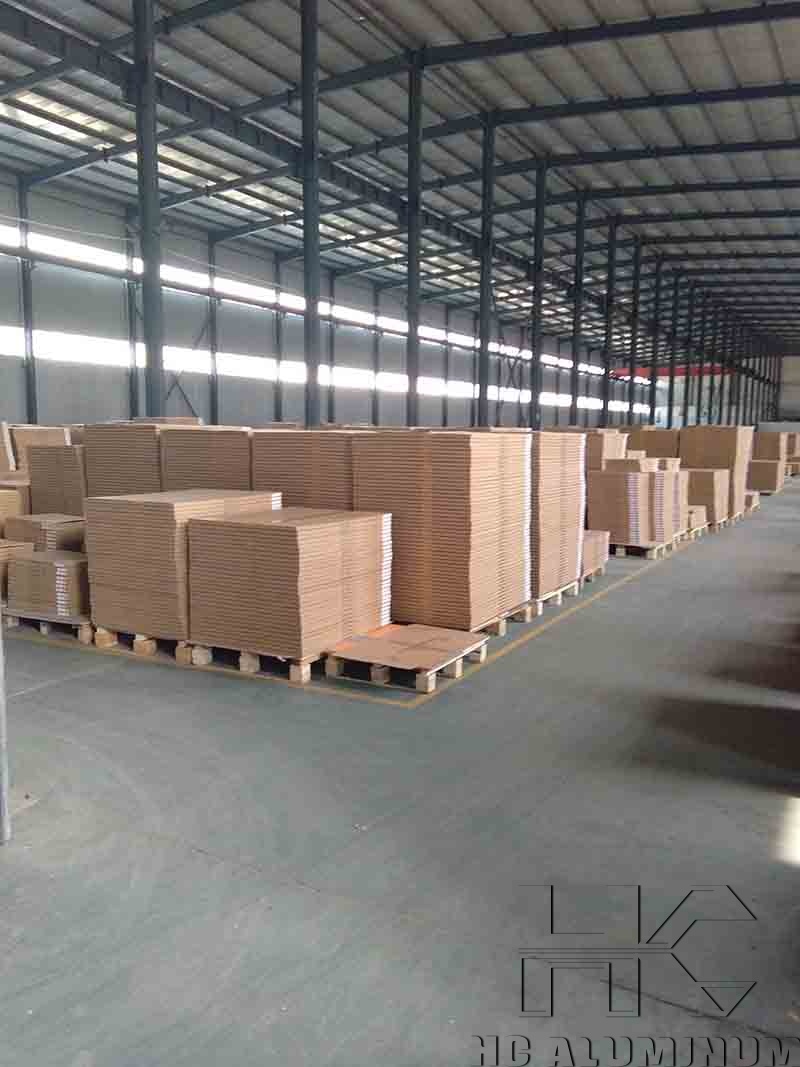
Supply chains for conventional and digital plates include aluminum coil producers, plate manufacturers, chemical suppliers, packaging providers, exporters, distributors, and local service teams. Lead time can be affected by coating line capacity, shipping space, port congestion, customs inspection, and seasonal demand. Demand often rises before major retail seasons, textbook production periods, calendar printing, and packaging peaks for holidays. Planning purchases before these cycles helps reduce urgent freight and stockout risk.
| Cost or supply factor | Impact on procurement | Practical action |
|---|---|---|
| Aluminum price movement | Changes base material cost | Track monthly aluminum trends and contract timing |
| Batch consistency | Affects exposure and press setup | Request batch records and sample testing before volume orders |
| Shelf life | Influences inventory risk | Rotate stock and control warehouse temperature and humidity |
| Freight mode | Changes landed cost and delivery time | Compare container load, LCL, and air shipment only for emergencies |
| After-sales support | Reduces production downtime | Confirm technical response time and claim documentation process |
Standards and compliance should not be treated as paperwork only. Plate dimensions, squareness, coating adhesion, surface cleanliness, and packing integrity affect real pressroom performance. Suppliers may operate under ISO 9001 quality management systems, and some plants also use ISO 14001 environmental management. For chemical safety, Safety Data Sheets should be available for plates and developers where applicable. In markets with strict environmental rules, attention should be paid to developer discharge, VOC-related materials, waste aluminum recycling, and local occupational safety requirements.
Testing before annual or quarterly procurement is recommended. A controlled trial can compare exposure latitude, dot reproduction, cleanout, run length, and press stability against the current plate. Evaluation should include at least one normal job and one demanding job with fine screens, reverses, solids, and small text. The most useful supplier is not only the one offering a competitive price, but the one that can keep plate sensitivity, aluminum quality, packaging, and delivery stable across repeated shipments.
For 2026 purchasing plans, the market direction is shaped by two forces: digital workflow expansion and cost discipline. CTP continues to gain share in automated plants, while conventional and CTCP plate remain relevant where equipment depreciation, labor habits, and job mix support them. Many printers use a mixed plate strategy, keeping traditional plates for stable legacy work and adopting digital plates for time-sensitive or high-precision jobs. This balanced approach can protect margins while allowing gradual workflow modernization.