Hot FAQs on Different Types of CTP Plates
1. What Is The Difference Between Processless and Chemistry Free Plates?
A: Both processless and chemistry-free plates cut down chemical use in traditional plate-making, but they have distinct differences.
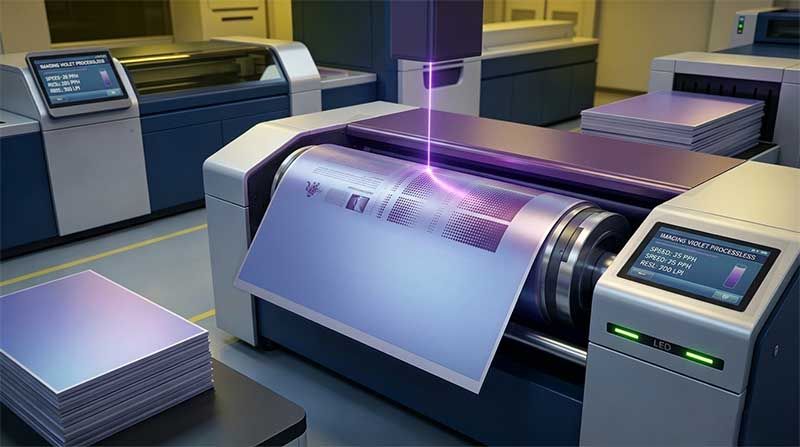
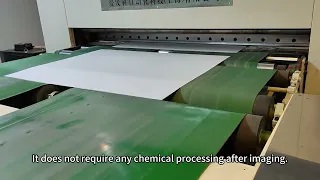
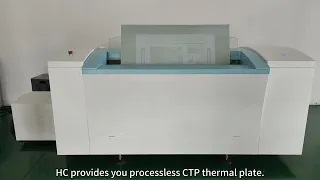
Process free printing plates need no traditional development, rinsing or sizing after machine exposure. They can be directly mounted on presses, with non-image areas removed by water, ink and paper during initial printing, known as “develop on press”. This technology features a streamlined workflow, low equipment maintenance, no developer waste, ECO-friendliness and higher efficiency.
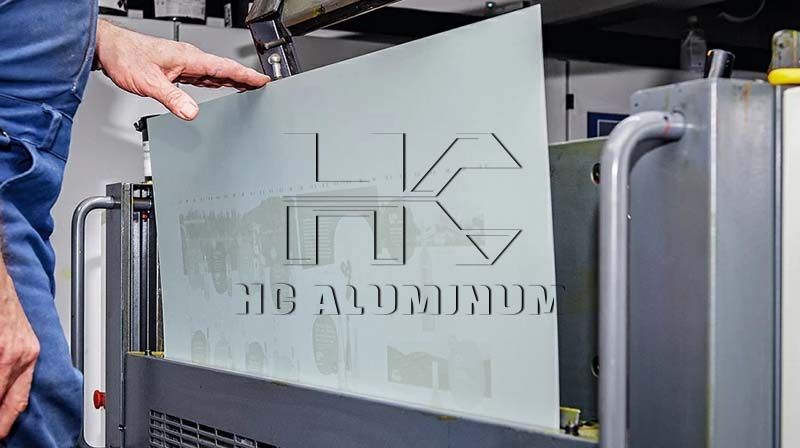
Chemistry-free plates abandon strong alkaline developers, but still require cleaning, water washing or sizing steps in most cases. They reduce chemical consumption yet cannot fully eliminate processing equipment, so they are not always directly press-ready.
2. Which Processless Plates Are Best For Short Run Jobs?
A: Short-run printing prioritizes efficiency and stability over extreme durability. Ideal processless plates need fast roll-up and clean-out speed, low start-up waste, stable dot performance, wide operational tolerance and good compatibility with existing CTP devices and printing presses.
Short-run production involves frequent plate changes. Fast roll-up and clean-out quickly clears non-image areas, cutting waste and setup time.
Good exposure tolerance ensures stable dot coverage despite minor exposure fluctuations, suiting fast-paced batch production.
Compatibility with conventional ink and dampening systems is essential for ordinary commercial printing. Besides, basic print durability is enough, as short runs do not require massive print volumes.
3. What Are The Key Differences Between CTP And Traditional Plate Making?
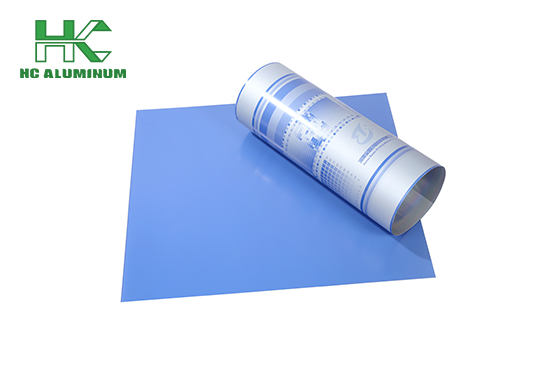
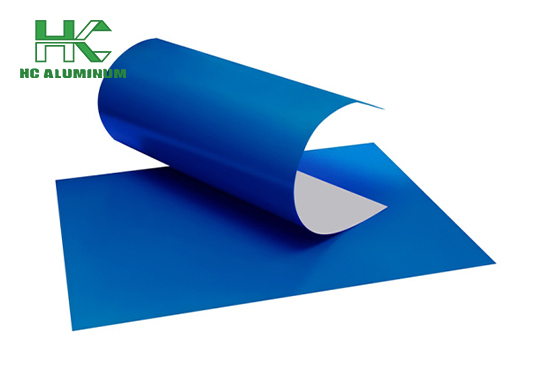
A: Traditional plate making adopts a film-to-plate process, requiring film output before exposure and development. CTP (Computer-to-Plate) technology directly transfers digital files to plates via laser exposure, removing the film step. Thermal CTP plate is a typical CTP plate product.
Their core differences lie in four aspects:
Firstly, workflows: traditional processing includes multiple manual and film-dependent steps, while CTP plate features full digital and streamlined operation.
Secondly, accuracy: CTP avoids film distortion, dust and scratch defects, delivering more stable dot reproduction and higher registration precision.
Thirdly, efficiency: CTP plate' s high automation supports fast plate changes and mass production, far more efficient than the slow, labor-intensive traditional process.
Fourthly, cost and environment: traditional plate making has low initial investment but continuous costs for film, chemicals and labor.
CTP requires higher upfront equipment investment but saves long-term consumable and labor costs. Paired with eco-friendly plates, CTP greatly reduces chemical waste for greener production.
4. Are There Notable Differences In Image Quality Among Process Free Printing Plates?
A: Modern high-end process-free plates deliver overall image quality comparable to traditional developing plates, with unobvious gaps in regular commercial printing. Differences mainly exist in detailed performance.
Different printing plates vary in dot reproduction, resolution and detail restoration, affecting high-line-count and screening effects. Clean-out speed and on-press stability also differ; slow cleaning may cause smudging and extra startup waste, which matters greatly for short-run fast production.
Processless printing plates with wide exposure latitude maintain stable dot and color output, while narrow-latitude ones are sensitive to equipment fluctuations. Additionally, without complete post-development treatment, some process-free plates are more prone to scratches and light damage during use and storage.
Quality differences are negligible in ordinary printing. Obvious gaps only appear in high-end fine printing, long-run production, UV printing and other special working conditions.
5. How Do Process-Free And Conventional Plates Compare In Terms Of Print Quality?
A: Modern process-free plates match conventional developing plates in overall print quality, with no visible difference in finished products for most commercial printing, short-run packaging, book and promotional material printing.
Process-free plates excel in simpler workflows, less chemical consumption, lower waste and shorter plate-making cycles. They eliminate unstable variables in traditional development, such as inconsistent developer concentration and temperature, ensuring more stable plate-making quality with proper operation.
Conventional plates have unique advantages in technical maturity, standardized operation, excellent durability and strong adaptability. They perform better in extreme scenarios, including ultra-long-run printing, UV ink printing, special substrate printing and jobs requiring high abrasion resistance, especially after baking treatment.