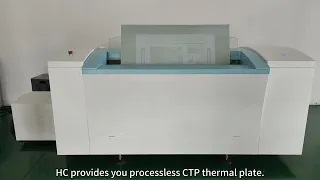
Violet Ctp Plates
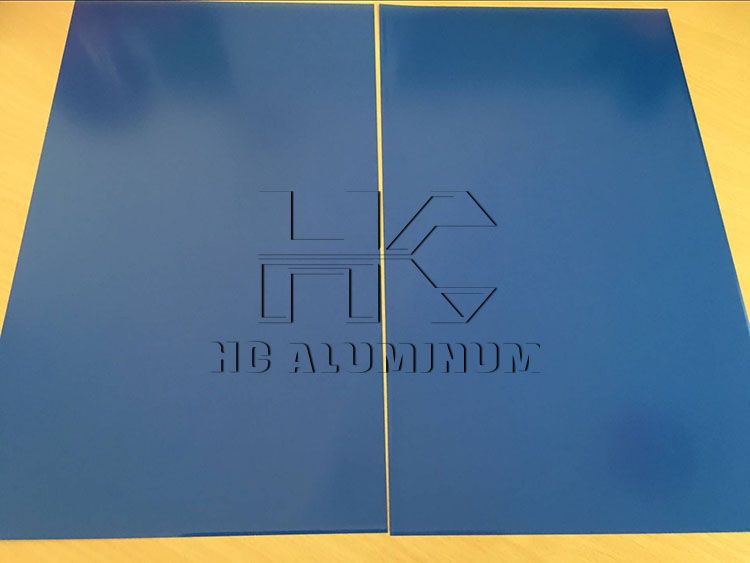
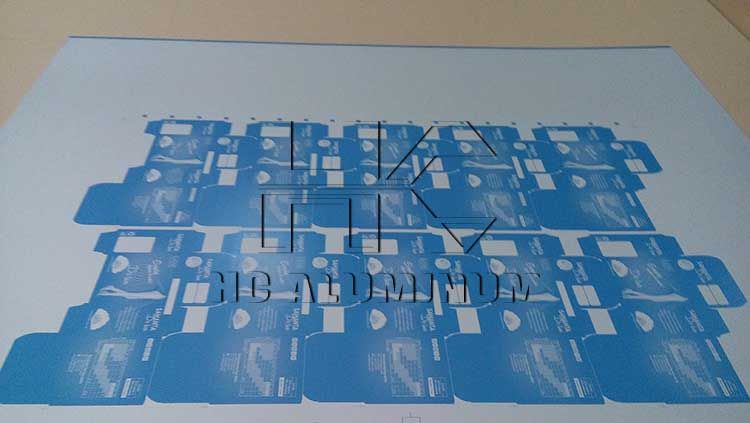
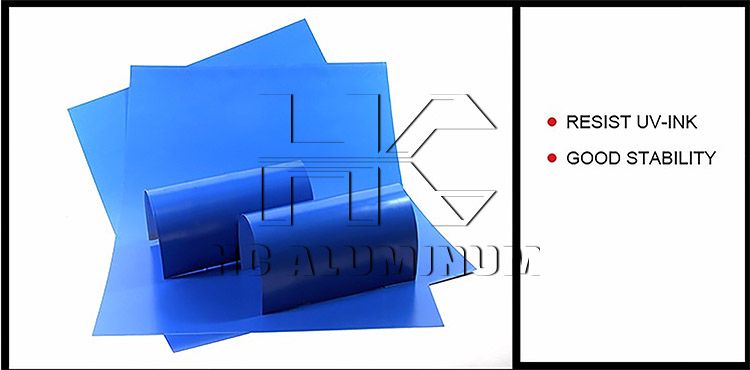
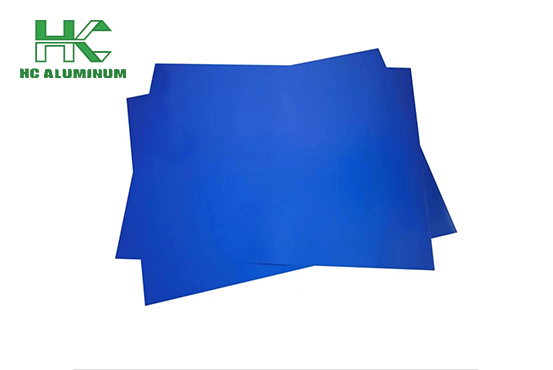
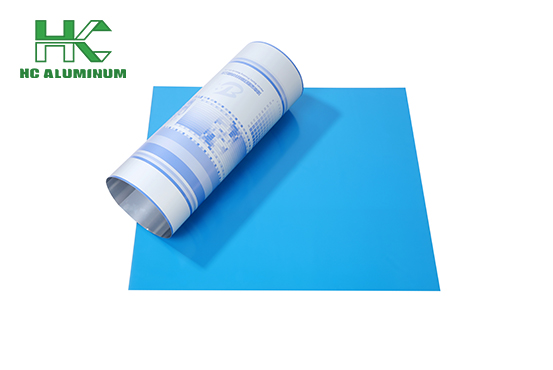
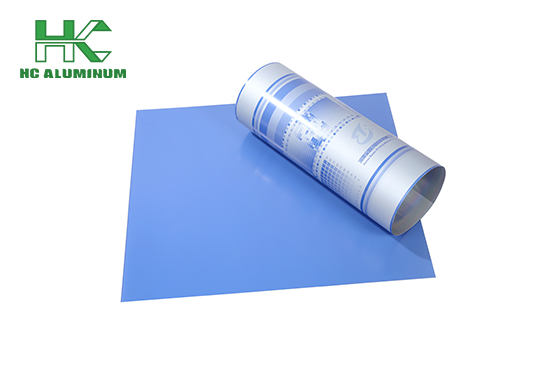
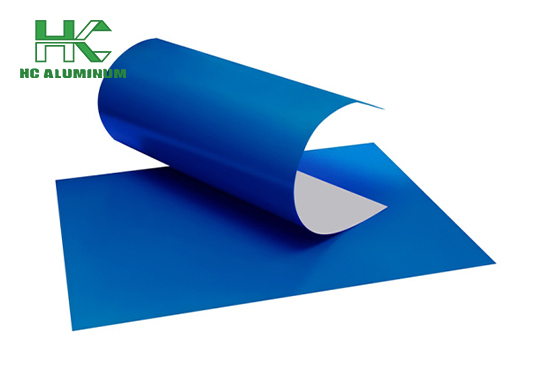
Violet CTP plates are offset printing plates imaged by a violet laser, typically around 405 nm. They are widely used because they support stable imaging, practical handling, and production workflows common in commercial offset. If you source aluminum materials at scale, most confusion comes from one point: the plate performance depends as much on the aluminum base and its surface treatment as it does on the photosensitive coating. This guide explains what to ask for, how to compare offers, and how to reduce risk in large-volume procurement.
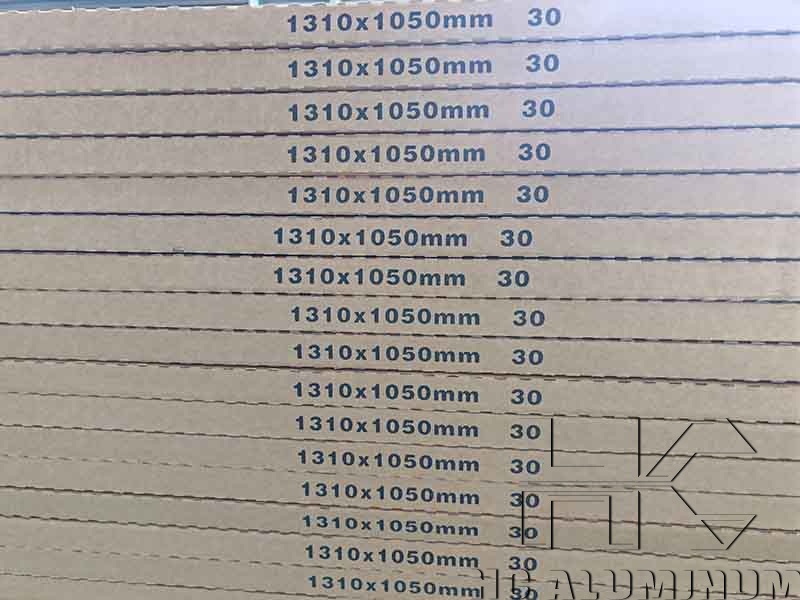
What violet laser plates are and why the aluminum base matters
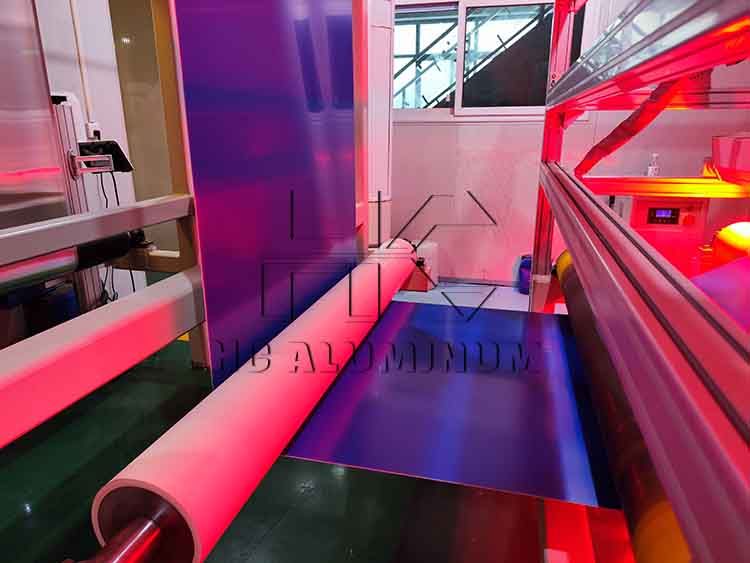
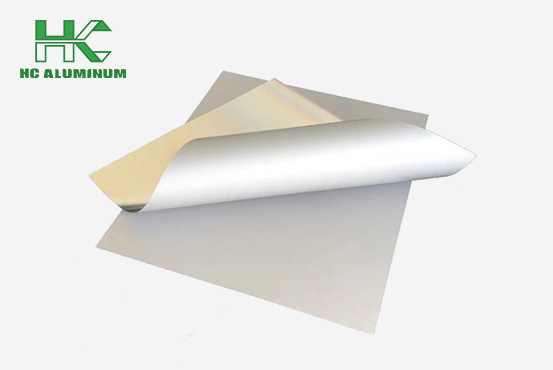
A violet imaging plate is a multilayer product. The top is a photopolymer or similar imaging layer designed to respond to violet laser exposure. Beneath that is an anodized and grained aluminum base that provides mechanical strength, water retention, and adhesion for the coating.
For bulk sourcing, the aluminum base is often the differentiator behind:
Imaging uniformity across the width of the plate.
Dot reproduction consistency during long runs.
Resistance to scratches during handling and transport.
Stability under press conditions, including fountain solution contact.
When comparing suppliers, avoid treating plates as only a chemistry item. The grain profile, anodizing quality, and base gauge control can change press behavior, especially in long runs where small variations become visible.
Specifications to confirm before placing a large order
Below are common technical items that should be confirmed in a datasheet, purchase contract, or quality agreement. Exact values depend on the plate model and intended press conditions, so use these as a checklist rather than assumed standards.
| Item to confirm | Why it matters | What to ask the supplier to provide |
|---|---|---|
| Aluminum alloy and temper | Impacts flatness, strength, and handling | Alloy designation, temper, mechanical property range |
| Base thickness tolerance | Affects fit, transport, and registration | Nominal thickness, tolerance, measurement method |
| Grain and anodizing description | Governs water balance and coating adhesion | Process description, surface roughness or comparable metric |
| Coating type and handling | Determines sensitivity and robustness | Plate type, safe light guidance, exposure latitude |
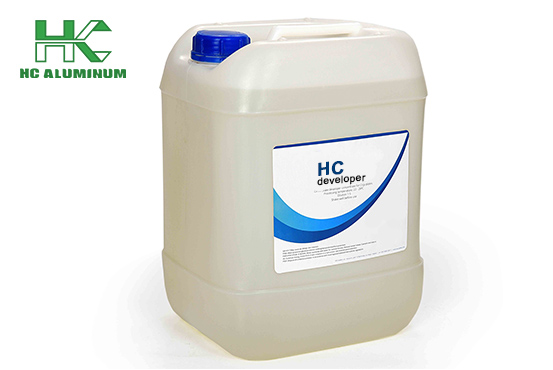
| Development or processing route | Impacts workflow cost and defect rate | Developer chemistry, replenishment guidance, or process free conditions |
| Run length guidance | Links plate choice to commercial job needs | Typical run length range under stated press conditions |
| Packaging spec | Prevents edge damage and moisture pickup | Interleaving, corner protection, moisture barrier, pallet plan |
Practical tip for sourcing teams: request a retained reference sample from each lot, labeled with manufacturing date and lot ID. This simplifies investigation if a pressroom reports coating defects or base scratches later.
Aluminum substrate checkpoints that reduce dispute risk
The aluminum substrate is usually the largest component by weight and cost, and it is also where disputes happen most often. The following checkpoints help align expectations without overloading the contract.
Flatness and residual stress: ask how flatness is controlled and how sheets are leveled. Residual stress can show up as curl or poor feeding.
Surface cleanliness: contamination can cause coating voids or pinholes. Ask about cleaning steps and cleanliness inspection.
Edge quality: burrs and edge dents lead to handling injuries and press mounting issues. Specify acceptable edge condition and protection.
Traceability: require lot level traceability for base aluminum and coated plate production.
If you maintain internal specs for aluminum materials, map them to plate requirements rather than applying generic tolerances. Plate-grade needs may be stricter on surface and flatness.
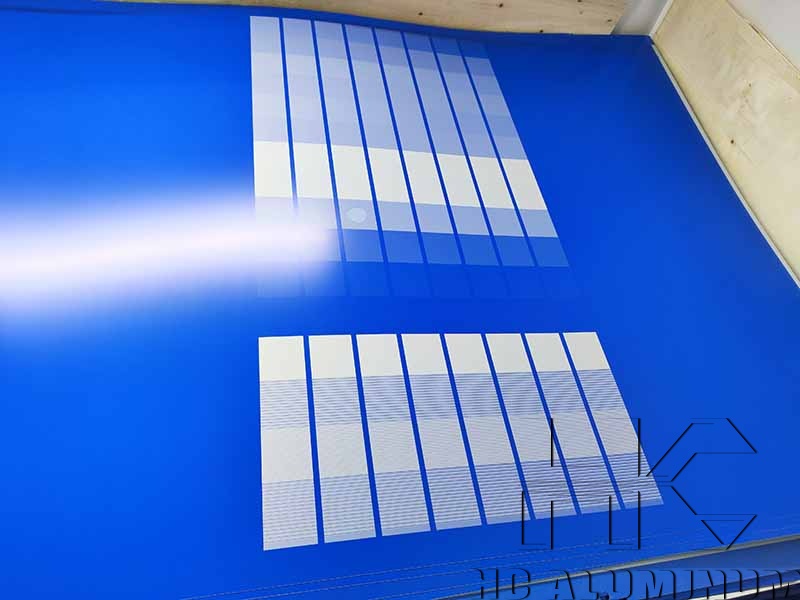
Quality control, incoming inspection, and storage for bulk shipments
Large-volume shipments can look perfect externally while carrying hidden risks like moisture ingress or abrasion from vibration. A simple incoming inspection plan can prevent costly press downtime.
| Inspection step | How to do it fast | Typical issue it catches |
|---|---|---|
| Check pallet integrity and corner protection | Visual check before unwrapping | Transit damage, edge dents |
| Verify labels and lot IDs | Match PO, lot, and quantity | Traceability gaps |
| Sample surface inspection under good light | Inspect multiple sheets from different layers | Scratches, coating streaks, pinholes |
| Measure thickness on sampled plates | Use calibrated micrometer, record results | Gauge drift, mixed lots |
| Confirm packaging dryness | Check desiccant, humidity indicators if present | Moisture related coating defects |
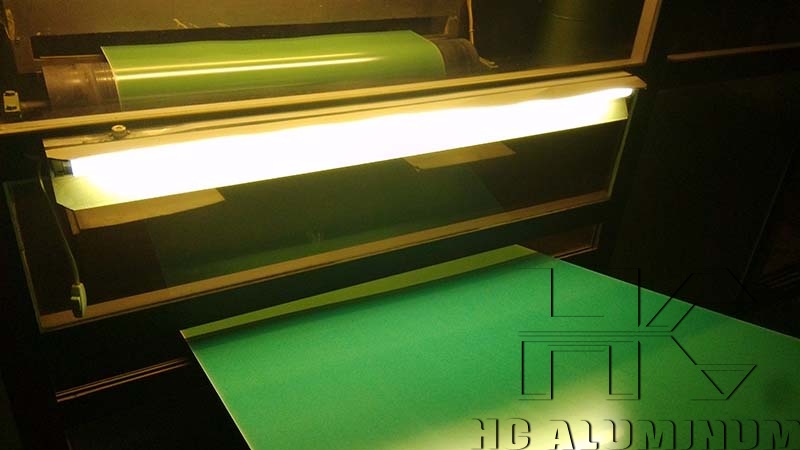
Storage and handling guidance should be consistent with the plate datasheet. In general, keep cartons sealed until use, store in a stable environment, and avoid exposing plates to strong light sources outside recommended safe lighting. Because violet-sensitive coatings can be affected by inappropriate lighting, confirm safe light conditions with the plate manufacturer documentation.
RFQ questions that get actionable answers
When suppliers respond to a quotation request, many will say their product is compatible with common violet imagers. To reduce ambiguity, ask questions that force measurable or documentable answers:
Which imagers and workflows have been validated, and what are the exposure settings range.
What is the base aluminum source control process and what traceability is available.
What are the packaging vibration and moisture protections for long-distance shipping.
What is the standard defect policy and how are disputes handled using retained samples.
Can the supplier provide a certificate of conformity that references the agreed inspection items.
If you also purchase aluminum substrate separately for related products, keep terminology consistent. Use the same thickness naming, tolerance format, and inspection method across your documentation to avoid mismatched interpretations.
Selecting the right plate option for your operation
Choosing among different violet imaging plate options is mainly about matching workflow and risk tolerance:
If your priority is operational simplicity, prioritize a plate that is tolerant to exposure variation and handling.
If your priority is high-volume stability, prioritize base consistency, packaging protection, and traceability.
If your priority is total cost control, compare not only unit price but also scrap rate, storage losses, and pressroom downtime risk.
For bulk procurement, treat the product as an engineered system: coating performance, aluminum substrate quality, and logistics protections all contribute to results on press. A supplier that can document their substrate controls and quality checkpoints usually delivers more consistent outcomes over repeated lots.