Wholesale Chemistry Free CTP Plate
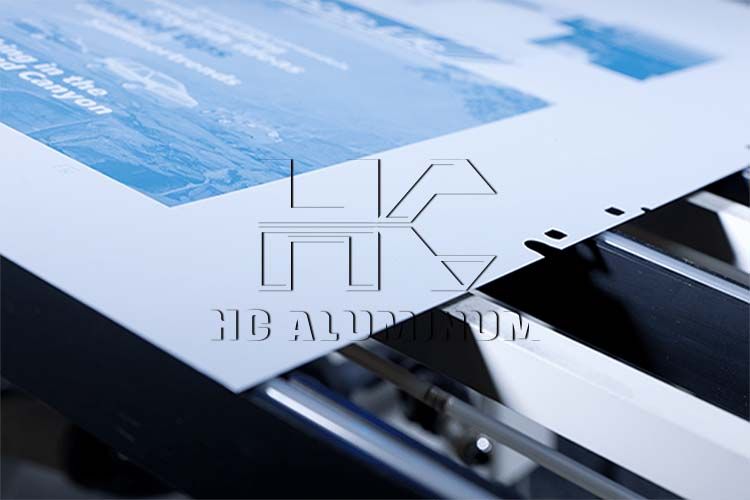
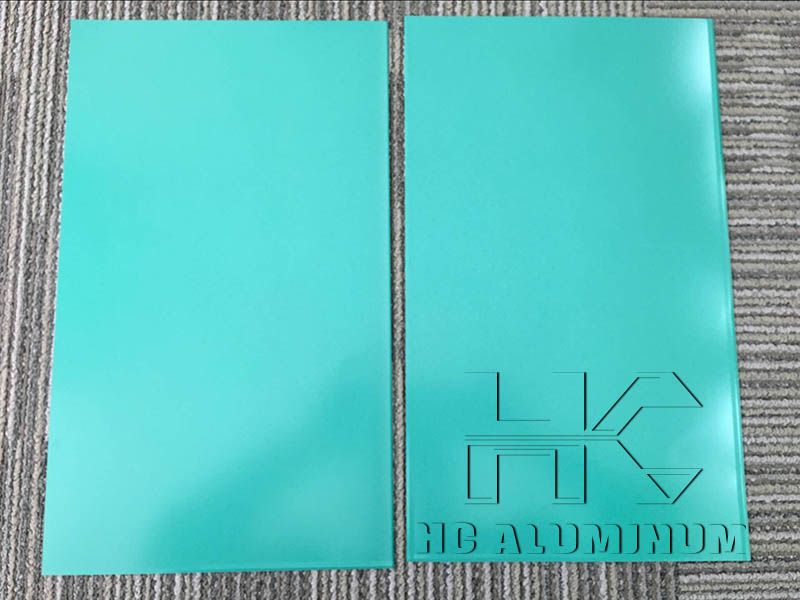
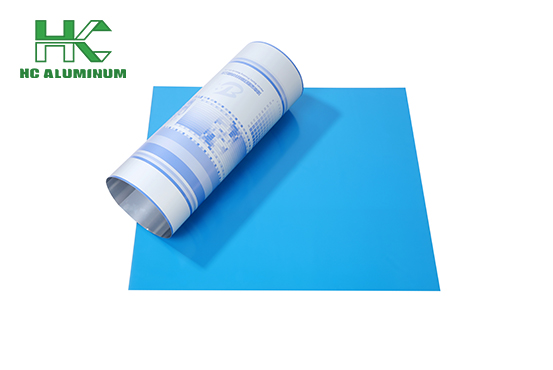
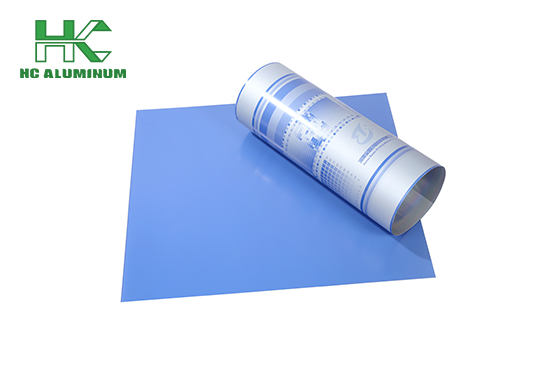
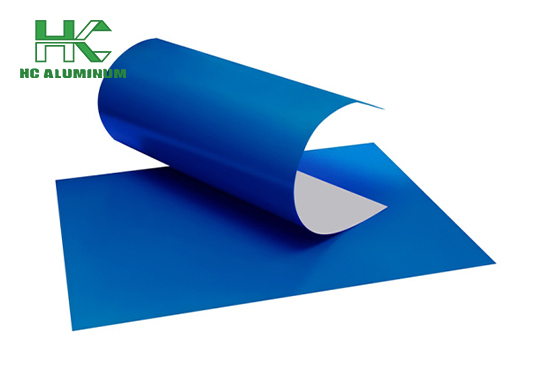
In the wave of green and digital transformation in the printing industry, the chemistry free CTP plate is gradually becoming the market mainstream due to their unique advantages. Compared to traditional CTP plates, they not only simplify the plate-making process but also align with environmental policies and the core needs of enterprises for cost reduction and efficiency improvement.
Key Features
Firstly, they are green and environmentally friendly. Traditional CTP plates require the use of chemical developing solutions during plate-making, generating large amounts of waste liquid containing heavy metals. Treating this waste liquid requires additional investment in equipment and funds and also poses environmental compliance risks.
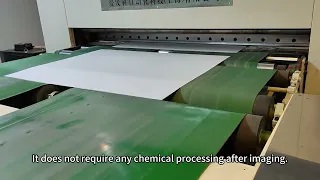
Chemical-free CTP plates, through a combination of special coatings and laser imaging technology, can be directly printed after exposure without any chemical rinsing steps, eliminating chemical waste liquid emissions at the source.
Data shows that a single CTP machine using chemical-free plates can reduce waste liquid emissions by approximately 15 tons and VOC emissions by 3.2 tons annually, fully meeting the emission reduction requirements of the printing industry in the national carbon peaking strategy.
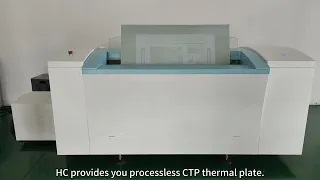
Secondly, they are highly efficient and energy-saving, reducing costs and increasing efficiency. The chemical-free processing eliminates the costs of purchasing, operating, and maintaining a developing machine, while also saving water and electricity consumed during plate making. Taking HC treatment-free CTP plates as an example, their sensitivity reaches up to 120mJ/cm², resulting in faster printing speeds and eliminating the need for developing and drying, significantly shortening the plate-making cycle.
Furthermore, these plates offer fast in-machine development and good tolerance, quickly achieving ink-water balance and reducing paper consumption. Long-term use can significantly reduce the overall operating costs for businesses.
Furthermore, they are easy to operate and highly compatible. Chemical-free CTP plates support bright room operation and can be safely used under fluorescent lighting, eliminating the need for a dedicated darkroom and lowering environmental requirements. They are also compatible with mainstream thermal CTP plate-making machines, allowing businesses to upgrade without replacing existing equipment and easily achieve digital transformation.
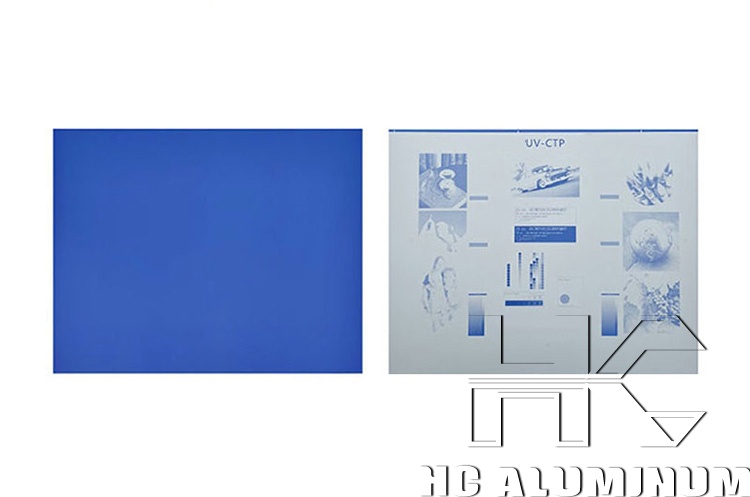
In terms of quality, high-quality pre-treated CTP plates offer high plate contrast, resulting in clear images and text after exposure, with even the smallest details clearly visible. They also exhibit excellent scratch resistance and printing durability, meeting the needs of medium- to long-term printing tasks. For example, heat-set rotary printing can achieve a print run of up to 200,000 sheets.
Main Application Areas
Packaging printing is the core application scenario for pre-treated CTP plates, accounting for 52.3% of the overall market share. Packaging in industries such as food and beverage, pharmaceuticals, and electronics has extremely high requirements for environmental friendliness and printing precision. The absence of chemical residues in pre-treated CTP plates meets FDA certification requirements for food-grade packaging, while their high-precision imaging capabilities clearly present details such as anti-counterfeiting labels and product information on the packaging.
Applications in commercial printing are also increasingly widespread, covering high-end brochures, business printing, and periodicals. High-end business printing has stringent requirements for color reproduction and detail rendering. The high dot gain of pre-treated CTP plates (achieving 1-99%@200lpi) accurately presents rich color gradations, meeting the demands of high-quality printing. For small to medium-volume commercial orders, its efficient plate-making advantage can shorten delivery cycles and improve a company's order responsiveness.
The label printing sector is a growth highlight. Benefiting from the explosive demand for RFID smart tags and anti-counterfeiting traceability tags, the penetration rate of chemical-free CTP boards has rapidly increased from 9.4% in 2019 to 21.7% in 2023. The high-precision laser engraving capability of these boards can achieve resolutions of over 2400 dpi, meeting the printing needs of fine patterns such as micro QR codes. Simultaneously, combined with water-based ink systems, it can reduce drying energy consumption, aligning with the trend of lightweight and environmentally friendly label printing.
Furthermore, in the publishing printing sector, chemical-free CTP boards are also gradually becoming more common in educational publications and on-demand printing scenarios due to their high efficiency and environmental friendliness, especially suitable for small to medium-volume orders of 500-2000 copies.
How to reduce procurement costs?
The core of bulk procurement is to reduce intermediate costs. It is recommended to prioritize direct supply from manufacturers or first-tier distributors. Currently, domestic brands such as Haomei and HC priting support direct purchase through corporate accounts, eliminating middlemen and allowing wholesale CTP plates to enjoy discounts of 10% or more.