What Are Differences of PS Plate Price in Different Regions
In the printing industry's supply chain, PS printing plates, as a crucial consumable bridging upstream and downstream processes, directly impact printing plants' cost accounting and profit margins. Looking at the global market, PS printing plate supply prices vary significantly across different regions.
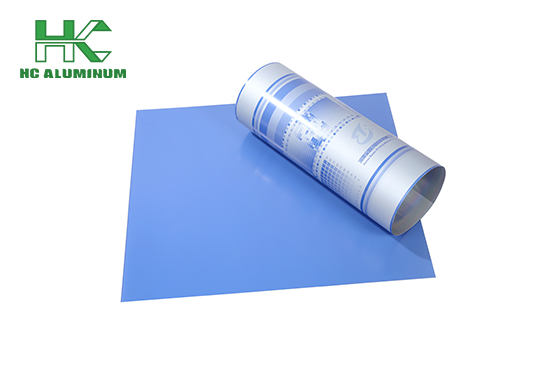
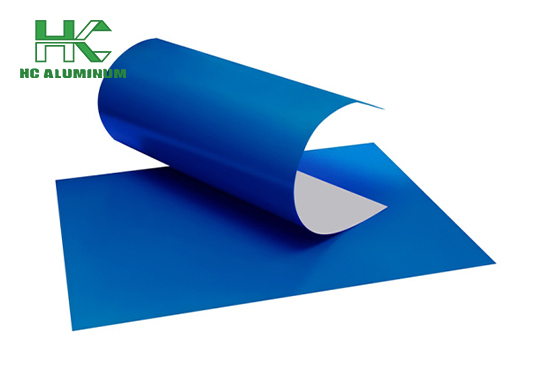
European brands generally maintain a unit price of $12-18, Japanese products follow closely at around $10-15, while Chinese-made PS printing plates average only $5-8. More importantly, behind this low price, the quality of China low price PS plate has already reached parity with international brands, making high cost-effectiveness an undisputed core characteristic.
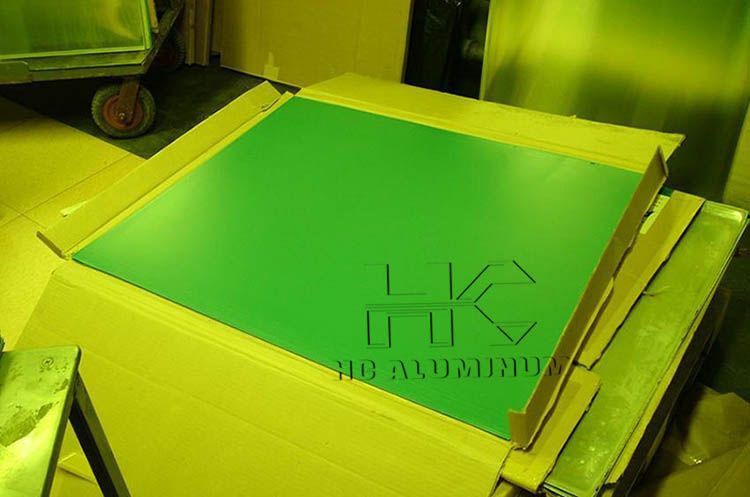
Behind this price difference lies a concentrated reflection of the global industrial chain's division of labor and production advantages. European and Japanese PS printing plate companies started earlier, enjoy significant brand premiums, and face high production costs such as labor and land.
For example, a well-known German brand's factory labor costs are 3-4 times higher than those for the same positions in China, and environmental compliance costs account for more than 15% of total costs, which are naturally passed on to the final product price. Japanese companies, constrained by limited domestic resources, rely on imports for core raw materials such as aluminum substrates, further driving up production costs.
The price advantage of Chinese PS printing plates stems from the collaborative efforts of the entire industry chain and continuous technological breakthroughs. On the raw material side, China is the world's largest producer of electrolytic aluminum, ensuring ample supply of aluminum substrates at prices 10%-20% lower than the international market, thus controlling costs at the source.
In terms of production processes, after nearly two decades of technological iteration, Chinese companies have overcome core technologies such as uniform coating of the photosensitive layer and printing durability, raising the product qualification rate to over 99.5% and ensuring printing durability consistently exceeds 100,000 impressions, fully meeting the needs of commercial printing.
Practical application scenarios further demonstrate the "cost-effectiveness miracle" of Chinese PS printing plates. In the Yangtze River Delta region, a medium-sized packaging printing plant conducted a comparative test: using a Japanese brand of PS printing plates to print 100,000 food packaging boxes, the cost per plate was $12, with total material costs including wastage approximately $2,100; using the same specifications of Chinese-made plates, the cost per plate was $6, with total material costs only about $1,120, and no significant difference in color reproduction and registration accuracy.
In emerging markets such as Africa and Southeast Asia, Chinese PS printing plates have captured over 60% of the market share thanks to their "low price and high quality," helping local small printing plants reduce material costs by 30% and revitalizing the regional printing market.
It's worth noting that the cost-effectiveness of Chinese PS printing plates is not due to "price competition," but rather a natural result of technological advancements and economies of scale. Currently, several domestic companies are involved in setting international industry standards for PS printing plates, and some high-end products are even exported to Europe and Japan, breaking the monopoly of overseas brands.
In the current global printing industry's shift towards "cost reduction and efficiency improvement," Chinese PS printing plates not only reduce the burden on domestic printing plants but have also become an indispensable "cost optimizer" in the global printing supply chain. If you are looking for the wholesale PS printing plate, welcome to contact us directly.
Cost Of Process-Free Printing Plates Vs Regular Plates
What Is The Printing Process of Computer To Conventional Plate