Thermal 830nm CTP Plates Process Processless
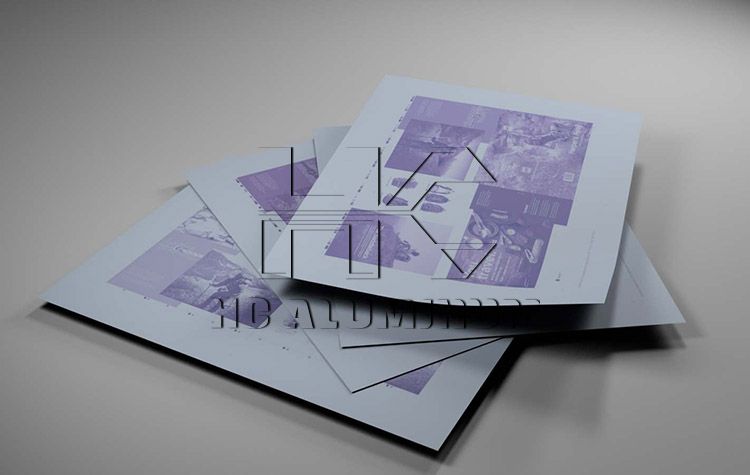
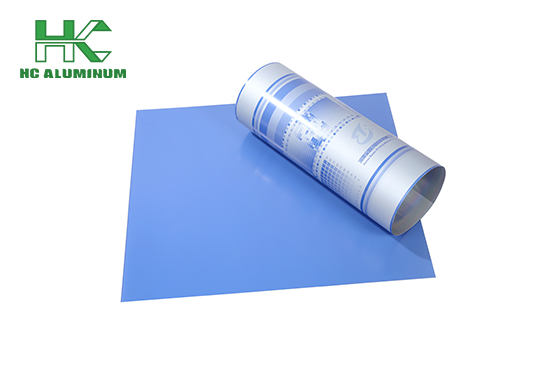
In the CTP printing field, the 830nm digital thermal plate has become the mainstream choice for high-precision applications such as cigarette packaging, wine labels, and commercial printing due to their accurate dot reproduction and wide adaptability. The choice between "processing-free" and traditional CTP plates directly impacts printing efficiency, environmental costs, and product quality.
Whether processing-free or not, the core principle of 830nm thermal plates is to use 830nm infrared laser imaging to separate image and non-image areas using thermal energy. However, the two differ significantly in production processes, environmental friendliness, and applicable scenarios, especially impacting cost control for small and medium-sized printing plants.
830nm Thermal Plates
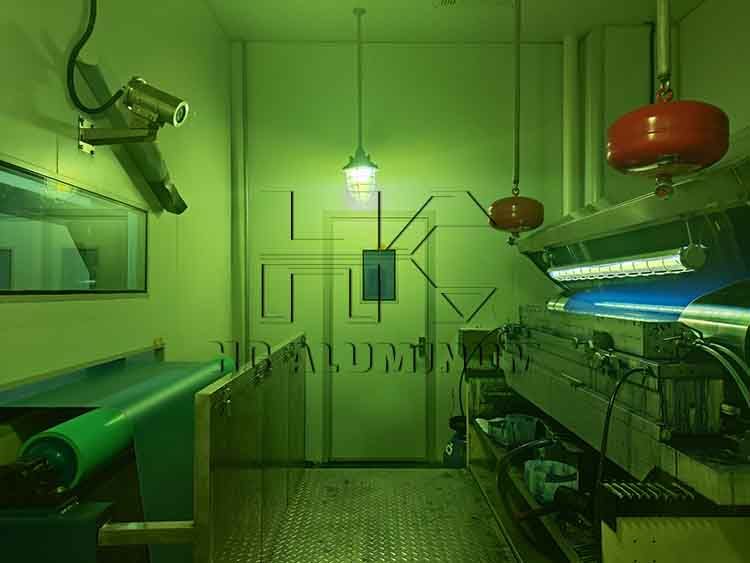
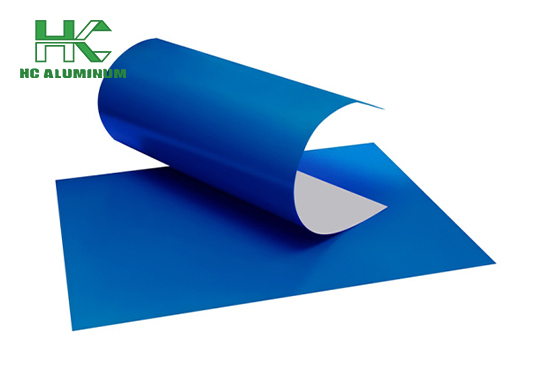
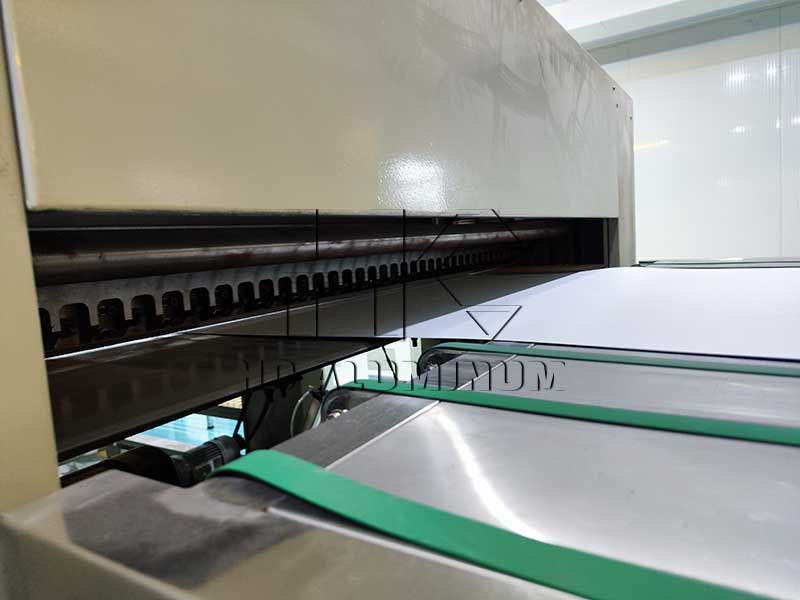
830nm thermal plates are currently the most widely used traditional type. After imaging, they require developing, washing, and drying processes before entering the printing stage. Its core advantages are "high tolerance for error and strong adaptability," enabling it to handle challenging printing scenarios, such as batch orders requiring long printing times and rich color gradations, or special printing needs using UV inks. After proper development, it produces sharp dot edges and excellent print durability, achieving high print runs even without plate baking.
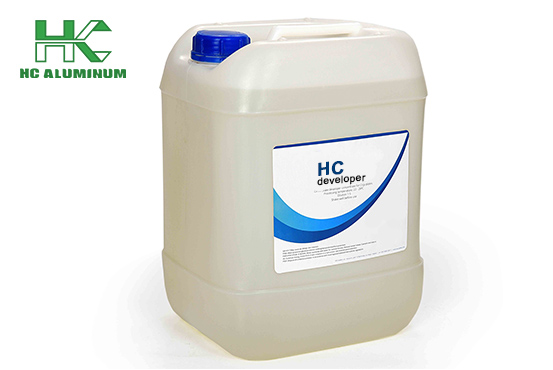
However, its shortcomings are also apparent: the development process increases manpower and equipment investment, and the purchase of developer and waste disposal incur additional costs. Furthermore, waste discharge must meet environmental standards, placing a slightly greater operational burden on small printing plants.
Processless thermal CTP plate
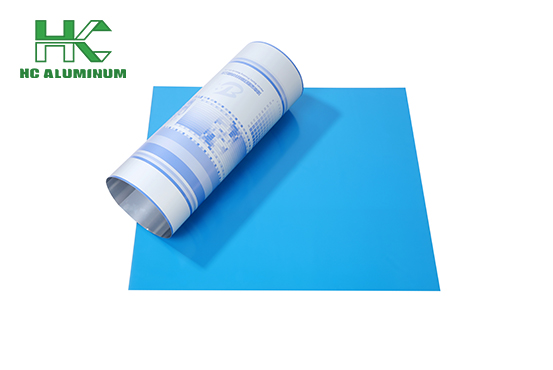
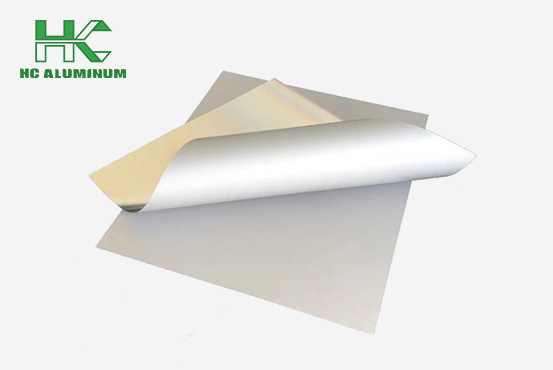
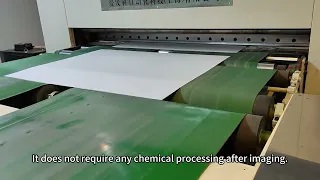
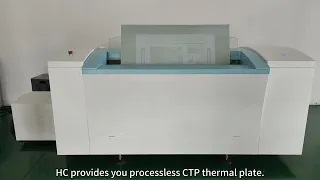
The key highlight of the treatment-free 830nm thermal plate is that it eliminates the cumbersome processes of development and rinsing, allowing direct printing after laser imaging. Its principle is based on a special coating formula that keeps the image areas oleophilic and the non-image areas hydrophilic, achieving ink-water balance without the need for chemical developers.
This type of printing plate perfectly aligns with current "green printing" policy requirements, featuring zero waste liquid discharge and low VOC release. It eliminates the need for developing equipment purchase and maintenance costs, shortens plate-making cycles, and significantly improves production efficiency.
However, the no-treatment printing plate places extremely high demands on plate quality: the stability of the coating and the separation effect of hydrophilic and oleophilic properties directly determine whether printing will encounter problems such as dirty plates and dot loss. If the plate quality is substandard, it will actually increase the scrap rate, resulting in more losses than gains. This is the core reason why many printing plants are hesitant to try the process free CTP plates.
The Key to Choosing the Right Printing Plate
Whether no-treatment or not, "stable quality" is the core demand of printing plants—in batch printing, even a few quality issues with a few plates can lead to the rework of the entire order, resulting in significant losses. HC Printing's 830nm thermal plates, whether no-treatment or not, prioritize "stable quality," perfectly solving this industry pain point.
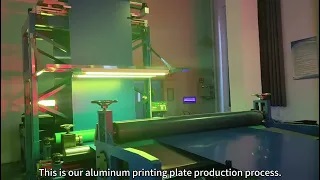
HC Printing rigorously controls every detail in the thermal CTP plate production: using high-quality aluminum bases from well-known companies, and subjecting them to multiple treatments including electrochemical sandblasting and anodizing to ensure plate flatness and wear resistance; the coating uses imported raw materials combined with a self-developed formula, resulting in a no-treatment version that achieves stable hydrophilic-oleophilic separation, ensuring no dirty plates on the press, accurate dot reproduction, and clear rendering of microdots from 1-99%.
The non-treatment printing plates has a wider development tolerance, compatible with mainstream developers on the market, maintaining stable quality even with fluctuations in developer concentration, and achieving a printing durability of 200,000-500,000 impressions.
Simultaneously, HC Printing has introduced an intelligent production monitoring system that monitors more than 50 parameters in real time during the production process, ensuring that the thickness, sensitivity, resolution, and other indicators of each batch and each plate remain consistent, with no batch-to-batch differences.
Whether for mass printing or small-batch customization, HC Printing's 830nm thermal plates deliver stable output, avoiding rework losses due to plate issues, making printing plants more worry-free and confident.
In addition, the HC Printing 830nm thermal plate has excellent adaptability, compatible with mainstream thermal CTP plate-making machines such as Kodak, Agfa, and Heidelberg, allowing for direct use without adjusting equipment parameters. It also offers flexible storage conditions, maintaining a shelf life of up to 18 months in environments of 10-25℃ and 40%-60% humidity, requiring no special storage equipment and reducing operating costs.
Try Before You Buy: HC Sample Order Trial
Many printing plants struggle with the choice between processing-free and traditional CTP plates, with concerns about purchasing the wrong type or ensuring the quality doesn't meet their production needs, leading to irreversible costs.
To address this pain point, HC Printing offers a "sample order trial" service, eliminating all your concerns—whether you want to try the high efficiency and environmental friendliness of the processing-free model or continue with the more reliable common thermal CTP plate, you can apply for a sample order to personally test the quality and compatibility of the HC 830nm thermal plate.
HC Printing's sample trial service is convenient and user-friendly throughout: samples are provided free of charge; you only need to pay a small shipping fee. After receiving the samples, you can test them on your machine to assess key indicators such as printing effect, print durability, and compatibility, based on your production scenario.
If the samples do not meet your needs, you can communicate with us at any time for adjustments without incurring any losses. We firmly believe that only through hands-on testing can you experience the stable quality of HC thermal plates and choose the most suitable model for your needs.