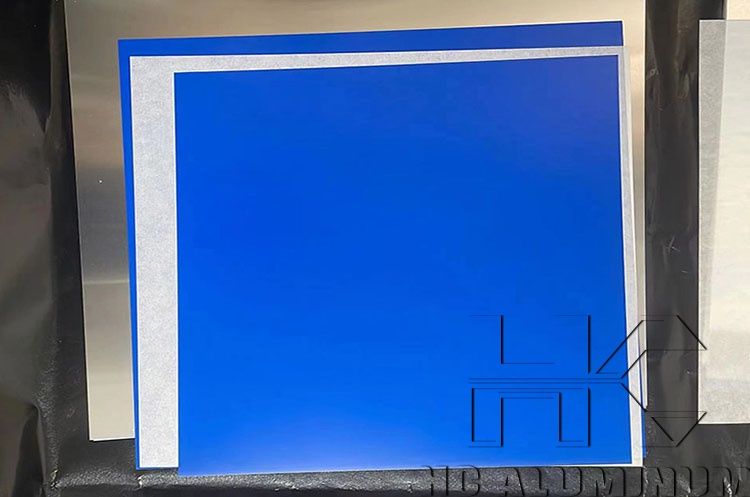
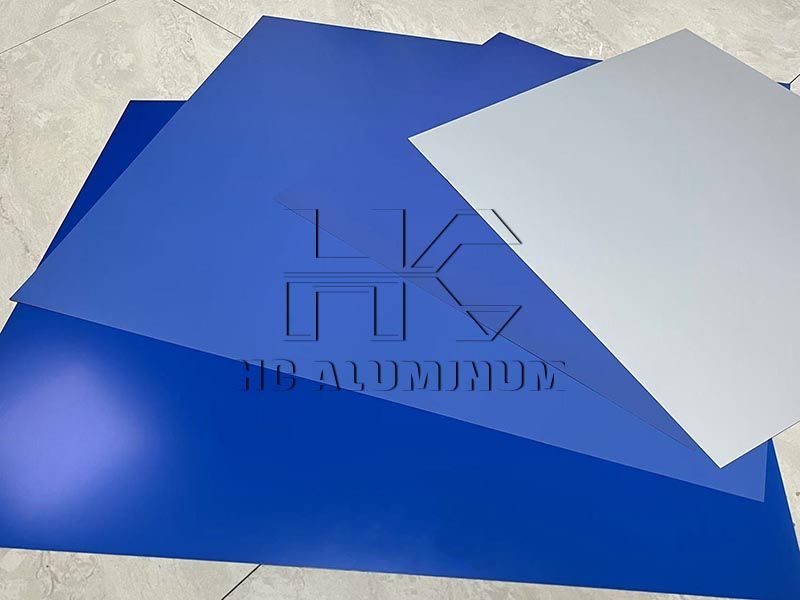
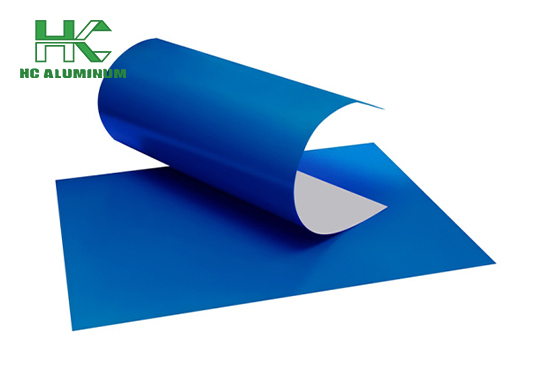
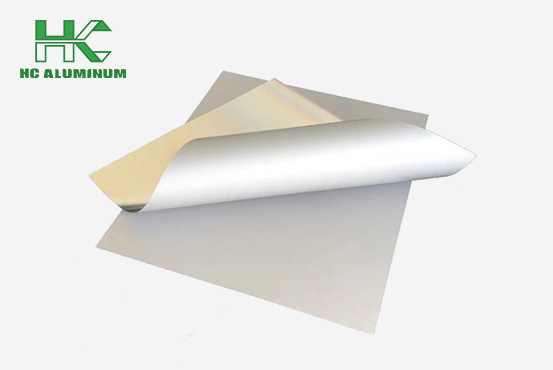
Offset PS Plate
Holiday campaigns create compressed production windows. Black Friday promotions, Christmas catalogues, New Year packaging, and retail inserts often require artwork approval, plate imaging, proofing, and press startup within days.
For printers and material sourcing teams, the main risk is not simply receiving aluminum plates on time. It is receiving a plate that images consistently with the existing prepress workflow. A positive-working PS plate is designed so exposed areas are removed during development, leaving image areas to accept ink. That process makes coating consistency, storage condition, and processor compatibility central to holiday deadline control.
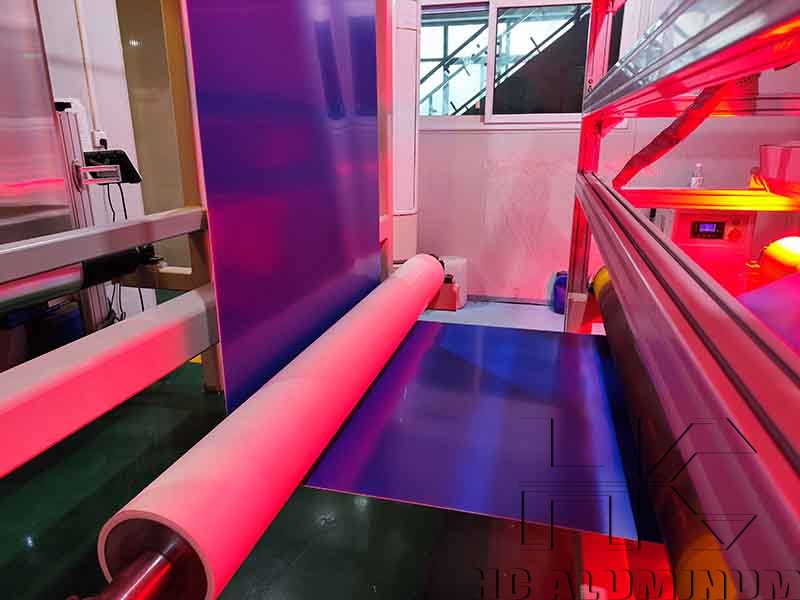
Set the Plate Specification Before the Holiday Rush
A conventional pre-sensitized plate is not interchangeable solely because its dimensions match. Confirm the imaging and processing route before placing a production order. Positive PS products are generally intended for UV exposure and chemical development, but exact exposure energy, developer concentration, temperature, replenishment rate, and finishing requirements depend on the supplier's technical data sheet and the processor in use.
Use the following specification checklist in the purchase request.
| Item to confirm | Why it matters during holiday work | What to record |
|---|---|---|
| Plate type | Prevents a mismatch between positive and negative workflows | Positive-working conventional PS plate |
| Aluminum gauge | Supports press fit, handling, and run stability | Required thickness and tolerance from press requirement |
| Sheet size or coil width | Reduces trimming delays and waste | Finished size, grain direction, and packing count |
| Spectral sensitivity | Must match the exposure unit | UV light source and supplier exposure recommendation |
| Developer compatibility | Avoids weak image areas or incomplete development | Developer brand, chemistry type, and operating range |
| Resolution requirement | Protects fine text, barcodes, and screen detail | Minimum line work and screen ruling used in production |
| Storage date and conditions | Coatings can be affected by heat, humidity, and light | Manufacturing date, shelf-life statement, storage method |
ISO 12647-2:2013 defines process control parameters for offset lithographic printing, including proof and production-print control. It does not prescribe one plate brand or plate chemistry. However, it reinforces a practical requirement for seasonal printing: use controlled, documented variables rather than changing plate, developer, and exposure settings at the same time.
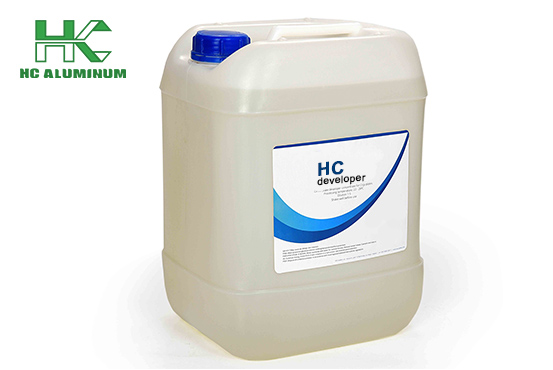
When comparing conventional products, request the technical data sheet and safety data sheet. The SDS is especially important for developer and processor operations, because local workplace and chemical-handling requirements may apply. In the United States, OSHA's Hazard Communication Standard requires safety data sheets for hazardous chemicals in the workplace. In the EU, REACH and CLP obligations may affect chemical labeling and documentation.
Build a Holiday-Ready Plate Offer Around Process Compatibility
A workable holiday solution combines product availability with a verification step before the main production release. Do not rely on a generic claim such as "high sensitivity" without asking how sensitivity was measured and under which exposure system.
Start with a representative sample or a controlled first shipment. Run it using the normal exposure frame, developer, gum, and press settings. Record the measurements that matter to the work being printed.
Expose a control wedge or standard test form.
Develop using the normal processor settings, without compensating for the new plate first.
Check solid-image retention, fine line reproduction, non-image cleanup, and scumming resistance.
Mount the plate and inspect startup sheets for toning, weak solids, dot loss, or background contamination.
Approve the documented settings before releasing plates for time-sensitive campaign work.
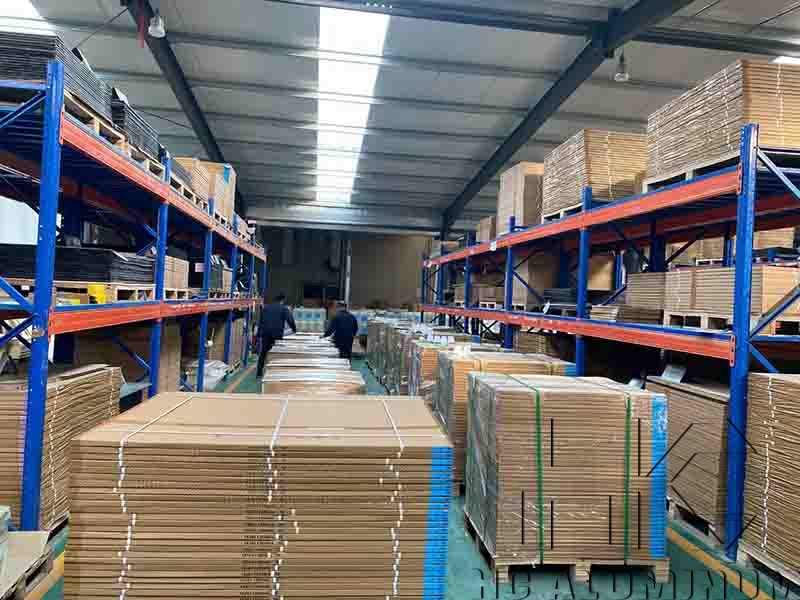
For teams sourcing aluminum-based printing materials, the plate substrate deserves attention as well. Aluminum grain and anodic treatment influence water retention and coating adhesion, but performance should be assessed through the finished plate's stated process conditions, not assumed from substrate appearance alone. A supplier should be able to identify plate grade, thickness, dimensions, coating side, packing method, and recommended storage conditions.
Specify protective interleaving and moisture-resistant outer packing for shipments that may sit in holiday freight terminals. Plates should remain sealed until use and be kept away from direct sunlight, excessive heat, and high humidity. Follow the supplier's storage instructions where they differ from general practice.
The product range on the positive PS plate page can help teams align plate format with conventional offset workflows. For a quotation that supports operational comparison, submit the same production data to every supplier rather than requesting a price from dimensions alone.
| Quote input | Effect on the commercial offer |
|---|---|
| Quantity and shipment schedule | Determines packing configuration, production allocation, and freight planning |
| Plate size, thickness, and grain direction | Defines material yield and conversion requirements |
| Required delivery date | Identifies whether standard production timing is feasible |
| Port or delivery location | Separates product pricing from transport and destination charges |
| Exposure and developer details | Allows confirmation of technical suitability before shipment |
| Documentation required | Clarifies technical data sheet, SDS, certificate, or inspection expectations |
Use a Calendar-Based Release Plan for Seasonal Campaigns
Holiday printing should be scheduled backward from the press date, not from the desired delivery date. Include time for incoming inspection, acclimatization after transport, imaging trials, and approval of the first press sheets.
For Black Friday and Christmas campaigns, lock technical specifications before the artwork peak. Reserve the later period for repeat releases of approved plate formats. For Lunar New Year projects, account for factory closures and constrained freight capacity in relevant manufacturing and shipping regions. The exact closure dates vary by country and year, so confirm them with logistics providers and production sites rather than applying a fixed calendar assumption.
Use this release checklist for each seasonal job:
Confirm the press date, proof date, and artwork-lock date.
Match the positive plate to the installed exposure and development process.
Verify plate dimensions, gauge, grain direction, and coating orientation on the purchase order.
Require lot identification on packing documents for traceability.
Inspect outer packaging for moisture damage before accepting the shipment.
Retain a small number of approved plates from the same lot as contingency stock.
Keep processor settings and first-run observations with the job record.
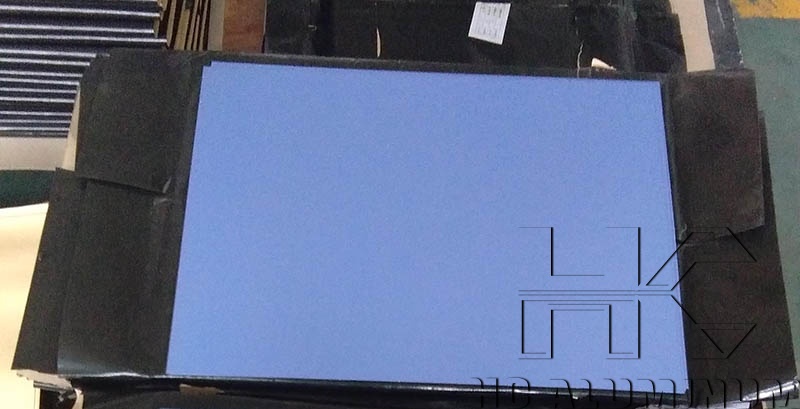
Price comparisons should separate plate cost from freight, insurance, duties, taxes, packing, and chemical support. A lower unit figure may not reduce total production risk if the quoted product has not been verified with the installed processor. Review PS plate options against the approved process record, then issue repeat orders using the same documented specification.
Different Requirements For CTP Printing Plates in Long-Run and Short-Run Printing