Ps Plates
Current PS Plates Questions from Offset Printing Discussions
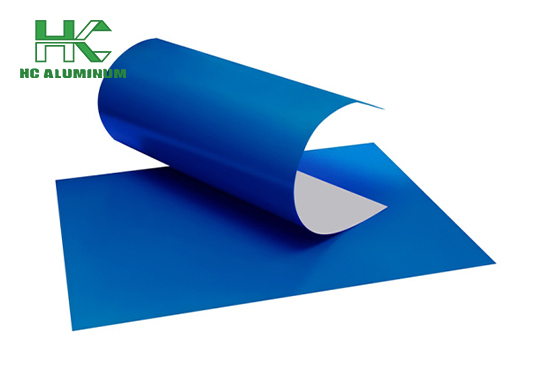
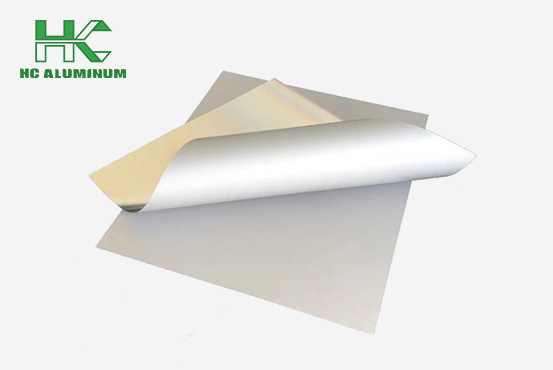
PS plates remain a frequent topic among offset printers evaluating conventional plate-making workflows, operating costs, and image quality. A PS plate is a pre-sensitized aluminum printing plate that is exposed through film, developed, and mounted on an offset press. While CTP technology has expanded rapidly, many print operations still use PS plates because their existing exposure units, film workflows, and press settings are already established.
The five questions below reflect recurring English-language searches and Q&A discussions from the past 90 days. They focus on practical concerns that arise before selecting a plate specification or changing a plate supplier.
| Question | What printers are trying to determine | Practical focus |
|---|---|---|
| Are PS plates still worth using? | Whether conventional platemaking remains economical | Existing equipment and job volume |
| How do I choose a positive PS plate? | Whether the plate matches press and ink conditions | Resolution, run length, and developer |
| Why do PS plates lose dots? | What causes weak or plugged image areas | Exposure and processing control |
| How should PS plates be stored? | How to prevent premature sensitivity changes | Temperature, humidity, and handling |
| Why do PS plate prices vary? | Whether lower pricing affects production stability | Aluminum base, coating, and consistency |
1. Are PS Plates Still Worth Using Instead of CTP Plates?
Yes, PS plates can still be a sensible choice when a print operation already has a reliable conventional exposure unit, film output process, and trained plate-room staff. The initial equipment cost is often lower than moving to a complete CTP workflow, particularly for smaller commercial print volumes or facilities producing repeat jobs from archived film.
The decision should not be based only on plate price. Conventional processing includes film, exposure time, developer control, washing, gumming, and labor. CTP plates can reduce some of these steps, but a change may also require new equipment, RIP adjustments, operator training, and different maintenance routines.
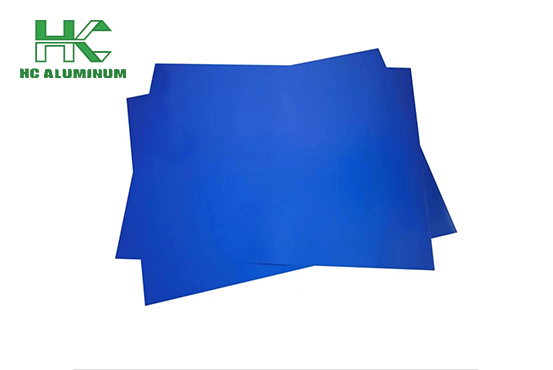
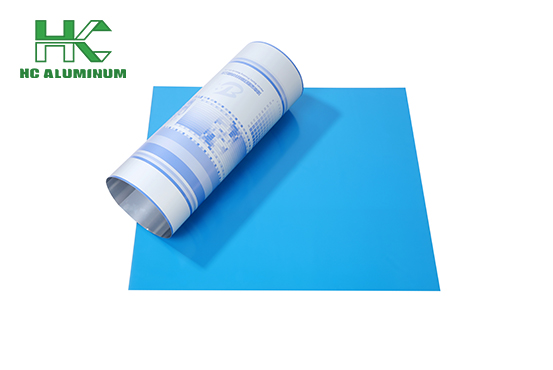
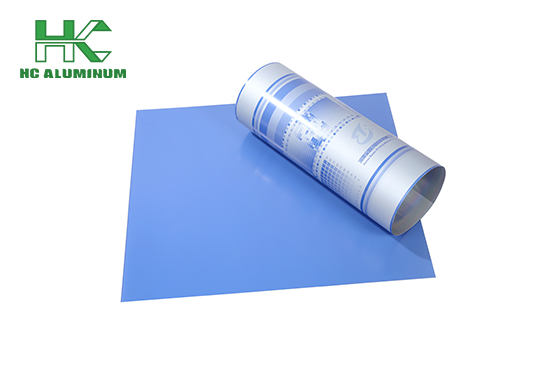
For operations that continue to make plates from film, a consistent PS Plate can provide clean image reproduction and dependable press performance. Ask for production samples that match your typical work, such as text-heavy jobs, halftone images, solids, and long-run packaging work. A plate that performs well on a short proof run may not behave the same way during extended production.
2. How Do I Choose the Right Positive PS Plate for My Offset Press?
Start with the press, ink system, fountain solution, and expected run length. Positive PS plates are commonly selected for commercial offset work because exposed areas become soluble during development while the image area remains on the plate. However, coating weight, anodized aluminum treatment, grain structure, and image sensitivity can differ between manufacturers.
When specifying a PS Plate, provide the plate dimensions, gauge, press model, developer type, exposure source, and target run length. These details help prevent a mismatch between plate chemistry and the production environment.
A suitable plate should deliver sharp 1 percent to 99 percent tonal reproduction under controlled exposure, resist scumming in non-image areas, and maintain image density after processing. For higher-volume work, assess resistance to abrasion, blanket pressure, alcohol-substitute fountain solutions, and cleaning chemicals. If a plate is intended for UV ink or special applications, confirm chemical resistance before production rather than assuming a standard plate will tolerate those conditions.
3. Why Are Fine Dots Disappearing or Filling In on My PS Plates?
This is one of the most common PS plate troubleshooting questions. Lost highlight dots usually indicate insufficient exposure, overly aggressive development, exhausted developer, or an exposure vacuum problem. Filled-in shadow dots may result from excessive exposure, weak development action, dirty processing rollers, or incorrect replenishment settings.
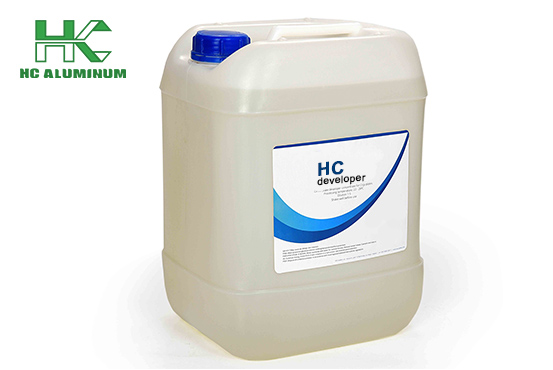
Before changing plate brands, check the full imaging sequence. Confirm film density and contact, inspect the exposure frame glass, verify vacuum pressure, and measure exposure with a calibrated test target. Next, examine developer temperature, conductivity or replenishment condition, dwell time, and brush or roller cleanliness.
Plate processing is sensitive to small variations. A plate may appear acceptable at the beginning of a shift but lose detail later as chemistry changes. Recording exposure setting, developer temperature, replenishment level, and test results creates a stable reference for future jobs. This approach is especially useful when switching between plate sizes or running different image coverages.
4. What Is the Best Way to Store PS Plates Before Use?
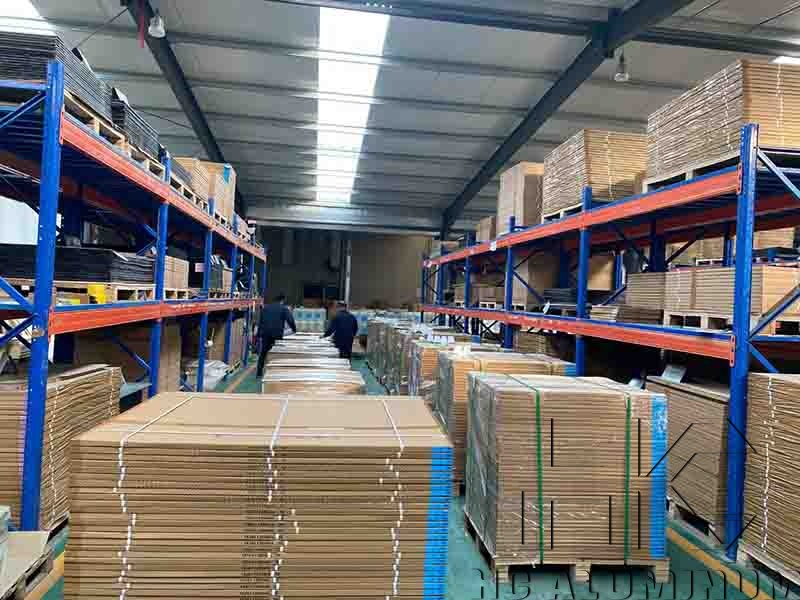
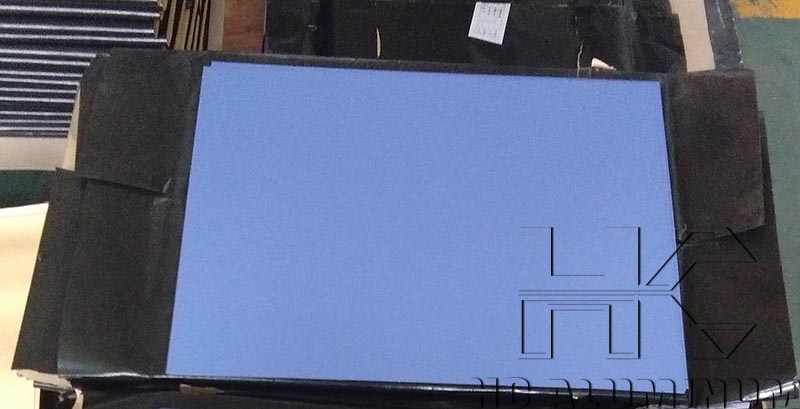
PS plates should be stored in a clean, dry, low-light environment away from direct sunlight, heat sources, and strong fluorescent or UV-rich light. The photosensitive coating can gradually change if it is exposed to unfavorable storage conditions. High humidity may also affect packaging integrity and increase the risk of oxidation or handling marks on the aluminum surface.
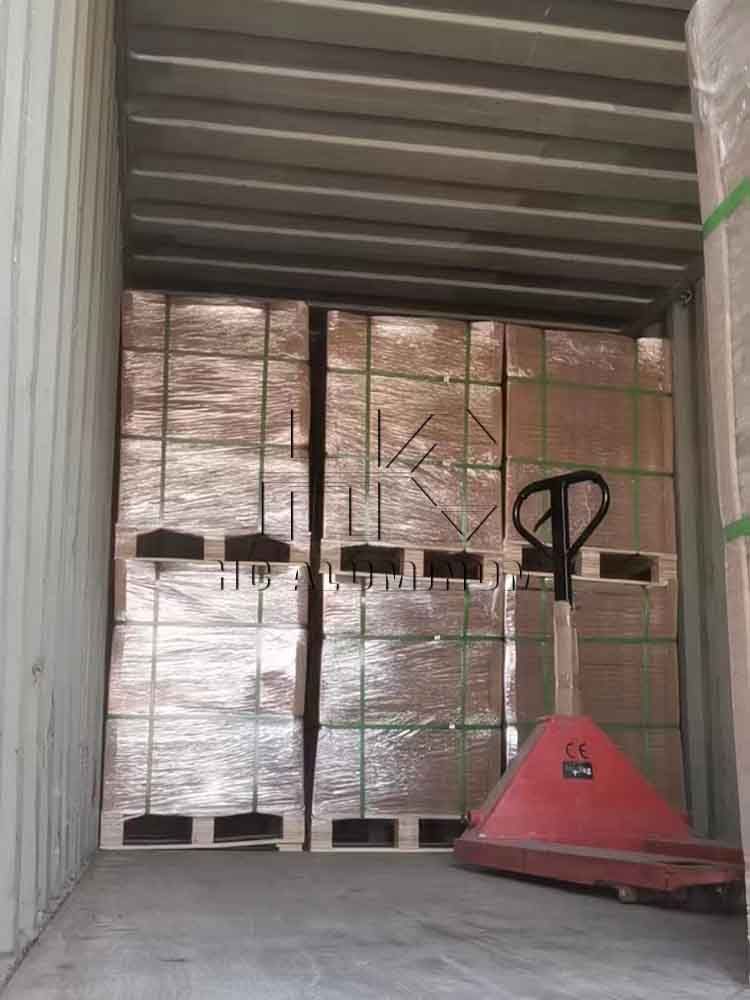
Keep unopened cartons level on a stable pallet or rack and allow plates to acclimatize to the plate room before opening when there is a major temperature difference. This reduces condensation risk. Once packaging is opened, handle plates with clean gloves and avoid touching the coated surface. Fingerprints, dust, scratches, and pressure marks can become visible defects during exposure or on press.
Ask the supplier for the stated storage range and shelf-life date. Inventory should be rotated so earlier production batches are used first. If a plate has been stored for an extended period, run a controlled exposure and development test before using it for time-sensitive production.
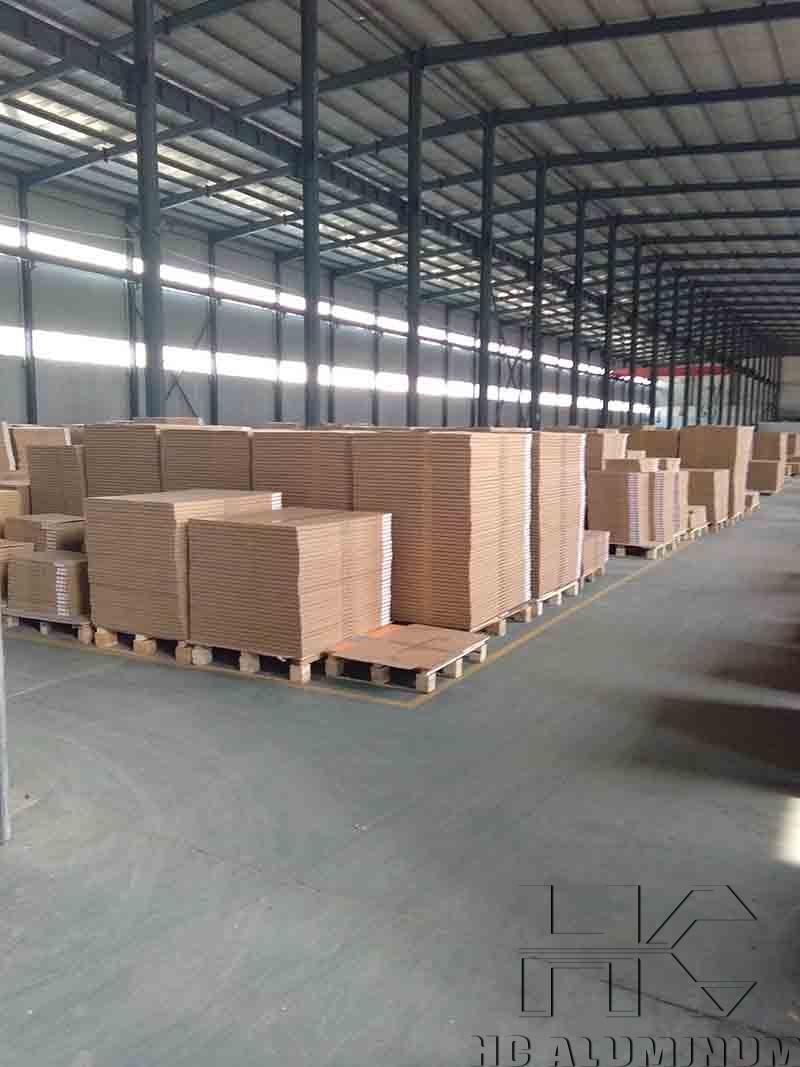
5. Why Do PS Plate Prices Differ So Much Between Suppliers?
PS plate pricing can vary because the finished product combines an aluminum base, electrochemical graining, anodizing, photosensitive coating, cutting accuracy, packaging, and quality inspection. Two plates with the same dimensions may therefore perform differently in exposure latitude, development speed, resolution, run length, and resistance to press chemicals.
Lower pricing is not automatically a problem, but it should prompt production testing. Request information about aluminum gauge tolerance, coating uniformity, recommended developer, processing conditions, shelf life, and batch traceability. Reliable packaging also matters because edge damage, scratches, or light exposure during transport can create avoidable waste.
Compare total operating cost rather than unit cost alone. If a less expensive plate requires repeated exposure adjustments, creates more remake work, or delivers unstable dot reproduction, the apparent saving can disappear quickly. A useful supplier evaluation includes sample plate trials, consistent batch identification, responsive technical support, and documented processing recommendations for your specific press conditions.
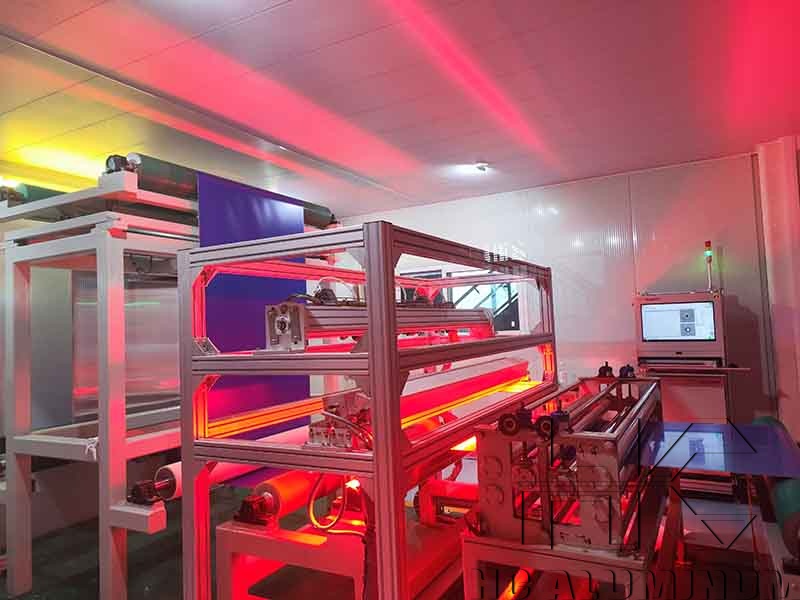
How Do We Ensure Quality And Consistency Of PS And CTP Plate