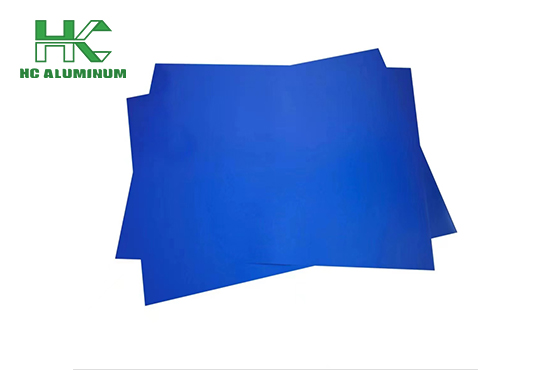
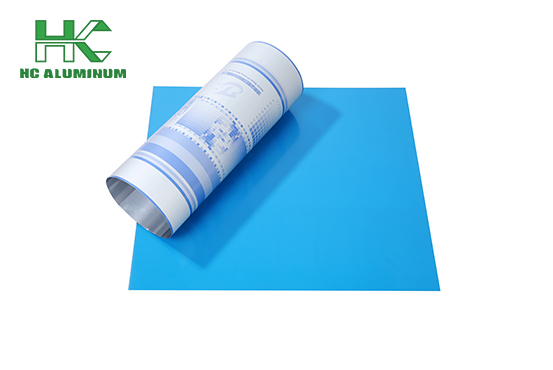
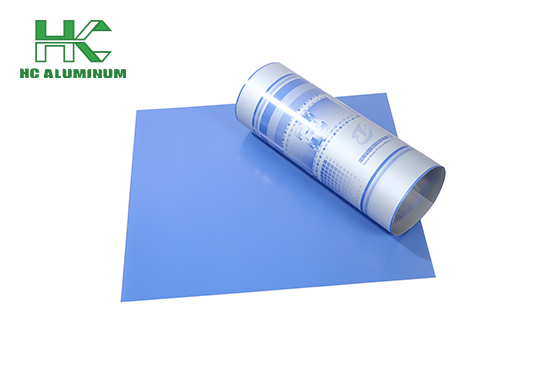
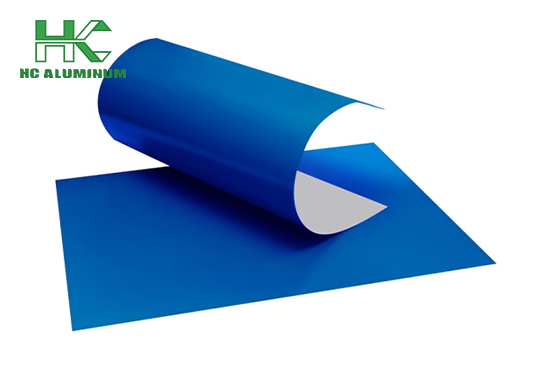
Thermal CTP Printing Plate Double Layer
Holiday catalogs, retail inserts, gift packaging, and year-end direct mail leave little room for plate remakes. For commercial printers and aluminum-based plate distributors, the most urgent seasonal concern is not simply plate availability. It is predictable press performance when schedules are compressed.
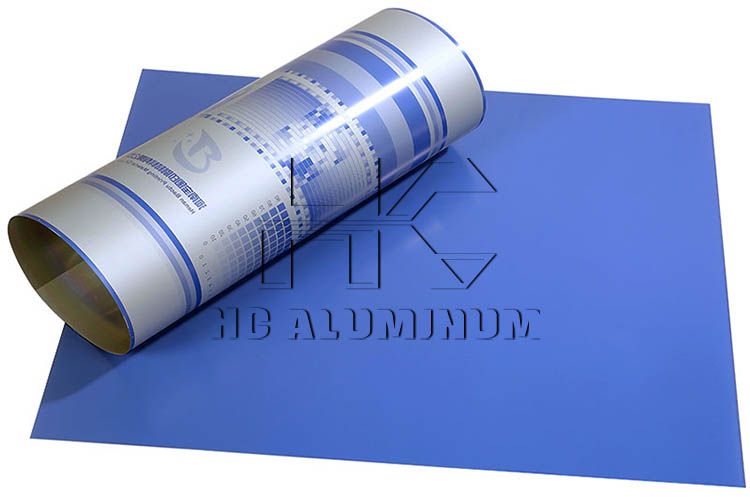
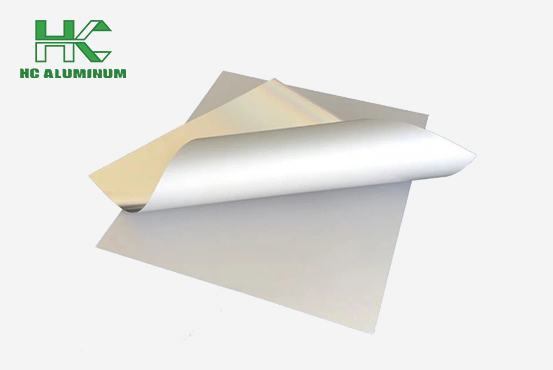
A thermal CTP printing plate double layer is a practical holiday-production solution when the job requires consistent plate imaging, dependable handling, and fewer disruptions across repeat runs. The double-layer structure is designed to support the imaging and printing functions of the plate, but actual run length, chemistry compatibility, and resolution must always be confirmed against the manufacturer's technical data sheet and the press conditions.
Why Stable Plate Performance Matters During Holiday Production
Holiday campaigns often combine multiple SKUs, frequent artwork changes, short approval windows, and tight delivery appointments. A plate that performs inconsistently can create costly interruptions: re-imaging, press wash-ups, missed truck loading times, and waste in paper, ink, and labor.
The central benefit to assess is process stability. A double-layer thermal plate can help support a controlled workflow when it is correctly matched to the CTP device, processor or processless workflow, fountain solution, ink system, and press settings.
Use this checklist before committing production capacity:
Verify the CTP laser wavelength and plate sensitivity listed by the plate supplier.
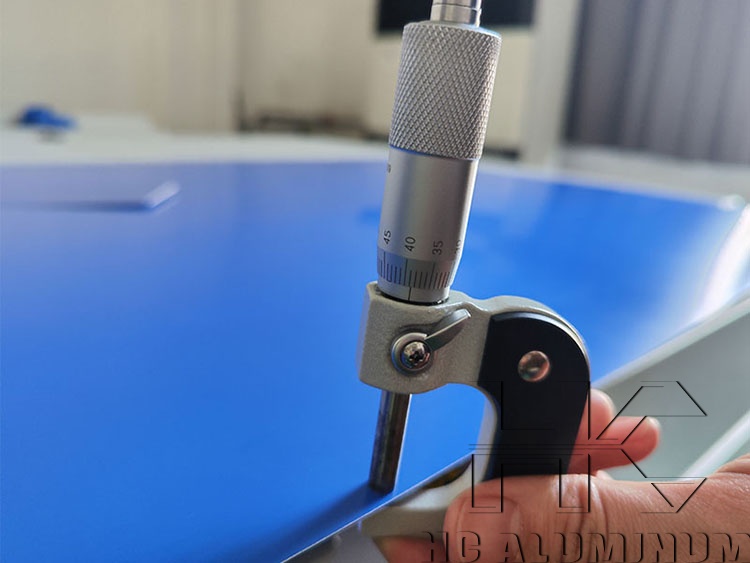
Confirm supported plate gauges, especially if the press has specific clamping or bending requirements.
Ask whether the plate is designed for conventional processing, low-chemistry processing, or processless operation.
Request compatibility evidence for UV ink, conventional ink, or UV press conditions where applicable.
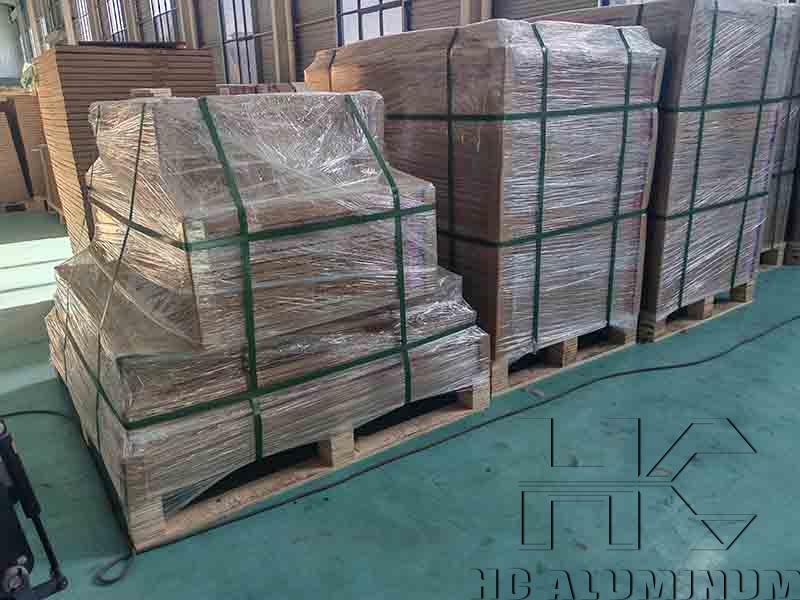
Check storage temperature, humidity range, shelf life, and packaging protection.
Run a controlled trial using the actual screening, ink coverage, substrate, and press chemistry planned for the holiday campaign.
Double-Layer Plate Evaluation: What to Compare
| Evaluation point | Why it affects holiday output | What to request from the supplier |
|---|---|---|
| Imaging consistency | Supports predictable dots and solids across repeated plate sets | Imaging settings and plate exposure recommendations |
| Coating durability | Helps reduce the risk of premature wear during longer runs | Run-length conditions, ink type, and chemistry limitations |
| Gauge tolerance | Affects mounting, register, and press handling | Nominal thickness and applicable tolerance standard |
| Processing workflow | Determines labor, chemistry use, and turnaround time | Processor requirements or processless operating conditions |
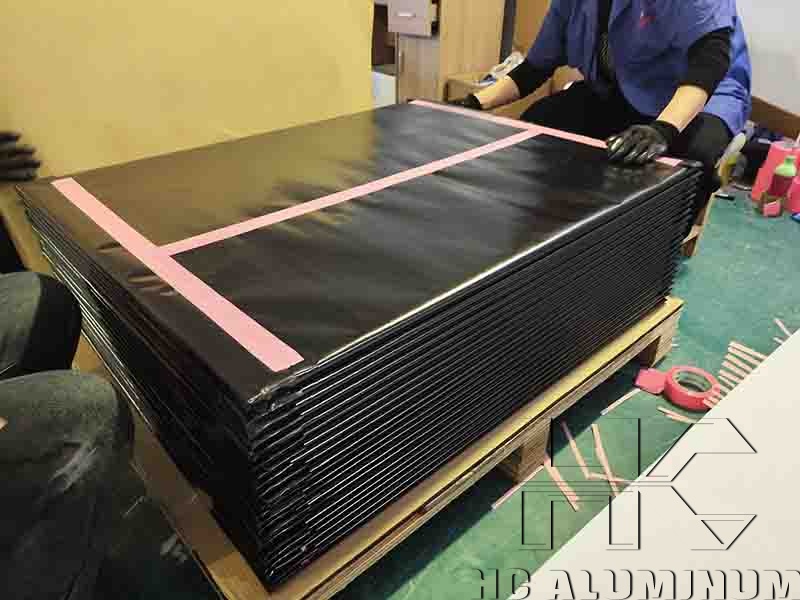
| Packaging format | Protects plate surfaces during warehousing and transport | Sheet count, interleaving, carton protection, pallet method |
| Technical support | Reduces downtime when jobs change quickly | Trial process, response channel, and documentation scope |
Do not compare plate products by nominal thickness alone. Common gauges may be selected according to press format and handling needs, but thickness is only one factor. Coating behavior, substrate flatness, imaging response, and workflow compatibility all influence whether a plate performs reliably on press.
For teams building inventory before Christmas and New Year print demand, Double Layer CTP plate options should be specified by press conditions rather than ordered only by size. Provide the supplier with press model, CTP model, laser configuration, intended ink system, processing method, finished plate dimensions, and expected job mix. This reduces the chance of receiving material that fits physically but does not suit the production workflow.
A Holiday-Ready Ordering and Quality-Control Plan
A seasonal order should protect against both production variability and logistics delays. Start planning before artwork volumes peak, especially where plates must be cut to custom dimensions or packed for export transport.
Step 1: Define the production envelope
Create a one-page specification for each plant or customer location. Include plate size, gauge, grain direction if relevant, CTP equipment, processor setup, press type, ink type, and anticipated run profile. Separate conventional jobs from UV or specialty work rather than assuming one plate specification serves all applications.
Step 2: Request evidence, not assumptions
Ask for a current technical data sheet, safety documentation where applicable, and sample material from the production batch or equivalent grade. If a supplier cites run length, establish the stated test conditions. Published run length can vary substantially with ink abrasiveness, fountain solution, paper dust, image coverage, cleaning practices, and UV exposure.
ISO 12647 is relevant to process control in offset printing, including the management of printing conditions and color reproduction. It does not certify every plate as universally suitable. Use it as a framework for controlled trials, densitometric checks, registration evaluation, and documented press settings.
Step 3: Build acceptance checks into receiving
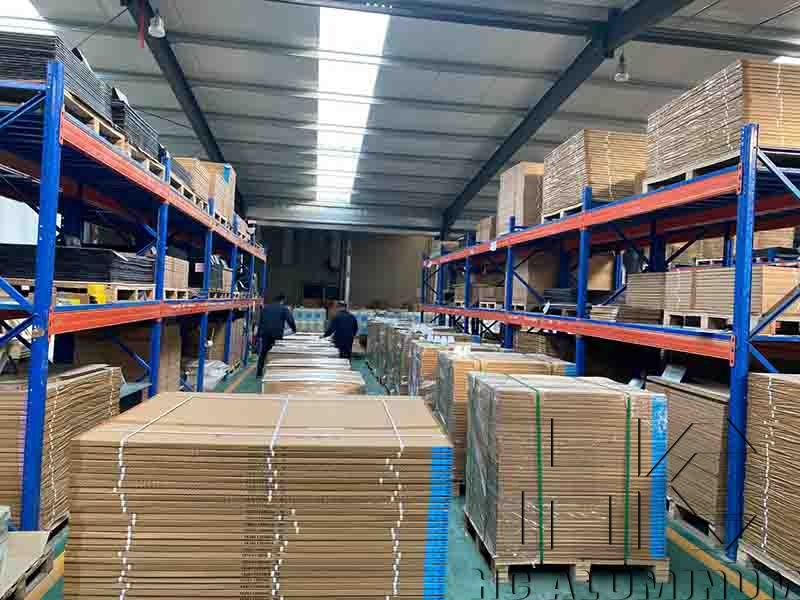
Inspect cartons before moving them into storage. Look for crushed edges, moisture exposure, broken seals, or evidence of temperature extremes in transit. Keep plates sealed until use, allow material to acclimatize according to supplier instructions, and avoid contact with contaminants that could affect coating performance.
| Receiving check | Acceptable control action | Risk avoided |
|---|---|---|
| Carton labels match order | Confirm dimensions, gauge, quantity, and batch reference | Incorrect stock entering production |
| Edges and corners are protected | Inspect sample sheets without scratching the coating | Mounting and handling defects |
| Batch traceability is recorded | Log receiving date and lot details | Faster investigation of quality issues |
| Storage conditions are documented | Follow the supplier's stated limits | Coating or substrate degradation |
Step 4: Schedule a press trial before peak demand
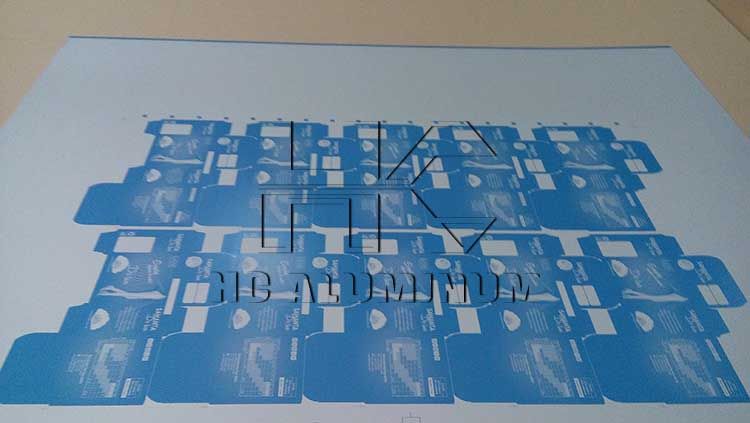
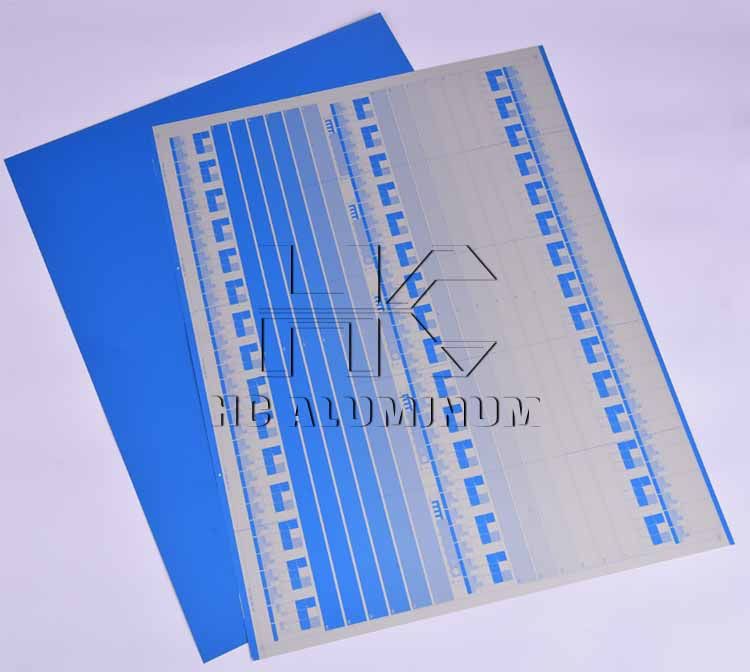
Run the most demanding representative job first: high solid coverage, fine text, screens, and the intended press chemistry. Record plate imaging settings, development conditions where relevant, startup waste, register time, and any plate wear observations. Retain approved settings as the holiday job standard.
For aluminum sheet, strip, coil, foil, and circle distributors serving print-plate converters, consistent substrate supply supports this same objective. Confirm alloy, temper, surface preparation, flatness expectations, coil width, and traceability requirements with the converter. Aluminum substrate quality and coating performance must be treated as one controlled system, not as separate purchasing decisions.
When evaluating a seasonal supply offer, use double-layer CTP stock specifications to confirm whether the product, packaging, and documentation fit the planned holiday workflow. Record the approved technical conditions, reserve realistic safety inventory, and release production only after the plate has passed the agreed imaging and press trial.
Custom-Cut Thermal CTP Plates for Heidelberg, Komori, KBA, Ryobi, and Manroland Presses