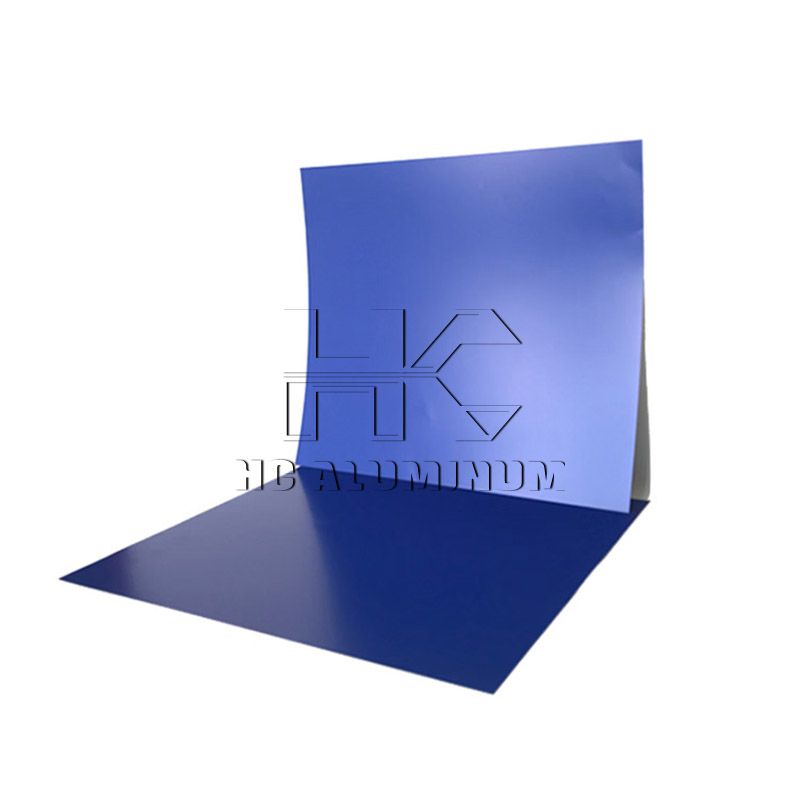
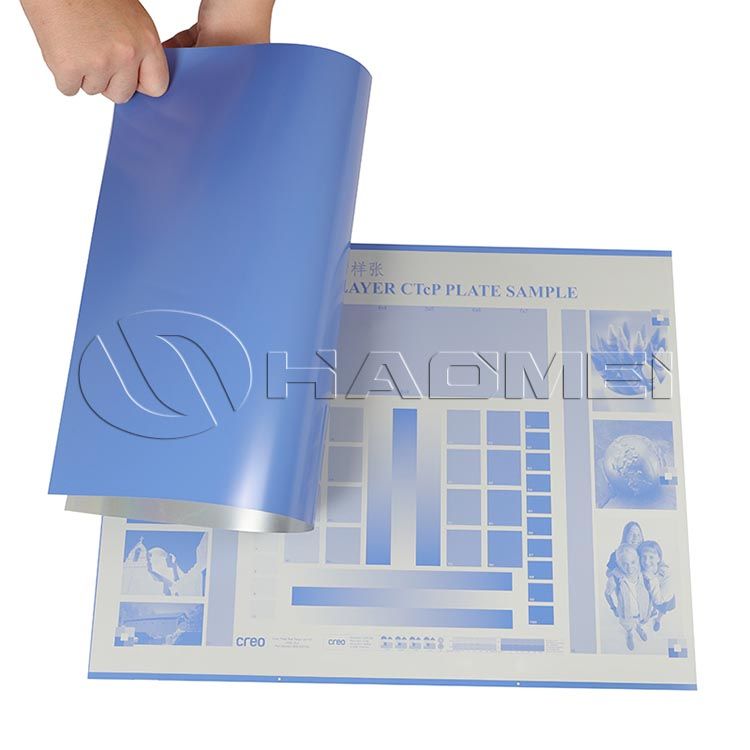
Offset CTP
Offset CTP remains a frequent topic in printing discussions because plate performance affects press stability, job turnaround, waste levels, and operating cost. The five questions below reflect recurring English-language questions seen in public search and Q&A discussions during the recent three months. They are especially useful for print operations evaluating PS, thermal CTP, UV-CTP, CTCP, or process-free plate technologies.
1. What is the difference between thermal offset CTP and UV CTP plates?
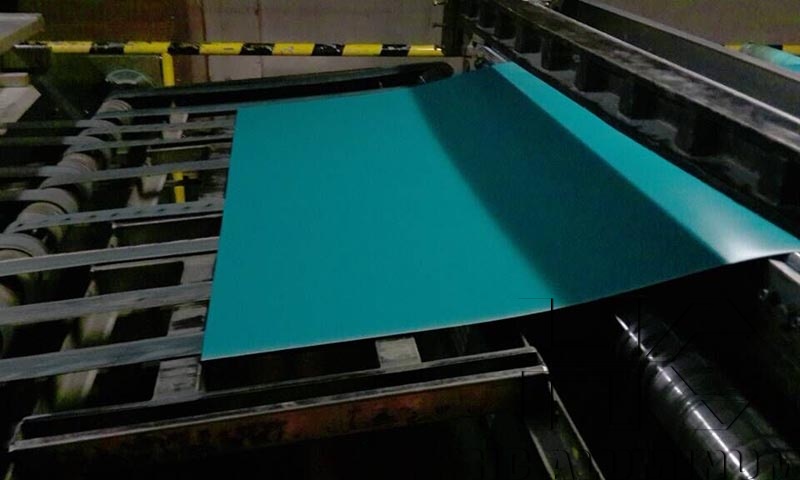
Thermal offset CTP plates are imaged with infrared laser systems, commonly around 830 nm. They are widely selected for their imaging consistency, fine-dot reproduction, and tolerance in conventional commercial printing environments. Thermal technology is often a practical fit when the pressroom requires dependable tonal stability for books, packaging inserts, catalogs, and repeat jobs.
UV CTP plates are imaged with violet or UV laser systems, depending on the plate and setter design. Their main advantage is frequently faster imaging speed and, in many cases, lower equipment investment. However, a UV plate must be matched carefully to the exposure energy of the CTP device, plate processor settings, fountain solution, and ink conditions.
The decision should not be based only on the plate price. A thermal plate that reaches target density quickly and holds clean non-image areas can reduce make-ready losses. A UV plate can be highly efficient when the existing CTP unit and production mix are already optimized for violet imaging.
| Comparison Point | Thermal Offset CTP | UV or Violet CTP |
|---|---|---|
| Typical laser wavelength | Infrared, often 830 nm | Violet or UV range |
| Imaging behavior | Strong consistency and fine detail | Fast imaging on compatible setters |
| Common applications | Commercial print, books, long repeat work | Fast-turnaround commercial printing |
| Main selection factor | Press stability and dot quality | Device compatibility and throughput |
For a production trial, confirm the exact plate sensitivity, required laser power, developer type, and anticipated press run before placing a large order.
2. How many impressions can an offset CTP plate run before image wear appears?
There is no single number that applies to every offset CTP plate. Run length depends on plate coating, exposure accuracy, processing quality, press pressure, blanket condition, ink tack, paper abrasiveness, wash frequency, and whether the job uses UV ink.
A conventional thermal plate used under controlled conditions can commonly support medium to long commercial runs. Plates designed for UV inks, aggressive cleaning agents, or packaging substrates may need a more durable coating and stronger post-bake capability. A plate that performs well for 30,000 impressions on uncoated text paper may behave very differently on abrasive board or under high-tack ink.
Instead of requesting only a maximum impression claim, ask for a trial that measures practical indicators:
Start-up waste required to reach target color.
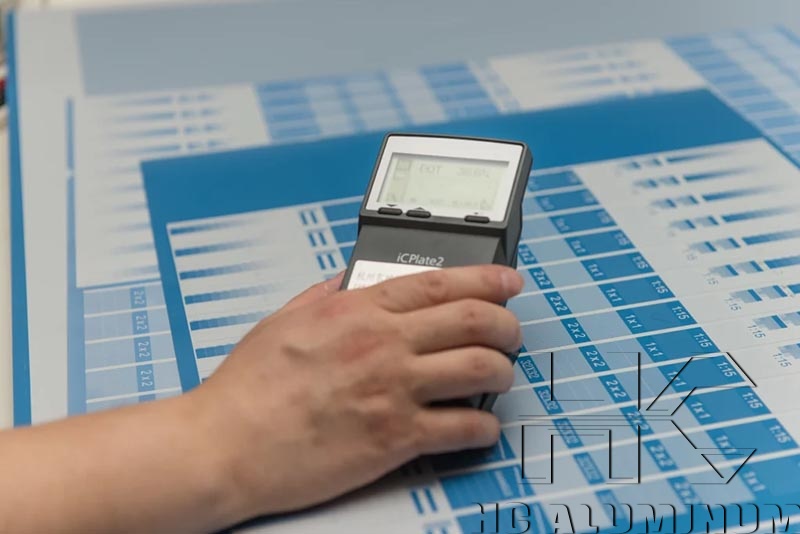
Dot loss in 1% to 5% highlight areas.
Filling or breakage in small text and reversed type.
Scumming in non-image areas after extended running.
Plate wear after stops, washes, and re-starts.
A suitable CTP plate should be evaluated on the actual press, with the actual ink and fountain solution, rather than under ideal laboratory conditions alone.
3. Are process-free CTP plates reliable enough for daily offset printing?
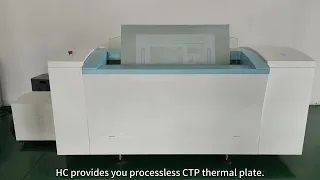
Process-free CTP plates have become increasingly attractive because they remove or reduce the need for separate developing chemistry. This can simplify plate room workflow, lower water use, reduce chemical handling, and shorten the time between imaging and mounting.
Reliability depends on whether the plate is compatible with the CTP setter, press operating habits, and job mix. In process-free production, the image may be fully developed on press during the first revolutions. That means fountain solution balance, ink-water settings, and start-up procedures have a direct effect on how quickly the plate clears.
For stable daily use, the press team should standardize exposure calibration and monitor plate storage conditions. Process-free products can be excellent for general commercial work, short-run jobs, and operations seeking fewer processing steps. For demanding UV applications, very long runs, or jobs requiring unusual chemical resistance, a conventional processed plate or specialized baked plate may still provide a wider safety margin.
When comparing options, ask whether the product is truly process-free, low-chemistry, or chemistry-free after imaging. These terms are sometimes used loosely, but they describe different workflows and cost structures.
4. Why does my CTP plate scum or fail to clean on press?
Scumming means non-image areas begin accepting ink. It is often blamed on the plate, but the root cause may be exposure, processing, fountain solution, or press maintenance. The most common issue is insufficient laser energy. If the plate is underexposed, non-image coating may not be removed or weakened correctly during processing or on-press development.
Other common causes include exhausted developer, incorrect processor temperature, contaminated gum, excessive fountain solution conductivity, dirty dampening rollers, or a blanket and roller setting that creates unnecessary mechanical stress.
Use a simple troubleshooting sequence:
Verify CTP laser output and calibration targets.
Check processor replenishment, temperature, and dwell time if using processed plates.
Measure fountain solution pH and conductivity against ink supplier recommendations.
Inspect dampening rollers for glaze, contamination, or incorrect settings.
Compare results using a fresh plate from the same production batch.
A quality CTP plate performs best when imaging and press conditions are controlled as one system. Changing several variables at once makes it difficult to identify the true source of scumming.
5. How should offset CTP plates be stored before use?
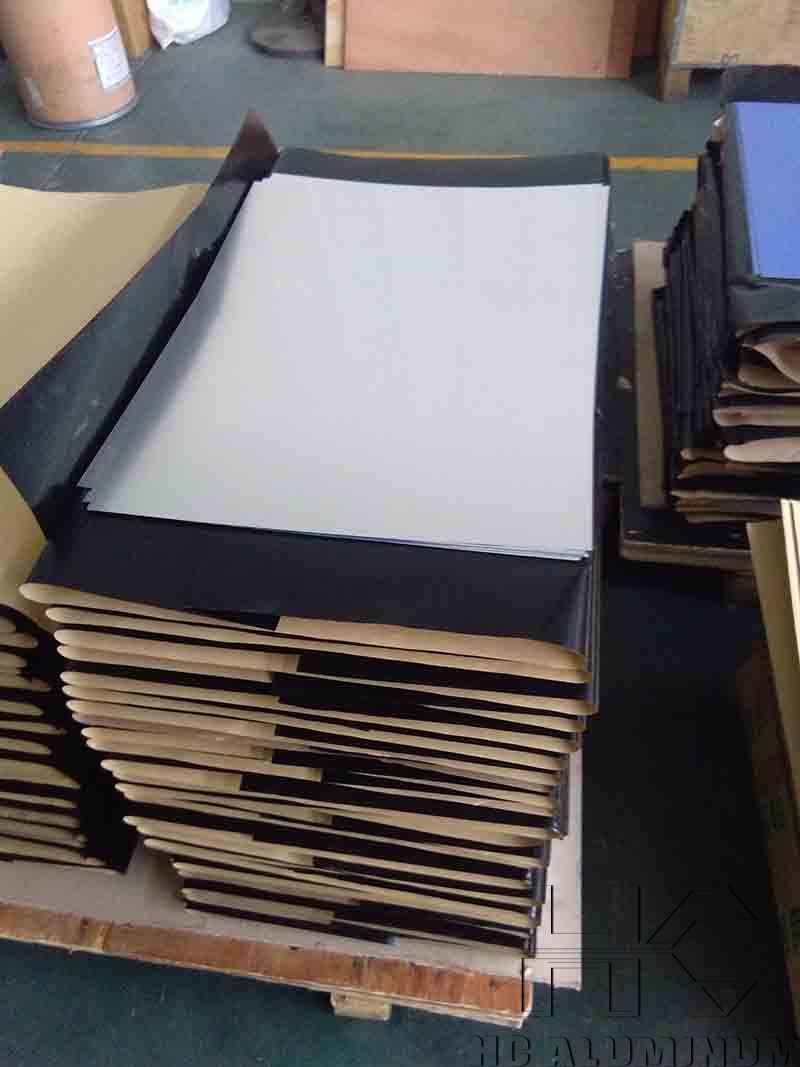
Correct storage protects plate sensitivity and helps maintain repeatable exposure results. Keep unopened cartons in a dry, clean area away from direct sunlight, heat sources, high humidity, and chemical vapors. Excessive heat can shorten useful storage life, while humidity and rapid temperature changes may affect coating behavior.
Allow plates to acclimatize before opening when they have been moved from a cool warehouse into a warmer plate room. Opening a cold package immediately can create condensation, which may lead to handling marks or inconsistent imaging. Handle plates with clean gloves where possible, and avoid touching the coated surface.
For inventory planning, use first-in, first-out rotation and retain batch information. If a press issue occurs, batch tracing helps distinguish between a material variation and a production-condition problem. Storage discipline is particularly important for high-sensitivity violet plates and process-free products, where exposure latitude can be more sensitive to environmental changes.