CTCP Plate Cost
CTCP Plate Cost Questions Print Operations Are Asking
CTCP plate cost is often discussed as a simple unit price, but the real purchasing decision depends on plate size, aluminum quality, coating performance, processing conditions, packaging, and delivered logistics. The questions below reflect recurring English-language search and Q&A discussions from the past three months among print operations comparing conventional plate options.
| Cost Factor | Why It Changes CTCP Plate Cost | What to Ask a Supplier |
|---|---|---|
| Aluminum base | Aluminum is a major material cost and affects flatness, durability, and consistency. | What aluminum grade and base thickness are used? |
| Surface treatment | Electrochemical graining and anodizing influence water balance and image stability. | Is the anodized layer tested for corrosion resistance? |
| Coating sensitivity | Faster exposure may reduce imaging time, but needs stable coating quality. | What exposure energy range is recommended? |
| Plate dimensions | Larger formats use more material and may require specialized packaging. | Is pricing based on plate size, quantity, or square-meter calculation? |
| Delivery terms | Freight, export packaging, insurance, and local import charges can alter landed cost. | Is the quotation EXW, FOB, CIF, or delivered duty paid? |
1. Why Is CTCP Plate Cost Different Between Suppliers?
A lower CTCP plate price does not always mean equal production value. Two plates with similar dimensions can differ in aluminum base quality, coating weight, graining uniformity, anodizing control, and inspection standards. These manufacturing details influence whether a plate reaches its expected run length without scumming, premature wear, or unstable non-image areas.
For example, a low-priced plate can become expensive if operators need extra exposure tests, frequent cleaning, or remakes during long print jobs. In contrast, a consistently coated CTCP Plate may have a moderately higher initial price but support more predictable startup and fewer interruptions.
When comparing quotations, ask whether the quoted product is positive-working CTCP, whether it is designed for UV exposure, and whether it requires a specific developer chemistry. Also compare plate dimensions carefully. A price per piece is useful only when every supplier is quoting the same format and specification.
2. How Much Does Aluminum Affect CTCP Plate Cost?
Aluminum market movement is one of the most important external influences on CTCP plate cost. The aluminum base provides dimensional stability and supports the grained, anodized surface that carries the photosensitive coating. As aluminum prices rise, manufacturers may adjust quotations even when coating and labor costs remain unchanged.
However, aluminum cost is not only about market pricing. The consistency of the base material matters. Better flatness can improve mounting behavior on press, while a stable anodized layer helps the plate resist oxidation and wear during production. A cheaper base may create risks such as registration variation, shorter durability, or less reliable ink-water balance.
Ask suppliers to state the base thickness tolerance and whether production batches receive flatness and surface checks. These details are more useful than choosing solely from a single low number on a quotation.

3. Is a More Expensive CTCP Plate Always Better for Long Runs?
Not necessarily. The right CTCP plate cost depends on your actual run length, press condition, ink system, fountain solution, and exposure equipment. A premium plate engineered for higher durability can be worthwhile for recurring commercial work or longer runs. For short-run jobs, a standard plate with dependable imaging and clean processing may offer better overall value.
A practical comparison should consider cost per successful printed impression rather than plate price alone. Include expected run length, remake rate, processor consumption, operator time, and press downtime. If a plate costs less but causes one additional remake per shift, its apparent saving may disappear quickly.
| Production Situation | Cost Priority | Suitable Evaluation Method |
|---|---|---|
| Short commercial runs | Stable startup and controlled unit cost | Compare exposure latitude and processing reliability. |
| Medium recurring work | Repeatability across batches | Check lot consistency and storage performance. |
| Long production runs | Durability and resistance to wear | Request run-length data under similar press conditions. |
| Variable job formats | Flexible dimensions and secure packaging | Compare pricing by size and delivery frequency. |
Instead of asking only for the highest stated run length, ask what test conditions were used. Run-length claims can vary significantly according to press pressure, ink abrasiveness, wash-up practice, and maintenance quality.
4. Does Processing Chemistry Add Much to CTCP Plate Cost?
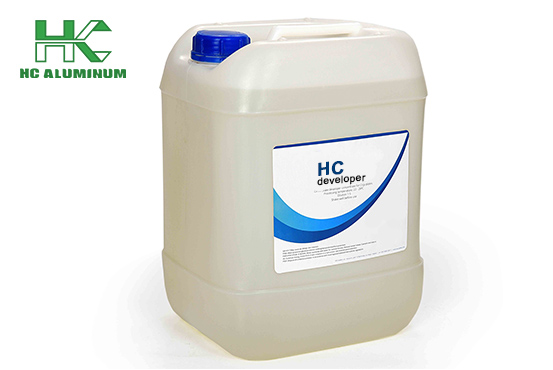
Yes. A CTCP plate quotation may cover only the plate itself, while actual use also involves developer, replenisher, gum solution, water, electricity, processor maintenance, and disposal procedures. Plates with stronger processing tolerance can help stabilize output when chemistry control varies slightly, but no plate can compensate for severely exhausted developer or poorly maintained rollers.
Before changing suppliers, calculate the complete operating cost. Ask for recommended developer concentration, processing temperature, replenishment rate, and storage conditions. If a plate requires unusually tight process settings, the lower initial price may be offset by greater chemical consumption and more operator attention.
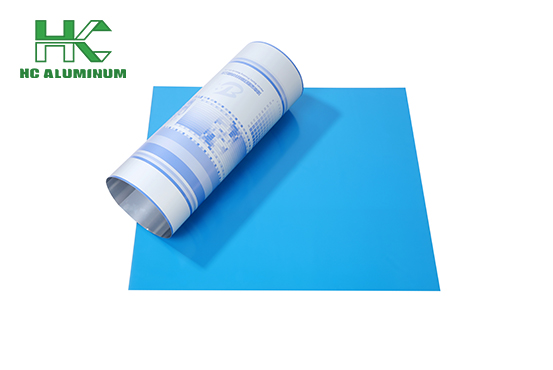
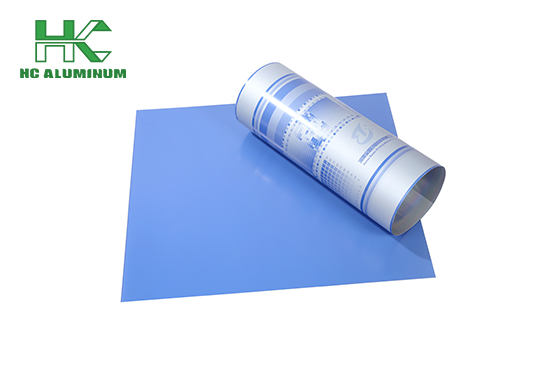
A compatible CTCP Plate should image cleanly at the recommended exposure level and maintain reliable non-image areas after development. Request sample testing on your own equipment whenever possible, especially if your operation uses older conventional exposure units.
5. What Should Be Included in a Fair CTCP Plate Cost Quotation?
A useful CTCP plate quotation should be specific enough to compare without assumptions. It should identify plate type, dimensions, thickness, packing quantity, production batch or shelf-life terms, payment terms, delivery terms, and expected lead time. If freight is included, confirm the destination and whether export packaging is designed to protect plates from moisture, edge damage, and handling pressure.
Ask whether the supplier provides samples from current production rather than older inventory. It is also sensible to confirm how claims are handled if plates show coating defects, transport damage, or unusual processing behavior. A transparent supplier should be able to explain the technical specification behind the price instead of presenting only a number.
For a first order, compare landed cost, not factory cost. Add transport, insurance, port charges, local taxes, storage risk, and the value of technical support. This approach makes CTCP plate cost easier to evaluate against real production performance rather than against a headline quotation alone.
Which Aluminum Printing Plates Are Recommended for Commercial Printing