Waterless Offset Plates
Year-end retail catalogues, gift packaging inserts, event programs, and direct-mail campaigns create compressed print schedules before Christmas on December 25 and New Year's Day on January 1. For printing plate and aluminum substrate purchasing teams, the immediate concern is not simply plate availability. It is avoiding press delays caused by inconsistent imaging, plate defects, or unstable print conditions during high-value seasonal runs.
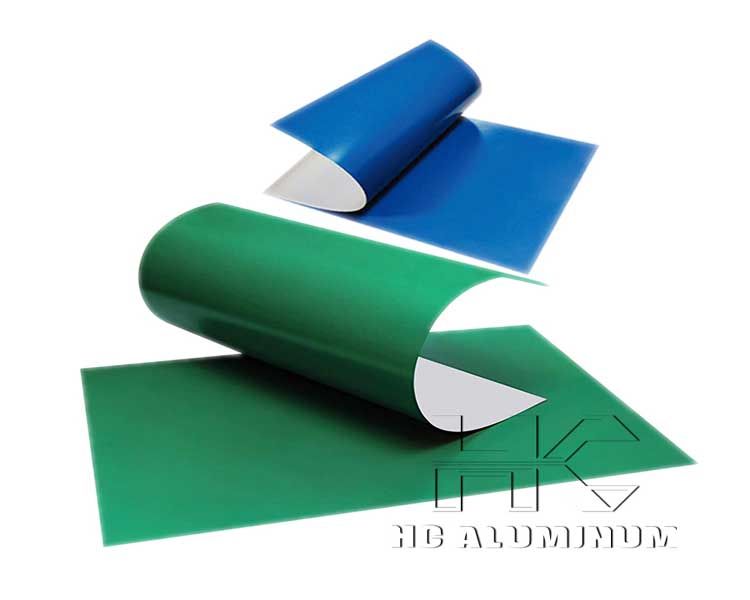
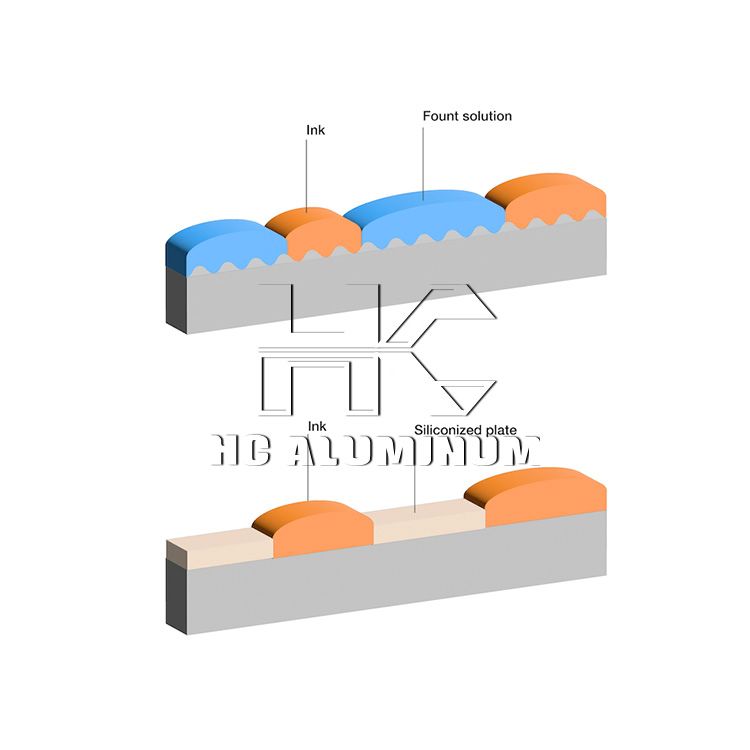
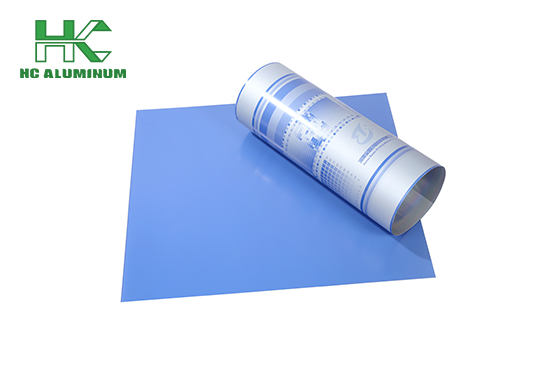
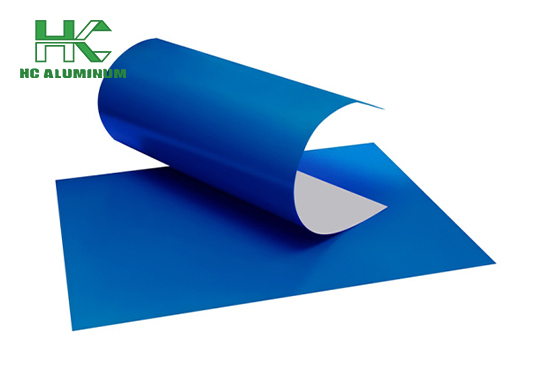
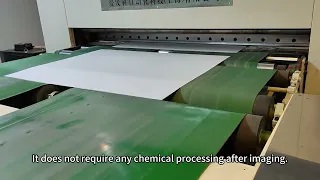
Waterless offset plates address one specific operational pressure: they print without fountain solution. The image area accepts ink, while the non-image area is protected by a silicone layer. Removing the water-ink balance from the press can simplify setup, but success still depends on compatible ink, controlled press temperature, qualified plate processing or imaging conditions, and a reliable aluminum base.
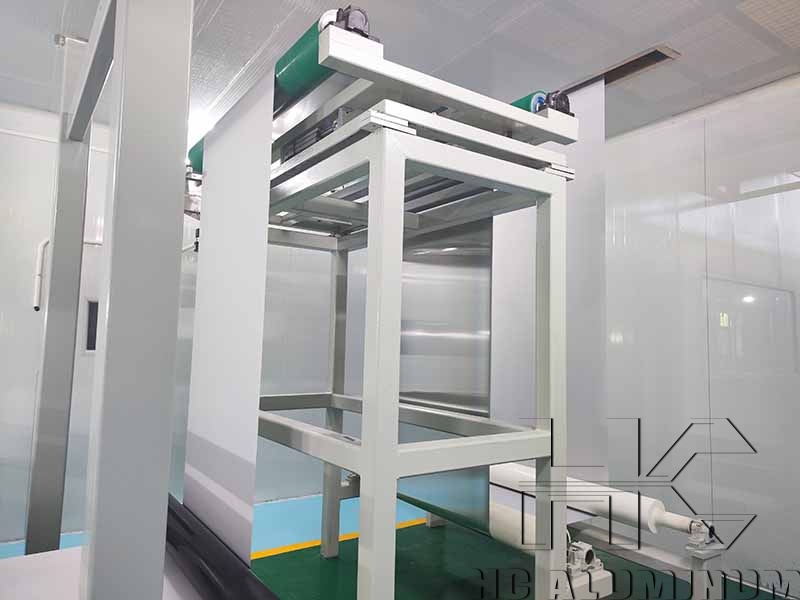
Turn the No-Fountain-Solution Feature Into a Holiday Production Plan
The practical benefit of a waterless system is not an automatic quality claim. Its value is that it removes fountain-solution management from the production equation. This can be useful when an operation must change jobs quickly and maintain repeatable output across seasonal artwork with fine type, dense solids, or detailed product photography.
Use the comparison below when discussing the correct product offer with technical and commercial teams.
| Production factor | Conventional wet offset | Waterless plate workflow | Holiday planning implication |
|---|---|---|---|
| Dampening | Requires fountain solution and water-ink balance | No fountain solution used | Fewer dampening variables to prepare and monitor |
| Plate surface | Hydrophilic non-image area supports water | Silicone-coated non-image area repels ink | Surface integrity and handling become especially important |
| Press control | Ink, water, pH, conductivity, and temperature may be monitored | Ink and plate temperature require careful control | Schedule a press trial before peak production |
| Consumables | Fountain solution and related maintenance materials are involved | Fountain solution is removed from the workflow | Review ink, cleaner, and plate compatibility separately |
| Environmental review | Depends on the full chemical set used | Removing fountain solution alone does not establish compliance | Check local VOC, waste, and worker-safety obligations |
A waterless configuration should not be confused with process-free imaging. A plate can be waterless and still require a defined imaging or finishing workflow. Where reduced processing is also a goal, assess it independently with Process-less CTP requirements, press compatibility, and the plate manufacturer's documented operating conditions.
For environmental statements, avoid broad claims such as "chemical-free" or "VOC-free" unless they are supported by the full press-room inventory and applicable local rules. In the United States, EPA requirements for printing operations can depend on inks, cleaning materials, coatings, equipment, and emissions controls. Removing fountain solution may change the consumables used, but it does not by itself prove regulatory compliance.
Specify the Aluminum Substrate Before Seasonal Capacity Is Committed
For aluminum sheet, strip, coil, foil, and circle suppliers, not every product form is suitable plate stock. Waterless plate manufacturing needs an aluminum substrate that performs consistently through surface treatment, coating, imaging, handling, and press mounting. The plate producer should define the approved alloy, temper, thickness, flatness, surface condition, and coil or sheet dimensions for its own coating line.
Do not substitute a general-purpose aluminum grade solely because nominal thickness appears similar. A seasonal print campaign is a poor time to discover that slit-edge quality, residual oil, surface roughness, coil set, or dimensional tolerance is outside the plate coater's acceptance window.
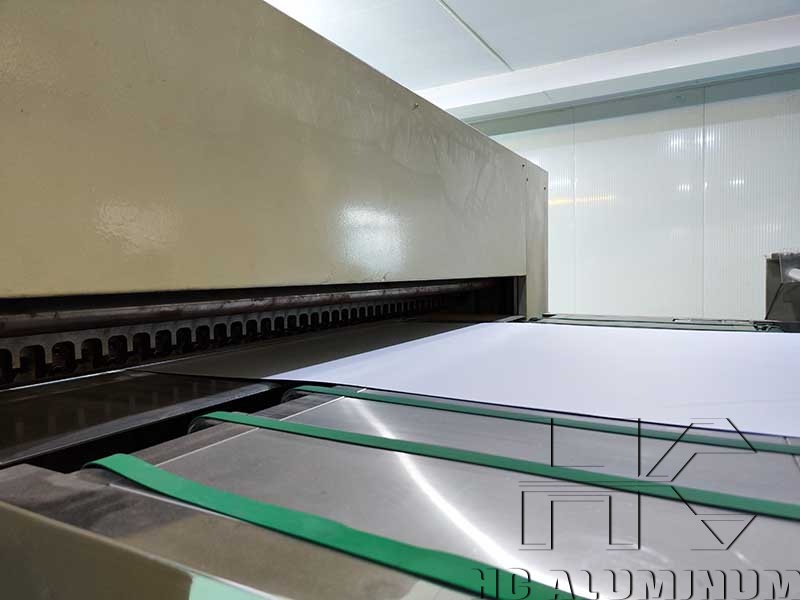
Use this qualification checklist before releasing material for a Christmas or New Year production window:
- Confirm the plate manufacturer's written substrate specification, including permitted alloy and temper.
- Match thickness tolerance, width tolerance, flatness, and edge requirements to the coating and slitting process.
- Request mill test certificates for each production batch and retain traceability through slitting or sheeting.
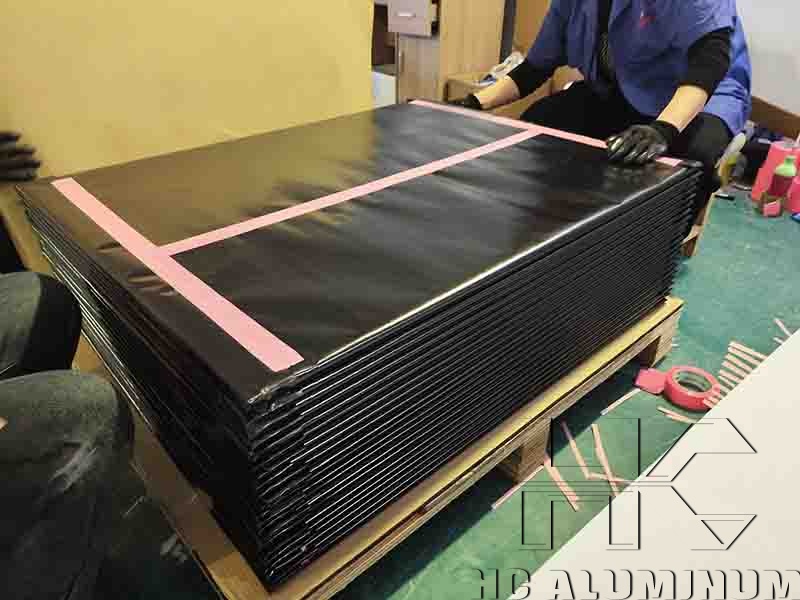
- Agree on surface cleanliness and packaging requirements to prevent dents, moisture exposure, and interleaving marks.
- Run a coating, imaging, and press validation sample using the actual planned ink and press conditions.
- Define acceptance criteria for plate appearance, imaging response, run length, and non-image-area cleanliness.
- Freeze the approved material specification before seasonal artwork approval and production scheduling.
Waterless plates are commonly sensitive to operating temperature because the silicone non-image surface and ink behaviour must remain stable. A plate supplier can provide recommended press settings, but the printer should validate them on its own press. The right evidence is a documented trial, not a generic promise about print length or dot reproduction.
Request an Offer That Protects the Year-End Schedule
A useful product offer should make technical scope and delivery scope visible. Ask suppliers to quote against the approved specification rather than only a plate size or aluminum weight. This prevents avoidable clarification rounds when freight capacity tightens in November and December.
| Offer item | What to request | Why it matters during holiday production |
|---|---|---|
| Product type | Waterless CTP or the exact agreed waterless plate construction | Prevents mixing incompatible technologies |
| Aluminum base | Approved alloy, temper, thickness, width, and surface condition | Controls downstream coating and press consistency |
| Supply form | Coil, slit strip, cut sheet, or finished plate format | Aligns material with the next manufacturing step |
| Documentation | Specification, test certificate, packing list, and traceability method | Speeds receiving inspection and issue resolution |
| Trial quantity | Representative sample sized for coating and press validation | Verifies performance before full seasonal scheduling |
| Lead-time definition | Production time, inspection time, packing time, and transport assumptions | Makes the delivery date auditable |
| Packaging | Moisture protection, edge protection, pallet method, and storage limits | Reduces damage risk during seasonal warehouse congestion |
Plan backward from the press date. Reserve time for substrate approval, coating validation, imaging trials, artwork proofing, and transport variability. For international supply chains, also allow time for export documentation, customs clearance, and destination handling rather than treating the factory release date as the arrival date.
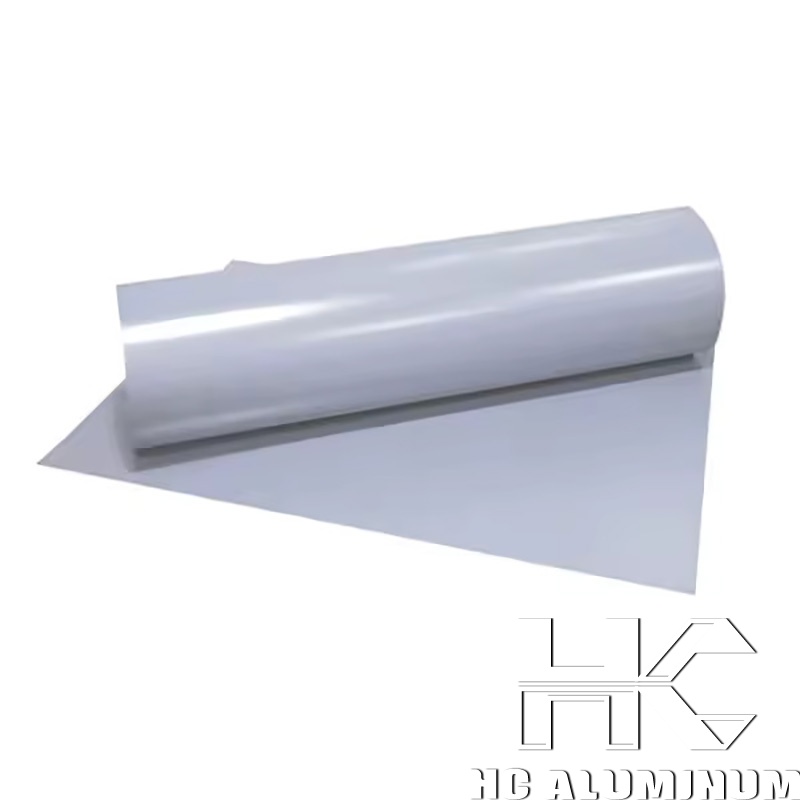
For seasonal programs, the strongest purchasing decision is a controlled one: an approved aluminum substrate, a verified waterless plate workflow, and an offer that states measurable tolerances and delivery assumptions. That structure helps print operations enter the Christmas and New Year period with fewer press-room variables and clearer accountability across the supply chain.