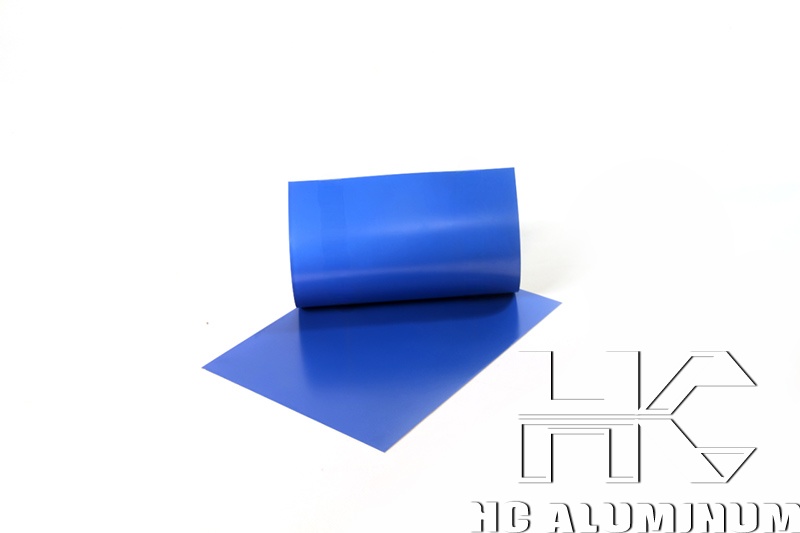
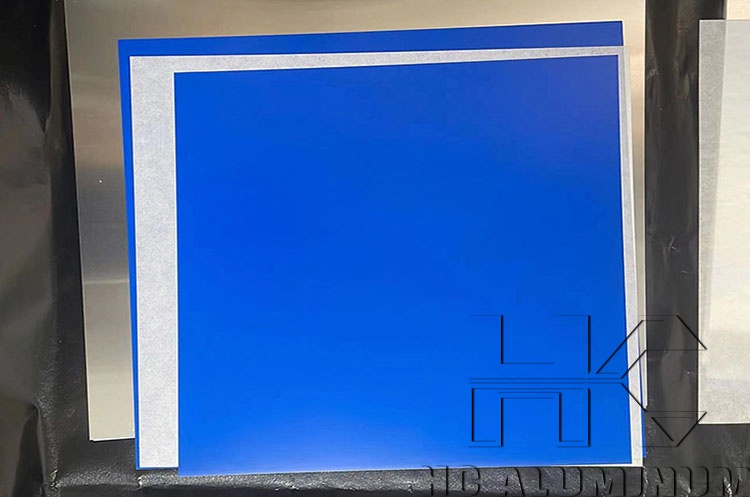
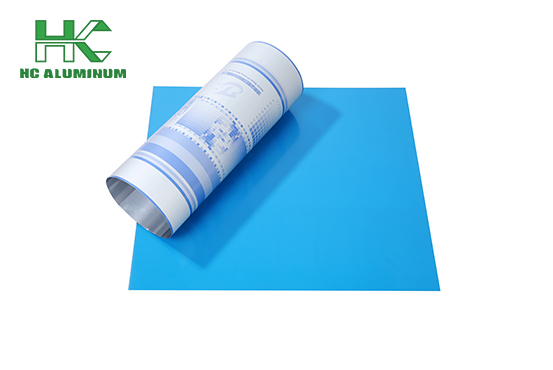
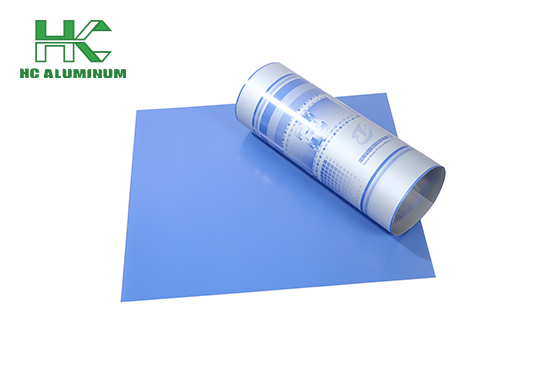
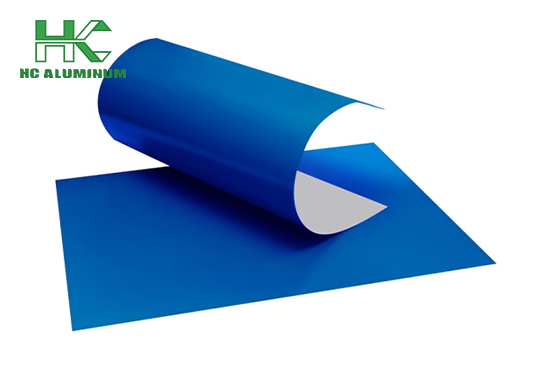
Violet Ctp
Violet computer-to-plate technology uses a 405 nm laser diode to image offset plates directly from digital files. It remains relevant for commercial printers operating compatible violet plate setters, especially where established equipment, moderate plate volumes, and dependable conventional processing are priorities. For plate purchasers, the practical question is not only whether a plate images correctly, but whether it delivers stable dots, clean non-image areas, predictable run length, and controlled total cost on press.
Imaging Technology and Printing Performance
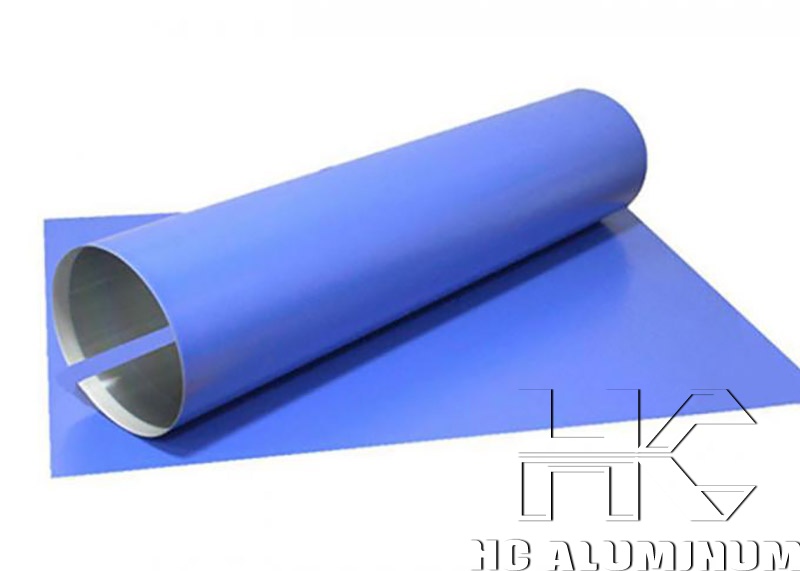
A violet-sensitive plate is normally an aluminum substrate with a grained and anodized surface, followed by a light-sensitive coating. The plate setter exposes image areas using violet laser energy, and the plate then passes through development, rinsing, gumming, and drying stages, depending on the plate chemistry. Silver-halide violet systems have historically offered high sensitivity and fine imaging capability, while photopolymer-based products are selected for different durability, processing, and environmental requirements.
Plate performance must be evaluated as a system that includes the RIP, laser settings, processor chemistry, fountain solution, ink, blanket condition, and press maintenance. A plate with good laboratory sensitivity can still produce unstable solids or premature wear if processor replenishment is incorrect or exposure calibration is drifting.
| Performance factor | What to verify | Production impact |
|---|---|---|
| Spectral sensitivity | Compatibility with the 405 nm plate setter | Reliable imaging and reduced remakes |
| Resolution and dot shape | Minimum practical screen ruling and FM screening results | Sharper text, smoother tonal transitions |
| Run length | Tested on the actual press, ink, and substrate mix | Fewer plate changes on longer jobs |
| Chemical latitude | Tolerance to developer temperature and replenishment | More consistent output across shifts |
| Scumming resistance | Clean background after development and on press | Less waste and faster make-ready |
| Storage stability | Shelf life, packing integrity, and warehouse conditions | Lower risk of coating defects or sensitivity loss |
A qualified Violet CTP plates specification should state thickness, coating type, spectral sensitivity, recommended processor conditions, resolution capability, and expected run-length range. Run length should never be treated as a universal number. It changes with ink aggressiveness, paper abrasiveness, dampening conditions, image coverage, and the use of UV or conventional inks.
Process Control, Application, and Compliance
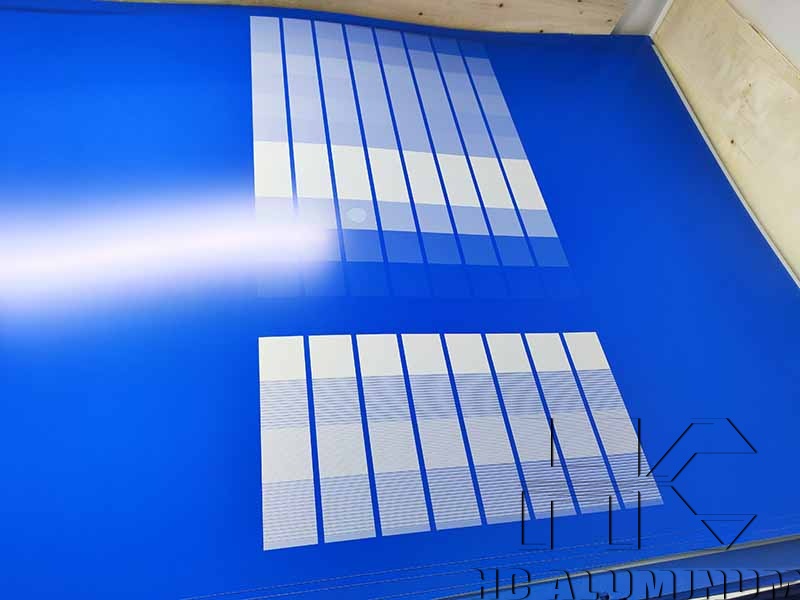
The workflow begins with calibrated PDF processing and RIP screening. The operator exposes the plate, develops it under controlled time and temperature, checks the image with a plate reader or magnifier, then mounts and registers it on the press. For consistent production, establish standard operating windows for laser power, processor conductivity or chemistry concentration, development temperature, replenishment rate, and gum condition.
Violet systems are commonly used for short- to medium-run commercial work, books, forms, packaging inserts, and other sheetfed or web offset applications where the installed plate setter supports this wavelength. They can be a practical choice when replacing an existing violet workflow is less economical than maintaining it. However, a change from violet to thermal CTP requires more than a plate substitution. It may involve a different plate setter, altered RIP calibration, revised processing equipment, operator training, and new press qualification.
Quality control should connect plate production with press results. Plate readers can measure exposure-related image characteristics, while pressroom teams should monitor density, dot gain, slur, ghosting, scumming, and plate wear. ISO 12647-2 is widely used for process control in offset printing, but it does not certify an individual plate. It provides a useful framework for aligning prepress, proofing, ink, substrate, and press conditions. Ink color specifications may also reference ISO 2846 where applicable.
For chemical-process plates, request current Safety Data Sheets, technical data sheets, and local disposal instructions for developer, replenisher, cleaner, and gum. In markets where applicable, suppliers should be able to address chemical obligations such as REACH. Environmental claims should be supported by documented product information rather than broad statements about "eco" performance. RoHS is generally more relevant to electrical equipment than to printing plates, although supply-chain declarations may still be requested by procurement teams.
Cost, Supply Chain, and Purchasing Controls
The delivered plate price is only one part of the cost. A lower-priced option can increase total spend if it requires frequent processor cleaning, causes higher spoilage during make-ready, produces inconsistent dots, or shortens usable run length. A useful cost comparison includes plate consumption, chemistry use, labor, remakes, downtime, freight, import duties, and inventory losses.
| Cost or risk area | Control measure |
|---|---|
| Plate consistency | Approve samples from the same production line and coating grade |
| Processor compatibility | Run a controlled trial using normal chemistry and replenishment settings |
| Freight damage | Specify moisture-resistant wrapping, corner protection, and pallet limits |
| Lot traceability | Require batch numbers and retain samples for press comparison |
| Inventory aging | Use FIFO storage and maintain temperature and humidity within supplier limits |
| Supply interruption | Qualify an alternate source before an urgent shortage occurs |
The aluminum coil market has a direct influence on substrate cost, while energy, chemicals, coating materials, freight, exchange rates, and regional trade measures can affect delivered pricing. These factors create cyclical price movements that may not match changes in print demand. Long-term contracts can provide stability, but they should include clear specifications, batch traceability, claims procedures, and realistic lead times. Spot purchasing may reduce immediate cost during a soft market, yet it can increase exposure to inconsistent quality and limited availability when demand recovers.
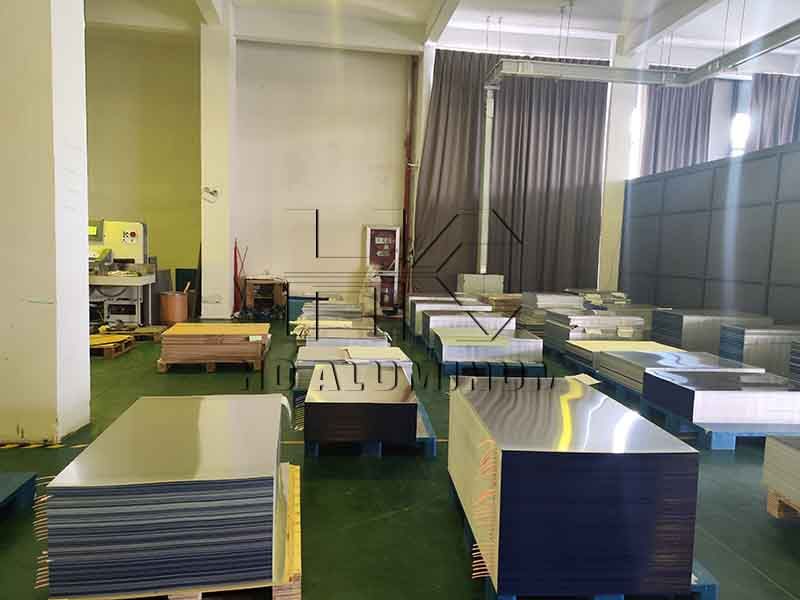
Warehouse handling is equally important. Store cartons flat, dry, and away from direct sunlight, heat sources, and rapid temperature changes. Allow cold shipments to acclimatize before opening to reduce condensation risk. Inspect each incoming lot for damaged edges, coating scratches, warped sheets, incorrect dimensions, and labeling discrepancies before it enters production.
For operations retaining violet equipment, violet imaging plates should be qualified through a documented press trial, not only an exposure test. Confirm plate-setter compatibility, processor stability, image quality, make-ready time, and actual run performance on representative jobs. This approach makes sourcing decisions measurable and protects continuity in an offset workflow that depends on repeatable plate behavior.
Custom-Cut Thermal CTP Plates for Heidelberg, Komori, KBA, Ryobi, and Manroland Presses