Thermal CTP Plate High Sensitivity
What High Sensitivity Means in Thermal CTP Plates
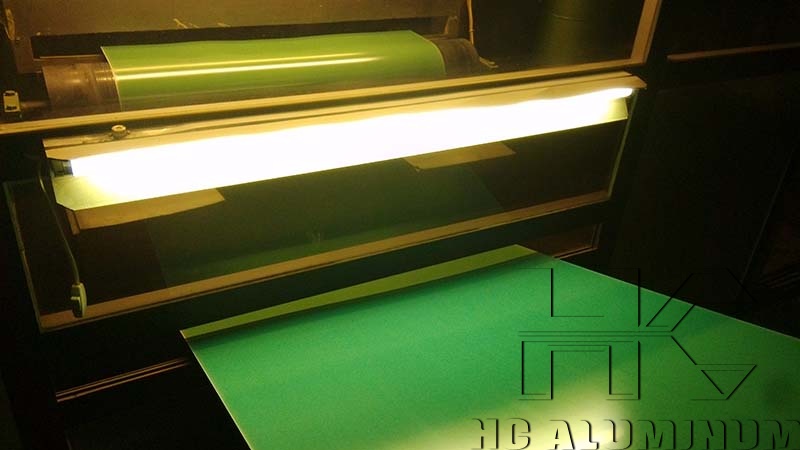
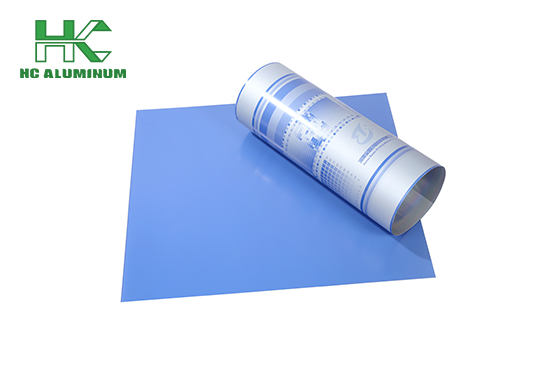
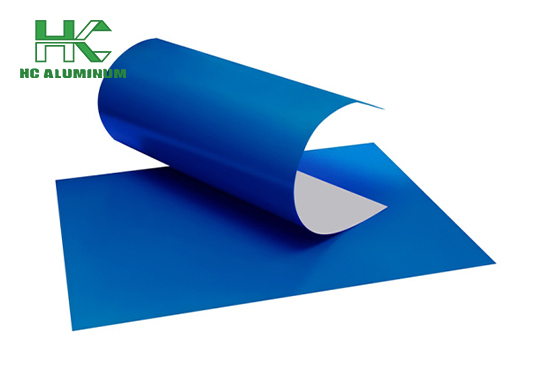
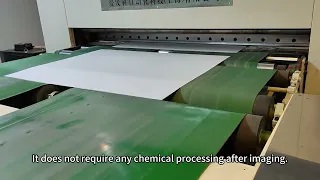
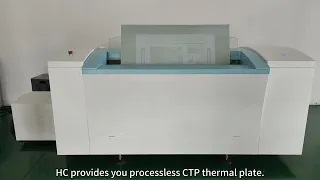
A thermal CTP plate with high sensitivity is designed to image efficiently at lower laser energy while maintaining clean dots, stable solids, and dependable run length on press. Most thermal computer-to-plate systems use an infrared laser, commonly around 830 nm, to image the coating. The exposed areas change their solubility or ink-receptive behavior during processing, depending on whether the plate is positive-working or negative-working.
For commercial printing plants, high sensitivity is not simply a low-exposure specification. A usable plate must also offer a sufficient processing latitude. This means small changes in laser output, focus, plate batch, developer condition, or processor speed should not create visible changes in image quality. A plate that images at low energy but has a narrow operating window can increase remakes and press delays.
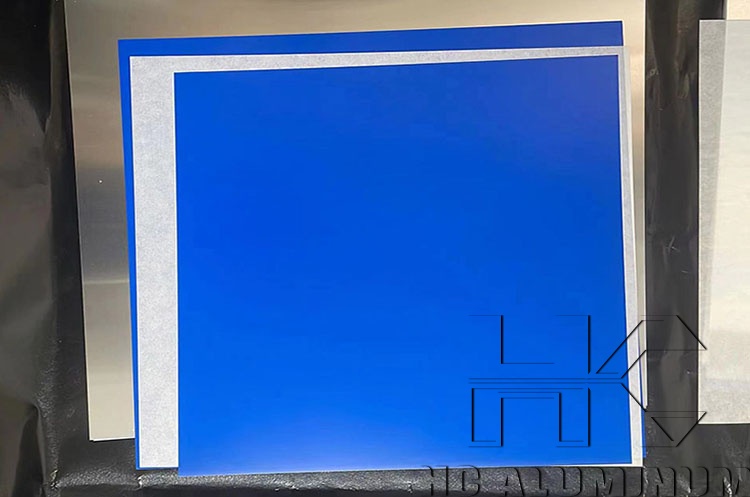
High-sensitivity thermal plates are commonly selected for sheet-fed offset, web offset, book printing, newspaper work, packaging inserts, and general commercial jobs. They are especially valuable where output devices run continuously, where several plate formats are used each day, or where energy efficiency and fast plate production affect overall operating cost.
| Performance Factor | Why It Matters in Production | What Procurement Teams Should Confirm |
|---|---|---|
| Imaging sensitivity | Supports faster imaging or lower laser energy demand | Recommended exposure range for the installed CTP device |
| Processing latitude | Reduces risk from normal variation in processing conditions | Developer, temperature, and dwell-time tolerances |
| Resolution and dot quality | Affects text sharpness, fine lines, and tonal reproduction | FM/AM screening capability and minimum practical dot |
| Run length | Determines whether one plate can complete the planned job | Expected impressions for UV and conventional inks separately |
| Chemical resistance | Influences durability during long runs and wash-up cycles | Compatibility with fountain solution, cleaners, and inks |
Plate Structure, Imaging, and Press Performance
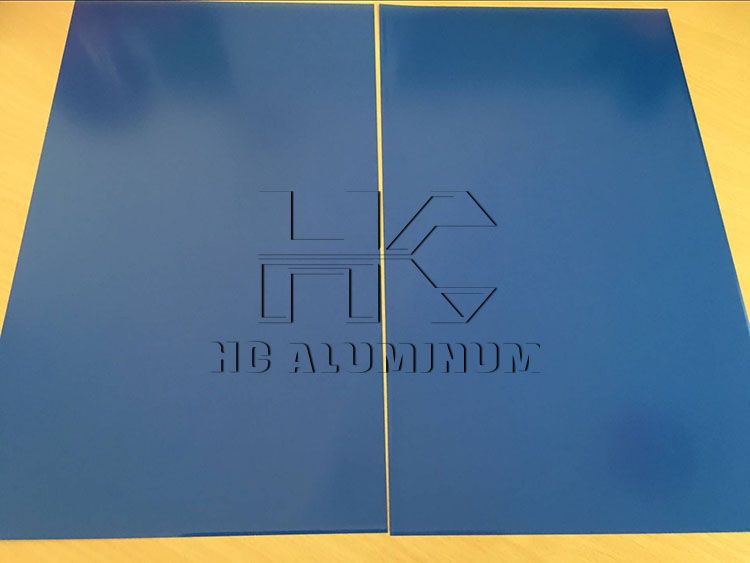
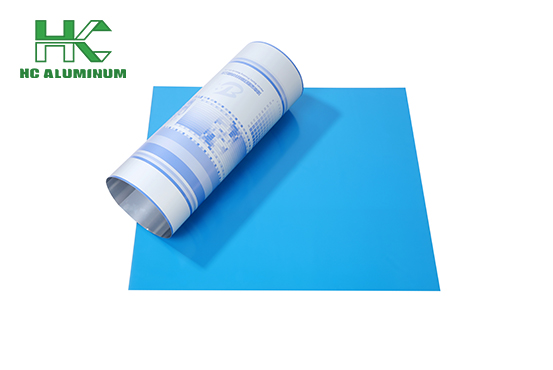
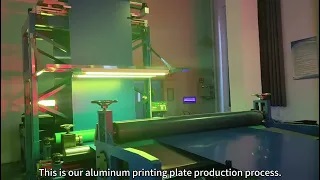
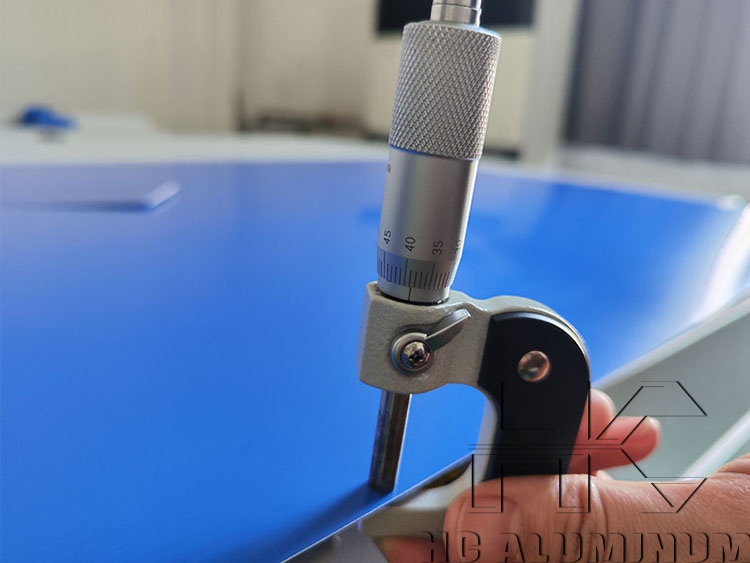
A standard thermal offset plate combines an electrochemically grained and anodized aluminum substrate with a light-sensitive coating. The aluminum base is critical because it supports water retention in non-image areas, coating adhesion, dimensional stability, and resistance to press wear. Plate thickness should match the press, punching system, and bending requirements. Common gauges include 0.15 mm, 0.20 mm, 0.30 mm, and 0.40 mm, although the correct choice depends on machine configuration and print application.
High sensitivity is achieved through coating chemistry that responds efficiently to infrared exposure. Plate suppliers may use single-layer, multi-layer, or protective top-coat designs. Multi-layer construction can improve resistance to scratches, chemical attack, and longer press runs, but performance must be evaluated on the actual processor and press conditions. For longer production schedules, Double Layer CTP products can offer an alternative where enhanced durability and processing stability are required.
In practice, the plate processor is as important as the plate itself. For conventional processed plates, developer concentration, replenishment rate, temperature, conductivity, roller condition, and gum application influence image retention. Underdeveloping can leave coating residue in non-image areas. Overdevelopment can weaken fine highlights and reduce plate durability. A controlled prepress workflow should record exposure settings, processor parameters, plate lot numbers, and press results for each major job category.
Press performance should be checked beyond the first acceptable sheet. Procurement specifications should include start-up waste, ink-water balance, resistance to scumming, dot gain behavior, clean-out of non-image areas, and practical run length. If UV inks, hybrid inks, aggressive washes, or alcohol-reduced fountain solutions are used, qualification testing is essential because chemical demands vary significantly from conventional sheet-fed printing.
Cost, Supply Chain, Standards, and Market Considerations
The landed cost of a thermal plate includes more than the price per square meter. Important cost elements include plate gauge, coating type, cut size, packaging, freight, import duties, local stock availability, damage rate, processor chemistry, energy use, and the value of reduced remakes. A more sensitive plate may cost more per sheet but lower total cost when it enables higher CTP throughput, steadier imaging, or fewer production interruptions.
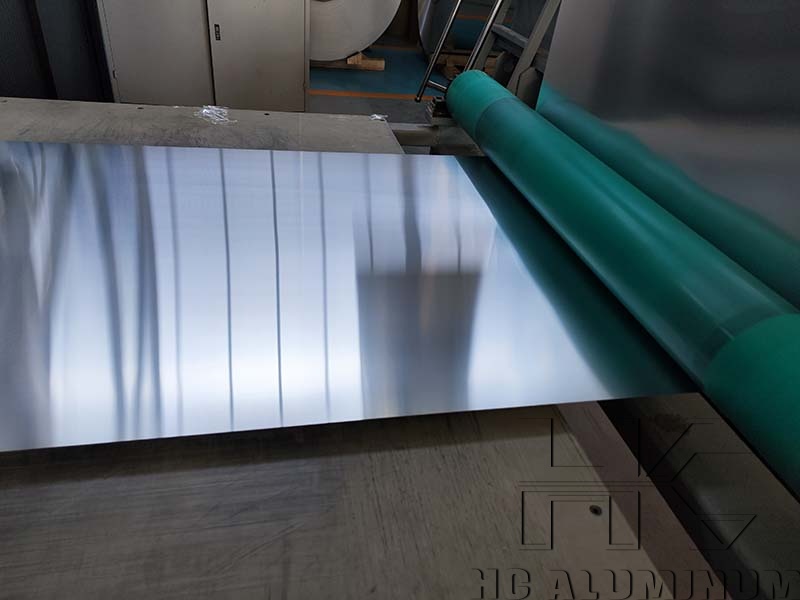
Aluminum is a major cost driver. Its price can move with global metal markets, energy costs, logistics conditions, and regional trade measures. Plate availability can also be affected by coil supply, coating capacity, export lead times, and demand peaks in publishing, educational printing, and seasonal packaging. Procurement teams should avoid relying on a single plate lot or a single origin for mission-critical production. Maintaining qualified alternatives, defined safety stock, and clear batch-traceability rules reduces supply risk.
| Sourcing Checkpoint | Recommended Requirement |
|---|---|
| Incoming quality control | Inspect packaging, plate flatness, edge condition, coating uniformity, and batch identification |
| Technical approval | Run exposure, processor, and press trials on representative jobs before full conversion |
| Storage | Keep sealed cartons in a clean, dry, temperature-controlled area away from direct sunlight |
| Traceability | Require manufacturing date, batch number, size, gauge, and coating identification on cartons |
| Supplier support | Confirm response time for imaging, processing, and press troubleshooting |
Environmental and safety compliance should also be reviewed. Plate, developer, replenisher, gum, and cleaning products may be subject to local chemical labeling, transport, waste, and occupational safety requirements. In many markets, safety data sheets, chemical declarations, and compliance with applicable restrictions on hazardous substances are standard documentation requests. Requirements differ by country, so claims about process-free operation, chemical reduction, or recyclability should be verified against the specific product and local disposal route.
The market is gradually shifting toward lower-chemistry and process-free technologies, but conventional thermal plates remain relevant where long runs, familiar processing, predictable dot reproduction, and existing equipment support are important. Plants evaluating this transition can compare double-layer thermal plates with their current plate type using total production cost rather than plate price alone.
For a reliable approval program, test at least two production lots, use normal imposition and screening settings, include both short and long runs, and retain press sheets for comparison. This approach reveals whether the selected plate delivers the sensitivity, consistency, and durability required under real operating conditions.