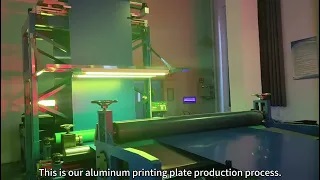
The Role of Aluminum Plates in Modern Offset Printing
With the rapid popularization of digital printing, many believe that traditional offset printing has gradually faded from the mainstream market. This is not the case. Thanks to its advantages such as low mass production costs, excellent color reproduction, and wide applicability to various materials, offset printing remains a core process in packaging, books, commercial color printing, and newspapers, firmly holding half of the global commercial printing market.
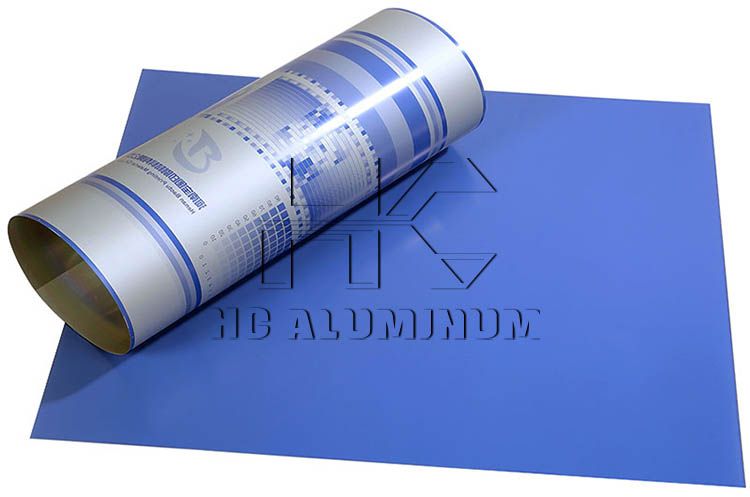
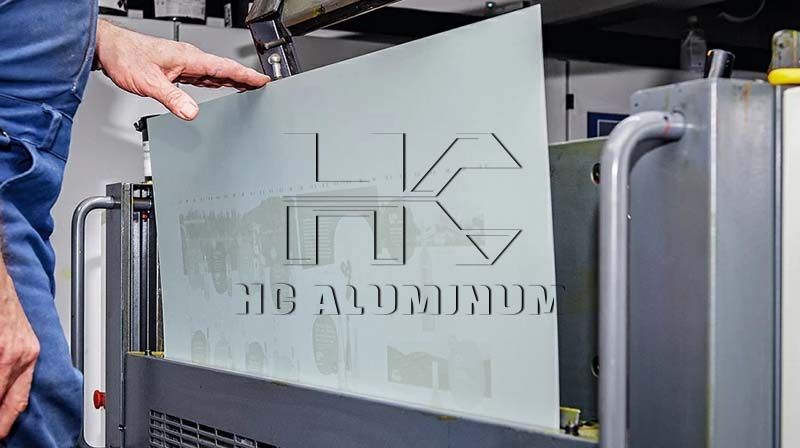
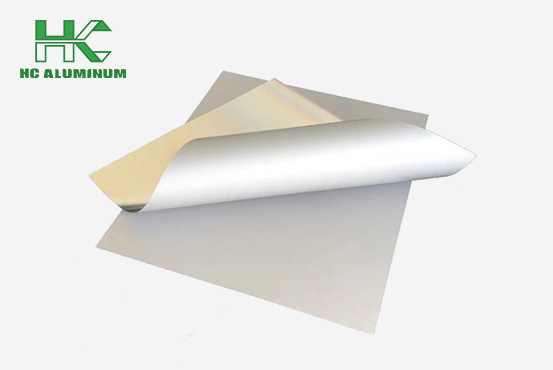
A complete offset printing production system includes core components such as printing equipment, inks, substrates, and printing plates. Aluminum printing plates factory are crucial for connecting digital files to the printed product, directly determining print quality, production efficiency, and product stability. In the wave of digital plate-making transformation, thermal CTP plates built on aluminum substrates have completely revolutionized the offset printing production model, becoming standard equipment in mid-to-high-end offset printing production lines.
Why does offset printing favor aluminum printing plates?
Offset printing relies on the principle of "oil and water repulsion" to complete image transfer: the plate is divided into image and non-image areas. The image area absorbs ink, and the non-image area absorbs dampening solution. The image is then transferred to the substrate through a blanket. The performance of the printing plate directly affects the oil-water balance, dot accuracy, and lifespan.
The industry has experimented with various materials, including zinc plates, paper plates, and polyester plates, but high-purity aluminum plates have ultimately become the universal substrate due to their superior physical and chemical properties.
Firstly, they are compatible with core offset printing processes. Industrial printing-grade aluminum substrates achieve a purity of over 99.5%. After roughening, anodizing, and sealing, a uniform and dense network of oxide micropores forms on the surface.
This structure allows for strong adhesion of the photosensitive coating and stable retention of dampening solution, ensuring hydrophilicity in non-image areas and maintaining oil-water balance, thus reducing common defects such as dirty plates and smearing from the source.
Secondly, their comprehensive performance is suitable for large-scale production. Aluminum plates have moderate hardness, are resistant to bending and wear, and are not easily deformed or damaged during loading, unloading, and adjustment.
They are also lightweight and compatible with various high- and low-speed offset printing equipment, capable of handling short-duration printing tasks for newspapers and magazines as well as large-volume orders for brochures and high-end books. High-quality aluminum plates can withstand tens of thousands to hundreds of thousands of printings, effectively reducing plate changeover costs for mass production.
Thirdly, it offers high cost-effectiveness and is environmentally friendly. The aluminum supply chain is mature, and large-scale production results in low costs, giving it a significant price advantage compared to special alloy plates.
Waste aluminum plates are 100% recyclable, the photosensitive coating is easy to peel off, and wastewater discharge is far lower than other plates, meeting the low-carbon development requirements of the printing industry and helping companies easily achieve environmentally friendly production standards.
From PS Plates to CTP Plates: Improved Plate-Making Technology
Printing plates using aluminum substrates are mainly divided into two categories, witnessing the transformation of offset printing plate-making from traditional film plate-making to digital direct-to-plate (CTP) plate-making.
Traditional PS pre-sensitive plates were the mainstream plate material in the early days. Production relied on film transfer, involving film exposure and chemical development to complete the image creation process. This was complex, time-consuming, prone to image quality deviations, and generated a large amount of chemical waste. Currently, only a few small, low-end printing plants still use it.
The current industry mainstream is CTP (Computer Direct-to-Plate), a technology that eliminates the film step, directly etching digital images onto a photosensitive aluminum substrate using equipment, achieving full-process digital control. CTP plates are categorized into thermal, silver halide, and violet laser types, among others. Aluminum thermal CTP plates have become the mainstream in the market due to their high stability, low usage threshold, and wide applicability.
Core Advantages of Aluminum Thermal CTP Plates
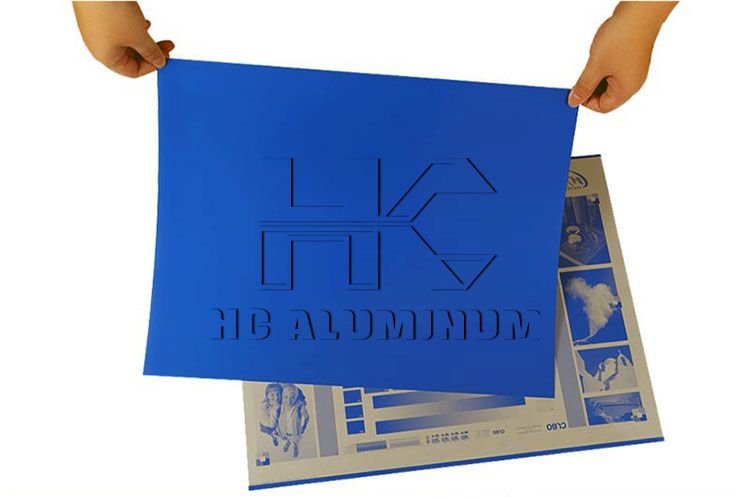
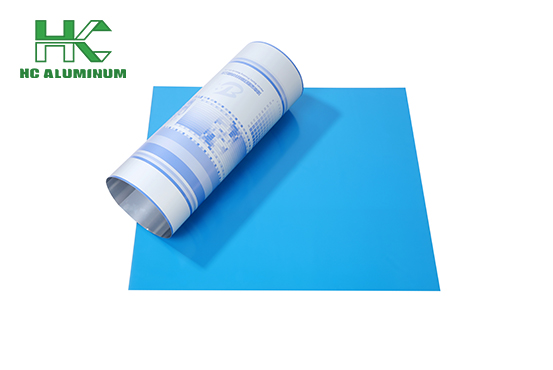
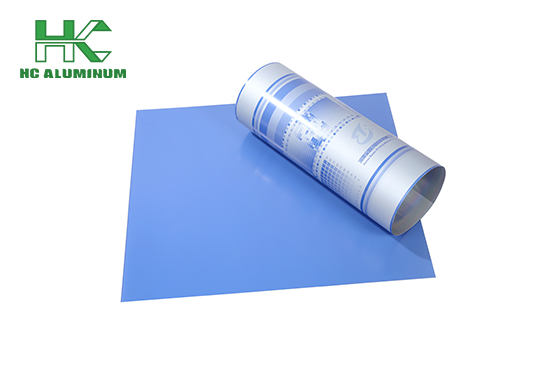
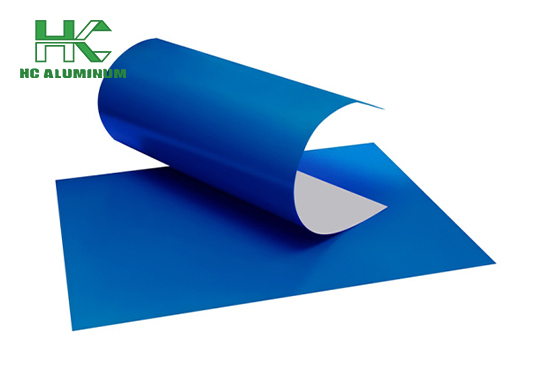
Thermal CTP plates are digital plates using a pre-treated aluminum substrate as the base and coated with a heat-sensitive light-sensitive coating. They are widely used in commercial printing and packaging, effectively solving many pain points of traditional plate making.
Firstly, imaging is simple and efficient. It relies on infrared lasers for plate making: a specific wavelength of infrared laser scans the plate surface; the coating in the illuminated area undergoes a thermal reaction, forming a hydrophobic, ink-receptive image area, while the unilluminated area retains its hydrophilic properties. The entire imaging process takes only a few seconds, requires no darkroom operation, and can be operated in ordinary workshop environments, significantly reducing the production threshold.
Secondly, printing quality is comprehensively upgraded. In terms of image quality, this plate achieves 1%-99% dot reproduction across the entire range, accurately replicating highlights and shadow details without dot loss or diffusion issues. It fully meets the printing needs of high-end brochures, color packaging, and exquisite posters, offering image quality far superior to traditional PS plates.
Regarding stability, the anodized aluminum substrate is corrosion-resistant and anti-aging, and the thermal coating is compatible with various environmentally friendly inks and dampening solutions. Oil-water balance is easier to control, significantly reducing color difference and plate detachment, resulting in higher product consistency. Its standard printing durability reaches 100,000-300,000 impressions, reducing downtime for plate changes and improving equipment operating efficiency.
Thirdly, it reduces costs and increases efficiency, adapting to various production scenarios. Compared to other CTP plates, aluminum thermal CTP plates have a lower overall cost and require simpler equipment, making them suitable for printing companies of all sizes. Currently, pre-treatment-free thermal CTP aluminum plates are becoming increasingly common, allowing direct printing without chemical development, completely eliminating waste liquid pollution, further reducing process costs, and balancing efficiency, cost, and environmental protection.
New Trends in Industry Development
The printing industry is currently transforming towards three major directions: digitalization, greening, and flexibility. The technological upgrades of aluminum printing plates, especially thermal CTP plates, are keeping pace with industry advancements.
In the field of green production, wash-free and treatment-free thermal CTP plates are continuously being developed, gradually replacing traditional chemically developed plates and reducing hazardous waste at the source. The closed-loop aluminum recycling system is becoming increasingly sophisticated, and the recycling rate of waste printing plates is constantly improving, helping the offset printing industry achieve its carbon neutrality goals.
In the field of flexible production, ultra-thin and lightweight aluminum substrates are rapidly gaining popularity. Combined with high-precision laser equipment, thermal CTP plates can quickly respond to small-batch, multi-batch, short-cycle customized orders, breaking the limitations of traditional offset printing which is only suitable for mass production and expanding its application scope.
In the field of technology integration, aluminum thermal CTP plates are being combined with intelligent typesetting and AI quality inspection technologies to achieve automatic adaptation of plate-making parameters and intelligent detection of image defects, reducing human error and driving the offset printing industry from traditional processing to intelligent manufacturing.