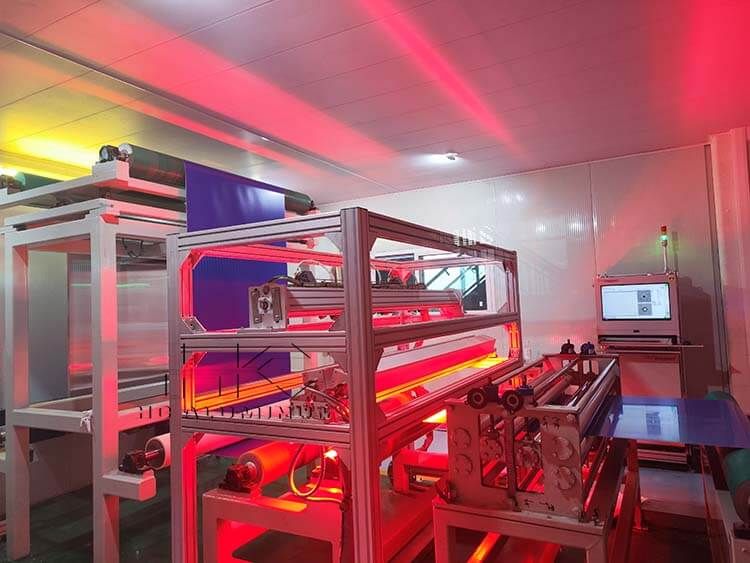
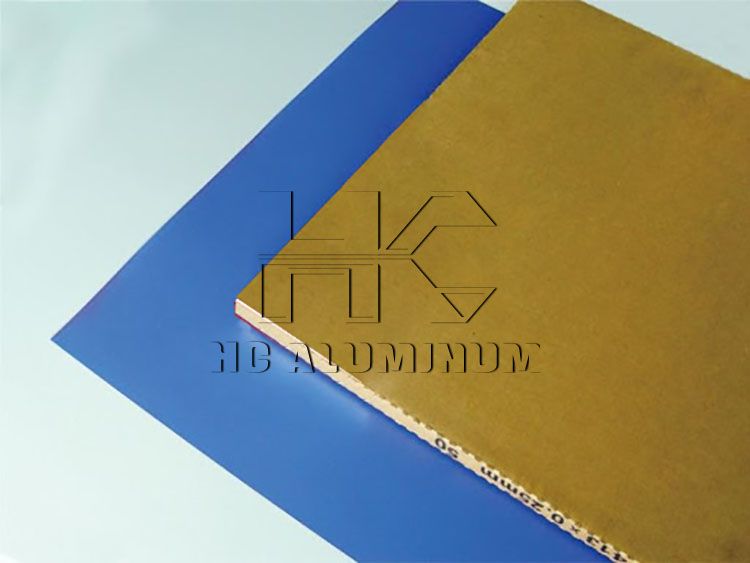
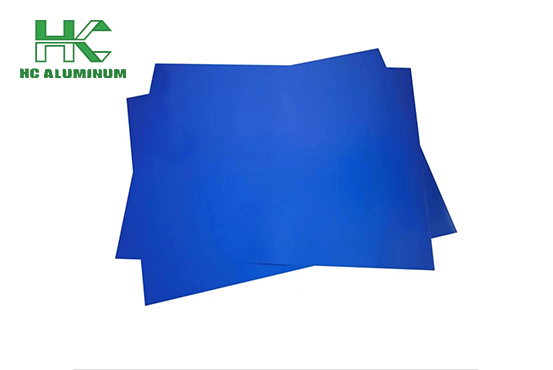
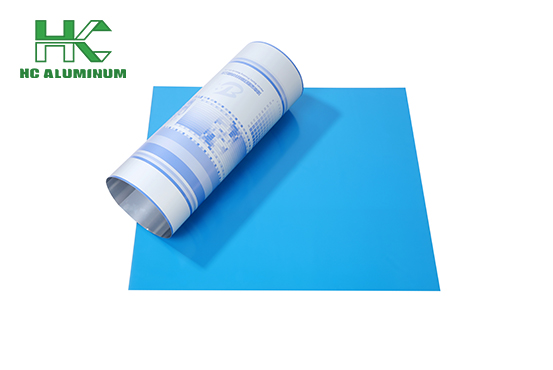
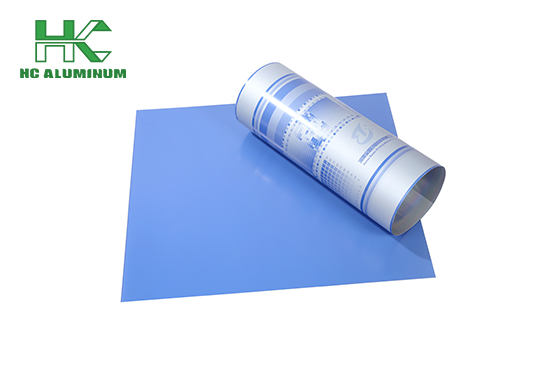
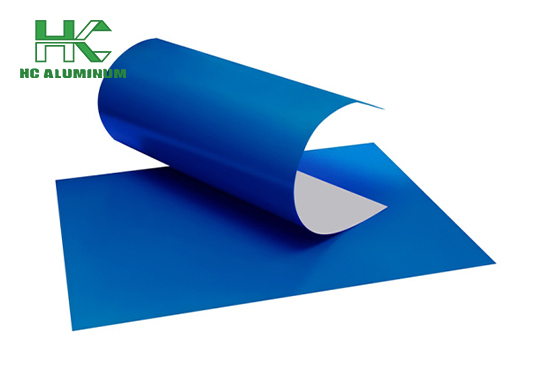
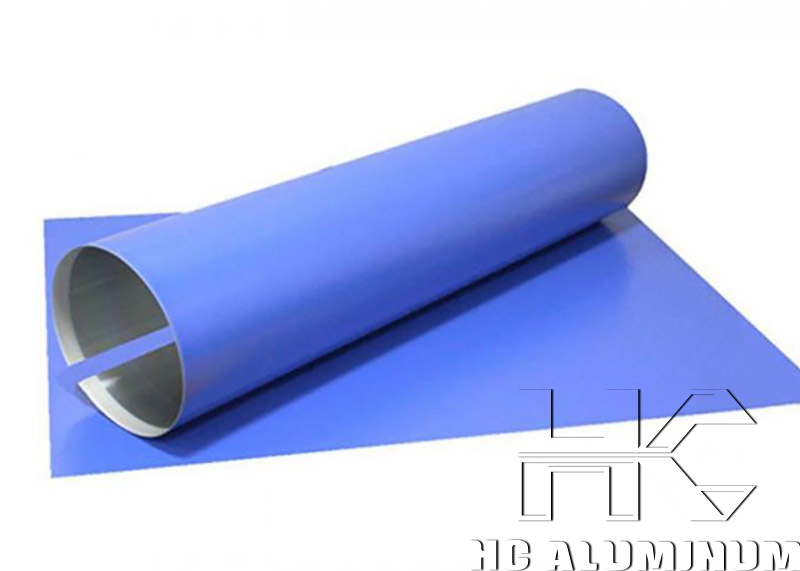
Violet CTP Plate
Late May starts a high-pressure print season: Eid al-Adha campaigns in many markets, Father's Day promotions, graduation materials, July 4 retail packaging in the United States, and early Back-to-School catalogs. For converters, print plants, and aluminum material distributors, the main risk is not only price. It is missing the approved press date because plates arrive late, image inconsistently, or fail documentation checks.
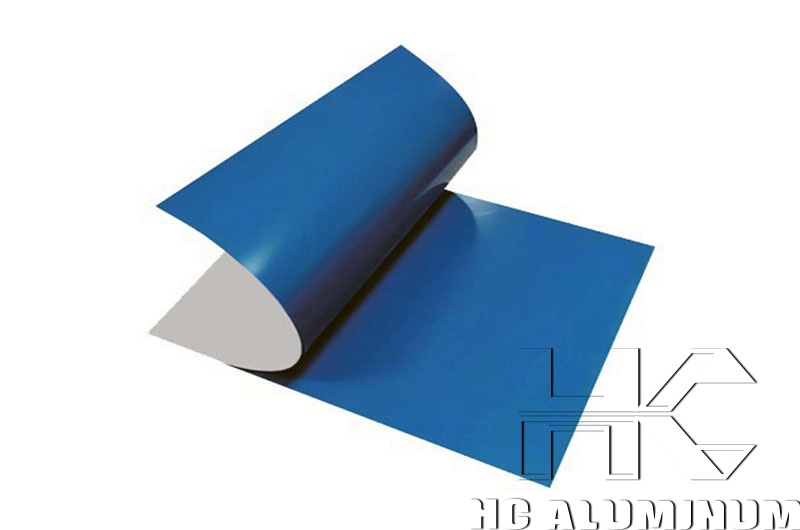
A violet CTP plate can serve as a practical holiday solution when the operation already uses violet computer-to-plate equipment. Its strongest advantage for seasonal print work is fast, stable imaging with violet laser technology, commonly around 405 nm. That matters when holiday SKUs, inserts, cartons, gift packaging, and circulars change close to launch.
Why Holiday Print Runs Fail Before They Reach the Press
Holiday printing has a different risk profile from normal replenishment. Artwork approvals arrive late, version counts increase, and brand teams often request regional changes. If the plate supply plan is weak, the pressroom absorbs the delay.
Use this problem checklist before placing a large-volume order:
| Holiday production risk | Operational effect | What to confirm before ordering |
|---|---|---|
| Late artwork changes | More plate remakes and overtime | Plate availability by size, gauge, and packing method |
| Mixed regional versions | Higher plate count per campaign | Consistent coating batch control and clear labeling |
| Long-distance shipping | Delivery uncertainty before press booking | Export carton strength, pallet protection, and dispatch schedule |
| Compliance review | Shipment can be held by internal QA | SDS, REACH SVHC statement if applicable, and RoHS declaration when requested |
| Price movement | Budget pressure on seasonal jobs | Aluminum index basis, freight term, and validity period of quotation |
Violet-sensitive plates are especially useful where the plant already runs violet CTP setters and needs quick output for short-run and medium-run holiday materials. For teams comparing plate technologies, Violet ctp products should be evaluated by imaging compatibility, run length requirement, processor chemistry, and storage conditions rather than by unit price alone.
Feature Focus: Fast Violet Imaging for Tight Seasonal Windows
The feature to prioritize in this article is imaging speed and workflow stability. A plate that images cleanly and processes consistently reduces remake risk when the calendar is fixed.
Violet CTP systems use violet laser exposure, widely associated with approximately 405 nm laser diodes. In practice, the plate must match the platesetter, processor, exposure setting, and developer control. A low price is not useful if the plate requires repeated calibration during a holiday rush.
Holiday Readiness Comparison
| Item to compare | Violet CTP plate | Thermal CTP plate | Why it matters for holidays |
|---|---|---|---|
| Imaging energy system | Violet laser workflow | Thermal laser workflow | Must match installed platesetter |
| Typical workflow fit | Fast plate output in compatible violet systems | Widely used for commercial and packaging print | Avoids equipment mismatch delays |
| Main control point | Safelight, exposure, processor condition | Exposure, processing, baking if required | Controls remake rate during version changes |
| Procurement concern | Correct sensitivity and storage protection | Correct thermal compatibility and run length | Prevents wrong-plate shipment |
| Best seasonal use | Fast-changing jobs, inserts, forms, catalogs | High-volume, long-run jobs depending on plate type | Aligns plate choice with campaign mix |
Do not approve a holiday plate order without a machine compatibility check. Ask the supplier to confirm the plate works with the named platesetter model, processor type, developer recommendation, and required plate size. If you distribute aluminum sheet, strip, coil, foil, or circles, treat coated lithographic plates as a tighter-specification product because surface treatment, coating uniformity, and packaging protection directly affect print reliability.
Ordering Steps for Seasonal Campaigns
1. Lock the Print Calendar First
Work backward from the in-store or mailing date. For late May and June ordering, allow time for:
- artwork approval and proofing;
- plate production and packing;
- export documentation;
- ocean, air, or truck transit;
- incoming inspection;
- press calibration and first-article approval.
For Father's Day, Eid-related retail, and early July campaigns, plate shortages often appear when every plant requests the same sizes at the same time. Reserve standard formats first, then confirm special sizes.
2. Specify the Plate, Not Just the Material
A reliable purchase specification should include:
- plate type: violet-sensitive offset printing plate;
- application: commercial print, packaging, labels, inserts, or publication work;
- size, thickness, and quantity per carton;
- grain direction or press requirement if relevant;
- compatible platesetter model;
- processing chemistry and replenishment requirement;
- target run length under your press conditions;
- storage temperature and humidity range stated by the manufacturer;
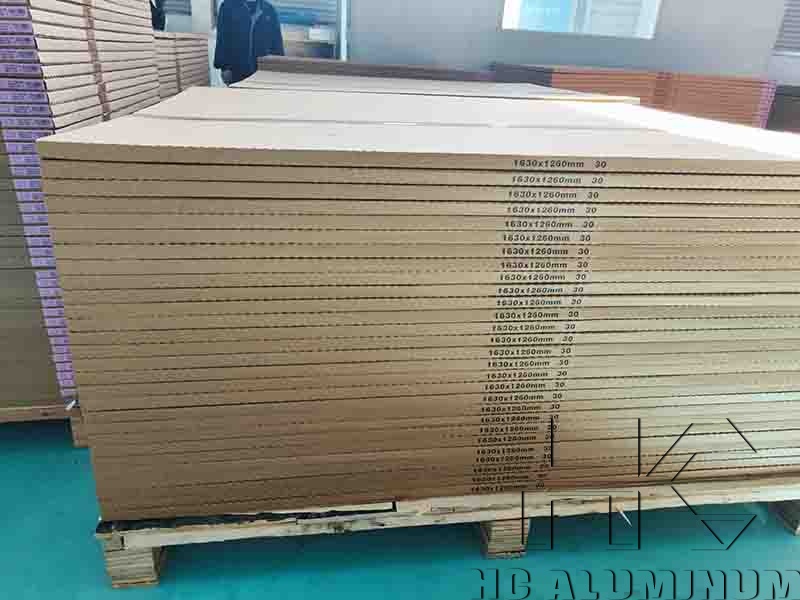
- packing: moisture-proof wrapping, corner protection, pallet details, and export marks.
For aluminum material teams, this is different from ordering plain coil or sheet. The aluminum base is important, but the coated surface is the working product. Mishandling, light exposure, or moisture damage can convert good aluminum into unusable plates.
3. Request Documents That Can Be Verified
Credible seasonal supply depends on paperwork that QA, customs, and brand compliance teams can review. Ask for current documents, not generic statements.
| Document | Why it matters | Verification point |
|---|---|---|
| Technical Data Sheet | Confirms exposure, processing, storage, and run conditions | Product name and revision date |
| Safety Data Sheet | Supports chemical handling and warehouse review | 16-section SDS format aligned with GHS practice |
| REACH SVHC statement | Needed for EU supply chains when applicable | Latest candidate list reference should be stated |
| RoHS declaration | Often requested by corporate compliance teams | Substance scope should be clear |
| Certificate of Analysis or inspection report | Supports batch acceptance | Batch number, size, quantity, and inspection date |
| Packing list | Reduces receiving errors | Carton count, pallet count, gross and net weight |
ISO 12647-2 is a recognized process control standard for offset lithographic printing. It does not certify a plate by itself, but it helps press teams define measurable print targets. ISO 3664 is also commonly referenced for viewing conditions in graphic technology. Use these standards to align plate trials with print evaluation, not as decorative wording on a purchase order.
4. Control Price Without Sacrificing Press Time
Violet plate pricing is affected by aluminum substrate cost, coating chemistry, energy, labor, packaging, freight, and exchange rates. Aluminum is globally traded, so many suppliers monitor London Metal Exchange aluminum references, while freight quotations can change with route capacity and fuel conditions.
Use this pricing checklist instead of asking only for the lowest number:
| Cost item | Question to ask | Risk if ignored |
|---|---|---|
| Aluminum basis | Is the quotation tied to a validity period or index movement? | Requote before dispatch |
| Freight term | FOB, CFR, CIF, DAP, or another Incoterms rule? | Hidden landed cost |
| Packaging | Export pallets and moisture protection included? | Transit damage |
| Plate yield | Expected waste rate during trial? | False savings from re-imaging |
| Payment timing | Deposit, balance, credit terms? | Shipment delay during holiday rush |
When a holiday campaign has a fixed launch date, press downtime usually costs more than a small plate discount. Evaluate total usable plates delivered on time, not only invoice value.
5. Inspect Immediately After Arrival
Do not wait until the press slot opens. Incoming inspection should be completed as soon as the shipment reaches the warehouse.
Inspection list:
- confirm carton labels match purchase specification;
- check pallet damage, moisture marks, and corner compression;
- verify batch numbers against documents;
- open sample cartons under recommended safelight conditions;
- inspect coating surface for scratches, stains, or oxidation signs;
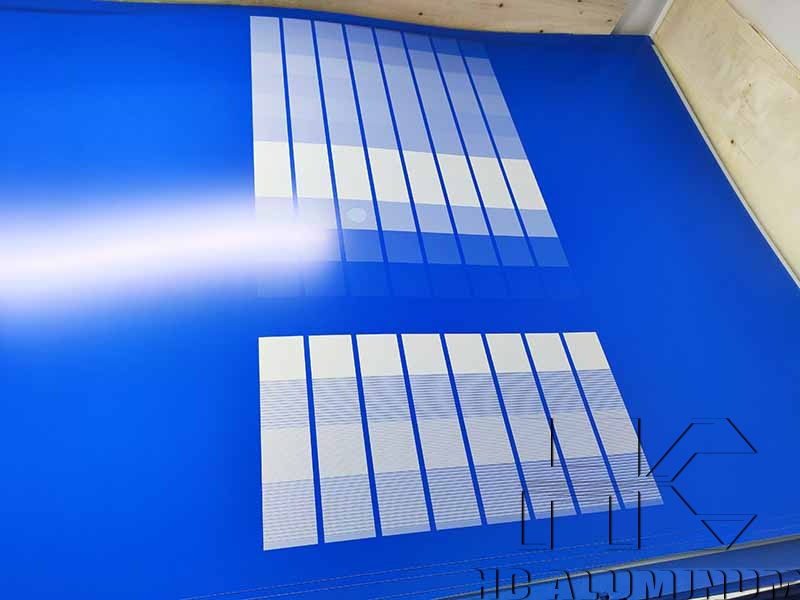
- run a controlled exposure and processing test before full campaign output;
- record results with date, machine settings, and operator name.
Holiday Use Cases for Large-Volume Aluminum Material Channels
For companies already handling aluminum sheet, strip, coil, foil, and circles, violet plates can complement seasonal demand in print-related accounts. The most suitable customers are not those asking for generic aluminum. They are printers and converters with installed violet CTP equipment and recurring deadline-driven work.
| Holiday period | Common printed items | Plate planning action |
|---|---|---|
| Late May to June | Eid promotions, Father's Day cards, graduation programs | Reserve standard plate sizes and confirm processor chemistry |
| June to July | Summer retail flyers, July 4 packaging, travel inserts | Increase safety stock for remake demand |
| July to August | Back-to-School catalogs, notebooks, stationery packaging | Confirm batch consistency for repeated SKUs |
| September onward | Halloween, Diwali, Singles' Day, Christmas previews | Plan container space earlier to avoid freight pressure |
A violet plate order is ready for holiday production only when these items are complete:
- platesetter compatibility confirmed;
- plate size and thickness approved by the pressroom;
- TDS, SDS, and compliance statements received;
- pricing validity and freight term written on the offer;
- export packing method confirmed with photos or specification;
- trial plates tested before the full seasonal run;
- reorder trigger set before safety stock falls below campaign requirement.