How Do We Ensure Quality And Consistency Of PS And CTP Plate
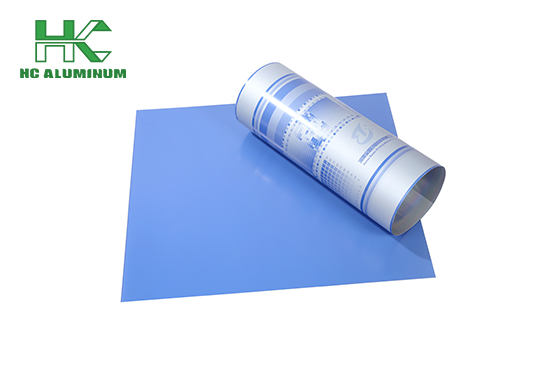
In offset printing production, the printing plate is a critical factor determining color reproduction, halftone dot fidelity, and registration accuracy. Currently, the industry predominantly uses pre-sensitized (PS) plates and Computer-to-Plate (CTP) systems.
In actual production, issues such as color variations, uneven dot sizes, fluctuating print durability, and abnormal development often arise between different plate batches, directly leading to inconsistent finished product quality, higher rework rates, and increased production costs.
To effectively resolve batch quality discrepancies and ensure consistent production quality, control measures should be implemented across five dimensions: root cause analysis, raw material management, process standardization, end-to-end inspection, and storage/maintenance.
I. Identifying the Root Causes of Batch Quality Fluctuations
To stabilize printing quality across batches, it is essential to first understand the inherent limitations of both plate types and implement targeted controls to avoid haphazard operations.
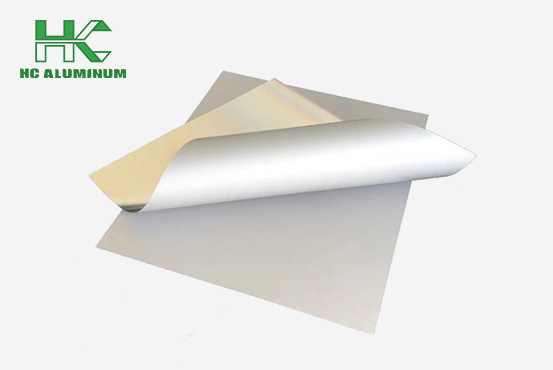
PS plates rely on a traditional film-based exposure process involving multiple steps—such as exposure, development, and plate retouching—where significant manual intervention often drives batch quality fluctuations.
Common issues include poor fine-dot reproduction, loss of detail in highlights and shadows, uneven photosensitive coating thickness, and significant deviations in manual processing parameters; furthermore, they are prone to oxidation and fogging during long-term storage, resulting in generally lower overall stability.
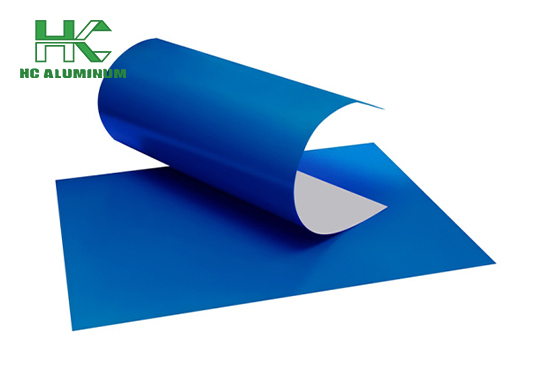
CTP plates utilize a digital platemaking process that eliminates the need for intermediate film and offers a high degree of automation, resulting in superior baseline consistency compared to PS plates.
However, quality fluctuations typically stem from three areas: equipment, consumables, and the substrate itself. Issues such as variations in laser exposure energy between batches, inconsistent thermal coating uniformity, and unevenness in the aluminum substrate can directly cause fluctuations in dot gain, thereby compromising color consistency across print runs.
II. Raw Material Control at the Source
Variations in raw material batches are a primary cause of mass quality issues; therefore, controlling quality at the source serves as the first line of defense for stability. For PS plates, it is crucial to secure core suppliers and minimize changes to supply channels.
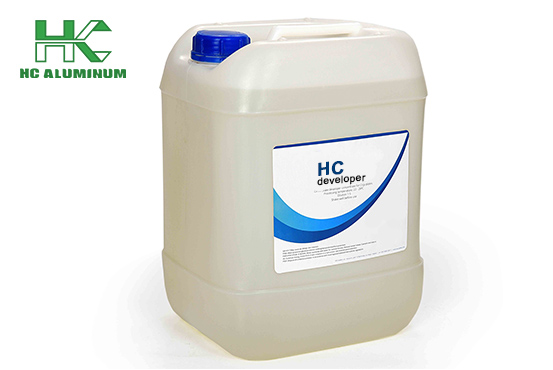
Upon the arrival of each batch, key inspections should focus on four critical indicators: substrate thickness, photosensitive coating uniformity, photosensitivity speed, and alkali resistance. At the same time, standardize the models of supporting consumables; use developer and finisher solutions from the same brand throughout the process, and strictly prohibit mixing different batches of consumables. New consumables must undergo small-batch trial production to verify plate quality and development results before being introduced into mass production.
For ctp plates customized, we focus on controlling the precision of the aluminum substrate and the stability of the thermal coating. Strictly adhere to industry standards, keeping performance variations within the same plate type to under 0.08. Upon delivery, inspect coating density, laser sensitivity thresholds, and substrate flatness to eliminate issues such as substrate warping or uneven coating thickness.
Additionally, standardize the models of developer and replenisher solutions and precisely record mixing ratios to prevent over- or under-development caused by variations in consumable properties.
III. Standardized Process Control
Inconsistent process parameters and non-standardized operations are the primary causes of human-induced quality fluctuations. Standardized workflows must be established based on the specific characteristics of the two plate types to ensure fixed parameters and uniform operations.
PS plate offset factory relies on human-machine collaboration, requiring the full standardization of process parameters. Standardize exposure time, light source intensity, and exposure distance; use step wedges to calibrate exposure accuracy and minimize operational deviations between personnel and shifts.
Maintain the developer temperature at 23°C ± 2°C, monitor solution pH and concentration in real-time, and perform regular replenishment to prevent plate fogging or dot loss caused by solution aging. Also, standardize procedures for plate retouching, gumming, and drying.
CTP plate production relies primarily on digital equipment, making the stability of equipment parameters crucial. Calibrate laser head focus accuracy and exposure uniformity daily before startup to correct for precision drift. Standardize core parameters such as plate-making resolution, dot shape, and laser power, while maintaining comprehensive data records.
Use an automatic mode with constant temperature and speed for plate processing; fix equipment parameters and regularly clean rollers to prevent plate scratches and uneven development, ensuring consistent dot reproduction across batches.
IV. Comprehensive Batch Inspection System
Move away from rough, experience-based quality checks and establish a four-level quantitative inspection system: incoming material spot checks, mandatory first-piece inspection, in-process batch inspections, and final product inspection.
After a batch change, a pilot plate must be produced. Key metrics—such as dot reproduction rate, dot gain, plate density, and registration accuracy—must be rigorously tested and compared against parameters from approved samples; mass production may only proceed once standards are met.
During production, spot checks should be conducted every 30 to 50 plates to specifically screen for common issues such as dot loss, plate fogging, and coating delamination (for PS plates), as well as uneven exposure, surface scratches, and tonal banding (for CTP plates). A comprehensive quality log must be maintained to record data across raw materials, processing, and inspection, ensuring traceability and enabling the rapid identification of root causes for any anomalies.
V. Storage and Routine Equipment Maintenance
Proper storage conditions prevent quality inconsistencies during the use of plates from the same batch. PS plates must be stored vertically in a light-shielded, temperature- and humidity-controlled environment (18–25°C; 50%–65% humidity) to protect them from compression, oxidation, and moisture.
CTP plates should be stored in designated zones away from acidic or alkaline substances; new and old batches must be kept separate, with older stock prioritized for use. Plates exceeding their shelf life require re-inspection and approval before use.
Equipment precision drift and aging pose hidden risks to quality, necessitating a system for routine maintenance. Core components must be cleaned daily, exposure and drive system precision calibrated weekly, and electrical circuits, temperature control systems, and chemical circulation systems comprehensively overhauled monthly. Additionally, pre-job training for operators and standardized operating procedures must be implemented to minimize human error and ensure consistent plate-making quality.