PS Printing
What PS Printing Plates Do in Offset Production
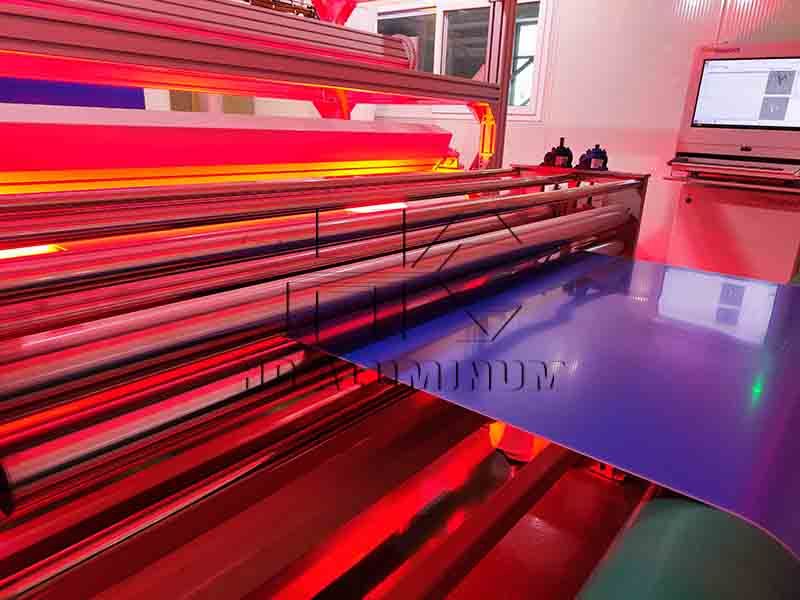
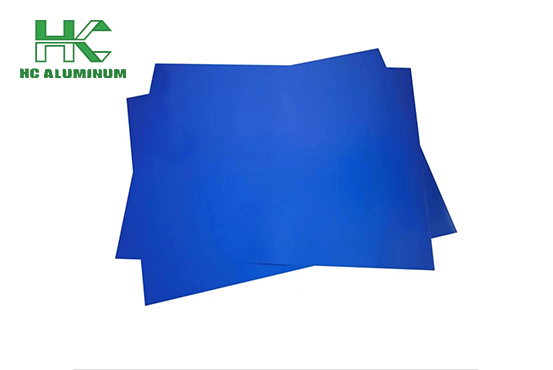
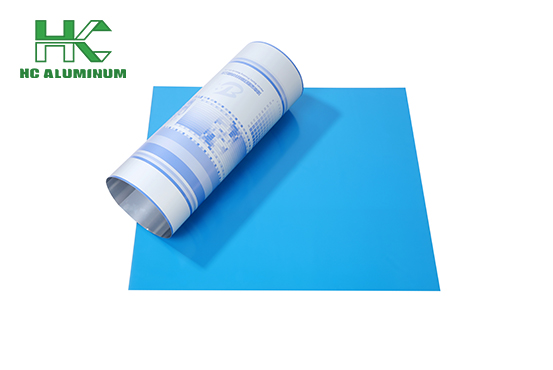
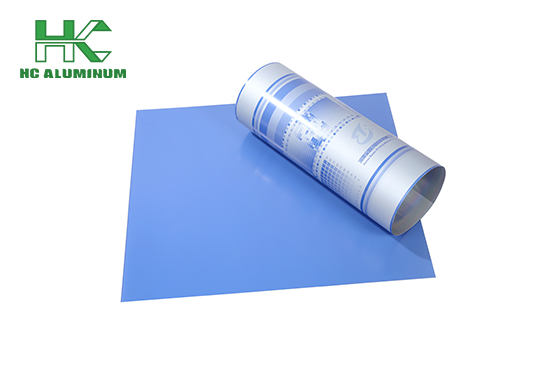
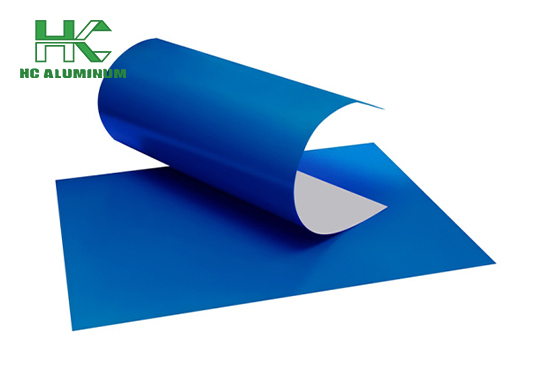
PS printing refers to offset production using pre-sensitized aluminum plates. A conventional positive-working PS plate is exposed through a film negative, developed, gummed, and mounted on an offset press. The exposed image area accepts ink, while the non-image area retains water. This chemical contrast enables clean reproduction of text, line work, halftones, and solid color areas.
For operations that still use film workflows, PS plates remain a practical option because they offer established process control, broad press compatibility, and competitive material cost. They are widely used for commercial forms, packaging inserts, books, newspapers, labels, and local print jobs where film output equipment is already installed.
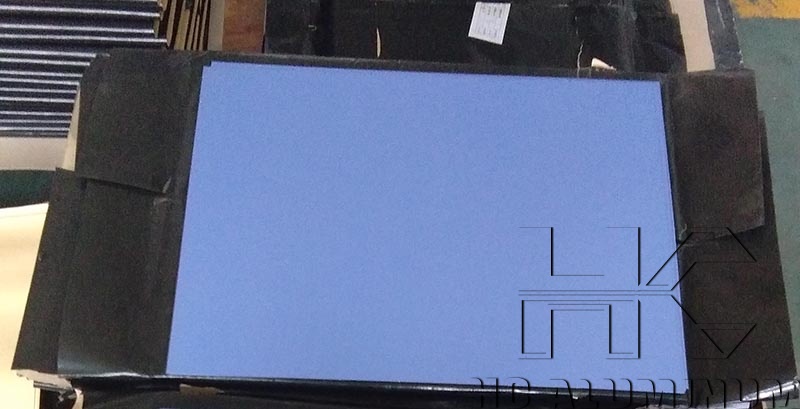
Plate selection should start with the imaging workflow rather than plate price alone. Standard analog PS plates require a contact frame and film. CTCP plates are digitally imaged by a UV laser platesetter, generally in the 400-410 nm range, while thermal or violet CTP plates are designed for dedicated computer-to-plate equipment. Although these products share an aluminum substrate and photosensitive coating concept, they are not automatically interchangeable.
| Plate Type | Imaging Method | Typical Strength | Main Consideration |
|---|---|---|---|
| Positive PS plate | Film exposure and processing | Familiar analog workflow and economical entry cost | Requires stable film, vacuum contact, exposure, and development control |
| CTCP plate | UV laser direct imaging | Eliminates film in compatible workflows | Needs a CTCP platesetter and matching plate sensitivity |
| Thermal CTP plate | Thermal laser imaging | Strong consistency and automated workflows | Higher equipment and plate investment |
| Violet CTP plate | Violet laser imaging | Fast imaging and efficient modern workflows | Requires compatible violet platesetter and chemistry |
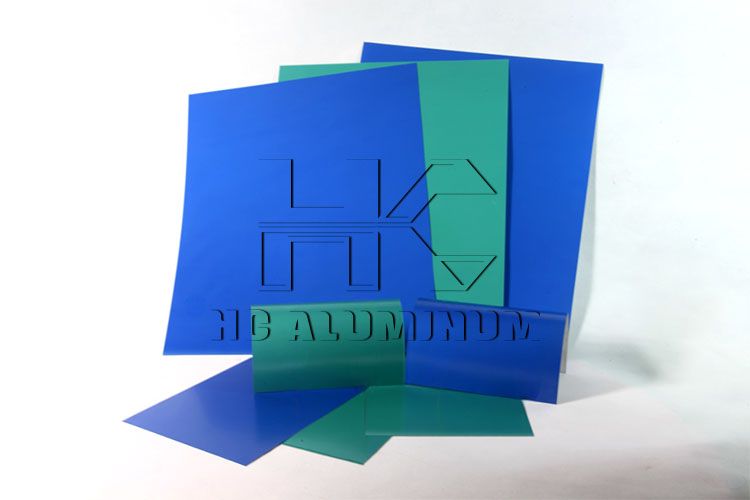
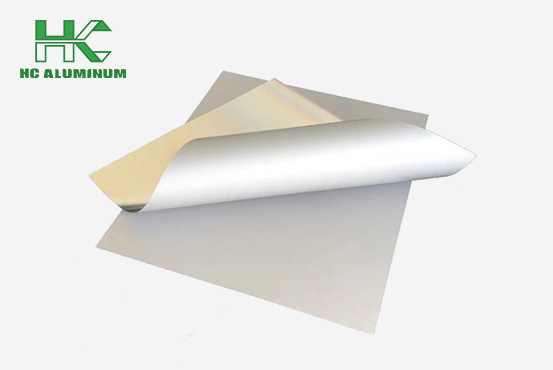
A quality PS Plate should provide a uniform grained and anodized aluminum surface, consistent coating weight, clean edge finishing, and predictable development latitude. For bulk orders, request technical data showing thickness, spectral sensitivity, recommended exposure energy, developer conditions, run length, and storage requirements. These details affect press stability more directly than a general product description.
Printing Performance and Process Control
Plate performance depends on the complete process chain. In analog work, film density, contact quality, exposure time, developer activity, rinse quality, gum application, and drying all influence dot reproduction. Weak vacuum contact or poorly opaque film can reduce image sharpness. Overexposure may close fine highlights, while underexposure can cause weak image areas and premature wear.
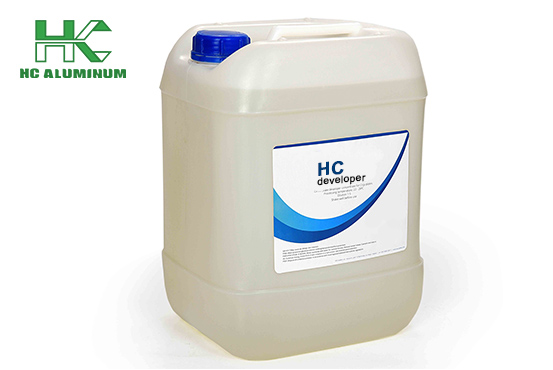
The plate processor must be maintained within the supplier's specified temperature, replenishment, conductivity, and dwell-time window. Developer that is exhausted, contaminated, or operated at the wrong temperature may leave coating residue, remove image areas, or create uneven background sensitivity. Gum protects the non-image area from oxidation and helps preserve hydrophilicity during storage before press mounting.
On press, the practical indicators are fast ink-water balance, clean non-image areas, stable solids, sharp halftone dots, limited toning, and resistance to scumming. Plate run length is not a fixed number because it changes with press condition, ink formulation, fountain solution, blanket condition, paper abrasiveness, cleaning frequency, and impression pressure. A supplier claim should therefore be checked through a controlled press trial using the intended substrate and production settings.
For color jobs, process control should align with ISO 12647-2, the widely used standard for offset print process control. This standard addresses defined printing conditions, tonal value increase, colorimetric aims, and proof-to-press consistency. It does not certify a plate by itself, but it provides a useful framework for evaluating plate behavior in a controlled production environment. Ink and fountain solution compatibility should also be verified, especially when using low-alcohol or alcohol-reduced dampening systems.
Cost, Supply, Compliance, and Purchasing Cycles
The delivered cost of a plate is more than the invoice price per square meter. It includes aluminum gauge, coating technology, protective interleaf paper, carton strength, freight, import duties where applicable, local warehousing, chemistry consumption, waste treatment, and spoilage risk. A lower-priced plate can increase total operating cost if it requires tighter exposure control, produces more processor waste, or causes additional press downtime.
| Cost Driver | Effect on Total Cost | Procurement Check |
|---|---|---|
| Aluminum substrate | Major influence on plate pricing and stiffness | Confirm thickness tolerance and alloy consistency |
| Coating performance | Affects exposure latitude and run stability | Review batch test data and press-trial results |
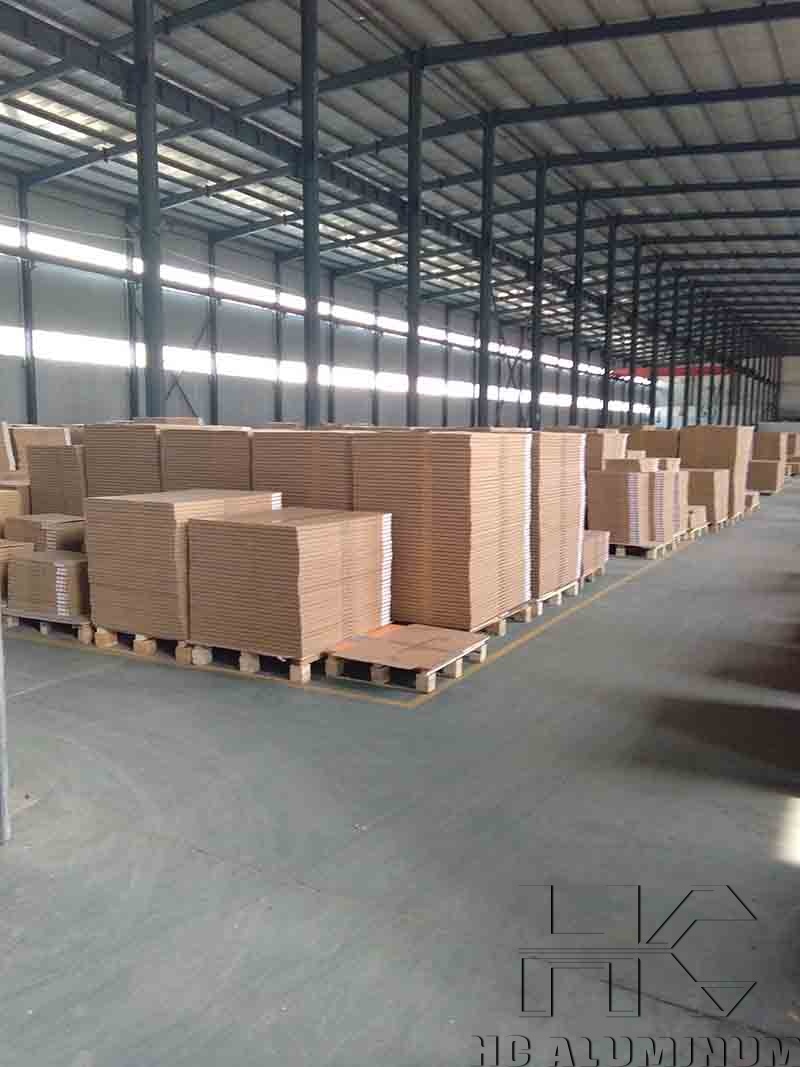
| Packaging | Influences edge damage and humidity protection | Specify palletization, corner protection, and moisture barriers |
| Freight and lead time | Can outweigh small unit-price differences | Compare delivered cost, shipment frequency, and safety stock |
| Processing chemistry | Impacts consumable spend and wastewater handling | Confirm compatibility with existing processor settings |
Aluminum is the largest commodity exposure in conventional plate manufacturing. Plate pricing may move with aluminum market conditions, energy costs, coating chemicals, exchange rates, and regional freight capacity. Demand also follows the print calendar. Commercial and educational printing often strengthens before school terms and year-end campaigns, while packaging demand may be steadier but linked to consumer goods production. Maintaining agreed safety stock can reduce disruption during seasonal peaks or shipping delays.
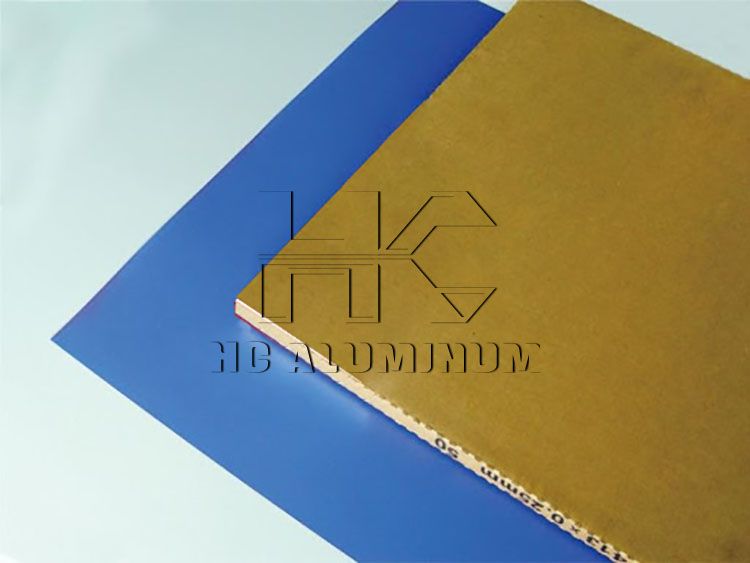
Supply reliability should be measured by batch consistency, not only lead time. For recurring orders, establish an approved sample, plate specification, packaging standard, lot identification, and acceptance criteria. Useful incoming checks include plate dimensions, thickness, surface cleanliness, coating uniformity, edge condition, carton damage, and shelf-life labeling. Plates should be stored flat in a cool, dry location away from direct sunlight and large temperature swings. High humidity, condensation, and excessive heat can affect coating behavior and shelf stability.
Compliance documentation deserves the same attention as technical performance. Depending on the destination market, request Safety Data Sheets for plates, developer, replenisher, cleaner, and gum. Suppliers should provide current information relevant to REACH where applicable, including declarations regarding substances of concern. Waste developer and rinse water must be handled according to local environmental rules, because spent processing solutions can contain alkaline chemicals and dissolved coating residues.
For large-format or recurring supply programs, use a staged qualification approach: test initial samples, validate the plates under normal press conditions, approve a production batch, and then monitor each lot against agreed press and inspection results. This approach supports consistent PS printing performance while allowing purchasing teams to manage cost changes without sacrificing pressroom reliability.