PS Plate VS CTCP Plate
With the continuous development of printing platemaking technology, PS plate and CTCP plate are two common platemaking materials in the printing industry. They play an important role in the printing process, but there are significant differences in many aspects.
Platemaking principle
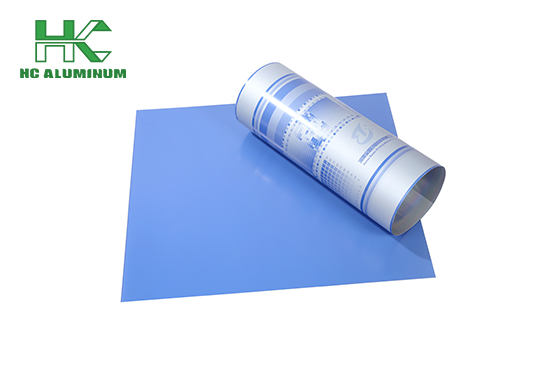
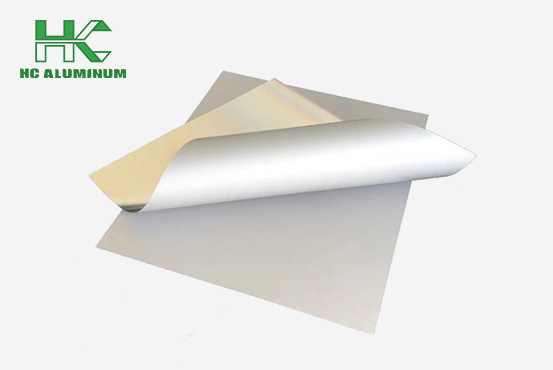
PS plate, or pre-coated photosensitive plate (Presensitized Plate), is a traditional platemaking material. Its platemaking process is based on photochemical reaction, and a photosensitive layer is first pre-coated on the plate base (usually an aluminum plate). When making plates, the image information on the film is exposed to the positive PS plate wholesale through the phototypesetter, and the photosensitive layer of the light-receiving part undergoes a photodecomposition reaction.
Then, after chemical treatments such as development and fixing, the photosensitive layer of the unexposed part is removed, thereby forming the image part and the blank part. This process relies on film as an image carrier, and it is necessary to make film first and then perform exposure transfer. The process is relatively cumbersome.
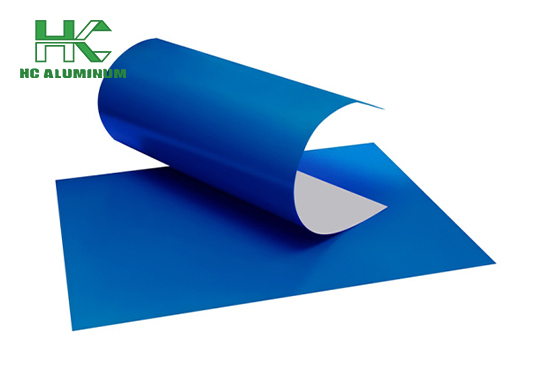
The full name of CTCP plate is Computer to Conventional Plate. Its platemaking principle is to use thermal technology or ultraviolet laser technology to directly output the digital image information in the computer to the CTCP plate through the CTCP platemaking machine.
Taking thermal CTCP as an example, the plate is coated with a heat-sensitive coating. The heat energy emitted by the platemaking machine causes the heat-sensitive coating of the image part to undergo physical changes, forming an oleophilic image area, and the non-image part maintains hydrophilic properties. Without film, the digital signal is directly converted into an image on the printing plate, which simplifies the platemaking process and reduces the intermediate links.
Platemaking quality varies
Since PS platemaking involves the addition of film, factors such as film quality, light uniformity during exposure, and concentration and temperature of developing and fixing solutions may affect the final platemaking quality. During the film production and transfer process, problems such as dot deformation, loss or dirty spots are prone to occur, resulting in poor clarity, color reproduction and layering of the printed image, especially when printing fine images and highlights and dark tones.
CTCP plates are imaged directly from computer data, avoiding the quality risks brought by film, and can achieve higher resolution and more accurate dot restoration. It can reproduce 1-99% of the dots, making the highlights of the printed products brighter, the shadows darker, the layers richer, and the colors more vivid. For high-quality commercial printing and packaging printing, CTCP plates can better meet customers' strict requirements for printing quality.
Cost and efficiency
PS plate making technology is mature, and the prices of related equipment and consumables are relatively low, with low initial investment costs. However, its plate making process is long, and film production is required, which increases film and labor costs, and the film is easily damaged, requiring additional storage and management costs.
At the same time, due to the many processes, the plate making efficiency is low, and the time required from typesetting to making printing plates is long, which is not conducive to short-run printing and emergency printing tasks.
The price of CTCP plate making equipment and plate materials is relatively high, and the initial equipment investment is large. However, it eliminates the film production link, reduces the cost of film and related consumables, and has a fast plate making speed, which can complete the plate making in a short time and improve the printing production efficiency.
For short-run printing and on-demand printing business, CTCP plate customized can greatly shorten the production cycle and reduce the unit printing cost, which has cost advantages in long-term use and large-scale production.