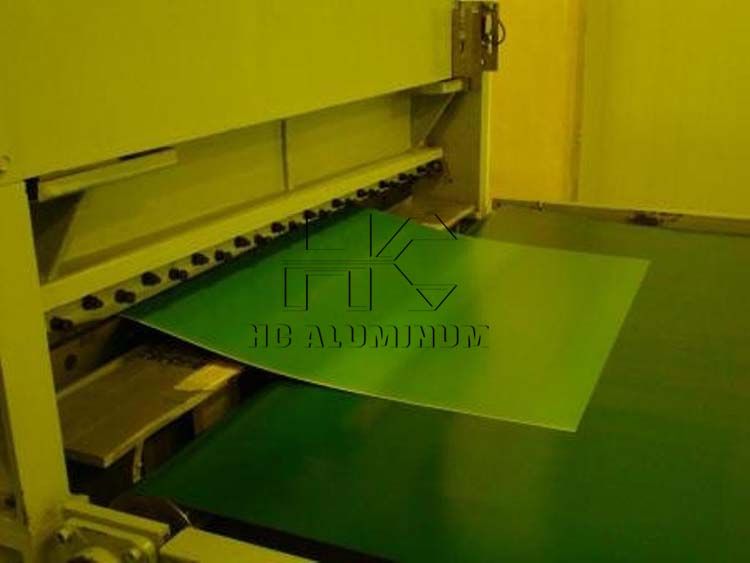
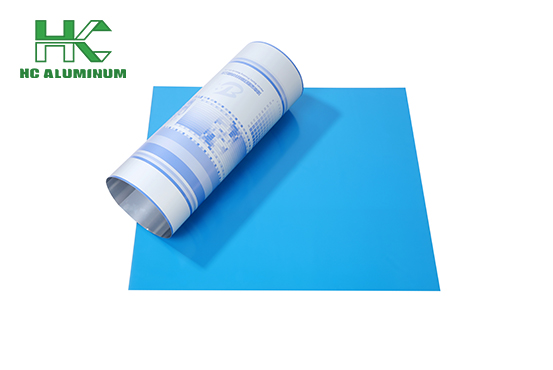
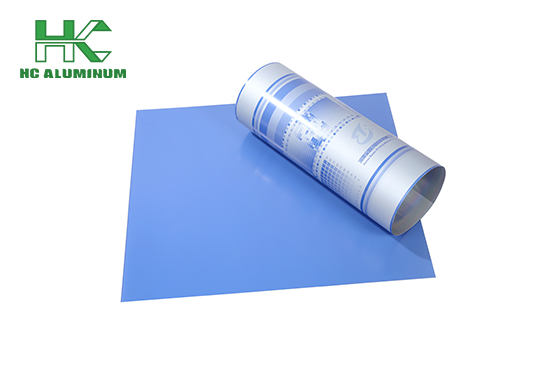
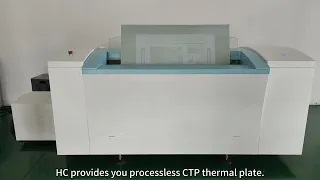
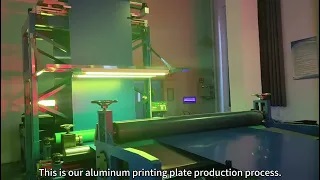
What Is Offset Printing Plate Making Process
From traditional PS plates (presensitized plate) to the digital-era violet CTP plates (computer-to-plate), the iterative history of offset printing plates is essentially a struggle between "chemical tradition" and "digital innovation."
Substrate Treatment
Both types of plates use electrolytic alumina plates as the substrate, but to adapt to different imaging logic, there are significant differences in surface treatment precision and detail, which forms the basis for subsequent process differences.
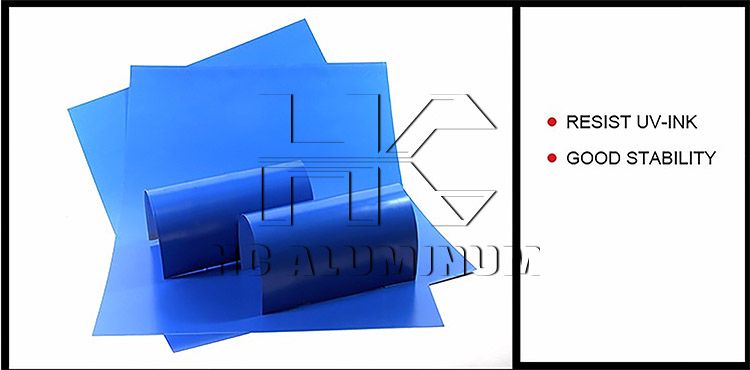
1. PS Plate
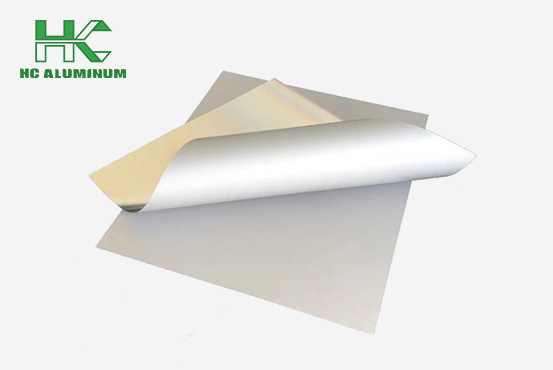
PS plates use 0.15-0.3mm thick electrolytic alumina plates. The core objective is to create a uniform hydrophilic sand-like structure. The process includes three steps: electrolytic roughening (etching initial texture) → anodizing (generating an alumina film to improve printing durability) → sealing treatment (sealing micropores). The final sand-like roughness Ra value is controlled at 0.5-1.5μm, only needing to meet the adhesion of the diazo resin photosensitive layer and the basic ink-water balance; the precision requirements are relatively relaxed.
2. Violet CTP Plate
While also employing the "electrolytic roughening-anodization-sealing" process, the CTP plate boasts a finer grain structure. To accommodate the precise scanning of a 405nm violet laser, its grain is not only more uniform but also features optimized surface smoothness.
This enhances the photosensitive layer's sensitivity to the laser and improves the stability of the ink-water balance, laying the foundation for high-precision dot reproduction. This optimization allows the CTP plate to accurately capture laser spots at the 1μm level in subsequent imaging.
Photosensitive Layer Coating
The photosensitive layer is the core of the plate's imaging process. The photosensitive materials and coating requirements for the two types of plates are drastically different, directly determining the differences in subsequent plate-making logic.
1. PS Plate
The PS plate uses diazo resin as its core photosensitive component, with a coating thickness controlled at 1-3g/㎡. During manufacturing, it is only necessary to ensure that the coating is uniform, bubble-free, and scratch-free, and after drying, it bonds tightly to the aluminum substrate. The advantages of this type of photosensitive layer are mature technology and low cost, but it is sensitive to light, requiring operation in a darkroom environment, and the imaging accuracy is limited by the uniformity of the chemical reaction.
2. Violet CTP Plate
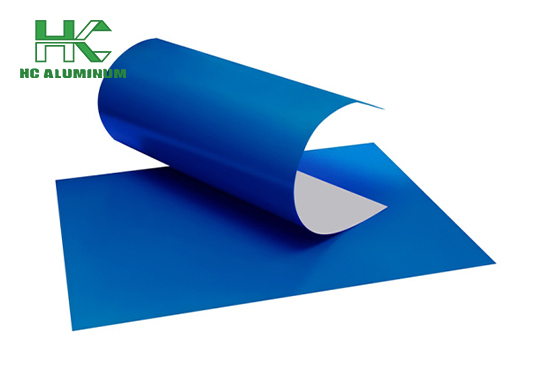
To match the digital imaging of violet lasers, violet CTP plates use photopolymers as the photosensitive core, requiring a thinner coating and extremely high uniformity. Its photosensitive layer is specially formulated to precisely respond to 405nm violet laser irradiation—the laser-irradiated area undergoes a cross-linking reaction to form a latent image, while the unirradiated area can be removed by development (or water).
More importantly, CTP plates are divided into ordinary and chemical-free types. The latter does not require alkaline developing solutions, only water rinsing is needed for imaging, and the waste liquid volume is only 3-4% of that of ordinary CTP plates, showing significant environmental advantages. PS plates, on the other hand, do not have this option and must rely on a chemical developing system.
Plate Making Process
The plate making process is the most intuitive manifestation of the difference between the two types of plates: PS plates rely on traditional chemicals and film, while CTP plates are completely digital, simplifying the steps and significantly increasing accuracy.
1. PS Plate
PS plate making is an "indirect imaging" process, relying entirely on film and chemical processing. The steps are cumbersome and manual:
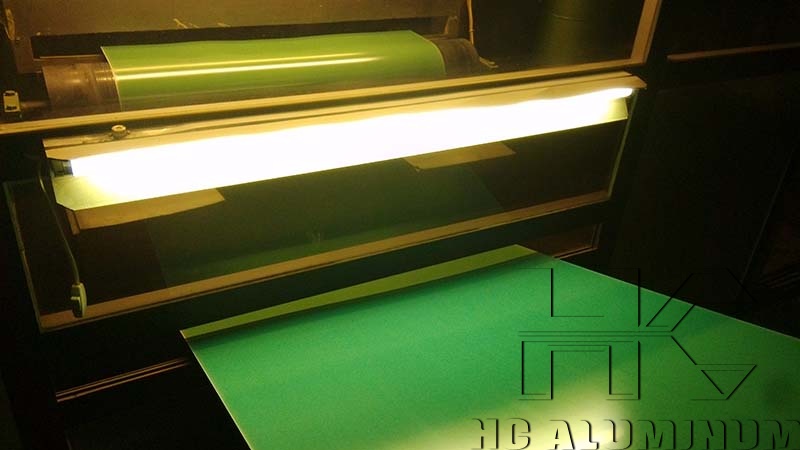
Film Exposure: Positive/negative films are tightly bonded to the PS plate, and exposed to UV light emitted by an iodine-gallium lamp, causing photodecomposition or photopolymerization of the photosensitive layer;
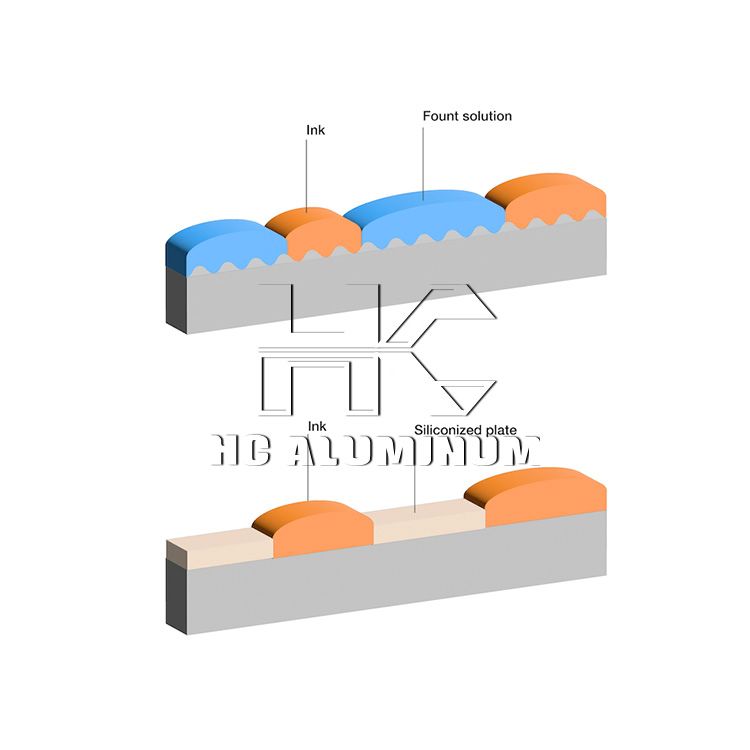
Alkali Development: The reacted photosensitive layer is dissolved with a dilute alkaline solution, separating the image (oleophilic) and blank (hydrophilic) areas;
Post-processing: Manual cleaning and retouching are required. If necessary, the plate is baked at 230-250℃ for 5-8 minutes to improve printing durability. Finally, gum arabic is applied to protect the hydrophilicity.
This process is not only numerous and time-consuming, but even minor errors in film precision and manual operation can affect the final image quality. The standard printing durability is only 30,000-80,000 impressions, and even after baking, it's only around 150,000 impressions.
2. Violet CTP Plate
CTP plates completely eliminate the need for film, achieving direct conversion from "digital file → laser imaging," significantly simplifying the process and making it digitally controllable:
Digital Import: Import PDF and 1-bit TIFF files into the CTP system, which then generates laser scanning instructions after RIP processing;
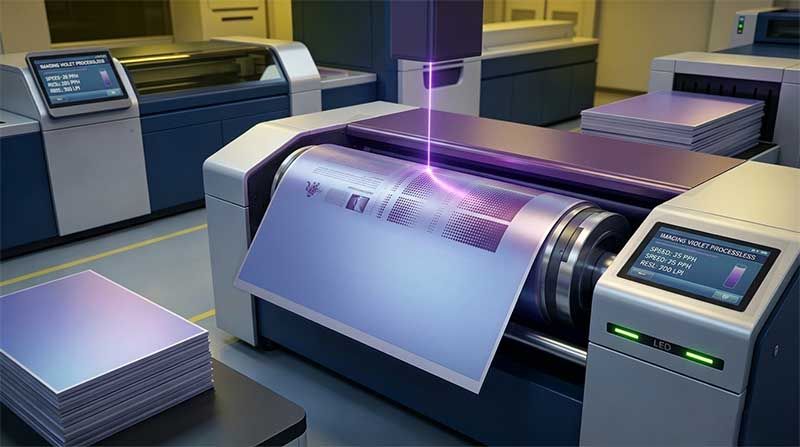
Laser Exposure: A 30-60mW violet laser diode emits a 405nm laser, directly scanning the violet CTP plate surface, forming a latent image on the photopolymer photosensitive layer;
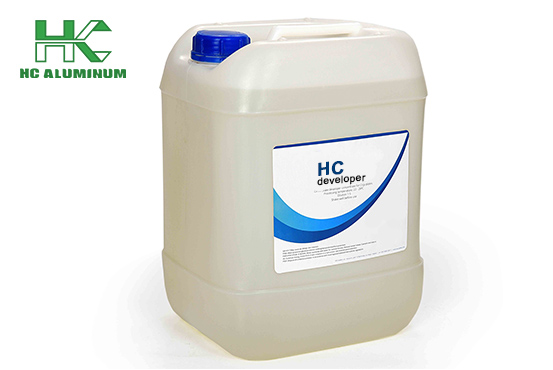
Developing/No-treatment: Standard models use weak chemical development, while no-treatment models only require rinsing with water;
Post-processing: No manual plate retouching is required; simple glue application is all that's needed before printing. After baking, the plate's durability can reach over 1 million impressions.
Furthermore, it's worth mentioning that violet lasers are cold light sources, offering high stability and allowing operation in bright environments, significantly reducing the operational threshold and error margin. It can accurately reproduce 1%-99% of halftone dots, with a registration error ≤0.03mm, fully meeting the demands of high-end printing.