What Is Offset Lithography
Offset lithography is ubiquitous in our daily lives—from books and magazines to advertising posters and exquisite designs on packaging boxes, most are produced using offset printing technology. As one of the most widely used technologies in the printing industry, offset printing firmly holds its position as the "mainstream printing method" due to its accurate color reproduction and stable print quality.
What is offset lithography?
Offset printing, also known as "offset plate printing," can be summarized by its core principles of "indirect printing" and "oil-water immiscibility."
First, the image areas on the printing plate absorb ink, while the non-image areas absorb water. Then, this ink-laden image is transferred to a blanket cylinder. Finally, the blanket cylinder presses the image onto a substrate such as paper, completing the printing process.
This "indirect transfer" method makes offset printing more adaptable to various substrates, achieving clear printing on paper, plastic, and metal.
At the same time, the "oil-water separation" characteristic ensures clean image edges and rich colors, which is a key reason why offset printing has become the preferred technology in high-quality printing fields such as books and packaging.
Types and Evolution of Printing Plates
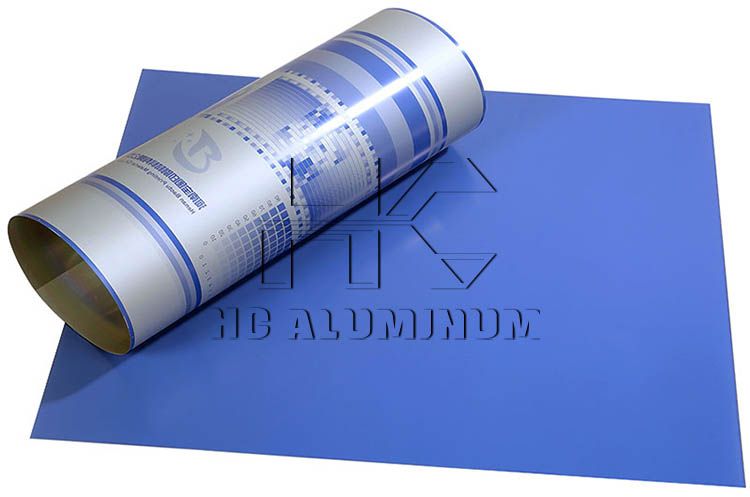
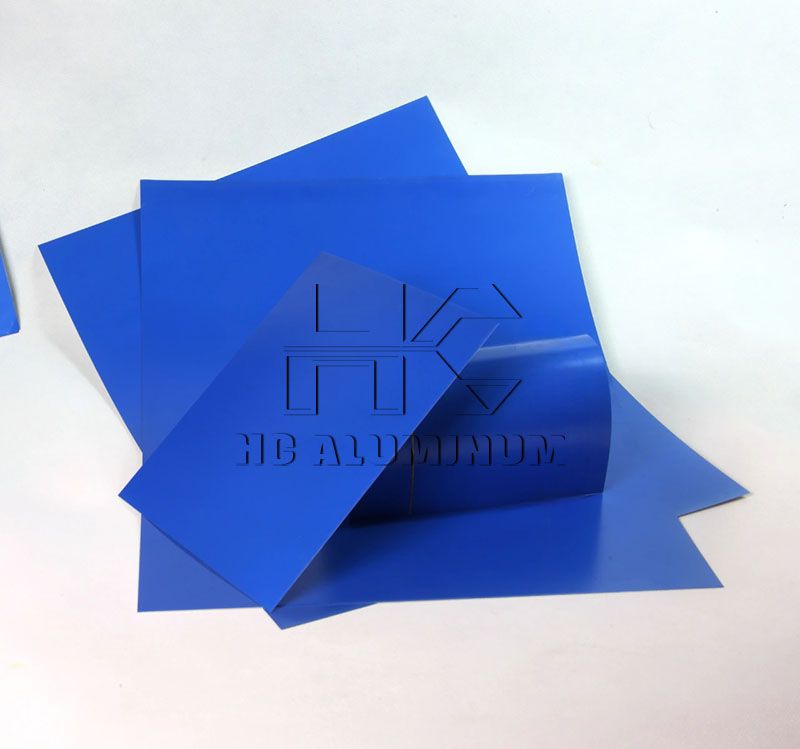
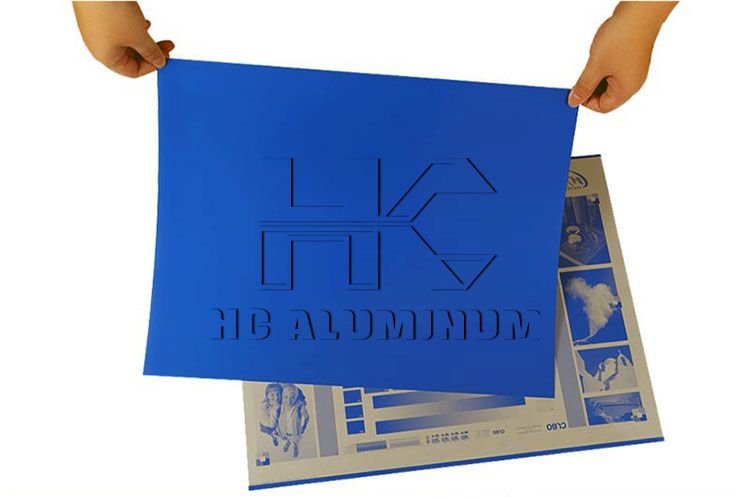
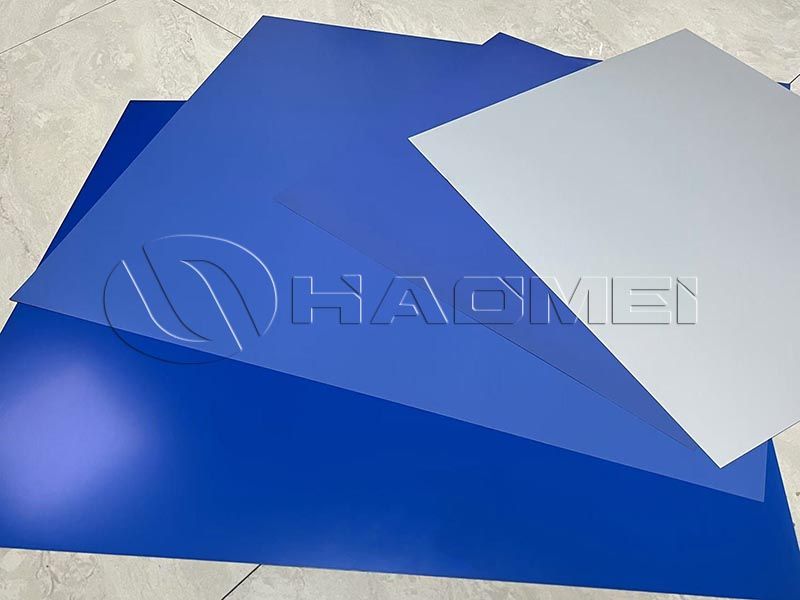
Printing plates are the core component of offset printing. With the development of printing technology, offset printing plates have undergone iterations from traditional to modern methods. Currently, the two most mainstream plates on the market are PS plates and CTP plates.
1. PS Plates
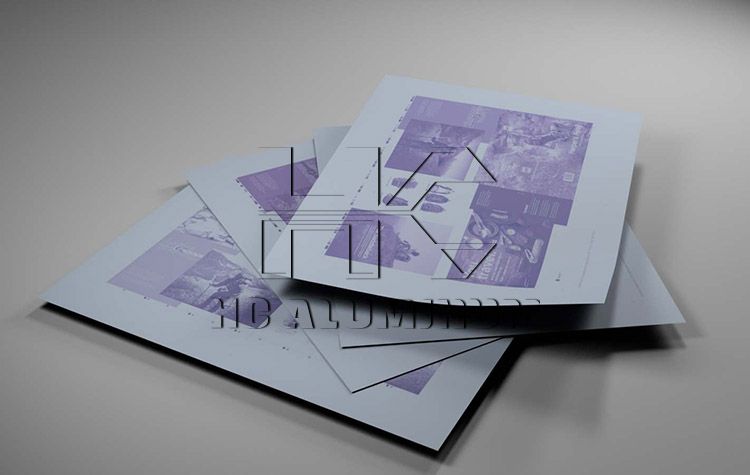
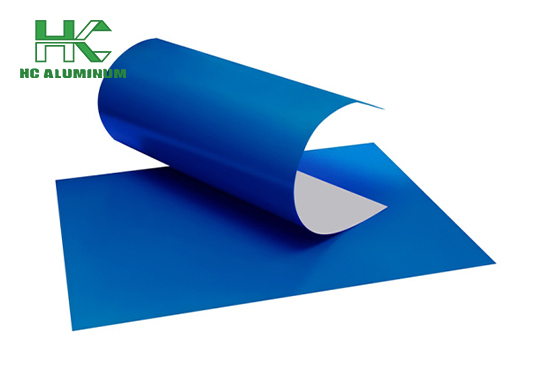
PS plates, short for "pre-coated photosensitive plates," have been the standard in the offset printing industry for decades. Their structure consists of a base (usually an aluminum plate) and a photosensitive layer on the surface.
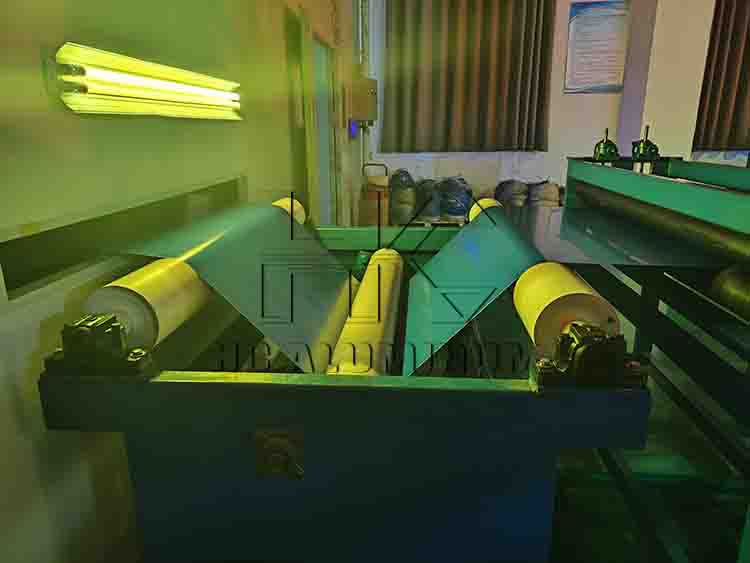
The key step in their use is "plate exposure"—first, the designed image film is placed on the PS plate, and then ultraviolet light is used to cause a chemical reaction in the photosensitive layer. After development and fixing, the image and non-image areas are separated, ultimately forming a usable printing plate.
The advantages of PS plates lie in their mature technology, relatively low cost, and good compatibility with printing equipment. They are still widely used in some small and medium-sized printing plants and short-run printing businesses.
However, PS plates also have obvious drawbacks: they rely on film exposure, a cumbersome process that is not only time-consuming but also susceptible to variations in printing accuracy due to film quality and exposure techniques. Furthermore, the use of film increases environmental pressure. If you look for a PS printing plate factory, you can contact HC printing.
2. CTP Plates
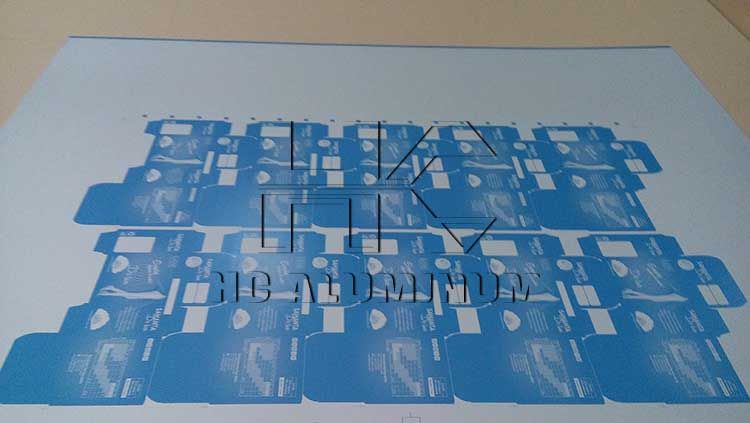
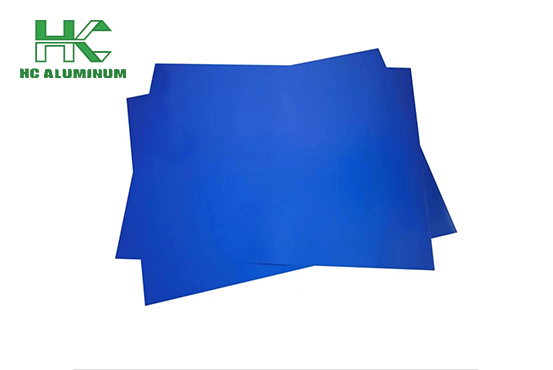
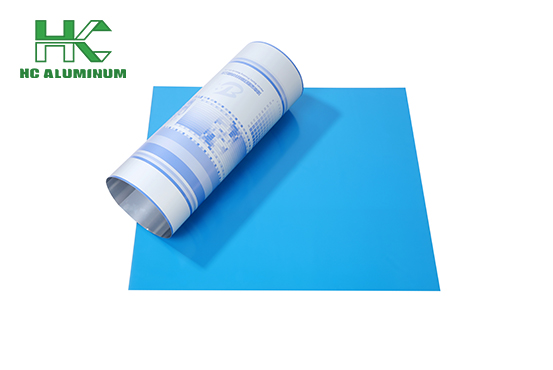
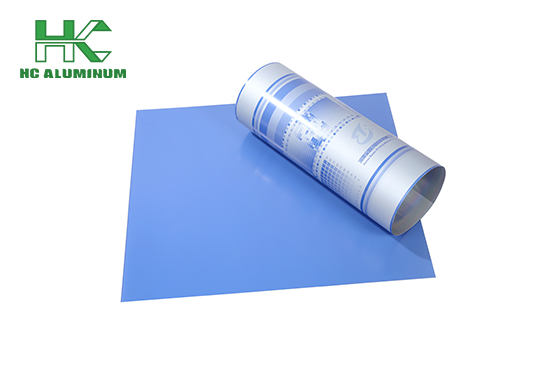
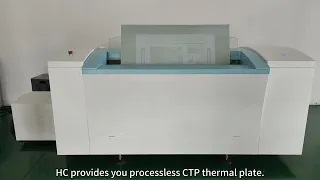
CTP plates, or Computer-to-Plate (CTP) plates, are a new type of plate material that emerged with the rise of digital printing technology. Its biggest breakthrough lies in "skipping film," directly transferring image and text information to the photosensitive layer of the CTP plate via laser scanning using a computer. After development, it can be directly mounted for printing. This "digital direct output" mode completely simplifies the plate-making process.
Compared to PS plates, CTP plates have significant advantages: firstly, they offer higher plate-making efficiency, eliminating the time spent on film production and exposure, significantly shortening the printing cycle; secondly, they provide higher printing accuracy, as direct digital signal transmission reduces errors in intermediate steps, accurately reproducing subtle details; and thirdly, they are more environmentally friendly, eliminating the need for film and related chemical reagents, reducing pollution. Today, CTP plates have become the dominant technology in high-quality printing, long-run printing, and businesses with strict delivery requirements.
Market Landscape
With the accelerated digital transformation of the printing industry, the market share of PS plates and CTP plates has changed significantly. According to the latest industry statistics, CTP plates now account for over 70% of the domestic offset printing plate market, and even exceed 80% in some developed regions, firmly holding a dominant position. If you buy CTP Plate in bulk amount, welcome to contact HC printing.
Behind this trend is the increasing demands from downstream customers for printing quality, efficiency, and environmental protection. For example, industries such as book publishing and high-end packaging almost entirely use CTP plates for production.
The market share of PS plates, on the other hand, remains around 20%-30%, mainly concentrated in three sub-segments: firstly, short-run business for small and medium-sized printing plants, where order volumes are small and costs are sensitive, making PS plates more price-competitive; secondly, the use of older printing equipment, as some still-operating traditional offset printing presses are incompatible with CTP plates; and thirdly, printing plants in remote areas, which have not yet completed the transition to CTP technology due to limitations such as the cost of technology upgrades and talent reserves.