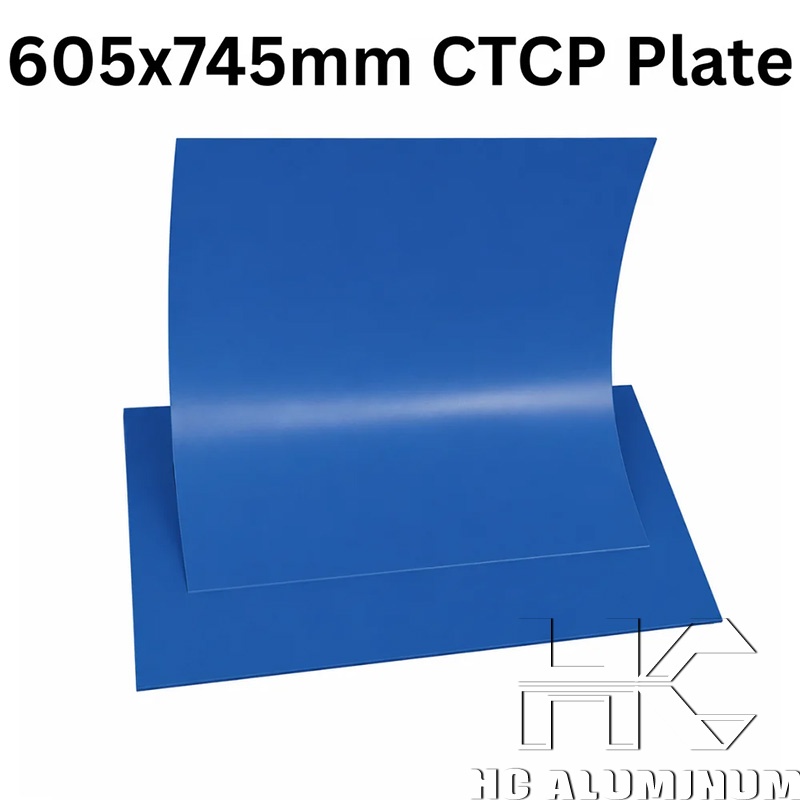
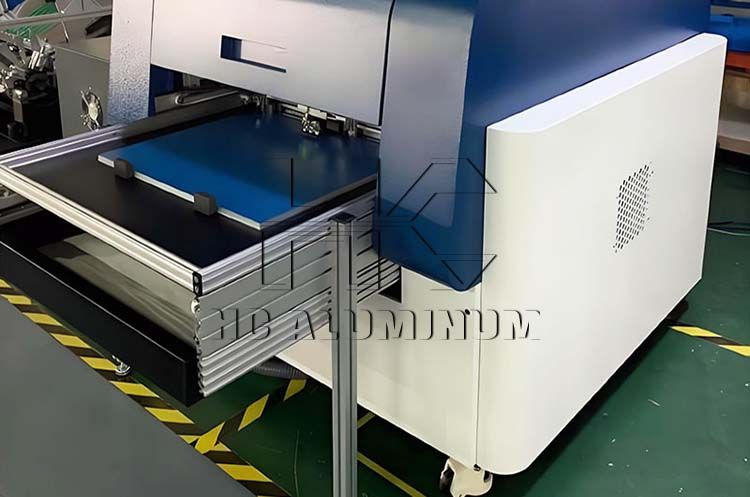
Thermal Ctp Plate Price
Thermal computer to plate technology remains a mainstream choice for commercial offset because it balances imaging stability, predictable dot reproduction, and operational efficiency. For bulk procurement teams, the unit cost is only one part of the decision. Real purchasing accuracy comes from understanding what is embedded in the quotation: coating chemistry, aluminum grade, imaging latitude, packaging, lead time, and the market cycle of upstream materials.
What Sets Thermal Plates Apart From PS and CTCP in Cost Structure
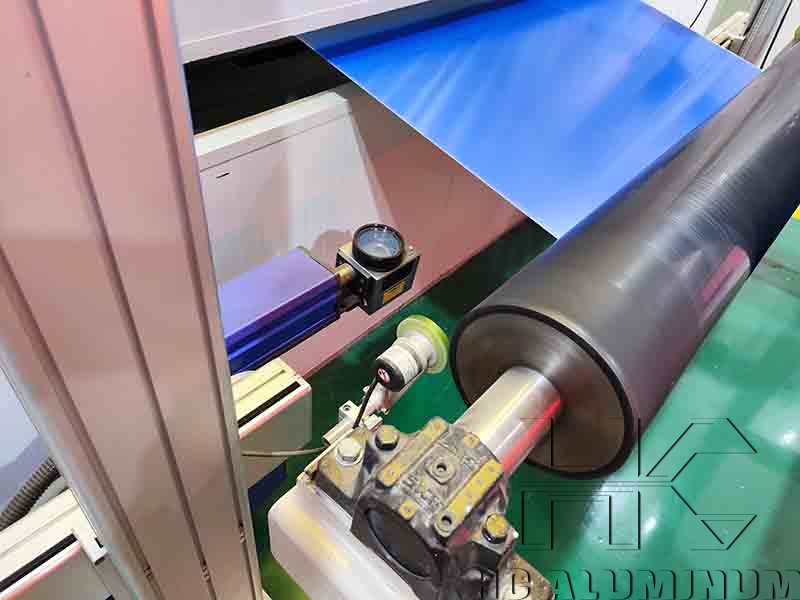
Thermal plates are imaged with infrared lasers, most commonly 830 nm systems. Compared with PS plates, thermal products generally carry a higher manufacturing cost because they require more complex coatings and tighter process control to deliver stable sensitivity, resolution, and run length. Compared with CTCP, thermal plates often show stronger tolerance to pressroom variation and safer handling under typical white light conditions, but the coating system can be more specialized.
In quotations, suppliers usually bundle several performance assumptions. These should be clarified before comparing offers:
- Plate type: positive or negative working, processless or chemistry processed.
- Sensitivity range: lower energy requirements can improve throughput but may tighten storage requirements.
- Run length and durability: often linked to coating robustness and anodizing quality.
- Compatibility: developer type, preheat requirements, gumming, and press chemistry.
When evaluating specifications, aligning the plate with your CTP device and operating method matters more than chasing the lowest figure. A plate that images consistently at your standard laser power and maintains dot integrity can reduce remake rates, which often has more financial impact than minor differences in line item pricing.
Price Drivers: Materials, Manufacturing Yield, and Commercial Terms
Several cost drivers dominate thermal plate quotations. Some are visible on a data sheet, while others appear indirectly through lead time, MOQ, and quality stability.
Upstream materials and conversion
Aluminum base is a major cost component. Plate makers typically use electrolytically grained and anodized aluminum, where the base metal premium, energy costs, and conversion yield all affect the final offer. Coating chemistry is another lever: higher resolution systems, processless formulations, and long run products can increase coating material cost and reduce manufacturing yield if defect tolerances are strict.
Imaging performance requirements
Higher resolution requirements, better press latitude, and more robust run length can mean tighter coating uniformity and more rigorous quality control. That usually raises scrap risk during coating and slitting, which is priced into large volume contracts.
Commercial terms that change net cost
Bulk orders often benefit from tiered pricing, but net landed cost varies with:
- Sheet size and thickness.
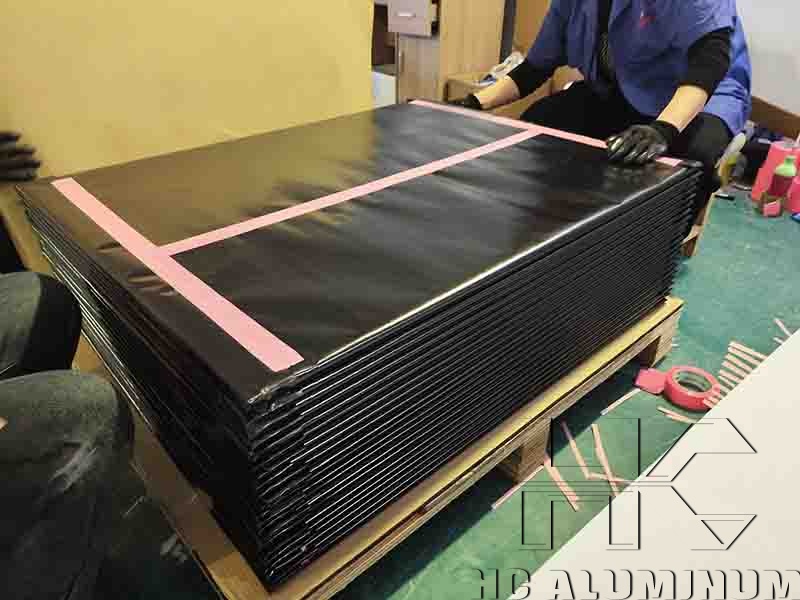
- Packaging type: export pallets, moisture barrier, corner protection.
- Incoterms and freight: plates are dense and can be damage sensitive.
- Payment terms and currency volatility.
- Claim handling policy for transit damage or imaging defects.
The table below lists common quotation items and what to verify so that offers remain comparable.
| Quotation item | Why it changes cost | What to verify before ordering |
|---|---|---|
| Aluminum thickness and alloy | Affects rigidity and conversion cost | Typical 0.15 mm, 0.30 mm, or as required by press |
| Plate type and process | Processless coatings can carry a premium | Workflow fit: no developer vs. conventional processing |
| Run length expectation | Higher durability often costs more | Define paper types, inks, and press conditions assumed |
| Quality tolerances | Tighter tolerances reduce yield | Acceptable defect limits, dot gain and consistency targets |
| Packaging and palletizing | Prevents edge damage and oxidation | Moisture barrier, corner guards, pallet spec |
| Lead time and buffer stock | Rush orders add cost | Agreed safety stock and production schedule |

Market Trend, Supply Chain Reality, and Compliance Points
Market cycle and timing
Thermal plate pricing tends to follow a cyclical pattern driven by aluminum price movements, energy costs, and regional logistics conditions. In periods of higher energy tariffs or constrained aluminum supply, mills and plate converters may adjust pricing with a lag. During demand slowdowns, promotional pricing can appear, but it may come with stricter MOQs, fewer sizes, or longer production windows.
For procurement planning, quarterly forecasts are often more effective than spot buying. Many printers stabilize cost by negotiating indexed contracts tied to aluminum benchmarks, combined with agreed ranges for conversion charges.
Supply chain structure and risk
Most thermal plates are produced by coating and converting operations that rely on steady aluminum coil supply and consistent chemistry sourcing. Disruptions can appear as:
- Longer lead times for less common sizes.
- Batch to batch variation if raw material substitutions occur.
- Increased risk of oxidation or edge damage if packaging is downgraded to reduce cost.
For volume programs, consider vendor managed inventory at a local warehouse or a scheduled shipment plan that aligns with your plate consumption and storage conditions.
Standards and compliance that matter in contracts
While plate products are not typically governed by a single global mandatory standard for performance, reputable suppliers operate under recognized quality and environmental management systems, commonly ISO 9001 and ISO 14001. For regulated markets, also confirm chemical safety documentation for developers, gums, and cleaners used in the workflow, such as current SDS documents and labeling practices.
Storage and handling requirements should be treated as part of compliance: humidity control, temperature range, and light exposure limitations influence defect rates and claims. If you operate multiple sites, standardizing storage conditions can prevent false supplier disputes.
Practical procurement checklist for bulk volumes
Use the following checkpoints to protect total cost and press stability:
- Match plate type to your workflow. If you are standardizing across plants, specify the exact imaging conditions and processing method.
- Require a defined tolerance for coating defects and edge quality, plus an agreed claim window.
- Request batch traceability on cartons. This simplifies root cause analysis if imaging issues appear.
- Evaluate net landed cost, not only ex works unit rates. Freight, packaging, and damage risk can shift the true comparison.
- Pilot before locking long term volume. Run a controlled test for imaging stability, dot reproduction, and press run length.
If you are comparing conventional PS, thermal, and CTCP options under one sourcing program, it can help to standardize the evaluation method and documentation. Many procurement teams maintain a single internal specification sheet and then map each supplier product to it.
For product specification alignment and common size planning, many print operations reference a dedicated CTP plate page internally to standardize naming, thickness, and packaging language across purchase orders. For offset workflows that prioritize dot stability and lower remake rates, specifying an thermal CTP plate by imaging energy range and run length assumption typically results in more comparable quotations across suppliers.