Double Layer Thermal Plate High Resolution
High resolution work is where many conventional plates start to show their limits: dot gain becomes harder to control, microtext breaks, and highlight dots drop out during processing or long runs. Over the past three months, English-language Q&A threads on Google and Quora have repeatedly circled around one theme: whether a double layer thermal plate can keep fine dots stable while still running fast and clean on press.
1) Can a double layer thermal plate really hold 1 to 99 percent dots better at high resolution?
Yes, in most real production conditions it can, but not by magic. The advantage comes from how the imaging layer and the underlying functional layer share the job.
A typical double layer thermal design is engineered to improve the contrast between imaged and non-imaged areas after exposure, and to better resist chemical and mechanical stress during development and press run. That usually translates into:
More stable highlight dots at higher screen rulings, because the imaged areas are less prone to partial dissolution or edge erosion in development.
Cleaner shadow detail because the non-image areas clear more uniformly, reducing background tint that can fill in fine reverses.
Improved dot edge sharpness, which is what many print shops notice first on 240 lpi, FM screening, or tight microtext.
Where people get disappointed is when they expect dot stability without aligning the full workflow. High resolution is a system result, not only a plate result: CTP calibration, laser power consistency, developer condition, and press water balance still decide whether 1 percent dots survive.
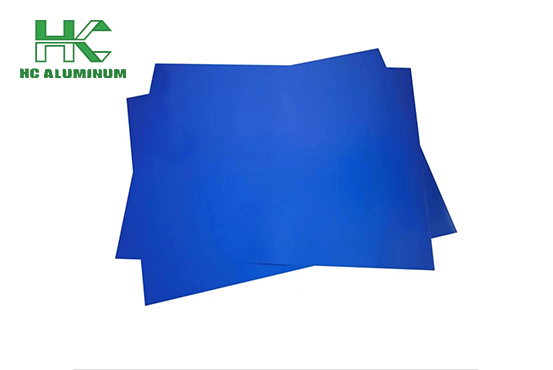
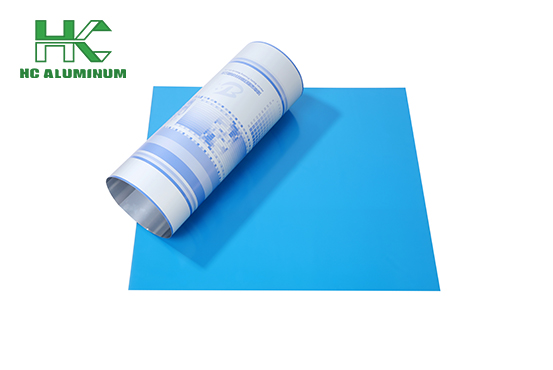
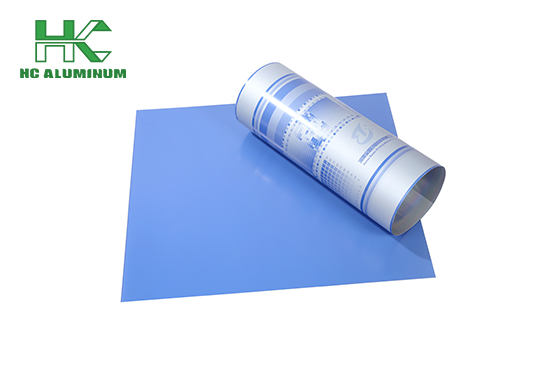
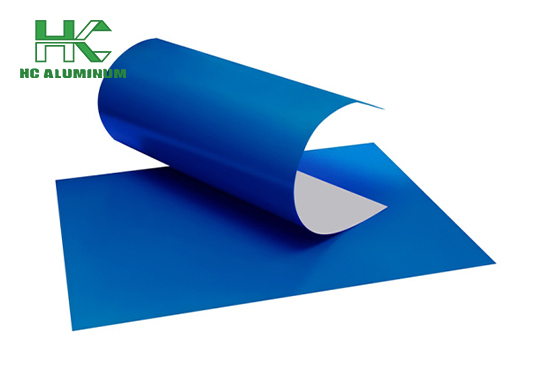
If your work regularly includes packaging line art, 10 to 20 microns positive text, or hybrid screening, it is worth considering a dedicated Double Layer CTP option rather than treating it as a generic thermal plate.
2) What screen ruling and FM screening can I realistically run on a double layer thermal plate?
The realistic answer depends on two things people often mix up: imaging capability and press capability.
Imaging capability is driven by plate grain, coating uniformity, and how the thermal layer responds to short, sharp laser pulses. This is where double layer designs often perform well.
Press capability is driven by blanket condition, ink tack, dampening stability, and how well your operators can hold density without over-watering.
In practical commercial production, many users target 200 to 240 lpi AM with confidence if the CTP is stable and processing is controlled. For FM screening, results are typically best when the workflow is standardized: consistent laser energy, tight developer control, and careful handling to avoid plate scuffing before mounting.
A useful way to set expectations is to test two files:
A dot wedge and microline target at your intended ruling.
A real job that represents your toughest highlight and reverse text areas.
This prevents the common Q&A complaint: the test chart looks perfect, but the job fails on press because the water window is too narrow.
3) Do I need higher laser energy or different CTP settings for double layer high resolution plates?
Usually you do not need higher energy just because it is double layer, but you do need correct energy. Many "high resolution plate" questions on Q&A platforms are actually underexposure or overexposure problems.
Here is what to verify in order:
Run a fresh exposure calibration (solid patch plus tint patches) and confirm your target density and dot response.
Check laser spot and focus. A slightly out-of-focus beam can mimic a "bad plate" by rounding dots and softening edges.
Confirm developer activity. If developer is exhausted, highlight dots can weaken even when exposure is correct.
A double layer plate can be more forgiving, but it is not a substitute for calibration. For high resolution, aim for repeatability first, then push ruling.
4) What plate thickness should I choose to keep high resolution stable on press?
Thickness is often discussed online, but the real issue is mechanical stability during mounting and the press's clamp and cylinder tolerance.
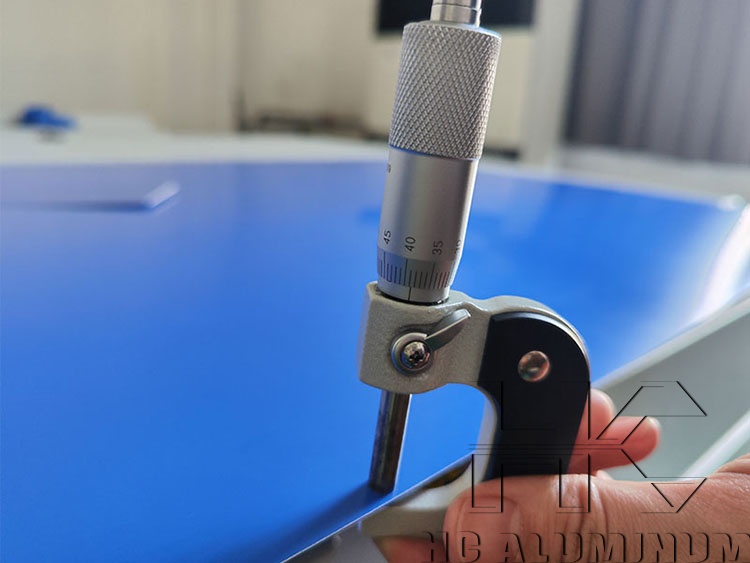
A slightly thicker plate can reduce handling deformation and improve mounting consistency, which indirectly helps fine detail. However, the "best thickness" is the one that matches your press specification and gives stable register.
Common thickness considerations
| Factor | Thinner plate risk | Thicker plate benefit | What to check first |
|---|---|---|---|
| Mounting and handling | Easier to kink or bend | More rigid, fewer mount marks | Operator handling and plate storage |
| Register stability | Can shift if not clamped evenly | Often steadier on older presses | Press clamp condition |
| High resolution detail | Vulnerable to scuffing | Better resistance to minor abuse | Plate loading routine |
If your high resolution issues appear as random dot damage, scratches, or repeating marks, thickness and handling can matter as much as chemistry.
5) Why do some users report scumming or background toning with high resolution thermal plates, and how do I avoid it?
Scumming and toning are among the most repeated complaints in recent Q&A threads, and they are frequently caused by process drift rather than plate design.
Typical causes include:
Developer conductivity or pH drift, leading to incomplete clearing in non-image areas.
Overexposure, which can harden marginal areas and slow clearing, leaving a light tint.
Poor rinse or gum condition, allowing residue to redeposit and show up as background.
Press water set too low, causing non-image areas to accept ink.
Practical fixes that tend to work quickly:
Standardize developer replenishment and temperature, then document the target range.
Recalibrate exposure after any major chemistry change.
Improve plate handling and storage to avoid contamination on the coating.
If you are comparing products, ask for a trial that includes your most demanding file, your normal processor settings, and your real press conditions. That is where a high resolution thermal plate proves itself, not on a lab-only target.
If you are evaluating double layer technology specifically for sharper dots and cleaner backgrounds, consider testing a dedicated Double Layer CTP configuration under your highest ruling and your longest run length job.