Offset Printing Plates Buying Guide 2026
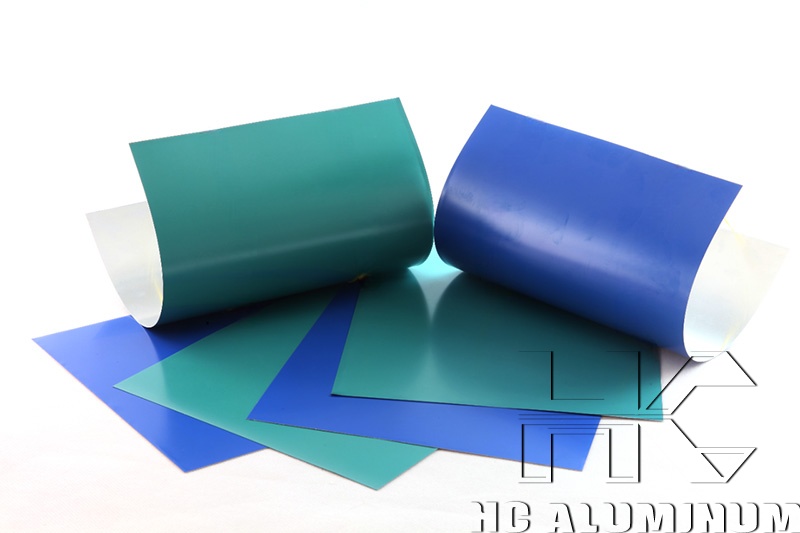
In 2026, the global offset printing plate market presented a pattern of "CTP plate market share climbing, PS plate maintaining cost-effectiveness, and significant regional differences." According to the latest industry data, the global CTP plate market share reached 38.6%, with thermal CTP plates accounting for over 75% of the total CTP plate volume; PS plate shipments accounted for 57.8%, mainly concentrated in cost-sensitive regions such as Asia Pacific and South America. The core differences between the two lie in their processes, efficiency, and applicable scenarios.
I. Comparison of Core Categories
1. Traditional PS Plates
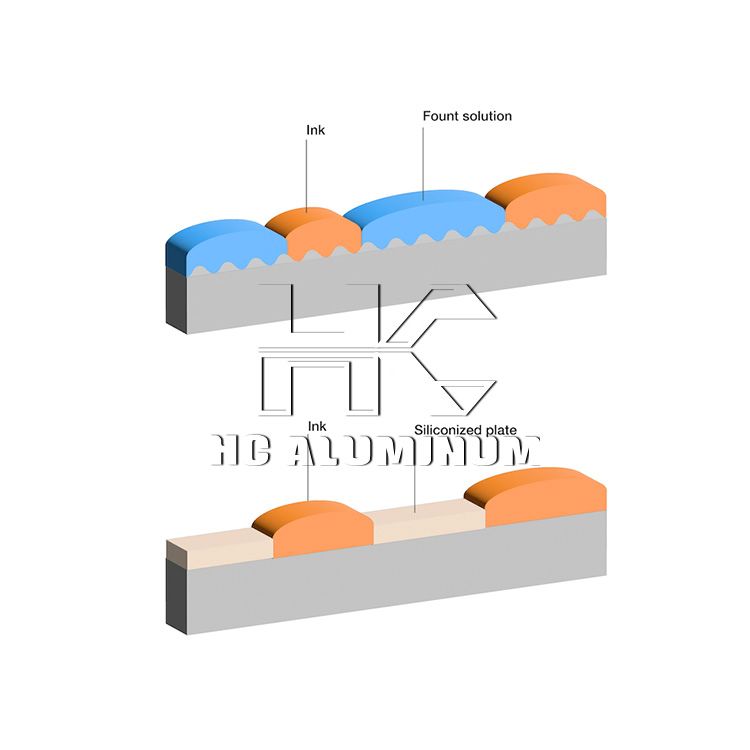
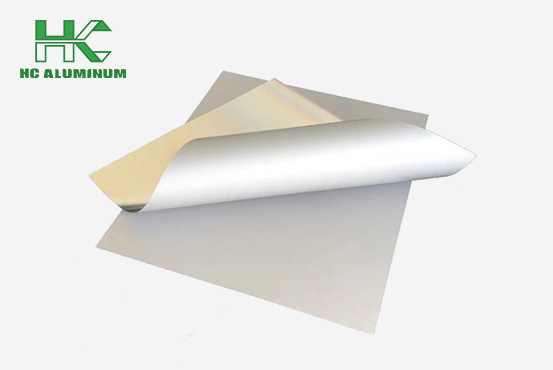
As a classic category, the positive PS plate remains the first choice for small and medium-sized printing plants due to their mature processes, affordable prices, and wide adaptability, accounting for over 70% in regions such as Asia Pacific (excluding Japan and South Korea) and South America. In 2026, they have been fully upgraded to environmentally friendly models, reducing VOC emissions and improving printing durability and dot reproduction.
Advantages: Low cost, no need for high investment in CTP equipment, suitable for low-to-medium precision printing and short-to-medium run jobs; Disadvantages: Cumbersome plate-making process, low efficiency, limited precision, and less than 30% market share in high-end markets in Europe and America.
2. Thermal CTP Plates
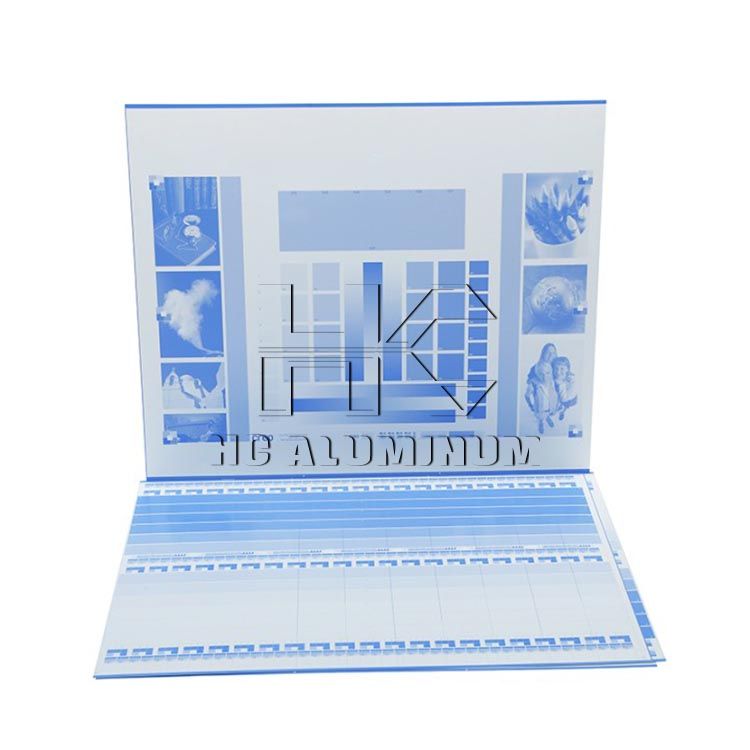
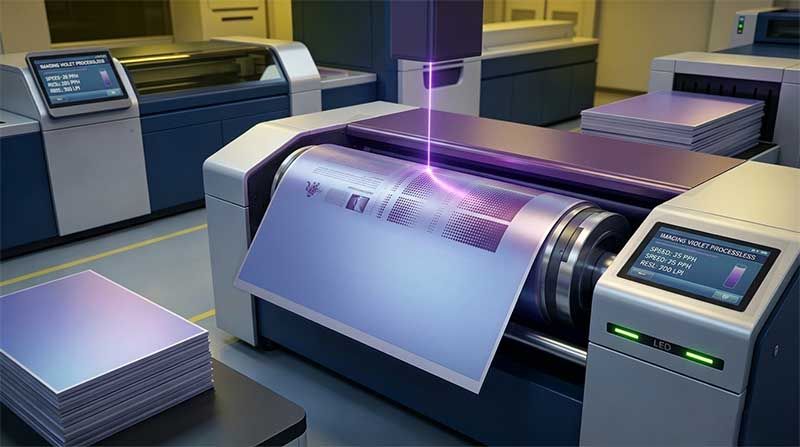
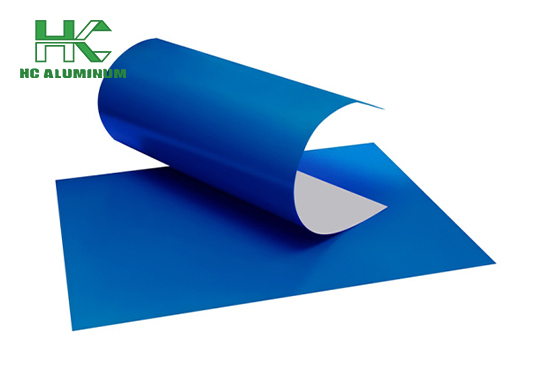
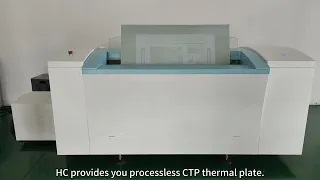
Adapting to digital upgrades, thermal CTP plates have become the core choice for medium to large-sized printing plants, with a market share exceeding 65% in Europe, America, Japan, and South Korea. Processing-free types are gaining popularity due to their environmental friendliness and convenience. No film is required; direct digital plate making is possible, catering to high-end needs.
Advantages: High plate-making efficiency, precise registration, strong printing durability (100,000-500,000 print runs), excellent environmental performance, suitable for high-precision long-run jobs; Disadvantages: High initial investment in equipment and plates, concentrated in the high-end market, with core manufacturers primarily being international brands, while domestic brands are gradually emerging.
II. Key Points for Global Purchasing in 2026
1. Selection by Printed Products + Region
For low-to-medium precision printed products (flyers, general packaging, etc.), prioritize PS plates; for the Asia-Pacific region, choose standard models; for Europe and America, choose low-VOCs models. For high-precision printed products (brochures, high-end packaging, etc.), prioritize processing-free thermal CTP plates; for Europe and America, choose products that meet local environmental standards; for emerging markets, choose high-performance, cost-effective Chinese-made models.
2. Select based on equipment compatibility
For traditional exposure machines only, choose PS plates to match the exposure type and equipment power. For existing CTP machines, prioritize thermal CTP plates, ensuring laser type compatibility. For machines supporting pre-treatment functionality, prioritize pre-treatment models. Prioritize matching with the equipment brand to improve compatibility.
3. Select based on cost and regional pricing
Small to medium-sized printing plants with limited budgets should choose PS plates; Chinese brands offer excellent value in the Asia-Pacific and Europe/America markets. Medium to large-scale printing plants with ample budgets should choose thermal CTP plates; purchasing Hongchang CTP plates can reduce overall costs in the long run.
4. Select based on industry standards
Prioritize products that comply with ISO 14001, CE, and other certifications. Adapt to corresponding environmental standards in different regions (low VOCs, pre-treatment models for Europe and America; compliance with local national standards in the Asia-Pacific region). Prioritize direct supply from manufacturers to significantly reduce purchase costs.
III. Purchase Guidelines to Avoid Pitfalls
1. Don't blindly pursue low prices; focus on printing durability and regional compatibility, and choose printing plates based on climate.
2. Don't blindly follow trends with thermal CTP plates; consider equipment compatibility and regional costs. Don't force a purchase if you don't have CTP equipment.
3. Pay attention to storage and international shipping requirements; operate according to the manufacturer's specifications to avoid printing plate failure.