Different Requirements For CTP Printing Plates in Long-Run and Short-Run Printing
In offset printing production systems, the operational logic, capacity requirements, and cost considerations for long-run and short-run printing differ vastly; these differences directly dictate the criteria for selecting CTP plates.
I. Core Production Requirements for Long-Run and Short-Run Printing
Short-run printing is primarily suited for small-batch orders ranging from a few dozen to several thousand copies—common in scenarios such as promotional flyers, niche educational supplements, e-commerce product manuals, and customized packaging.
Key requirements include rapid plate making, flexibility, low costs, and minimal waste. With rapid order turnover and frequent plate changes, there is little need for extreme plate durability; however, there are stringent demands for plate-making efficiency, equipment compatibility, and ease of operation. Additionally, strict control over consumable costs per plate is essential to avoid the price premiums often associated with small-batch orders.
Long-run printing targets large-volume orders—ranging from tens of thousands to hundreds of thousands of copies—covering applications such as books and catalogs, high-end color boxes, newspapers and periodicals, and large-scale packaging printing. Key requirements include high durability, stable image quality, abrasion resistance, and a low failure rate.
Given the long production cycles and infrequent plate changes, the CTP plates must maintain dot integrity and color consistency during extended, continuous runs. They must withstand the chemical corrosion of inks and fountain solutions as well as the physical abrasion from rollers, thereby minimizing downtime for plate changes and waste from rework, while ensuring the stability of large-scale production.
II. Double-Layer CTP Plates
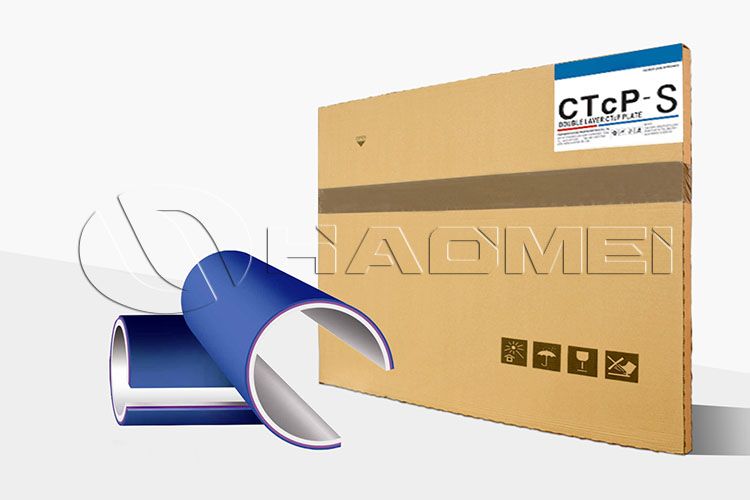
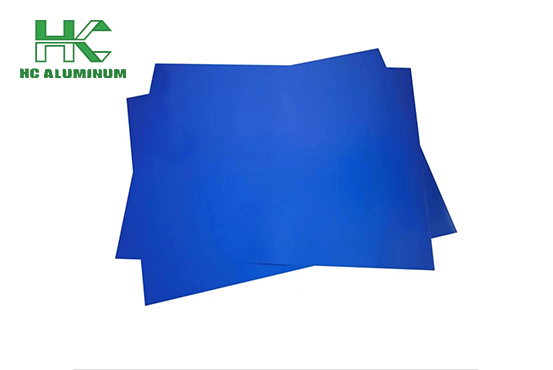
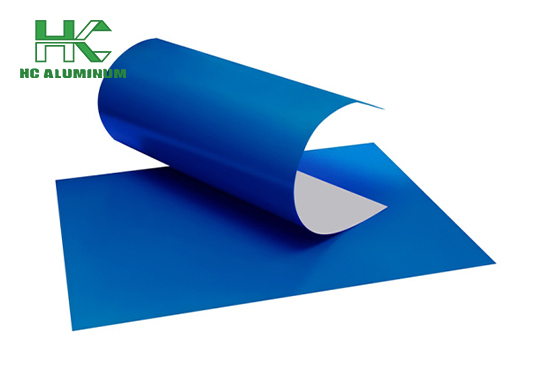
Double-layer CTP plates are the preferred choice for high-end, long-run printing. Unlike standard single-layer plates that feature a single-function coating, these plates utilize a unique dual-layer coating structure. The upper layer is a high-precision imaging coating designed for accurate dot reproduction and fine image quality, while the lower layer is a high-strength, wear-resistant protective coating engineered to withstand the physical friction and chemical erosion inherent in the printing process. These two layers perform distinct yet complementary functions, perfectly meeting the demands of high-intensity, continuous long-run production.
Double-layer CTP plates offer outstanding advantages in terms of print durability. No high-temperature baking is required; under standard operating conditions, the run length reaches 200,000–300,000 impressions.
With a simple baking process, the run length can exceed one million impressions, fully meeting the demands of high-volume, continuous long-run printing. This significantly reduces the frequency of plate changes, avoids productivity losses caused by downtime for adjustments, and effectively resolves pain points such as frequent plate swapping and image quality inconsistencies during long production runs.
Additionally, the dual-layer coating structure optimizes ink-water balance and enhances the plate's resistance to scumming. It minimizes issues like dot loss, plate plugging, and color deviation during extended print runs, ensuring highly consistent image quality across the entire order.
Regarding print quality and compatibility, the dual-layer CTP plate offers high photosensitivity and wide development latitude. It accurately reproduces a full tonal range of 1%–99% dots and supports high-precision printing exceeding 240 lpi, making it ideal for long-run applications requiring strict color gradation and fine image detail—such as high-end color printing, premium packaging, and book production.
The double layer CTP plate is compatible with both conventional and UV inks and works with various mainstream large-format printing presses. Its robust structural stability prevents deformation or delamination during prolonged high-speed printing, drastically reducing defect rates in large-scale production.
From a cost perspective, while the unit purchase price of dual-layer CTP plates is higher than that of standard plates, their utilization rate in long-run printing is exceptional. Their superior durability significantly lowers consumable costs per impression and reduces hidden losses associated with labor, downtime, and rework. Consequently, the total cost of long-term, large-scale production is lower, making this the optimal solution for reducing costs and enhancing quality in long-run printing.
III. Violet Laser CTP Plates
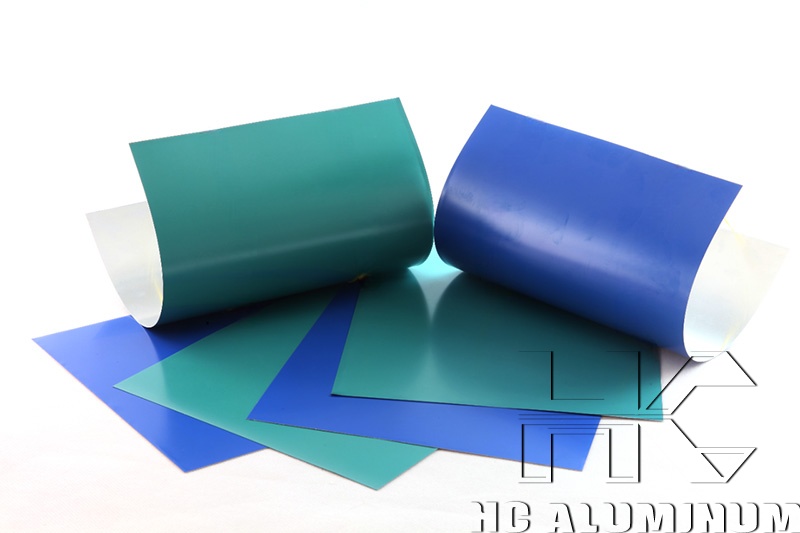
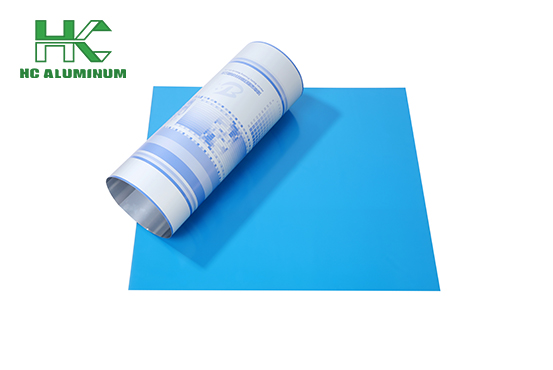
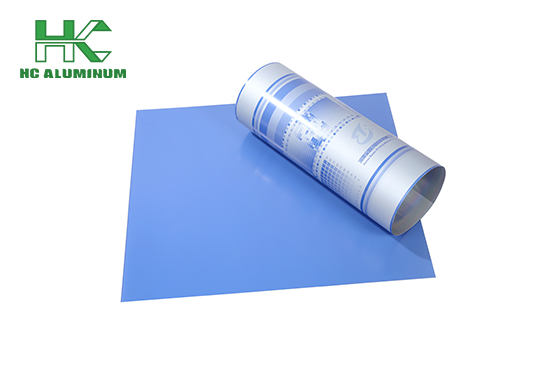
Utilizing 405nm UV laser imaging technology, violet laser CTP plates are the mainstream choice for short-run printing and commercial quick-printing environments. They feature a lightweight design, high efficiency, broad compatibility, and low costs. These plates precisely meet the core requirements of short-run orders—characterized by rapid turnover, frequent plate changes, and flexible small-batch production—making them perfectly suited to the daily operational needs of small-to-medium-sized print shops and quick-print outlets.
Violet laser CTP plates offer significant advantages in meeting the demands for rapid plate making and frequent plate changes inherent in short-run printing. This plate features rapid laser imaging and a streamlined plate-making workflow that eliminates the need for complex pre-treatment processes; this enables quick plate preparation and mounting, significantly shortening order delivery times and making it ideal for urgent, short-run jobs and multi-batch, small-volume production.
Furthermore, the plate offers excellent compatibility with low-to-mid-range violet laser plate-making equipment; it has low hardware requirements, delivering stable imaging without the need for high-end machinery, thus suiting the equipment configurations of most small and medium-sized printing enterprises.
In terms of performance, the violet laser CTP plate consistently achieves standard printing resolutions of around 200 lpi, fully meeting the image quality requirements for short-run items such as flyers, standard brochures, and instruction manuals, while easily satisfying the quality standards of general commercial printing.
With a standard run length of 100,000 to 150,000 impressions, it fully covers the volume needs of single-batch short-run jobs without "over-spec" performance, thereby effectively avoiding material waste.
Cost-effectiveness and ease of operation are the core competitive advantages of this violet laser CTP plate. Compared to dual-layer CTP plates, the unit purchase price is lower and the initial investment is manageable; it is well-suited for production models involving short runs, multiple batches, and frequent plate changes, resulting in lower consumable costs when calculated on a per-order basis.
The only consideration is the violet CTP plate's high photosensitivity; it must be handled and stored under yellow safelight conditions to prevent premature exposure from affecting imaging quality. However, with proper operating procedures, such issues are easily avoided, ensuring that standard production efficiency remains unaffected.