Print Ps
Print PS: Recent Questions from Offset Printing Discussions
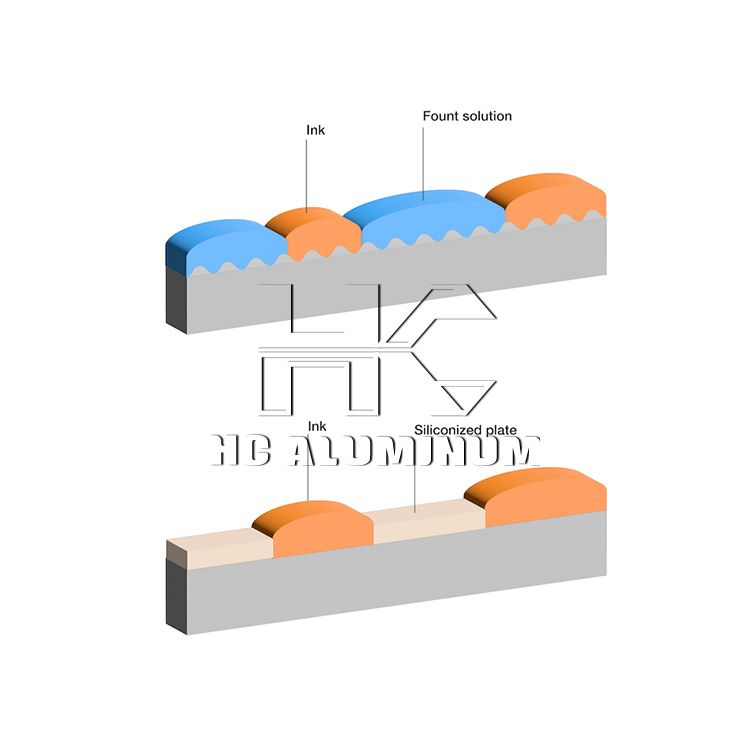
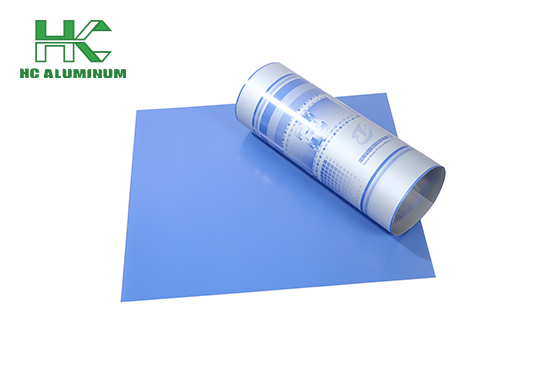
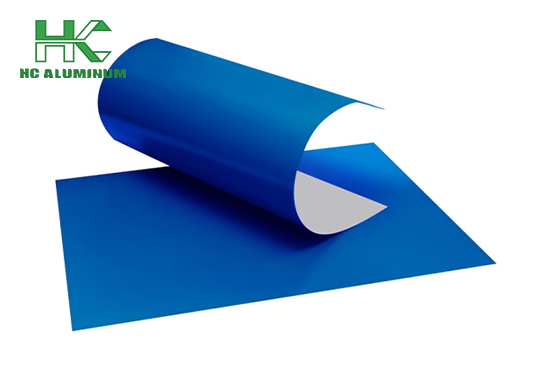
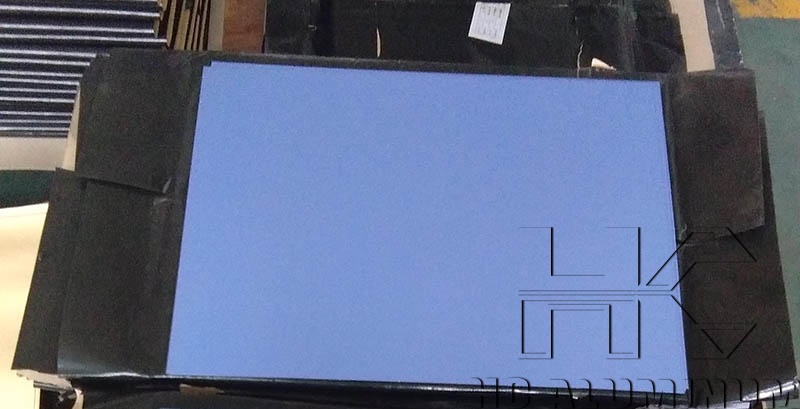
Print PS usually refers to positive-working pre-sensitized aluminum plates used in conventional offset printing. These plates are imagewise exposed through film, developed, finished, and mounted on compatible offset presses. For printers evaluating PS technology alongside CTP and CTCP options, the practical questions usually concern image quality, processing stability, storage life, and overall operating cost.
| Question Area | What Printers Usually Need to Confirm | Practical Effect |
|---|---|---|
| Exposure | Lamp output, vacuum contact, film density, exposure time | Sharp dots and clean non-image areas |
| Processing | Developer concentration, temperature, replenishment | Stable plate contrast and fewer defects |
| Press Compatibility | Plate thickness, press clamp fit, fountain solution | Reliable mounting and run length |
| Storage | Temperature, humidity, protective packaging | Reduced oxidation and sensitivity loss |
| Cost | Plate size, gauge, order volume, processing chemistry | Better cost planning per production run |
1. Why is my PS plate developing unevenly after exposure?
Uneven development is one of the most frequently discussed Print PS issues because it can appear as weak image areas, dirty highlights, scumming, or patches that accept ink inconsistently. The cause is not always the plate itself. In many cases, the problem begins before development.
First, inspect vacuum contact between the film and plate. Poor contact allows light to spread under image edges, reducing fine-detail sharpness and producing soft halftone dots. Film density also matters. Dense image areas should block exposure effectively; weak film density can allow unwanted light through and make non-image regions difficult to remove.
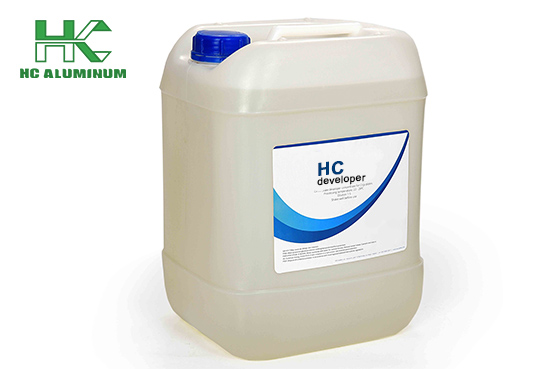
Developer condition is equally important. Developer that is too weak, too cold, too old, or contaminated may leave coating residue. Developer that is overly strong can attack image areas and shorten press durability. A controlled process should check developer temperature, replenishment rate, immersion time, and gum finishing condition at regular intervals.
For consistent performance, test exposure using a step wedge or control target whenever lamp intensity changes. This lets operators identify whether the issue is caused by exposure energy or processor chemistry before a production run is affected.
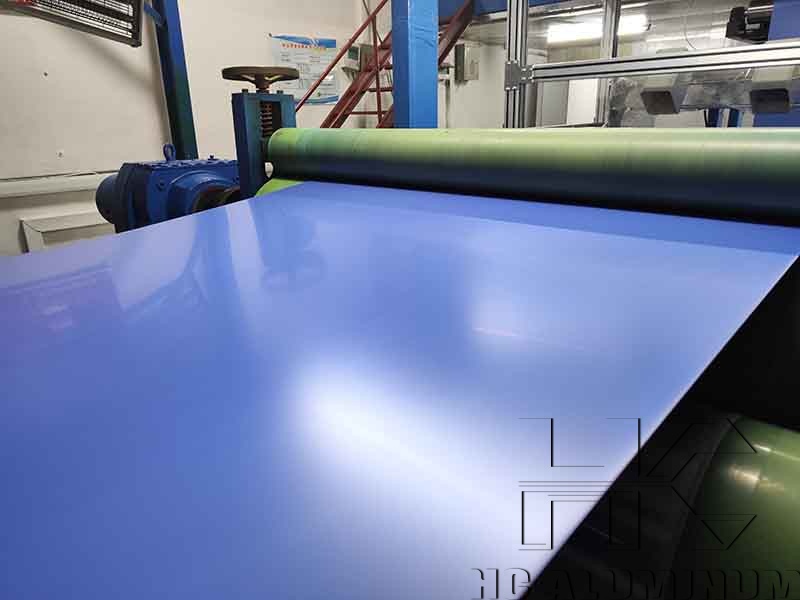
A correctly selected PS Plate should show a clear distinction between image and non-image areas after processing, without excessive coating residue or weakened solids.
2. Can a conventional PS plate be used on a CTP machine?
This question has become more common as print operations modernize equipment in stages. The short answer is: sometimes, but only when the imaging technology is designed for it.
Traditional positive PS plates are normally exposed with UV light through a film negative. Standard thermal CTP systems, which commonly use 830 nm thermal lasers, generally require thermal CTP plates rather than conventional PS plates. Attempting to image a normal PS plate in a thermal device can result in no usable image, incomplete imaging, or unstable press behavior.
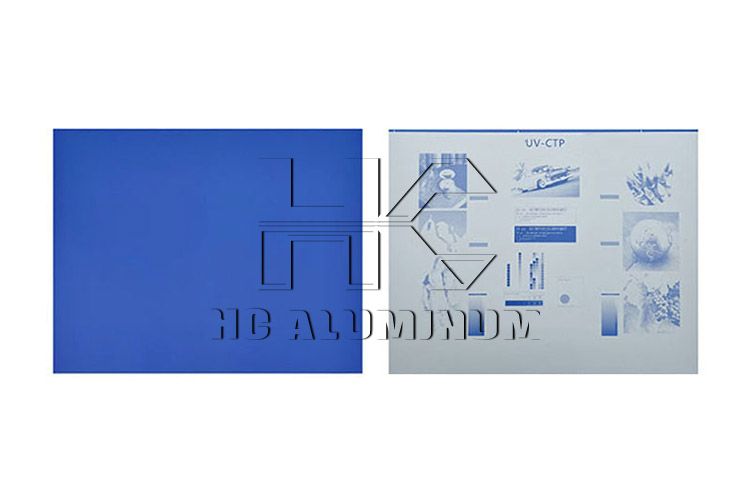
Some UV-CTP systems can work with UV-sensitive conventional plates or dedicated UV-CTP plates. However, compatibility must be confirmed using the plate supplier's technical specifications and the CTP manufacturer's supported plate list. Laser wavelength, sensitivity range, imaging energy, and processor requirements all need to match.
Before changing plate type, verify these four items:
CTP laser wavelength and imaging method.
Plate sensitivity and recommended energy setting.
Whether a developer processor is required.
Plate thickness accepted by the press and imaging unit.
Using a plate intended for the actual imaging system is usually more economical than trying to force an incompatible material into an existing workflow.
3. How long can PS plates be stored before they lose sensitivity?
Unexposed PS plates are light-sensitive products, so storage conditions affect their usable life. In normal protected storage, many products can remain usable for months, but the actual period depends on coating formulation, packaging integrity, warehouse temperature, humidity, and exposure to stray light.
High temperature can accelerate coating changes, while excessive humidity can affect the aluminum surface and protective layers. Plates should remain in their original light-tight packaging until needed. Avoid placing cartons near windows, hot machinery, heating ducts, or damp concrete floors.
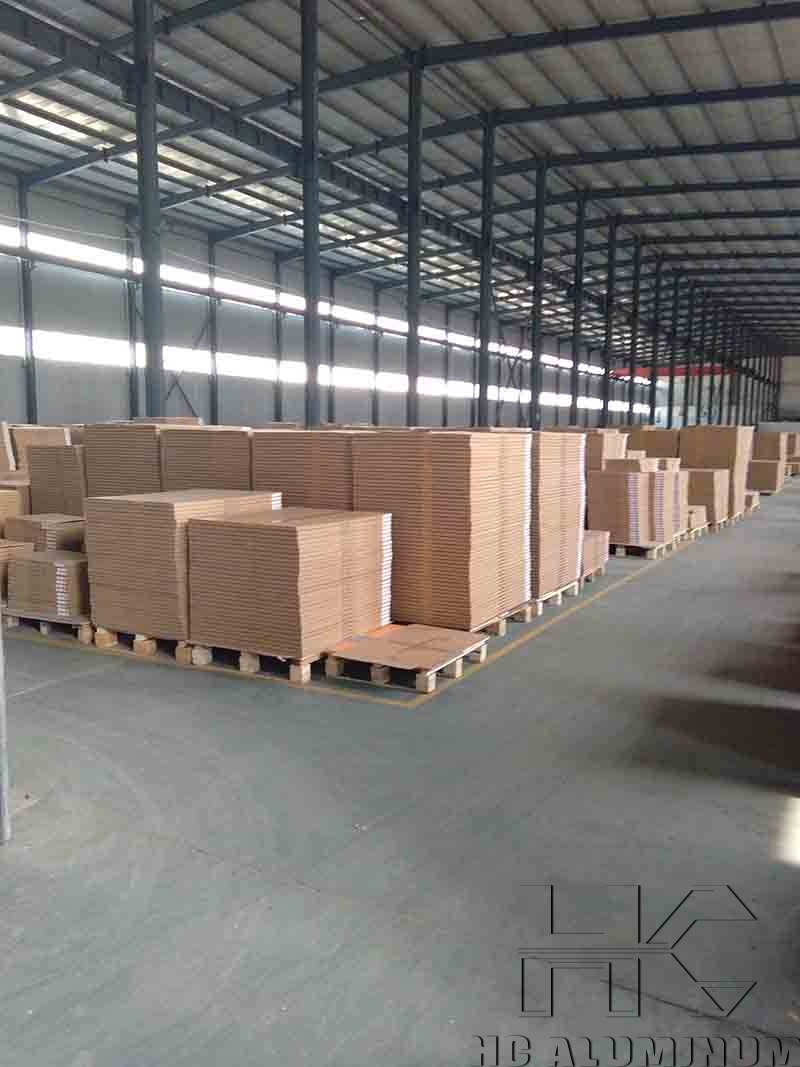
A practical storage routine includes first-in, first-out use, labeling each carton with the receiving date, and keeping a small sample from older inventory for exposure testing. If older material develops slowly or produces a weak image, compare it with a newly received plate under the same exposure and processor settings.
For operations that purchase several sizes, keeping plate stock organized by dimensions, thickness, and coating type reduces setup errors. This is especially useful when both positive PS and CTCP materials are present in the same production area.
4. What affects PS plate price the most?
PS plate price is not determined by aluminum alone. The largest variables are plate dimensions, thickness, coating performance, order quantity, packaging requirements, and transportation distance. Higher sensitivity coatings, better oxidation resistance, and longer press durability can also raise the unit price while reducing waste during printing.
| Price Factor | Why It Changes Cost | What to Compare |
|---|---|---|
| Plate dimensions | Larger formats use more aluminum and coating | Actual press format and trim allowance |
| Thickness | Heavier gauges offer different handling behavior | Press clamp requirements and run length |
| Coating sensitivity | Faster exposure may improve workflow efficiency | Exposure unit capability |
| Order quantity | Larger volumes may reduce packing and handling cost | Monthly consumption pattern |
| Packaging | Protective packaging limits damage in transit | Carton strength and light protection |
The lowest initial price is not always the lowest operating cost. A plate that develops consistently and reaches the required run length can reduce remakes, paper waste, downtime, and operator adjustments. When comparing quotations, ask whether the quoted item includes the same thickness, positive coating type, package count, and expected run performance.
5. How do I choose between PS, CTCP, and thermal CTP plates?
The right choice depends on the imaging method already installed, job turnaround expectations, available processing equipment, and desired automation level. Conventional PS plates remain suitable for film-based offset workflows, particularly where exposure frames and film output are already dependable. CTCP plates are often selected by operations seeking direct digital imaging with ultraviolet lasers. Thermal CTP plates are commonly chosen for highly automated environments requiring strong repeatability and digital workflow integration.
| Plate Type | Imaging Method | Typical Workflow | Main Consideration |
|---|---|---|---|
| Positive PS | UV exposure through film | Conventional prepress | Requires film and chemical processing |
| CTCP | UV laser imaging | Computer-to-conventional plate | Confirm laser wavelength compatibility |
| Thermal CTP | Thermal laser imaging | Fully digital prepress | Requires thermal-compatible equipment |
For a film-based operation, a reliable PS Plate remains a practical option when exposure, development, and press settings are controlled. For digital conversion projects, evaluate the complete workflow rather than only plate cost: imaging device, processor, chemistry, training, maintenance, and expected production volume all influence the final decision.