Dual Layer Thermal CTP Plate
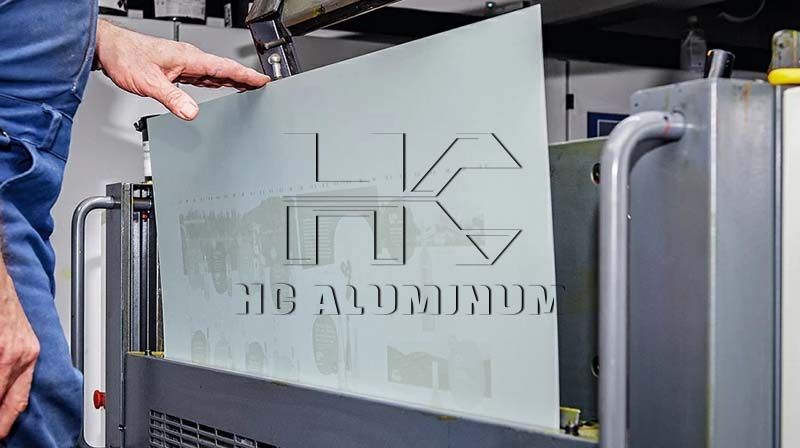
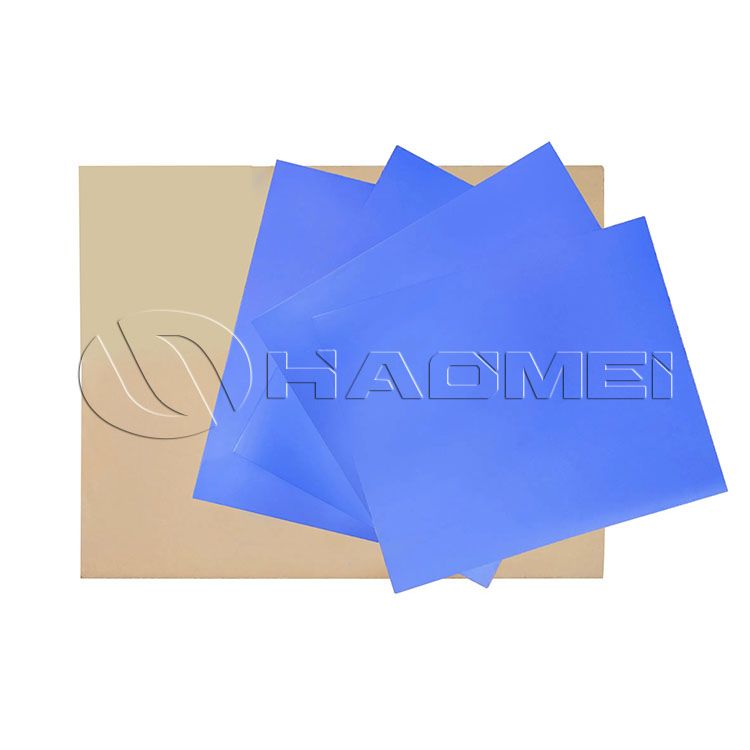
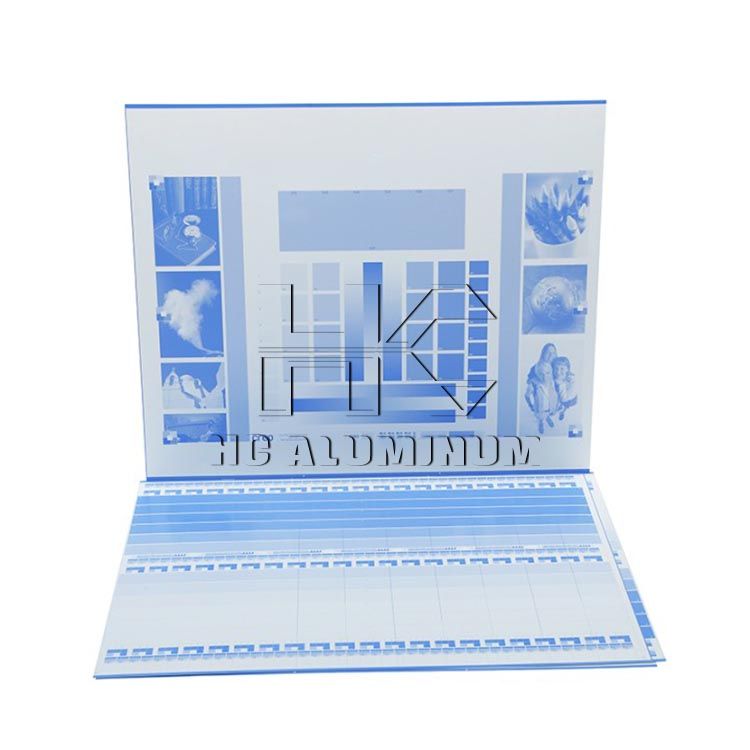
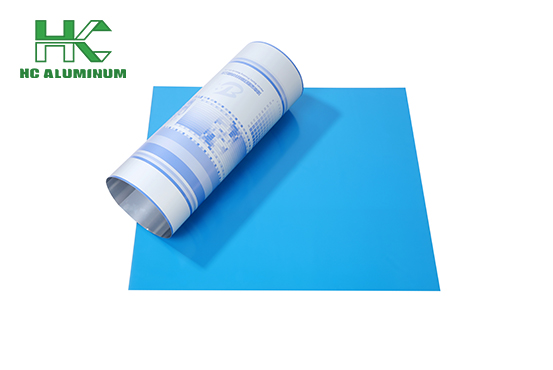
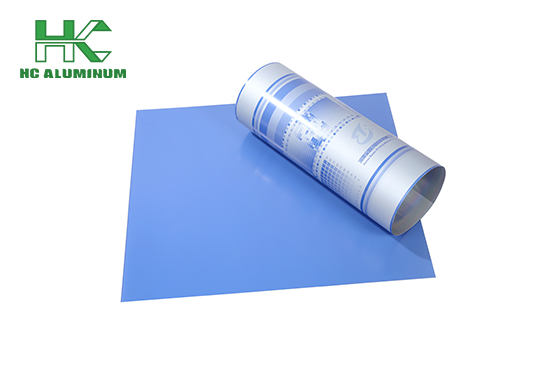
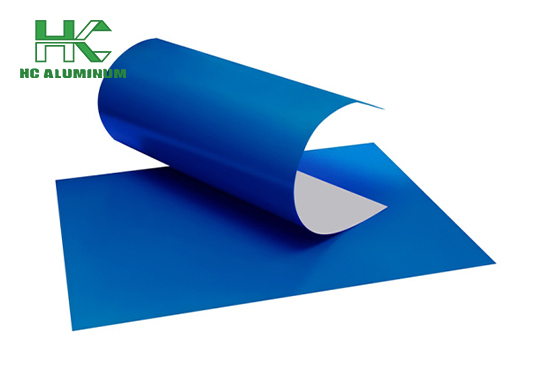
A dual layer thermal CTP plate is designed for commercial and packaging offset printers that need stable imaging, long run length, and predictable processing. Compared with a single-coating thermal plate, it uses two functional coatings on an electrochemically grained and anodized aluminum base. The upper layer is optimized for laser sensitivity and clean image formation, while the lower layer supports ink-water balance, chemical resistance, and durability on press.
For bulk purchasers, this plate type is often evaluated not only by price per square meter, but also by plate yield, developer consumption, restart stability, press waste, and supply reliability. A lower purchase price can lose value if the plate requires more calibration, causes toning, or has poor batch consistency.
Structure, Imaging Principle, and Applications
Thermal CTP plates are normally exposed at 830 nm on platesetters from major manufacturers. In a positive-working two-layer plate, the exposed area becomes soluble during processing and is removed to form the non-image area. In a negative-working system, the exposed area is hardened and retained. The actual chemistry differs by supplier, so processing recommendations should always follow the technical data sheet and on-site test results.
The main reason printers choose a two-layer thermal construction is process latitude. The plate can tolerate small variations in exposure energy, developer activity, and pressroom conditions better than many basic single-layer alternatives. This matters in plants running multiple shifts, several plate formats, or mixed paper and board jobs.
Double Layer CTP products are commonly used in commercial printing, book printing, labels, folding cartons, calendars, and high-volume advertising work. They are also suitable for printers that need a balance between fine screening and durable press performance.
| Plate part | Function | What bulk purchasers should check |
|---|---|---|
| Aluminum base | Provides dimensional stability and water retention after graining and anodizing | Alloy grade, thickness tolerance, flatness, edge quality |
| Lower coating | Supports chemical resistance and press durability | Developer tolerance, run length, resistance to pressroom solvents |
| Upper coating | Responds to thermal laser exposure | Sensitivity, dot reproduction, clean non-image removal |
| Back coating, if used | Reduces scratches and improves handling | Stacking behavior, transport marks, platesetter feeding |
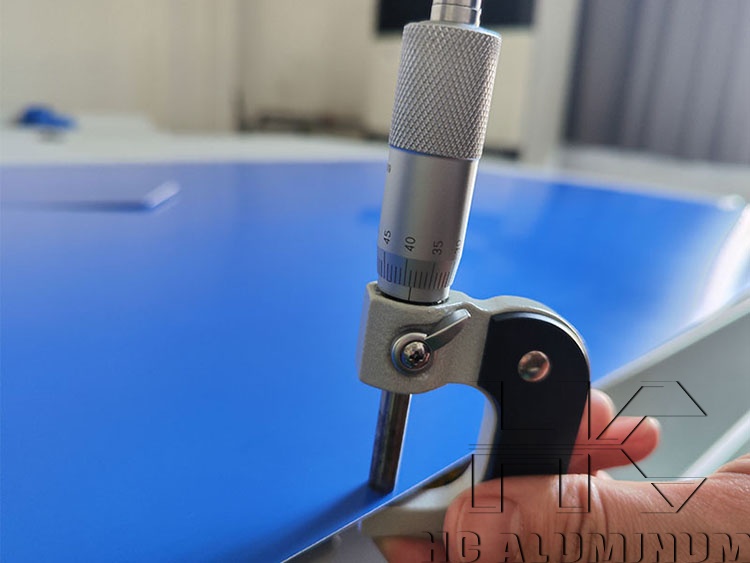
Common thicknesses include 0.15 mm, 0.20 mm, 0.24 mm, 0.30 mm, and 0.40 mm, depending on press format and cylinder requirements. Large web presses and packaging presses often require thicker plates, while sheetfed commercial work may use thinner gauges to control cost.
Printing Performance and Process Control
Performance should be tested under real production conditions. Important metrics include dot reproduction, resolution, developer clean-out, background cleanliness, scratch resistance, and run length. Many quality claims in the plate industry are meaningful only when connected to press type, ink, fountain solution, paper, and maintenance discipline.
For screening, a good thermal plate should reproduce fine dots consistently, including highlight and shadow areas. Printers using stochastic screening or high line screens need tighter exposure and processing control. For conventional AM screening, tolerance may be wider, but batch consistency is still important for repeat jobs.
Run length varies widely. A standard thermal plate may be suitable for medium and long commercial runs, while baked plates or high-end chemical-resistant plates can support longer production under aggressive conditions. UV ink, hybrid ink, abrasive substrates, and frequent press stops can reduce plate life. Claims such as 100,000 impressions or 300,000 impressions should be confirmed by trial orders, not treated as universal values.
Process control should include regular measurement of exposure energy, developer temperature, conductivity or pH where applicable, replenishment rate, and plate processor cleanliness. ISO 12647 is widely used in offset process control for color and print consistency, but it does not replace plate supplier instructions. A plate that performs well in one workflow may need adjustment in another.
| Control item | Typical concern | Practical action |
|---|---|---|
| Exposure setting | Weak dots, dirty background, poor clean-out | Calibrate by step wedge and production test forms |
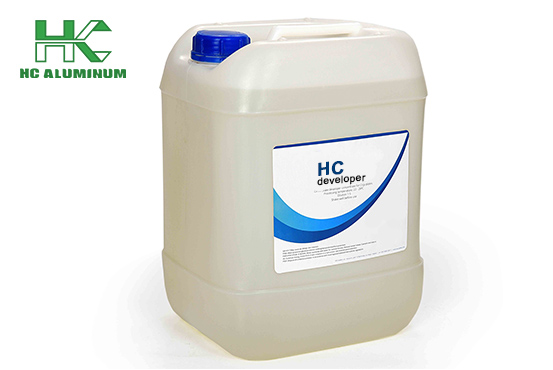
| Developer condition | Image loss or scumming | Monitor temperature, replenishment, oxidation, and sludge |
| Storage | Coating sensitivity changes | Store flat, sealed, away from heat, humidity, and sunlight |
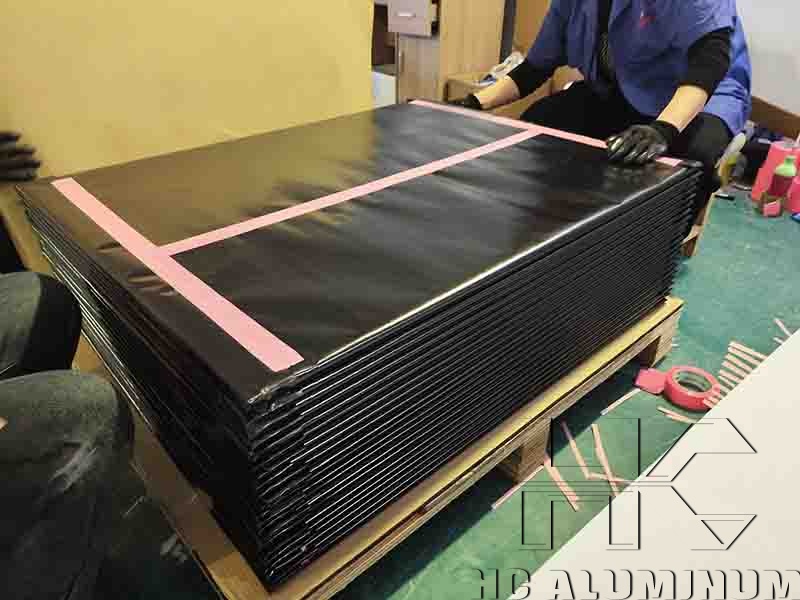
| Handling | Scratches and edge damage | Use clean gloves, proper pallets, and stable transport packaging |
| Press chemistry | Premature wear or toning | Check fountain solution, blanket wash, and ink compatibility |
Procurement, Cost Drivers, Compliance, and Market Cycles
For large-volume procurement, total cost is more useful than unit price alone. Plate cost is affected by aluminum price, coating chemicals, energy, labor, packaging, freight, exchange rates, and financing. Aluminum is usually the largest raw material component, so LME aluminum movement and regional conversion premiums influence quotations. When aluminum rises quickly, plate suppliers may shorten offer validity or add price adjustment clauses.
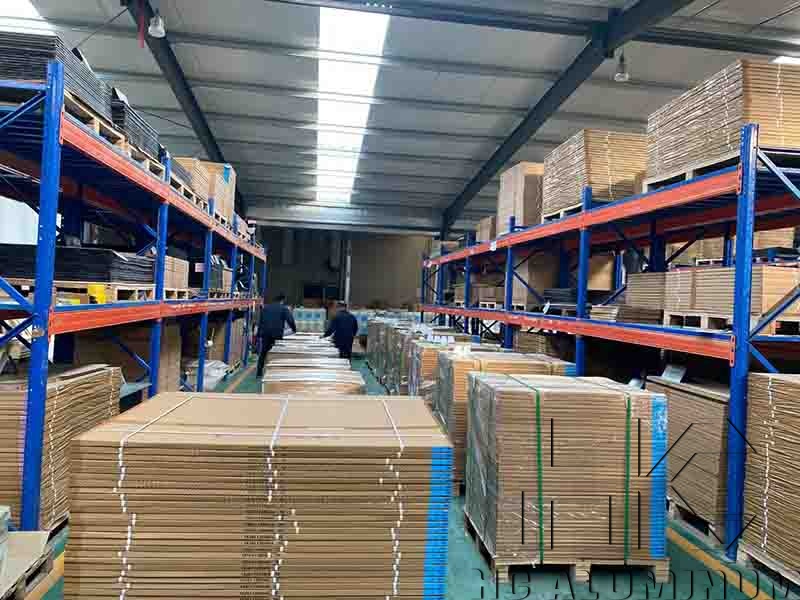
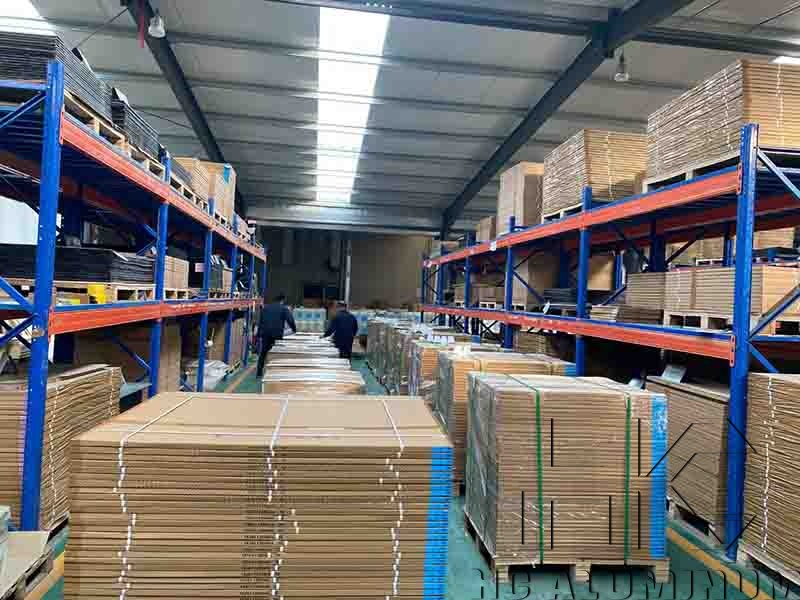
Freight is another major variable. Plates are heavy, flat, and sensitive to moisture and edge damage. Ocean freight is economical for full-container orders, while air freight is usually reserved for urgent shortages. Strong export packaging should include moisture protection, reinforced corners, stable pallets, and clear batch labels. For humid routes or long transit times, packaging quality directly affects usable yield.
| Cost driver | Impact on purchasing | Suggested evaluation method |
|---|---|---|
| Aluminum base | Major share of plate cost | Track metal trends and compare thickness specifications |
| Coating formulation | Affects speed, durability, and chemical resistance | Test on actual platesetter, processor, and press |
| Batch consistency | Influences waste and rework | Request batch records and retain reference samples |
| Logistics | Affects landed cost and damage risk | Compare pallet design, container loading, and insurance terms |
| Payment and lead time | Influences cash flow and stock level | Align order cycles with production forecast |
Compliance should be reviewed before annual contracts. Common documents include safety data sheets, RoHS or REACH declarations when required by the destination market, and ISO 9001 certificates for quality management. ISO 14001 may indicate a structured environmental management system, although it is not a direct guarantee of plate performance. Waste developer, rinse water, and used plates must be handled according to local environmental regulations. Aluminum plate recycling can reduce waste cost, but contaminated waste streams still need proper classification.
Market cycles in printing plates often follow aluminum trends, regional demand, shipping capacity, and seasonal print activity. Packaging demand can stay relatively stable, while commercial print may fluctuate with education, publishing, retail promotion, and holiday seasons. Supply chains may tighten before major festivals, during energy restrictions, or when shipping routes become congested.
For annual tenders, purchasers usually perform best when they combine laboratory checks with press trials. A reasonable qualification plan includes testing two or three batches, confirming shelf life under local storage conditions, comparing processor consumption, and recording plate-related downtime. Contract terms should define thickness tolerance, coating type, packing method, shelf life, claim procedure, and acceptable replacement conditions. This approach protects both printing efficiency and long-term supply stability.