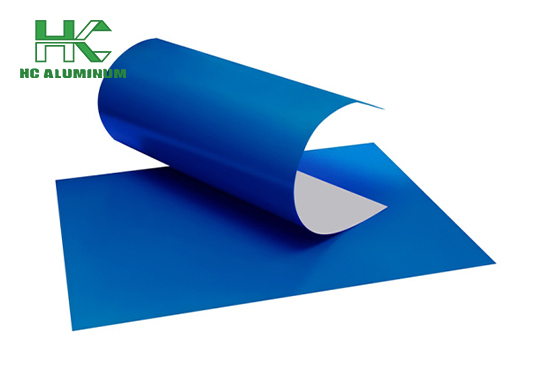
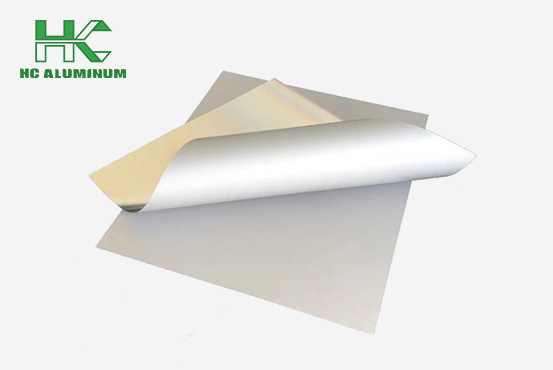
Double Layer Positive Thermal CTP Plate
Recent English Q&A discussions around PS, CTP, and CTCP plates show a rising interest in double layer positive thermal CTP plate products. The questions usually come from commercial printers, packaging plants, newspaper groups, and plate distributors who want stable imaging, longer run length, and fewer pressroom surprises.
The wording below reflects common questions appearing in public search and Q&A patterns during the recent quarter. The answers are original and written for new purchasers comparing thermal plate options.
1. What is a double layer positive thermal CTP plate?
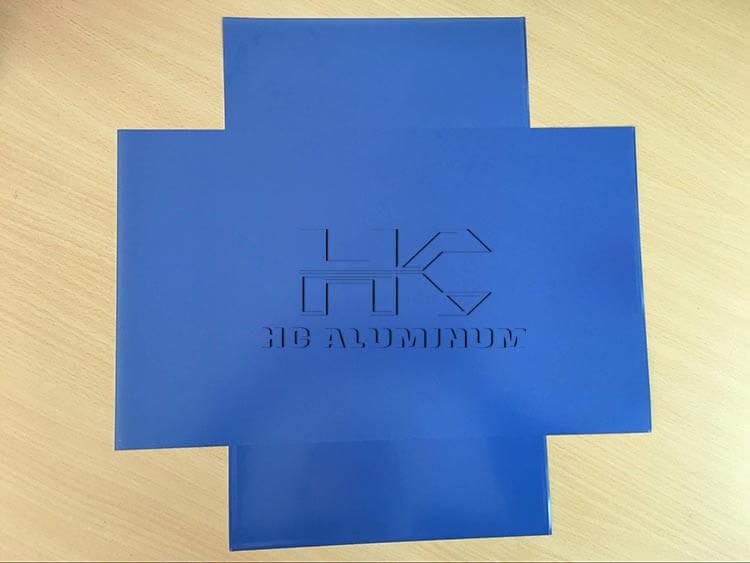
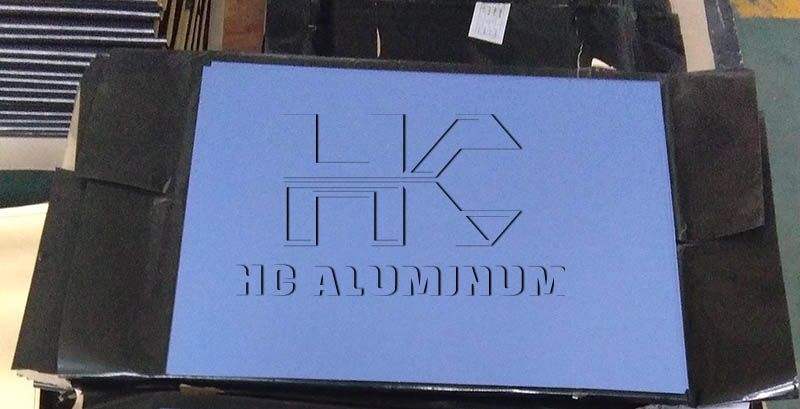
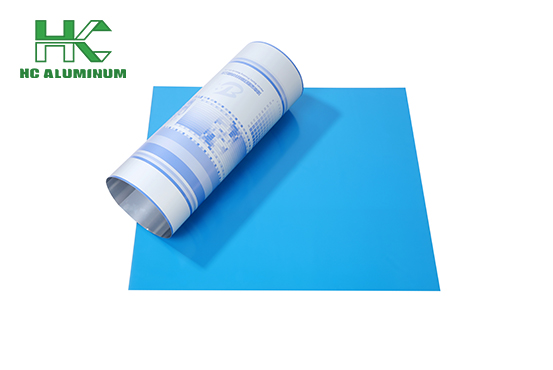
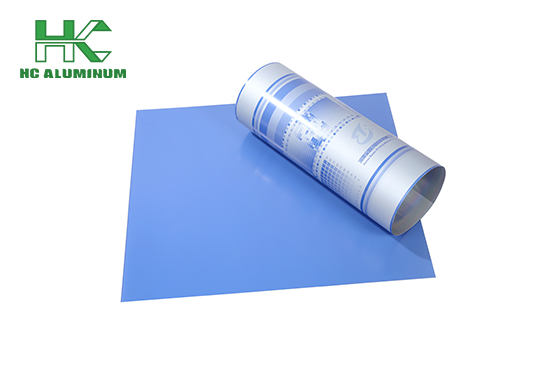
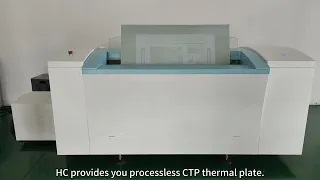
A double layer positive thermal CTP plate is a thermal printing plate with two functional coating layers on an electrochemically grained and anodized aluminum base. It is exposed by an 830 nm thermal laser in a CTP platesetter. After exposure and processing, the non-image area is removed, leaving the oleophilic image area for ink transfer.
The two-layer design is not just a marketing name. The upper coating is usually designed for imaging response, scratch resistance, and clean development. The lower coating supports adhesion, chemical resistance, and press durability. Because the two layers share different tasks, the plate can offer a wider processing latitude than many conventional single-layer positive thermal plates.
For plants moving from older positive thermal plates, Double Layer CTP products are often considered when the pressroom needs sharper dots, steadier long-run performance, and stronger resistance to developer fluctuation.
| Item | Single-layer positive thermal plate | Double-layer positive thermal plate |
|---|---|---|
| Coating structure | One main photosensitive layer | Two coordinated functional layers |
| Processing tolerance | Usually narrower | Usually wider when formulation is stable |
| Run-length potential | Good for standard commercial work | Better suited for longer and mixed jobs |
| Scratch resistance | Depends heavily on coating hardness | Often improved by the surface layer |
| Cost level | Generally lower | Usually higher, but may reduce waste |
2. Is a double layer positive thermal CTP plate processless?
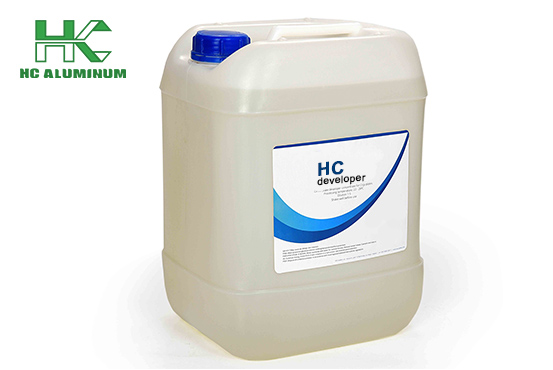
In most cases, no. A double layer positive thermal CTP plate is normally a processed thermal plate. It needs a compatible alkaline developer or low-chemistry processing system, depending on the plate brand and processor setup.
This is different from processless thermal plates, which are imaged and then cleaned on press or by a simplified unit. A processed positive thermal plate is still preferred by many printers because the image is visible before mounting, dot inspection is easier, and repeatability can be better controlled for demanding work.
The practical question is not only whether developer is required, but how forgiving the plate is when developer activity changes. A strong double-layer formulation should maintain clean backgrounds, stable 1 percent to 99 percent dots, and predictable plate life even when temperature, conductivity, replenishment, and processor speed vary within an approved range.
3. What run length can I expect from this plate?
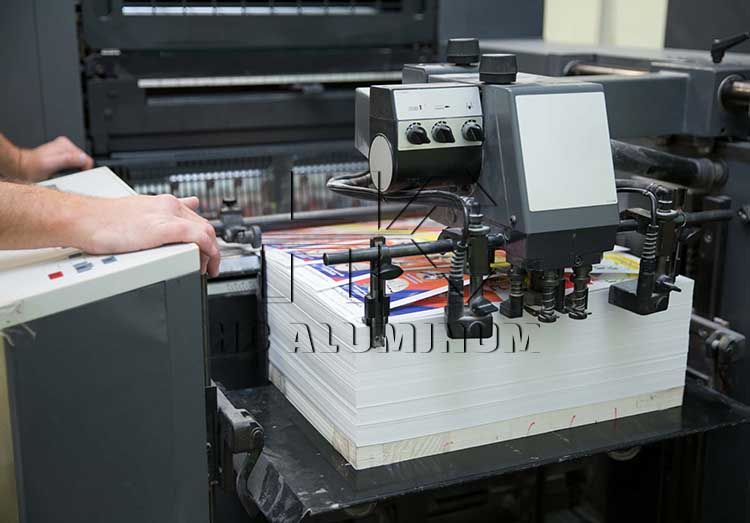
Run length depends on plate formulation, press condition, paper quality, ink type, fountain solution, blanket condition, and operator practice. As a general market reference, many double layer positive thermal CTP plates can reach around 100,000 to 200,000 impressions under standard commercial printing conditions. With baking, some products may reach higher run lengths, especially for packaging or long repeat jobs.
UV ink, rough paper, poor water-ink balance, strong washes, and abrasive dust can reduce plate life. If the job uses metallic ink or frequent stop-start operation, it is safer to test the plate on the actual press rather than relying only on catalog numbers.
| Printing condition | Expected influence on plate life | Practical action |
|---|---|---|
| Standard offset ink | Normal wear | Follow plate maker settings |
| UV ink | Higher chemical stress | Confirm UV compatibility before mass use |
| Rough paper surface | Faster image wear | Monitor early dot loss and blanket condition |
| Long storage after imaging | Possible sensitivity to humidity and dust | Print soon after processing when possible |
| Baking after processing | Higher durability | Use correct baking temperature and time |
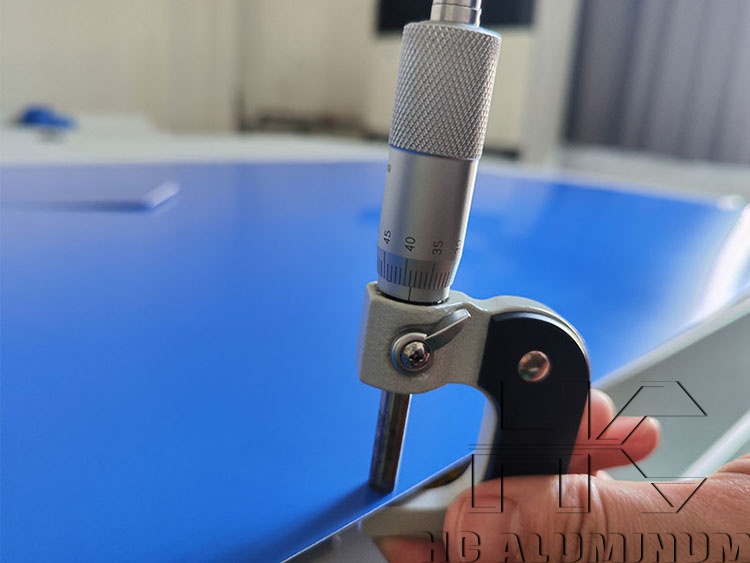
Thickness stability is also important. Common gauges include 0.15 mm, 0.20 mm, 0.24 mm, and 0.30 mm, selected according to press model and cylinder packing requirements. A small thickness deviation may affect registration, pressure balance, and plate mounting comfort.
4. Why do double layer thermal CTP plates sometimes show scumming, dot loss, or poor development?
Most problems are related to exposure, processing, storage, or press chemistry rather than the plate alone. A good plate still needs a controlled workflow. If the laser energy is too low, the exposed non-image area may not dissolve cleanly. If energy is too high, fine dots may become weak or damaged. If developer is exhausted, contaminated, too cold, or too hot, the background can become dirty or the image area can be attacked.
Scumming often comes from insufficient development, dirty processor rollers, weak gum protection, or press fountain solution outside the normal pH and conductivity range. Dot loss may come from over-development, excessive brush pressure, overexposure, or aggressive plate cleaner.
| Symptom | Common cause | Suggested check |
|---|---|---|
| Background scumming | Weak development or dirty processor | Check developer temperature, brush, and replenishment |
| Fine dot loss | Overexposure or over-development | Recalibrate laser energy and processor speed |
| Uneven image | Poor vacuum or plate handling marks | Inspect platesetter drum and loading process |
| Poor ink acceptance | Gum residue or wrong fountain balance | Clean plate correctly and adjust press chemistry |
| Short run length | Abrasive materials or harsh wash | Review ink, paper, blanket, and cleaner compatibility |
A reliable supplier should provide exposure energy range, developer recommendation, processing temperature, replenishment rate, and storage requirements. Without these parameters, even a premium plate may perform inconsistently.
5. How is a double layer positive thermal CTP plate manufactured?
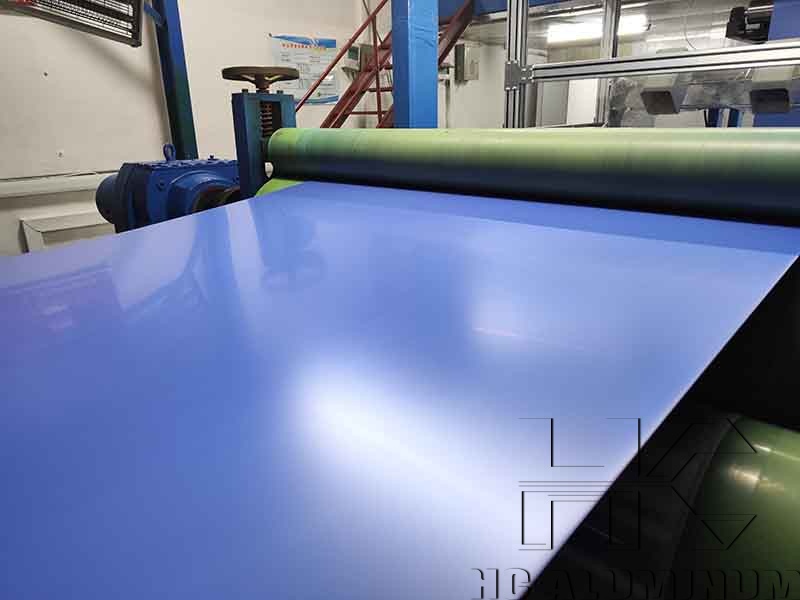
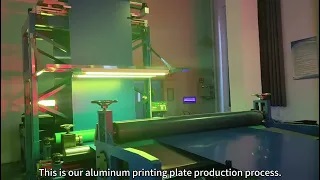
Manufacturing begins with an aluminum base selected for flatness, surface uniformity, and mechanical strength. The base is cleaned, degreased, electrochemically grained, anodized, and sealed. Graining creates microscopic pits that help water retention in the non-image area. Anodizing builds a hard oxide structure that improves durability and coating adhesion.
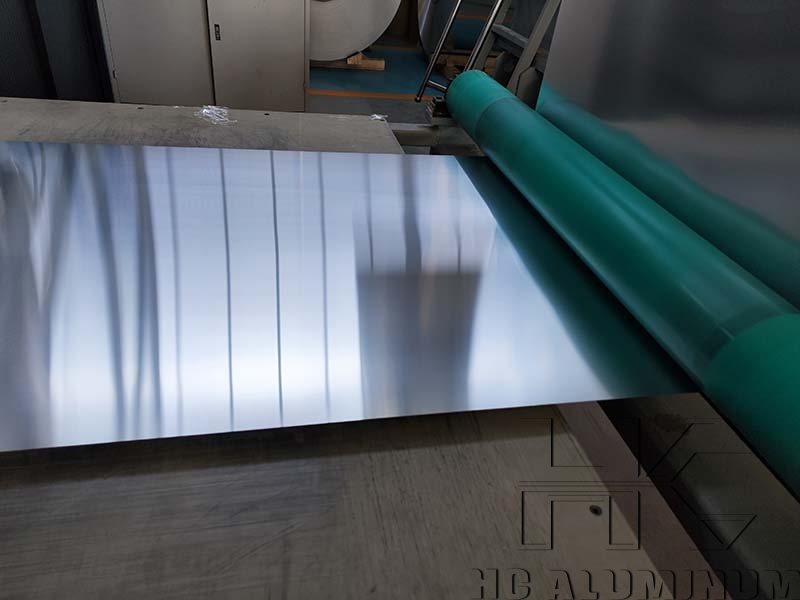
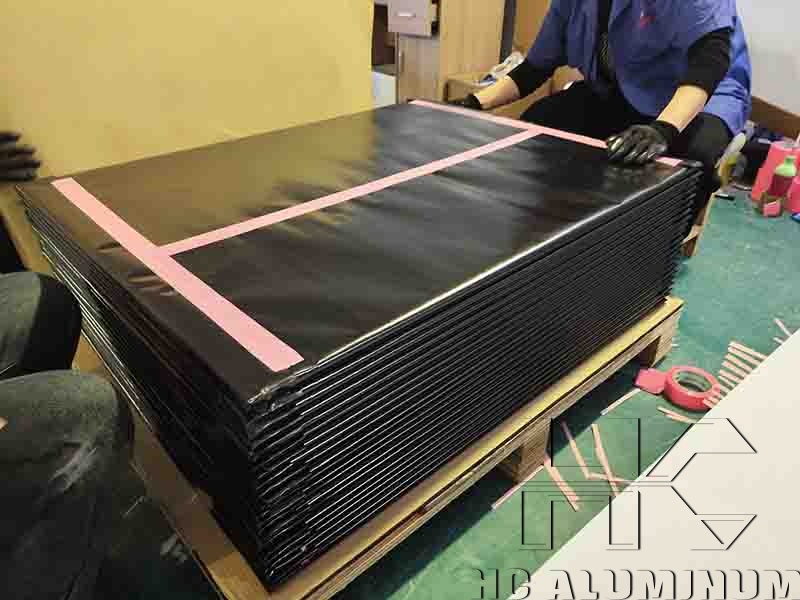
After surface treatment, two thermal-sensitive coating layers are applied in a controlled coating line. Drying must be uniform because coating weight directly affects sensitivity, development speed, dot reproduction, and storage stability. The plate is then inspected, cut to required press sizes, interleaved or protected, and packed in light-resistant, moisture-resistant cartons.
For new purchasing teams, the most useful factory checks include coating uniformity, surface defects, thickness tolerance, sensitivity curve, dot reproduction, developer latitude, and accelerated aging results. When evaluating Double Layer CTP supply, ask for trial plates from recent production batches and run them under the same processor and press conditions used in daily production.
A small trial should include solid density, 2 percent highlight dots, 50 percent midtone stability, 98 percent shadow dots, background cleanliness, restart performance, and plate wear after several thousand impressions. This gives a more realistic view than judging only from price per square meter.
Quick purchasing comparison table
| Question to ask | Why it matters | Preferred answer from supplier |
|---|---|---|
| What laser sensitivity range is recommended? | Helps match platesetter output | Clear mJ/cm2 range and calibration advice |
| What developer is approved? | Prevents processing instability | Named chemistry or compatible specification |
| What is the safe storage period? | Reduces aging risk | Usually 12 to 18 months under controlled storage |
| Is baking supported? | Needed for very long runs | Baking curve and post-bake handling instructions |
| Can it handle UV ink? | Important for packaging work | Tested UV performance data, not only verbal claims |
For many print plants, the real value of a double layer positive thermal CTP plate is not a single performance number. It is the balance between imaging speed, clean processing, press stability, and fewer remakes during daily production.