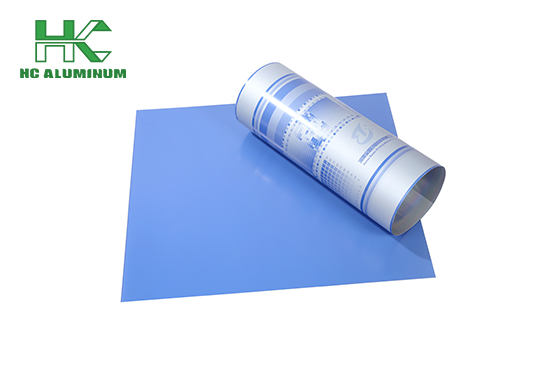
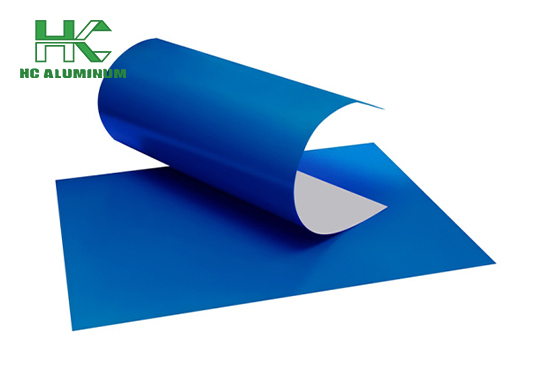
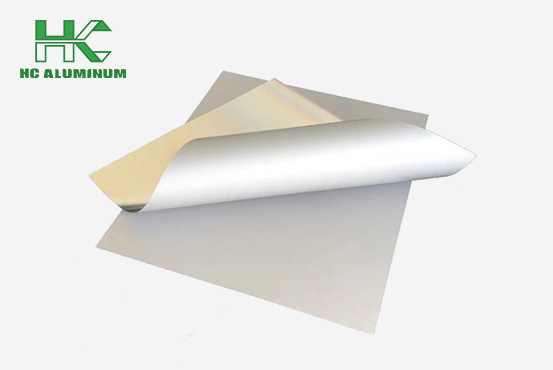
CTCP Plate
Holiday print demand is calendar-driven and unforgiving. From July 4 retail promotions and back-to-school packaging to Halloween, Singles' Day, Black Friday, Christmas, and New Year campaigns, printers and converters need plates that move from prepress to press without repeated adjustment.
For large-volume aluminum sheet, strip, coil, foil, and circle customers, a CTCP plate order should not be treated as a simple consumable purchase. It is a holiday production safeguard. The main concern this article focuses on is dot consistency, because unstable dots can change brand color, increase paper waste, and delay delivery windows.

Holiday demand problem: plate variation becomes press downtime
The National Retail Federation reported that 2024 US holiday retail sales reached USD 994.1 billion, up 4.0% year on year. That seasonal sales volume pushes demand for cartons, inserts, posters, labels, coupons, and direct mail into narrow production windows.
When artwork versions increase, plate performance becomes more visible. A cosmetics carton, beverage sleeve, or supermarket flyer may need several regional price versions, language versions, or barcode changes. If plate sensitivity or coating uniformity shifts between batches, the pressroom may face color drift, remakes, and extra makeready sheets.
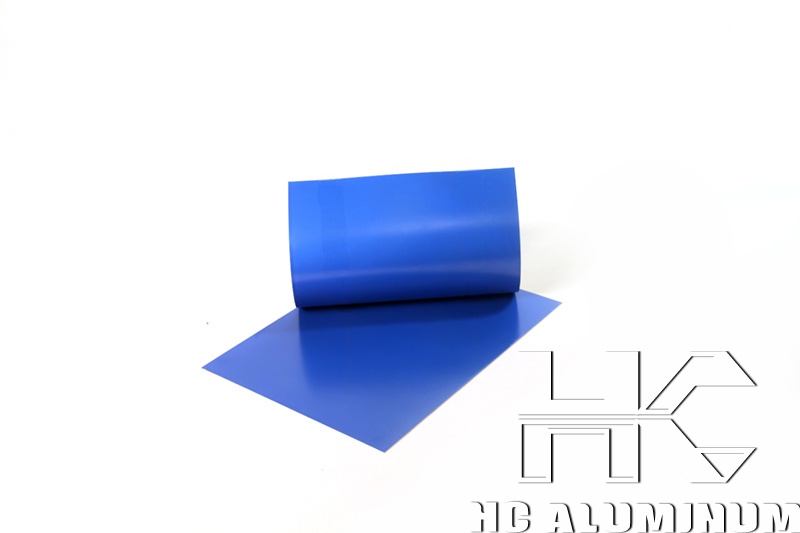
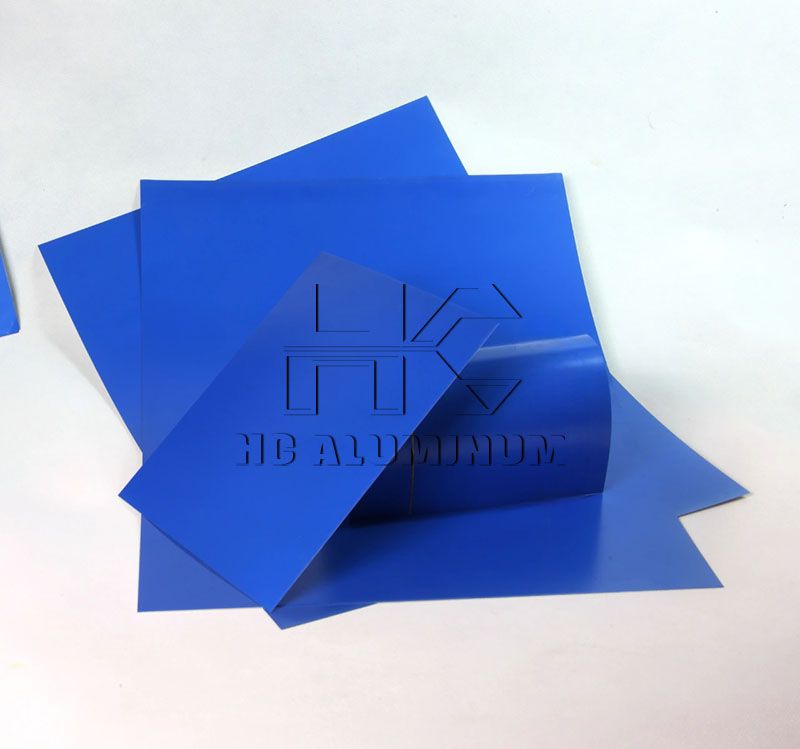
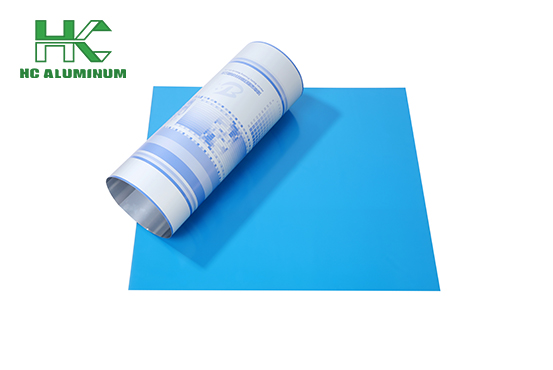
A CTCP plate, also called a computer-to-conventional plate, is a UV-sensitive offset plate imaged by a CTCP platesetter. It is commonly selected where printers want digital plate making with conventional offset workflows. For campaigns that need predictable UV-sensitive offset plates, CTCP Plate specifications should be tied to run length, screening, developer control, and delivery timing.
| Holiday production risk | What it causes | CTCP plate action to request |
|---|---|---|
| Mixed plate batches | Color variation across repeat jobs | Same-batch allocation for each campaign where possible |
| Vague plate sensitivity data | Exposure retesting and slow start-up | COA with sensitivity range and batch number |
| Weak packaging for sea freight | Edge damage and coating scratches | Moisture-resistant wrapping, corner guards, firm pallet strapping |
| Late prepress approval | Expedited freight and overtime | Reserve proofing plates before full production dispatch |
| Uncontrolled developer chemistry | Dot gain variation | Follow plate supplier processing range and document replenishment |
Offer plan: turn CTCP plate supply into a holiday solution
The product feature to prioritize is stable dot reproduction from plate to plate. Holiday packaging often uses brand colors and small text. A 1-99% screen range is only valuable when exposure, coating, graining, and processing are controlled as one system.
Use a step-based order plan instead of a single shipment request.
| Order step | Timing before holiday shelf date | Action | Practical result |
|---|---|---|---|
| Forecast plate demand | 10-14 weeks | Share plate size, thickness, coating type, estimated square meters, and artwork version count | Supplier can reserve material and production space |
| Confirm technical files | 8-10 weeks | Match platesetter model, laser wavelength, punch pattern, and processor chemistry | Fewer exposure trials before live jobs |
| Run pilot plates | 6-8 weeks | Test highlight dots, solids, barcodes, and fine reverse text | Early detection of processing mismatch |
| Release main order | 4-6 weeks | Lock carton label format, pallet limits, export documents, and shipment wave | Lower risk of warehouse sorting errors |
| Keep reserve stock | 2-3 weeks | Hold agreed spare plates for urgent design changes | Faster response to regional holiday promotions |

A practical holiday offer should include these items on the quotation or proforma invoice:
Plate type: CTCP, UV-sensitive offset plate.
Size tolerance: state length, width, thickness, and squareness requirements.
Batch traceability: batch number shown on carton labels and quality documents.
Surface protection: interleaving paper or agreed protective packing.
Pallet plan: maximum gross weight, carton count, and moisture protection.
Shipping plan: one full dispatch or staged shipments for proofing, production, and reserve stock.
Documentation: commercial invoice, packing list, certificate of analysis when available, and SDS for processing chemicals where applicable.
Price should also be auditable. Aluminum is a major cost input for offset plates. The London Metal Exchange publishes official primary aluminum prices daily, and many industrial contracts reference LME movement plus processing, coating, packing, and freight costs. This structure helps procurement teams separate metal volatility from conversion cost.
QC and order checklist for large-volume aluminum teams
CTCP plate quality cannot be confirmed by appearance alone. Before holiday production starts, align quality checks with recognized printing control language. ISO 12647-2 is widely used for process control in offset lithographic printing, including tone value increase and colorimetric targets. It does not replace a supplier specification, but it gives printers and packaging plants a shared technical vocabulary.
| Checkpoint | What to verify | Record to keep |
|---|---|---|
| Incoming cartons | Correct plate size, batch number, quantity, and no water damage | Warehouse receiving report |
| Plate surface | No scratches, dents, oxidation marks, or coating defects | Inspection photos by batch |
| Exposure test | Clean reproduction of fine lines, screens, and solids | Exposure setting log |
| Processing | Developer temperature, replenishment, speed, and conductivity if used | Processor log sheet |
| Press trial | Dot gain, ink-water balance, scumming, and run stability | Press approval sheet |
| Storage | Dry, ventilated area away from acids, alkalis, and direct sunlight | FIFO inventory record |
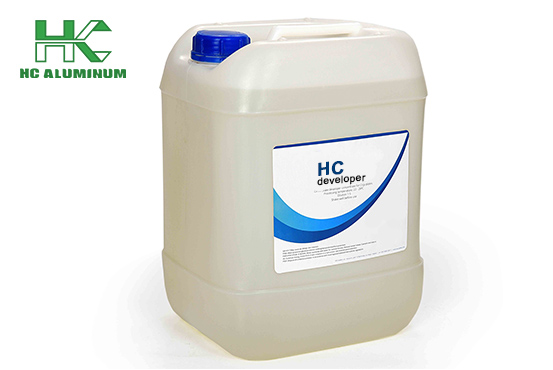
For safety and compliance, do not ignore the chemicals used with plate processing. In the United States, OSHA Hazard Communication Standard 29 CFR 1910.1200 requires safety data sheets for hazardous chemicals. In the European Union, REACH Article 31 sets SDS requirements for substances and mixtures. Ask for current SDS documents for developers, replenishers, and cleaners used with the plate system.
CTCP is not the only offset plate option. Use the comparison below when deciding whether to allocate CTCP plates to a holiday job or reserve another plate type for a specific pressroom.
| Option | Best fit | Advantage | Watch point |
|---|---|---|---|
| CTCP plate | Commercial print, labels, packaging inserts, promotional cartons | Digital workflow with conventional UV-sensitive plate processing | Needs controlled exposure and developer conditions |
| Thermal CTP plate | High automation environments and long repeat jobs | Strong workflow standardization in many plants | Plate and imaging system cost may be higher |
| Conventional PS plate | Smaller manual or semi-digital workflows | Familiar process for traditional shops | Manual film steps can slow versioned holiday jobs |
Before approving a holiday CTCP plate order, use this purchase-order checklist:
Confirm final plate size, thickness, grain direction if required, and order quantity by square meter and carton.
Require batch identification on every carton and pallet.
State whether plates are for sheet-fed, web offset, packaging, label, or commercial print use.
Define acceptable storage conditions and maximum stacking height.
Add pilot quantity for proofing before the main shipment leaves.
Request shipment photos showing carton labels, pallet wrapping, and container loading condition.
Attach the printer's exposure and processing requirements to the order file.
Match delivery waves to holiday production dates rather than one general arrival date.