Positive Ps Plate
Positive PS plate is still one of the most searched offset consumables because it sits at the intersection of chemistry, press settings, and aluminum quality. Below are 5 hot English questions people have been asking recently on Q&A platforms, with practical answers oriented to evaluating material and avoiding common pressroom failures.
1) What is a positive PS plate, and how is it different from CTP plates?
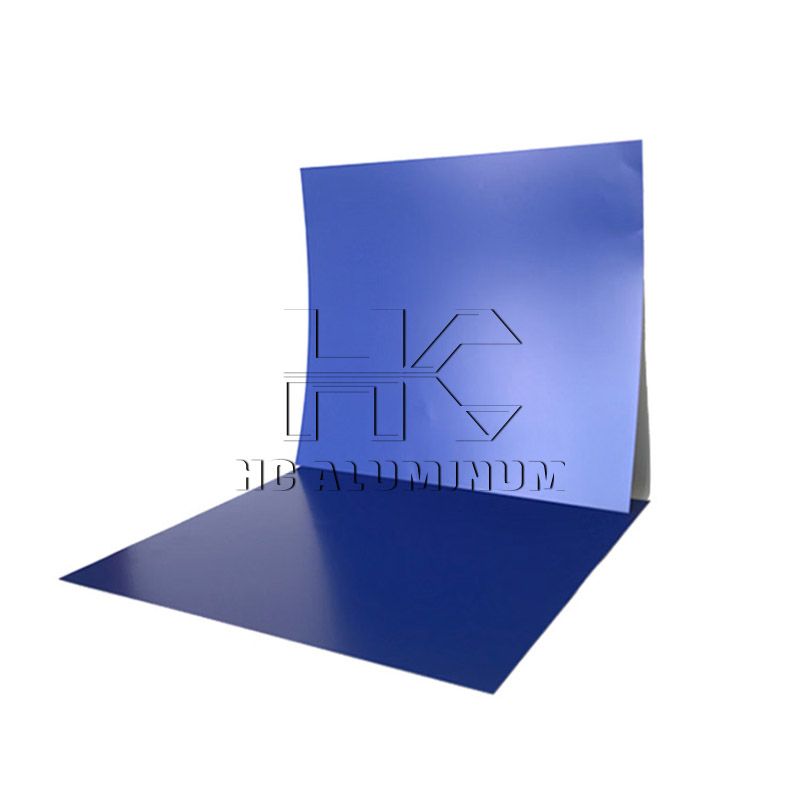
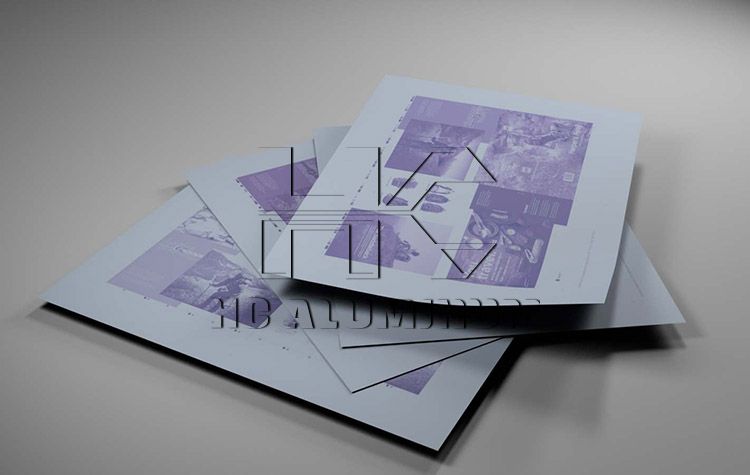
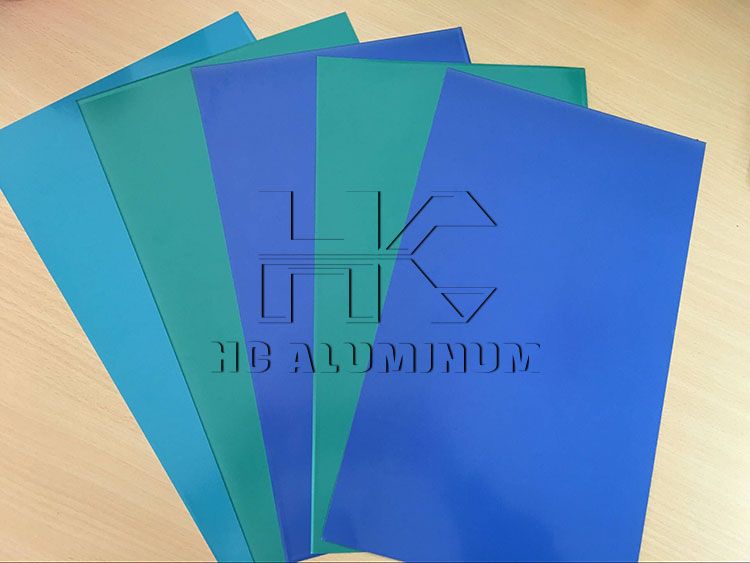
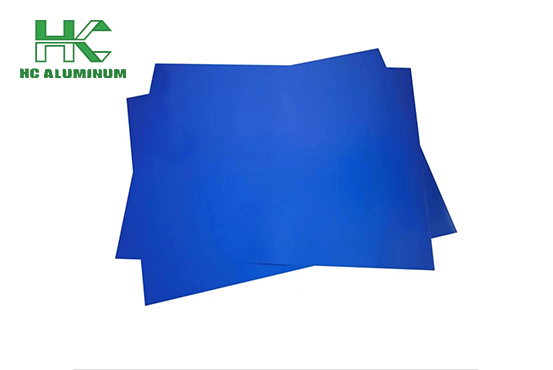
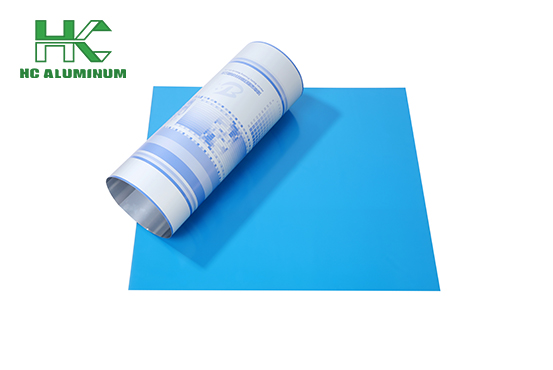
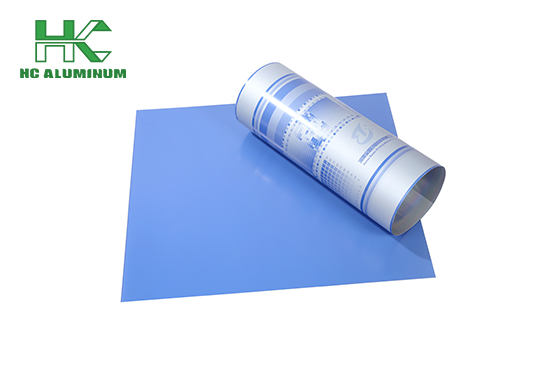
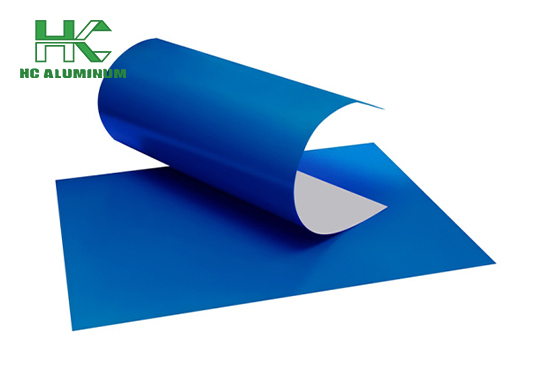
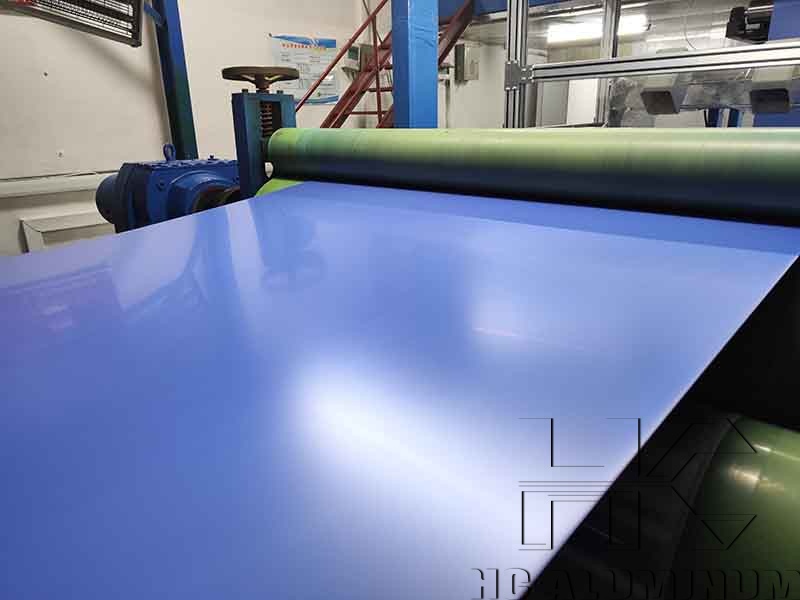
A positive PS plate is a presensitized offset plate that uses a positive-working photochemical coating. After UV exposure through a film, the exposed areas become soluble in developer and wash away, leaving the image areas to accept ink.
The key differences versus CTP are workflow and sensitivity rather than the aluminum base concept.
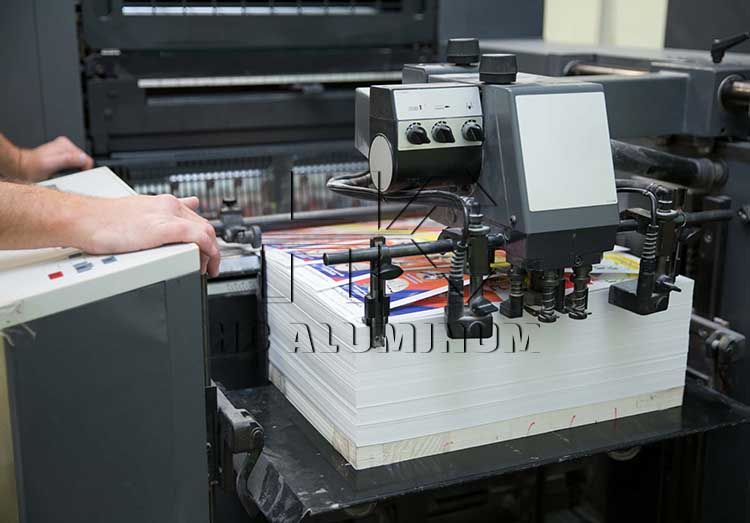
Imaging method: Positive PS plate typically needs film and UV exposure. CTP is laser imaged directly.
Tolerance: PS plates are often more forgiving if your process is stable, but film, vacuum frame, and exposure consistency become critical.
Cost drivers: PS plates can look cheaper per plate, but film output, handling, and rejects can shift true cost.
If you are comparing options, ask suppliers for coating type, recommended exposure energy, developer compatibility, and the aluminum base spec. When evaluating base material, it is useful to compare with a well-defined PS Plate specification so you are not mixing coating performance issues with base quality.
2) Which aluminum grade and temper are typically used for positive PS plates?
This is a common question because buyers often assume any aluminum will work. In reality, the substrate must be engineered for graining and anodizing consistency.
Most positive PS plates use high-purity aluminum, commonly in the 1xxx series, because it supports uniform electrochemical graining and stable anodic film formation. Typical expectations include:
Purity: Often 99.3 percent or higher aluminum for stable graining.
Temper: Frequently H18-like hardness ranges to balance flatness, strength, and handling.
Surface: Electrochemically grained, anodized, and then coated.
Why it matters: If purity or surface preparation is inconsistent, you may see uneven dot gain, background toning, weak highlights, or shorter run length. Also, base hardness affects plate mounting stability and scratch resistance.
Common spec checkpoints for the aluminum base
| Item to verify | What to ask for | Why it affects printing |
|---|---|---|
| Alloy and purity | 1050, 1060, 1070 range, and Al percent | Uniform graining and anodizing |
| Thickness tolerance | Target and tolerance band | Register stability and pressure latitude |
| Surface roughness | Ra range after graining | Ink-water balance and dot stability |
| Anodic layer | Weight or thickness target | Run length and abrasion resistance |
| Cleanliness | Packaging, interleaf, particle control | Pinholes, scratches, coating defects |
3) What thickness should I choose for positive PS plate: 0.15 mm, 0.20 mm, 0.25 mm, or 0.30 mm?
Thickness is one of the fastest ways to align plate performance with press size and handling habits. People asking this recently often mention issues like plate bending, micro-cracks at the clamp, or unstable registration.
A practical selection approach:
0.15 mm: Often used for small format presses where bending radius is tighter and plates are treated gently. It reduces cost and mounting effort, but is easier to kink.
0.20 mm: A common all-around thickness for many commercial jobs. Good compromise of rigidity and handling.
0.25 mm: Popular when you want more rigidity, more stable registration, or you see clamp stress marks with thinner material.
0.30 mm: Used for larger formats or when operators need extra robustness. It may require adjusted bending settings.
Instead of choosing by habit, match thickness to press cylinder requirements and bending equipment. If your plates crack at the leading edge, it is often a bending radius or temper mismatch, not only thickness.
4) Why do I get scumming, background toning, or weak dots on positive PS plates?
This question trends because the symptoms look similar but have different root causes. A structured diagnosis avoids wasting plates.
Most frequent causes and fixes
Underexposure: Image areas can wash out or look weak, and background may tone. Fix by verifying lamp output, exposure time, and vacuum contact.
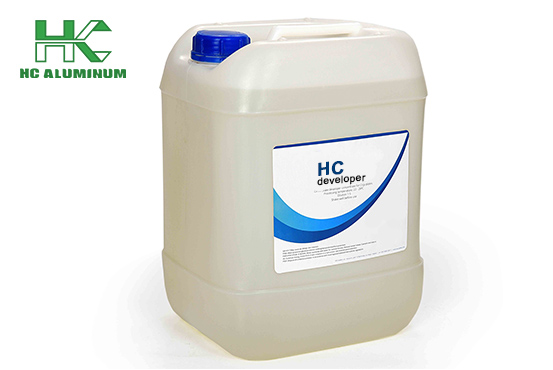
Overdevelopment: Highlights can disappear, and dots weaken. Reduce developer strength, temperature, or dwell time.
Developer exhaustion or contamination: Scumming and inconsistent results across the plate. Track conductivity, replenishment, and filtration.
Water quality: Hard water or inconsistent pH can destabilize development and gum. Test incoming water and keep it stable.
Plate storage damage: Humidity and temperature swings can degrade coating response. Store sealed and acclimate before opening.
Aluminum base surface variability: If graining or anodizing is uneven, you can see mottling or inconsistent ink-water balance. Request surface data and consistency records.
A useful pressroom habit is to keep a reference plate from a lot that printed well, then compare exposure step wedges and development response when problems appear.
5) How should I store positive PS plates, and what is the real shelf life?
Storage questions have been especially common lately because many shops are reducing inventory turns and keeping plates longer.
General best practices:
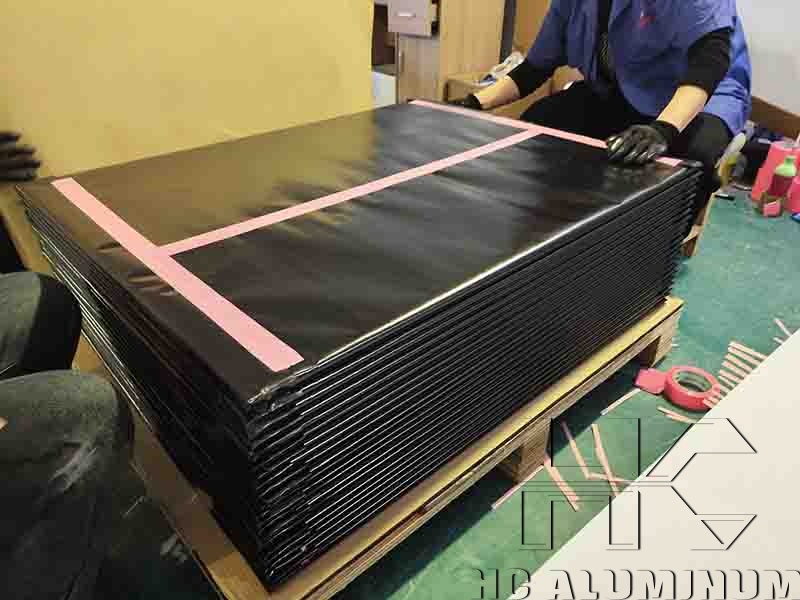
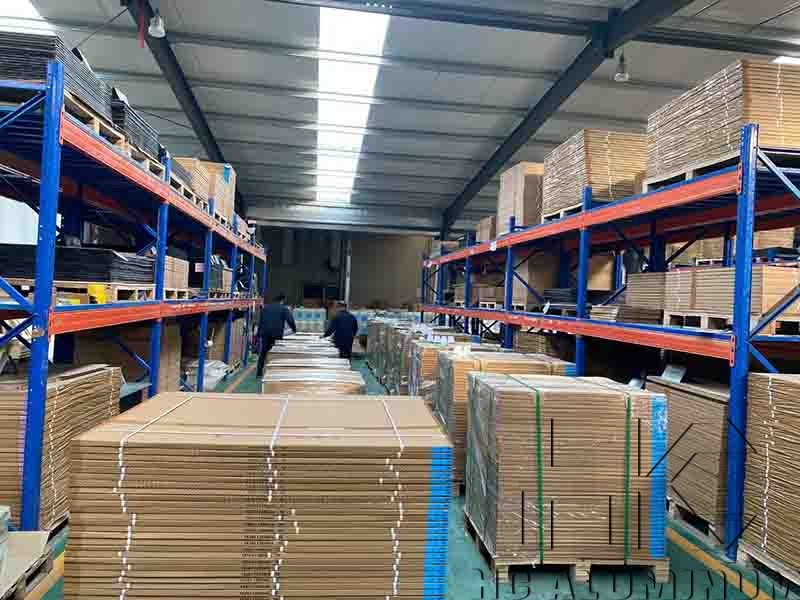
Keep plates in original packaging, sealed from moisture and light.
Store in a cool, dry environment with stable temperature. Avoid direct sunlight and heat sources.
Let plates acclimate to pressroom temperature before opening. Condensation on a cold plate can damage coating.
Handle with clean gloves. Fingerprints can create development defects.
Shelf life is not only a calendar number. It depends on coating chemistry, packaging, humidity, and whether cartons were opened and reclosed. If your plates are near the stated shelf life, do a controlled test: expose a small step wedge, develop at standard settings, and check for fog, sensitivity shift, or background toning.
Quick buyer-side checklist before committing to a lot
| Check | How to verify quickly | What you avoid |
|---|---|---|
| Lot consistency | Ask for COA and sample plates from the same lot | Random performance shifts |
| Packaging integrity | Inspect corner crush, moisture marks, reseals | Coating fog and scratches |
| Trial run | Print a short run with standard fountain and ink | Hidden sensitivity issues |
| Support documents | Developer recommendation and exposure guidance | Trial-and-error waste |
If you need a baseline to compare different offerings, align your inquiry around a consistent product definition such as a standardized PS Plate build, then evaluate coating sensitivity and run length on top of that.