How Does PS Plate Work
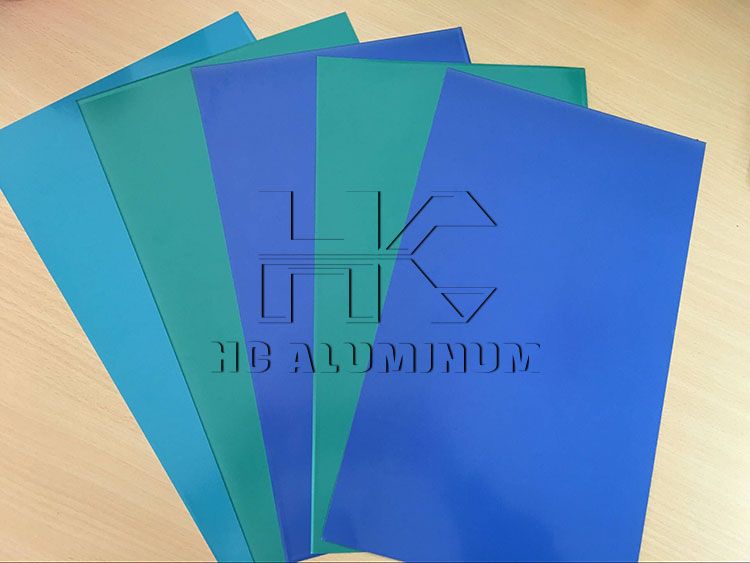
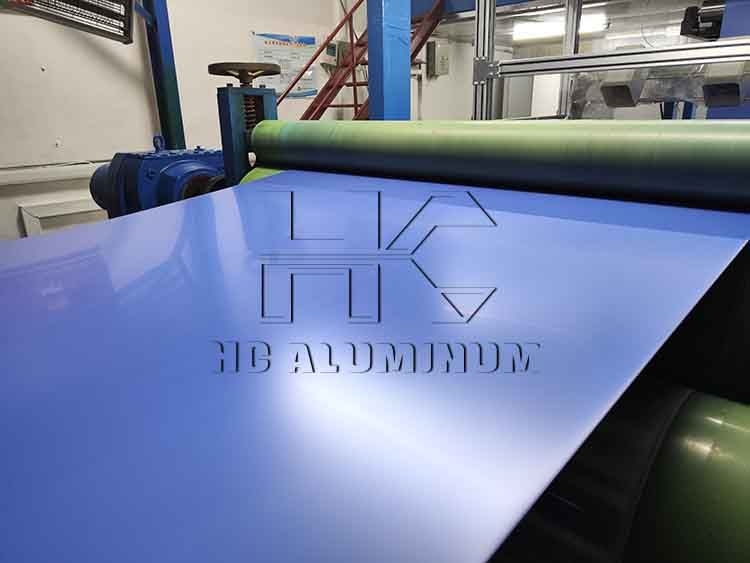
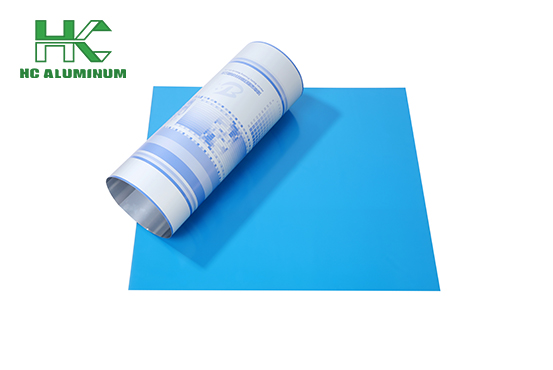
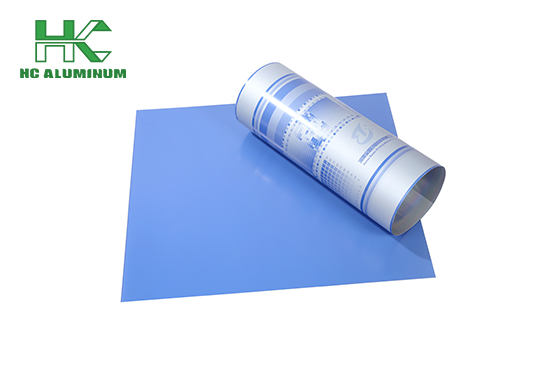
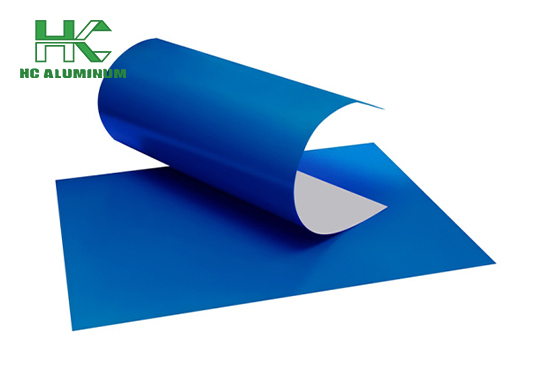
PS plate is the abbreviation of Pre-Sensitized Plate. PS plate has fine grain, high image resolution, smooth and complete dots, and good gradation and color reproduction. It chooses the aluminum plates as the supporting base with thicknesses of 0.5mm, 0.3mm, 0.15mm, etc.
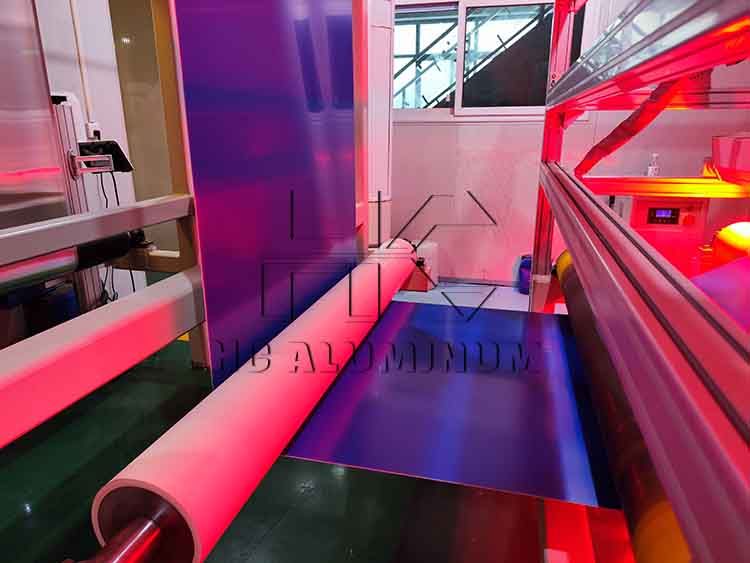
The aluminum plate is treated by electrolytic roughening, anodizing, sealing, etc., and then a photosensitive layer is coated on the plate surface to make a pre-coated plate. PS plates are divided into positive PS plates and negative PS plates according to the photosensitive principle of the photosensitive layer and the platemaking process. The platemaking process of the positive PS plate is: exposure → development → dirt removal → plate repair → plate baking → coating of developing ink → gluing.
Exposure
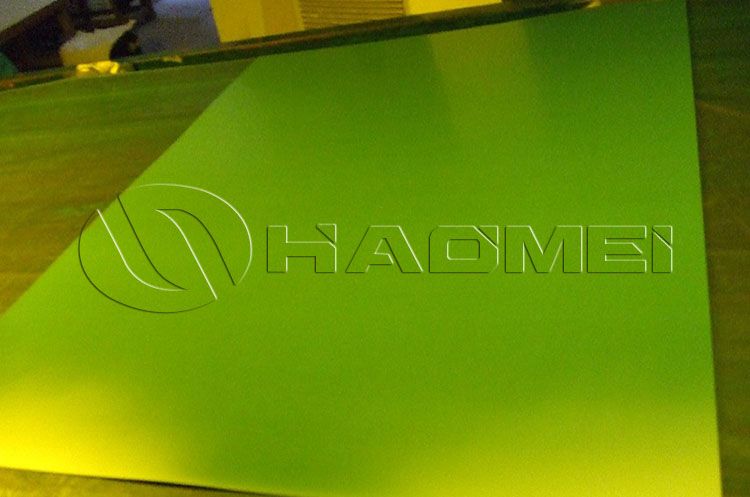
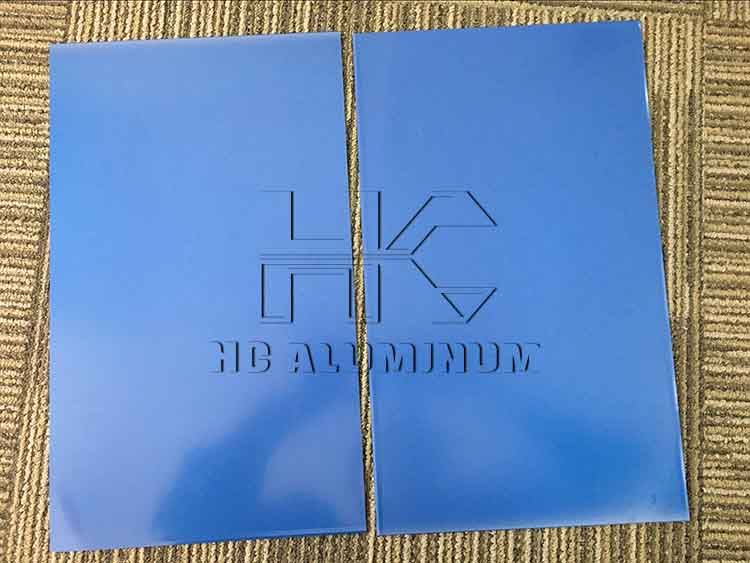
The exposed ultraviolet light passes through the low-density and blank areas on the original plate to reach the photosensitive layer of the PS plate, where it is absorbed by the photosensitive agent and becomes words and images. The principle is that the positive PS plate decomposes and rearranges its structure under the action of ultraviolet light, causing the photosensitive part to change from insoluble in dilute alkali to soluble in dilute alkali. At the same time, as the photosensitive group disappears, the color of the photosensitive part changes from green to the color of the pigment in the photosensitive layer - blue.
Development
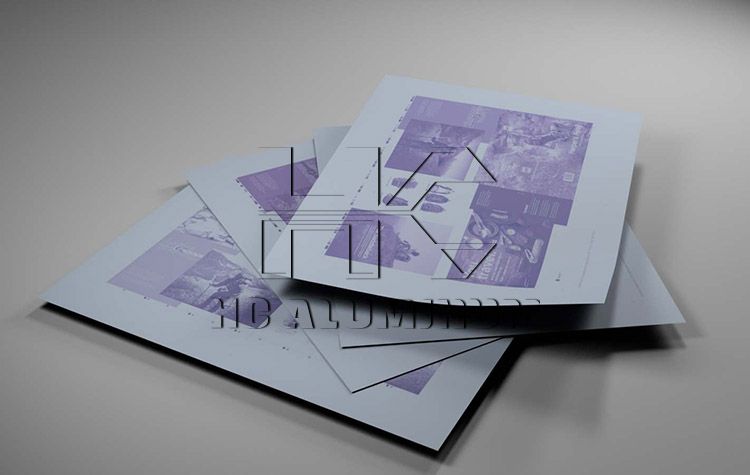
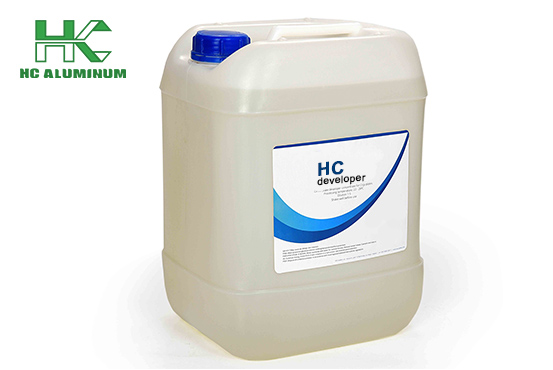
Development is to develop the exposed PS plate with a dilute alkaline solution, so that the compounds generated by the photodecomposition reaction when exposed to light are dissolved, and the photosensitive layer that has not been exposed to light is left on the plate, forming an oil-wet image and text part. Development is generally carried out in a special developer.
Dirt removal
Dirt removal is to use a dirt removal liquid to remove the excess rules, adhesive paper, traces left by the edges of the positive film, dust and dirt on the plate.
Repair
Repair is to add pictures or repair the layout of the PS plate after development for various reasons. There are two common repair methods. One method is to apply photosensitive liquid on the layout again and repair the pictures and texts that need to be added. The other method is to use a repair liquid pen to repair.
Baking
It is is to coat the surface of the printing plate after exposure, development, cleaning and repair with protective liquid, put it into the plate baking machine, bake it at a constant temperature of 230-250℃ for 5-8 minutes, take out the printing plate, and after natural cooling, develop it again with developer, remove the residual protective liquid on the plate surface, and blow it dry with hot air. The printing endurance of the PS plate after plate baking can be increased to more than 150,000 prints.
Coating of developing ink
After the PS plate is cleaned or baked, the developer ink is applied on the aluminum offset printing plates. The purpose is to improve the lipophilicity of the image part. Generally, printing plates with poor lipophilicity and printing plates that have been stored for a long time must be treated in this way.
Gluing
Gluing is the last step in PS plate making, which is to apply a layer of gum arabic on the surface of the printing plate to make the hydrophilicity of the blank part without images more stable and protect the plate from being dirty.
How To Judge The Quality of Aluminum Offset Printing Plate
What Are The Advantages of Using Double Layer Thermal CTP Plates in the Printing Process