B2B Manufacturing Plate Sizing Standards Guide
Many customers, when making bulk purchases, often encounter problems such as wasted printing plates, equipment incompatibility, and unstable print quality due to improper size selection, which actually increases hidden costs.
Today, we will combine industry standards and practical experience to clarify the size selection logic for large-volume offset printing plate orders for B2B customers, focusing on the key points of size compatibility for CTP and CTCP printing plates.
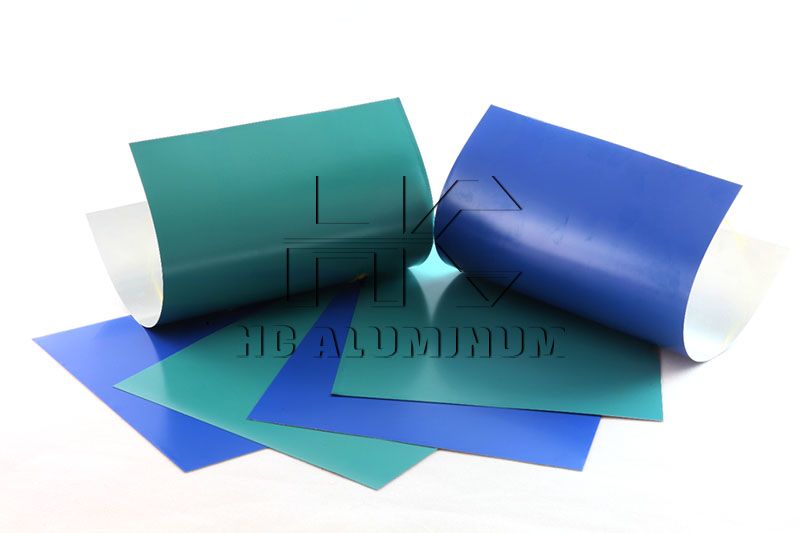
CTP and CTCP are currently the two most mainstream printing plates in the global B2B offset printing industry. Their plate-making processes and equipment requirements differ, and therefore their size selection also differs significantly. When purchasing, overseas customers need to select the appropriate plate size based on their own equipment type to significantly improve production efficiency and reduce waste.
CTP plate
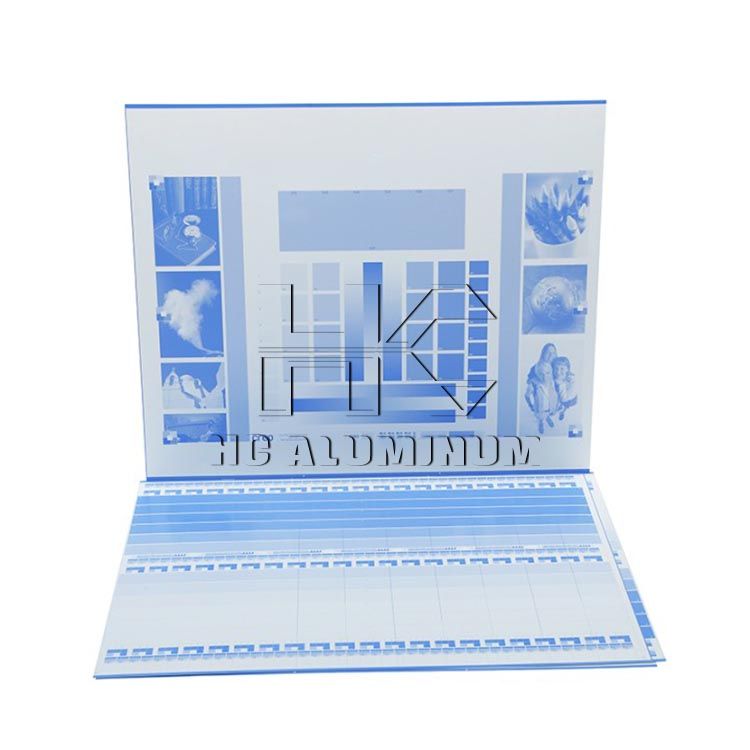
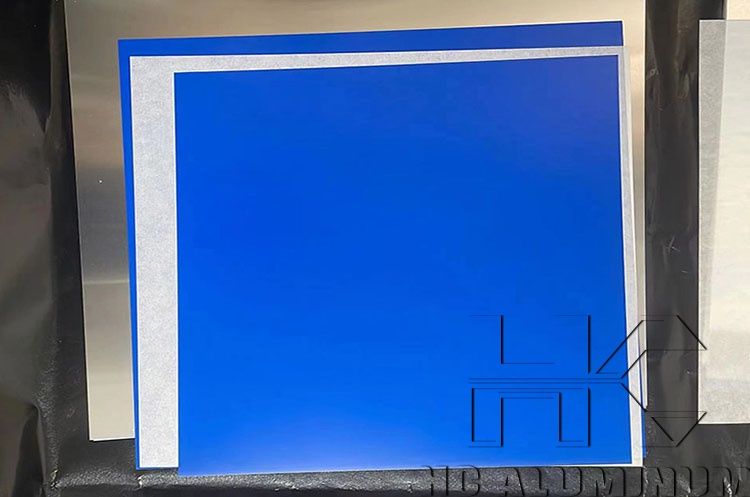
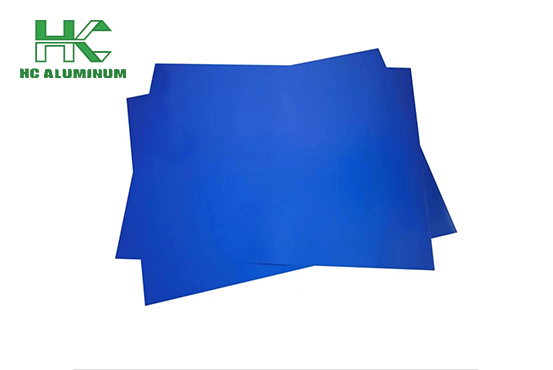
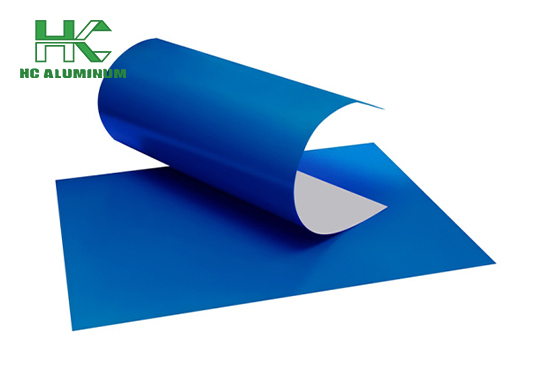
CTP sheets eliminate the need for film, using computer-controlled laser scanning for plate making. This offers advantages such as fast plate-making speed, high dot accuracy, and strong printing durability, making them suitable for high-volume, high-precision offset printing needs abroad (e.g., high-end packaging, international brochures, brand promotional materials). When selecting the CTP plate size, three key points should be considered to ensure compatibility with international equipment:
1. Size Range
CTP sheets primarily use international standard sizes, with common sizes including A0 (841×1189mm) and A1 (594×841mm). Common thicknesses are 0.12mm, 0.15mm, 0.23mm, and 0.30mm. The 0.23mm thickness is particularly adaptable, compatible with most international brand printing presses (such as Heidelberg and Roland), making it the preferred choice for large-volume international orders.
2. Size Specifications
CTP plates have strict requirements for edge straightness, waviness, and cutting burrs. For edges shorter than 1200mm, the maximum waviness height should be 1.5mm; for edges longer than 1200mm, the maximum waviness height should be 2.5mm. Cutting burrs should not exceed 45μm, fully complying with international industry standards. Customers should avoid excessively customizing oversized or over-wide specifications, as this can easily lead to uneven edges, misalignment during printing, and affect the stability of cross-border transportation.
3. Suitable Scenarios
For large-volume, high-precision international orders (such as luxury packaging, international magazines and brochures), international standard-size (A0, A1) CTP plates should be prioritized, paired with photopolymer or thermal CTP plates. This meets the demands of high-speed printing while ensuring dot reproduction (screen rulings can reach 300 lines per inch), while reducing plate-making times and improving efficiency.
For example, for mass printing of high-end international gift box packaging, using 841×1189mm (A0) CTP plates allows for single-plate multi-slot printing, balancing precision and efficiency, and is compatible with mainstream international plate-making machines.
CTCP Plates
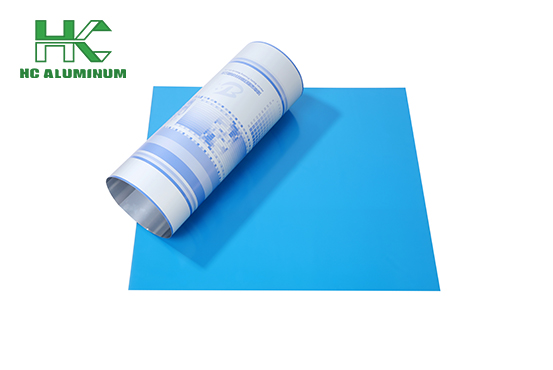
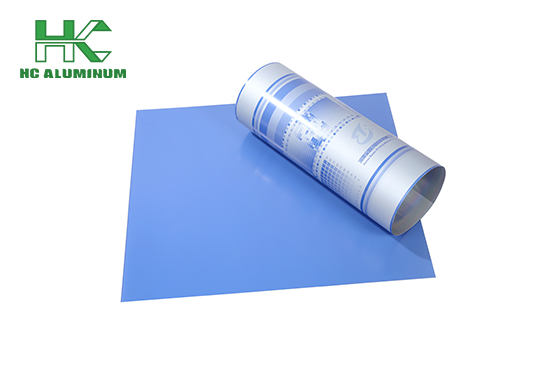
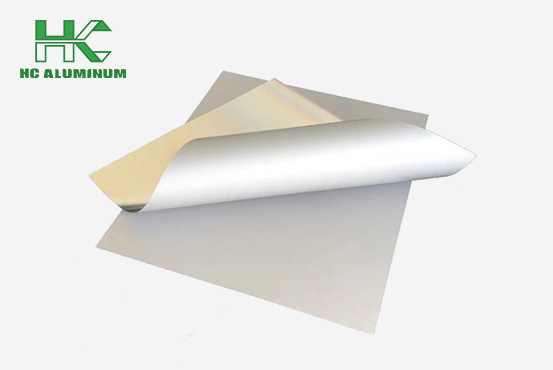
CTCP plates are essentially traditional PS plates combined with digital plate-making technology. They do not require replacement of existing traditional printing equipment, offering advantages such as strong compatibility and lower cost. They are suitable for mass printing of regular products internationally (such as brochures, product manuals, and export manuals). Size selection should emphasize "compatibility" and "versatility," while also ensuring compatibility with traditional international offset printing machines:
1. Size Range
CTCP plate sizes are consistent with international standard traditional PS plates. Common sizes are A0 (841×1189mm), A1 (594×841mm), and A2 (420×594mm), with thicknesses primarily at 0.20mm and 0.30mm. A1 and A2 sizes have wide compatibility and are directly compatible with mainstream international offset printing machines without additional equipment parameter adjustments, making them the preferred choice for large-volume international orders. HC printing supports CTCP plate customized.
2. Size Advantage
CTCP plates offer high size flexibility, allowing for customization to meet the existing equipment specifications of overseas clients. Its core advantage lies in the combination of "digital platemaking + traditional printing," enabling efficiency upgrades without equipment replacement. Size selection can utilize existing international standard specifications for traditional PS plates, reducing equipment setup costs. This is particularly suitable for overseas B2B clients with existing traditional offset printing presses who plan to upgrade their platemaking efficiency in large quantities.
3. Suitable Scenarios
For large-volume, regular printing orders overseas (such as brochures and product manuals), A1 or A2 size CTCP plates are the preferred choice. They are compatible with existing traditional offset printing presses while improving efficiency and reducing human error through digital platemaking. Furthermore, the cost is 15%-20% lower than CTP plates, making them suitable for large-volume orders seeking high cost-effectiveness. For example, for bulk printing of export manuals, using 594×841mm (A1) CTCP plates can directly adapt to overseas traditional offset printing presses, achieving efficient mass production.
Tips for Avoiding Common Size Selection Pitfalls in Large-Volume B2B Orders
Based on the characteristics of CTP and CTCP printing plates, this article shares three practical tips for large-volume overseas orders (≥1000 sheets per batch) to help clients avoid common size selection pitfalls and ensure smooth cross-border procurement:
1. Confirm Equipment Parameters in Advance: Before purchasing, be sure to provide the model and maximum output size of your printing press and plate-making machine, and confirm the size compatibility of the CTP/CTCP printing plates with the supplier. For example, if the printing press is a Heidelberg offset press, A1 (594×841mm) CTP/CTCP printing plates can be prioritized to avoid the problem of "the plate is too large to be clamped"; if it is a roll-to-roll offset press, pay attention to the plate length being a multiple of 2mm and the width being a multiple of 5mm.
2. Avoid Over-Customizing Sizes: The core of large-volume orders is "standardization and high efficiency." Unless there are special printing needs (such as extra-large posters), prioritize international standard sizes (A0, A1, A2). Standard-sized CTP/CTCP sheets not only have lower procurement costs but also higher plate-making and printing efficiency, reducing cutting waste and lowering the risk of damage during cross-border transportation.
3. Calculate Utilization Rate Based on Sheet Characteristics: CTP sheets are high-precision and expensive, so it's necessary to maximize the utilization rate of each sheet. This can be achieved through reasonable imposition, combining multiple small-sized products onto a single sheet.
CTCP sheets are less expensive, so it's appropriate to balance imposition efficiency and utilization rate, without excessively pursuing extreme utilization rates, thus avoiding increased imposition complexity and extended production cycles. Simultaneously, adhere to international standard thickness tolerance requirements, selecting sheets of appropriate thickness to avoid instability during printing due to thickness deviations.