CTCP Plate Thickness
Holiday print demand creates a practical production risk: a plate gauge that does not match the press setup can cause mounting issues, register variation, or unnecessary downtime when schedules are least flexible.
For Black Friday, Christmas, and New Year catalogues, packaging inserts, retail posters, and promotional leaflets, CTCP plate thickness should be specified as a press-compatibility requirement, not selected only by material cost. The most important concern is consistency: every plate in the shipment must fit the intended press cylinder, clamp system, and handling process.
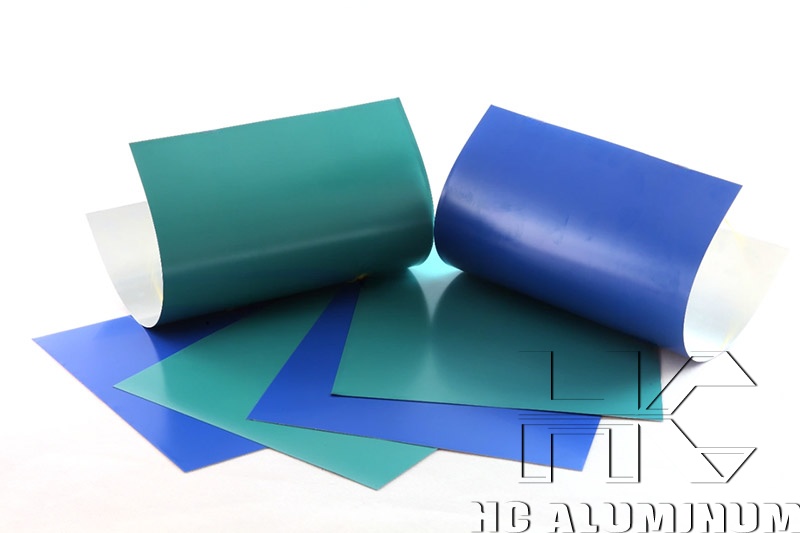
Match the Gauge to the Press Before Seasonal Production Starts
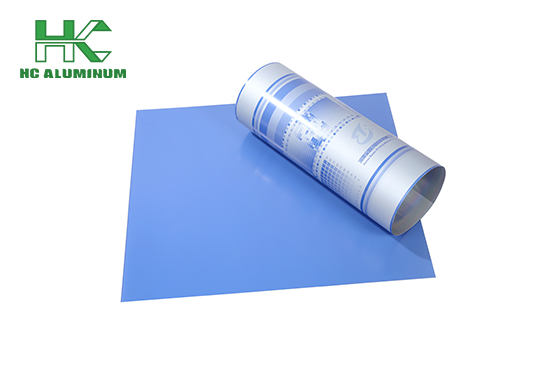
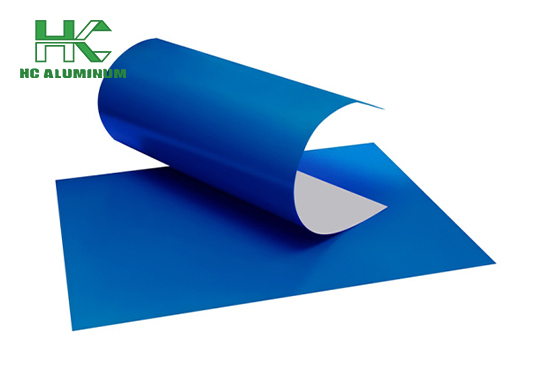
CTCP refers to computer-to-conventional plate production, where an image is produced digitally on a conventional offset plate. The aluminum substrate gauge affects stiffness, mounting behavior, storage resistance, and handling. It does not, by itself, determine coating sensitivity, run length, or dot reproduction. Those properties must be confirmed separately in the manufacturer's technical data sheet.
Common commercial plate gauges include 0.15 mm, 0.20 mm, 0.30 mm, and 0.40 mm. Availability varies by supplier, alloy, coating system, width, and plate format. Confirm the nominal gauge and allowable tolerance in writing rather than assuming that two products with the same stated thickness perform identically.
| Nominal aluminum gauge | Typical operational use | Holiday-season benefit | Check before ordering |
|---|---|---|---|
| 0.15 mm | Small-format or lower-stress work where the press supports thin plates | Lower material weight and easier handling | Clamp compatibility, edge damage risk, packing rigidity |
| 0.20 mm | General commercial sheet-fed offset applications | Broad usability for promotional leaflets and inserts | Press manual requirement and cylinder packing |
| 0.30 mm | Larger formats or applications needing more stiffness | Better resistance to bending during busy plate handling | Required plate bender, punch, and storage rack fit |
| 0.40 mm | Heavy-duty or specific press configurations | Added rigidity for demanding handling conditions | Exact press approval; thicker is not automatically suitable |
The press manufacturer's operating documentation takes priority over a general gauge range. A plate that is too thin may not suit the punch, bender, or clamp arrangement. A plate that is too thick can alter packing conditions or fail to mount correctly. Do not compensate for an incorrect gauge with improvised packing changes during a live campaign.
For product selection, specify the press model, plate length and width, punch pattern, required gauge, coating type, and anticipated run conditions. This makes it easier to compare a standard CTCP Plate configuration with a plate tailored to the production line.
Use Thickness Consistency as the Receiving Inspection Standard
A nominal value alone is incomplete. Thickness variation across a plate or from one pallet to another can affect mechanical consistency, especially when production teams are changing plates quickly across multiple holiday jobs.
Use this receiving process for aluminum plate shipments:
- Confirm the purchase specification states the nominal gauge in millimeters.
- Request the supplier's thickness tolerance and measurement method.
- Match plate dimensions and punch requirements to the press documentation.
- Inspect outer packaging for crushed corners, moisture exposure, and strap damage before moving plates into storage.
- Measure representative samples with a calibrated micrometer at agreed locations, avoiding areas distorted by edges or handling.
- Record the material batch or lot identification, delivery date, and inspection result.
- Keep approved and unapproved materials physically separated until the press trial is complete.
ISO 12647-2 is the recognized process-control standard for offset lithographic printing. It establishes process-control targets for printed production, but it does not prescribe one universal plate gauge. This distinction matters: conformity with print-control practices does not remove the need to follow the press manufacturer's plate-thickness requirement.
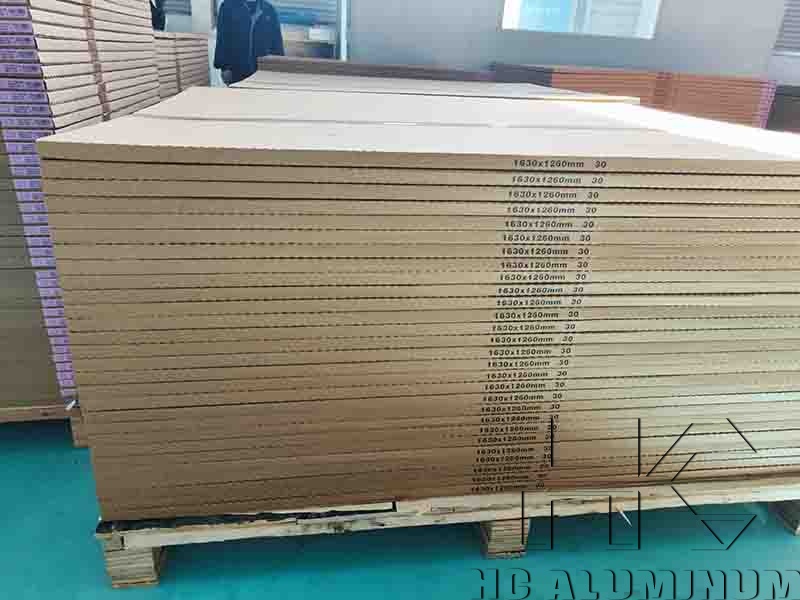
Thickness also needs to be considered with packaging. Thin aluminum plates can be damaged if stacks shift in transit or if corners are exposed. Request interleaving, edge protection, moisture-resistant wrapping where transport conditions require it, and pallet labeling that identifies gauge, size, coating, and quantity. These are operational controls, not cosmetic packing preferences.
Build a Holiday Plate Release Plan Around Verified Specifications
September and October are appropriate planning months for year-end campaigns because plate qualification, artwork approvals, and transport scheduling all need time before Black Friday and Christmas print windows tighten. Rather than holding excess material without a plan, release staged deliveries against confirmed campaign volumes and approved press trials.
Use the following comparison questions when evaluating offers:
| Evaluation point | What to request | Why it prevents disruption |
|---|---|---|
| Gauge confirmation | Nominal thickness and tolerance | Avoids incompatible plates arriving during press scheduling |
| Format accuracy | Length, width, squareness, and punch details | Reduces setup adjustments and rejected plates |
| Coating suitability | Developer, processor, exposure, and storage requirements | Helps prevent imaging or processing mismatch |
| Packaging method | Interleaving, corner protection, wrap, and pallet details | Limits transit damage to aluminum edges |
| Traceability | Batch identification and inspection documentation | Supports investigation if a press issue occurs |
| Delivery timing | Confirmed dispatch window and receiving capacity | Prevents material arriving after campaign production begins |
A short production trial is the most effective control before releasing campaign volumes. Mount the selected gauge on the intended press, verify punching and bending, run the planned imaging and processing route, and inspect register stability during the first production sheets. Document the approved configuration so replenishment material matches it.
For teams running several offset formats, separate specifications by press rather than using one general description. A 0.20 mm plate approved on one machine is not automatically approved on another. Where different gauges are needed, use clear labels such as press name, plate size, gauge, coating, and campaign code on each receiving record.
When comparing CTCP offset plate options, ask for a sample or documented confirmation against the approved gauge before allocating holiday artwork. This protects production capacity while keeping the material specification focused on the actual press requirement.
Holiday Release Checklist
- Press manual confirms the permitted plate gauge.
- Supplier quotation states nominal thickness, tolerance, dimensions, and coating.
- Punch, bender, clamp, and cylinder packing have been checked.
- A representative plate trial has passed imaging, processing, mounting, and register checks.
- Packaging protects corners, edges, and surfaces during transport and storage.
- Batch identification is recorded for every shipment.
- Delivery windows are aligned with Black Friday, Christmas, and New Year production schedules.
Which Aluminum Printing Plates Are Recommended for Commercial Printing