Which Aluminum Printing Plates Are Recommended for Commercial Printing
In commercial offset printing, aluminum printing plates are a critical consumable that directly impacts print quality, production efficiency, and costs. The mainstream aluminum plates on the market fall into three categories: PS plates, thermal CTP plates, and violet CTP plates. These differ significantly in terms of imaging principles, printing precision, run length, equipment compatibility, and production scenarios, serving as the primary basis for selection by printing companies.
I. Traditional PS Aluminum Plates
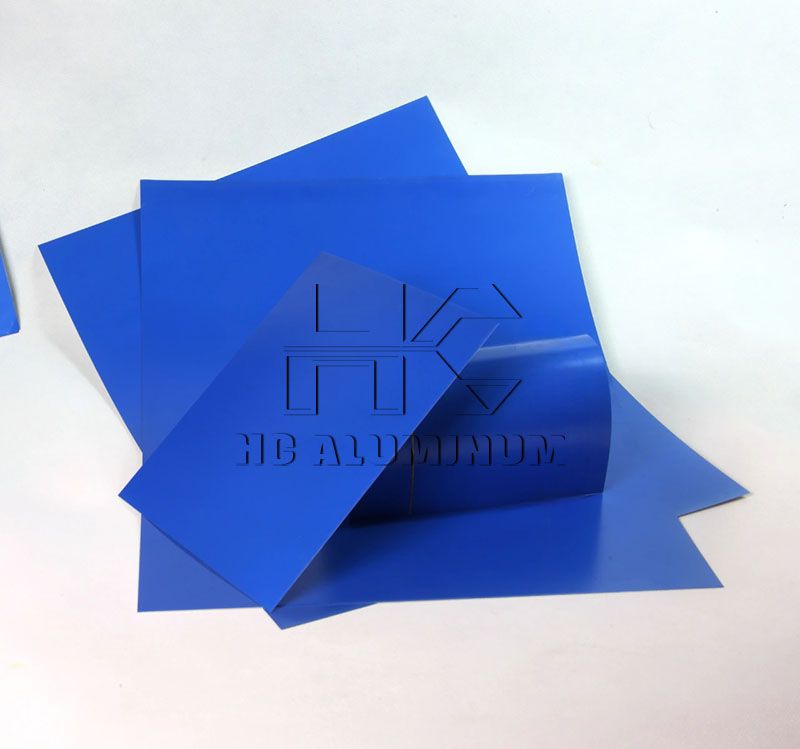
PS plates—or presensitized aluminum plates—are a classic, foundational material for traditional offset printing and were widely used in the early days of commercial printing. These plates feature an aluminum alloy base with a pre-applied photosensitive coating. Plate making relies on exposure via photographic film followed by chemical development; no laser imaging equipment is required. The process is mature, simple to operate, and has a very low barrier to entry.
Cost-effectiveness and compatibility are the key advantages of PS plates. This aluminum printing plate cost is inexpensive; equipment maintenance is straightforward; and technical requirements for operators are minimal. Consequently, the overall investment and production cost is the lowest among the three plate types. Furthermore, they are compatible with all traditional offset printing equipment, offering exceptional versatility without hardware limitations.
However, the PS plate process has distinct drawbacks. Due to the limitations of the film-transfer process, halftone dot reproduction is poor. Fine text, color gradients, and high-definition imagery suffer in quality, with issues such as dot loss, dot gain (filling in), and color inconsistency frequently occurring. Run length is relatively low—typically 30,000 to 50,000 impressions—making them prone to plate wear and image blurring during high-volume runs. Frequent plate replacement indirectly increases labor and consumable costs. Additionally, the plate-making process is cumbersome and inefficient, failing to meet the demands for rapid turnaround times.
Suitable Scenarios: Ideal for small-to-medium-sized printing plants and quick-print shops with limited budgets. They are primarily used for standard, lower-precision, and short-to-medium run jobs such as flyers, standard brochures, shopping bags, simple packaging boxes, and black-and-white books. They are not suitable for high-end, premium products or brand-related materials requiring rigorous color accuracy.
II. Thermal CTP Aluminum Plates
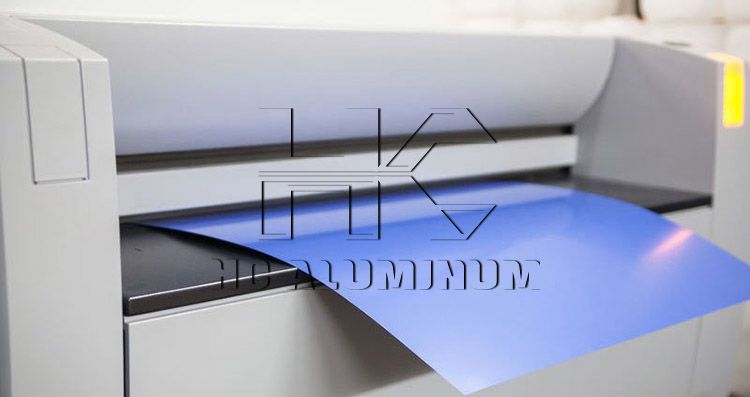
Thermal CTP plates are currently the mainstream plate material for mid-to-high-end commercial printing. Utilizing 830nm infrared laser thermal cross-linking imaging technology, they eliminate the need for film; plate making is controlled directly by computer files via laser scanning. This simplifies the production workflow, completely resolves the image quality loss issues associated with traditional processes, and offers stable, reliable overall performance.
High precision, high stability, and high print durability are their core advantages. These plates achieve a dot reproduction accuracy of ±0.01mm, faithfully reproducing fine dots ranging from 1% to 99%. They deliver natural color transitions and sharp text edges, fully meeting high-end printing quality standards. Additionally, they offer strong environmental adaptability—allowing for daylight operation without interference from ambient light—and feature a shelf life of 18–24 months, facilitating convenient inventory management.
In terms of productivity, standard thermal CTP plates offer a print run of 100,000 to 200,000 impressions, while high-end "process-free" versions offer even greater durability. They support long-duration, continuous mass production, reducing downtime caused by plate changes and significantly boosting efficiency. Mainstream process-free models eliminate the need for chemical developing steps, offering energy savings and environmental benefits that align with green printing trends. The primary drawback is the higher overall cost; the expense of purchasing and maintaining plates and associated equipment places a heavier financial burden on small factories during the initial investment phase.
Application Scenarios: Ideal for medium-to-large printing facilities specializing in high-end commercial printing, premium packaging, and brand collateral. They are suitable for high-quality, long-run orders such as premium gift boxes, cosmetic packaging, high-end brochures, precision periodicals, and art books. They represent the mainstream choice in the high-end printing market, accounting for 61.2% of domestic CTP installations in 2023.
III. Violet Laser CTP Aluminum Plates (Violet CTP)
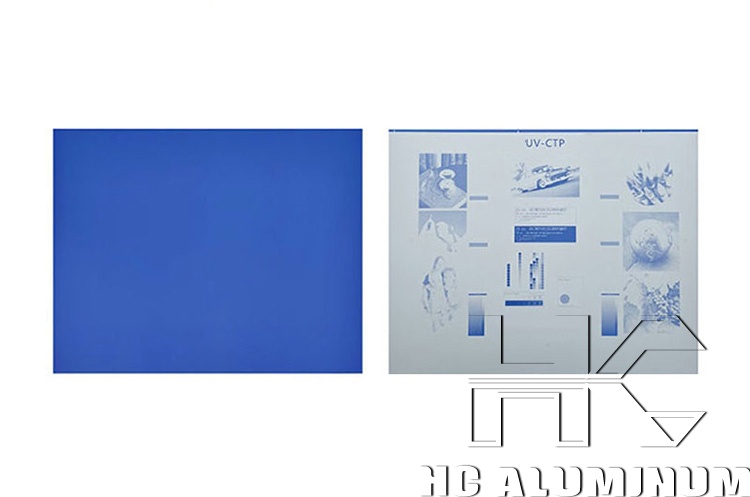
Violet laser CTP plates utilize 405nm ultraviolet laser imaging technology. Positioned as a mid-range option between PS plates and thermal CTP plates, they strike a balance among precision, efficiency, and cost. They offer excellent cost-performance value for commercial quick-printing applications and were widely adopted in the newspaper and quick-printing industries in earlier years.
Their core advantages include rapid plate-making speeds, high cost-effectiveness, and strong compatibility. It produces 30–40 plates per hour—offering higher efficiency than thermal CTP—and is well-suited for multi-batch, short-run, and quick-turnaround printing needs. Equipment procurement costs are approximately 30% lower than those for thermal systems, and the plates are compatible with existing post-processing equipment and consumables used for traditional PS plates, making it an ideal low-cost upgrade option for traditional print shops. Print precision far exceeds that of standard PS plates, meeting the requirements for the vast majority of mid-range color printing applications.
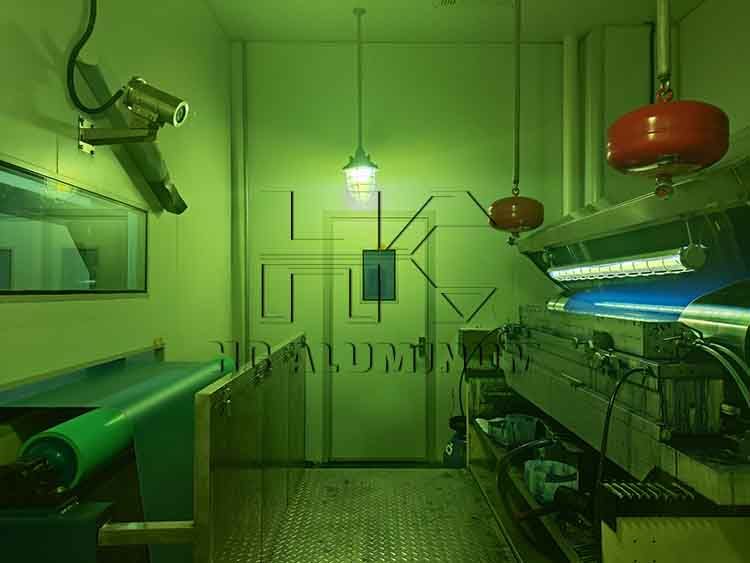
However, this plate technology has distinct performance ceilings and usage limitations. Its photosensitive coating is sensitive to natural light, requiring handling in a darkroom environment with yellow safety lighting and strict light-shielding controls. Its ability to reproduce fine details and graphics falls short of thermal CTP plates, rendering it unsuitable for ultra-high-precision, high-end printing tasks; furthermore, it requires chemical processing and cannot support processless (chemistry-free) production.
Currently, its market share is steadily shrinking, with usage largely confined to legacy production lines and small-to-medium-sized quick-print shops.
Target Applications: Enterprises specializing in short-run quick printing and mid-range color printing. It is suitable for orders such as exhibition posters, color brochures, educational materials, event collateral, and newspaper printing, making it an excellent choice for print shops looking to upgrade from traditional PS processes and improve print quality without incurring high capital costs.