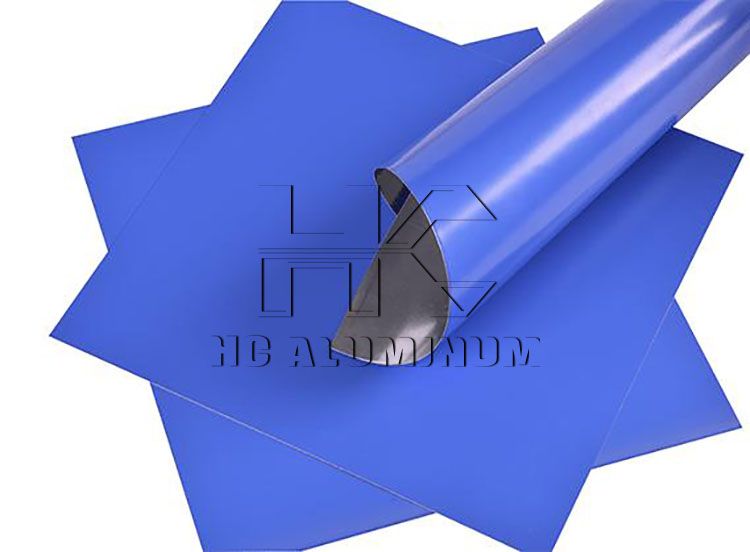
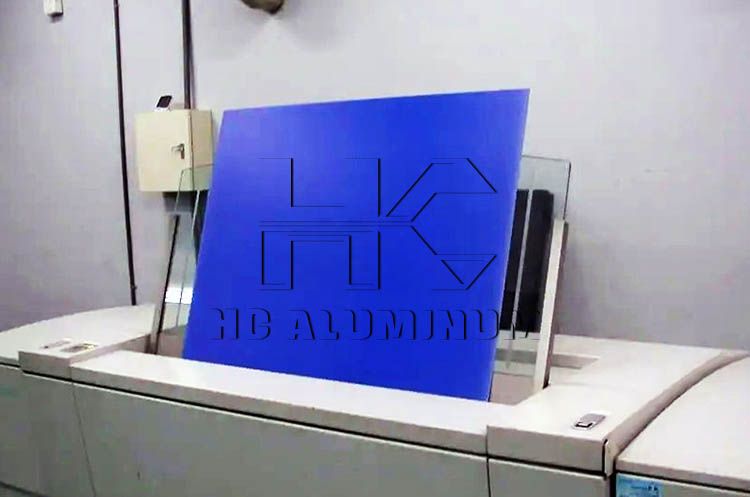
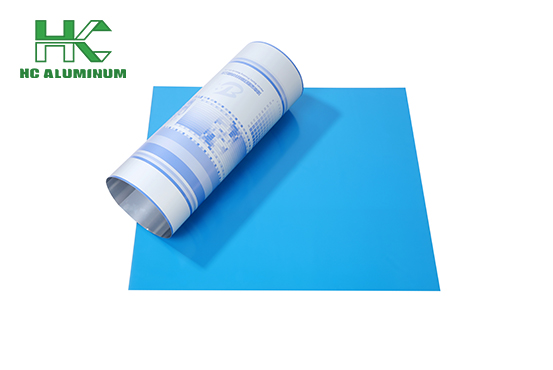
Thermal CTP Plate Double Layer
Holiday campaigns compress printing schedules. In May and June, many print plants prepare Memorial Day promotions, Father's Day cartons, Dragon Boat Festival packaging, Eid-related retail materials, and early summer sale catalogs. For teams sourcing aluminum sheet, strip, coil, foil, circle, or lithographic plate stock, the risk is not only material shortage. The larger risk is press stoppage caused by plate wear, imaging variation, or inconsistent aluminum substrate quality.
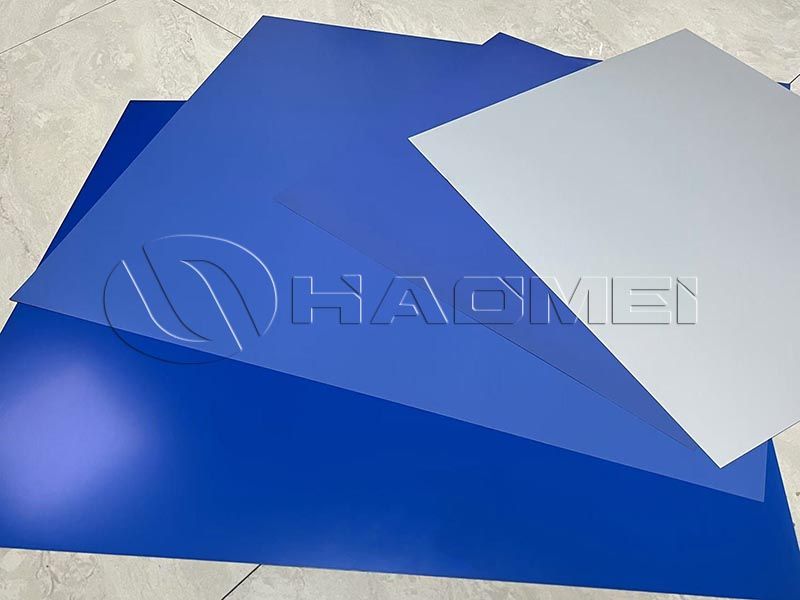
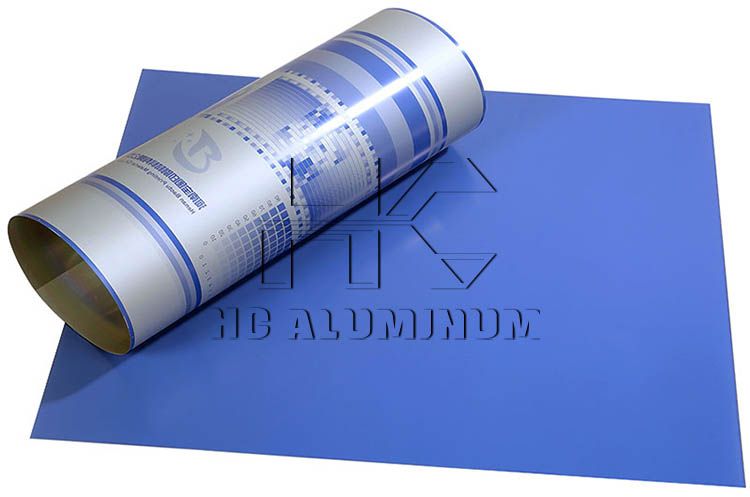
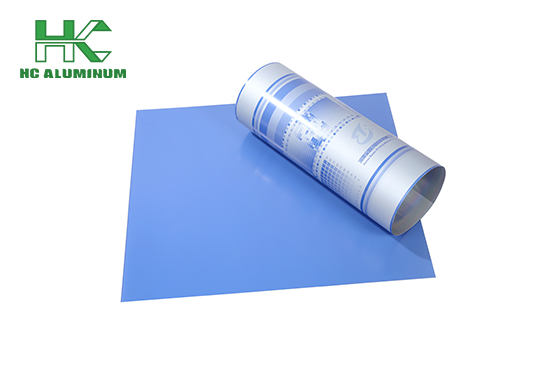
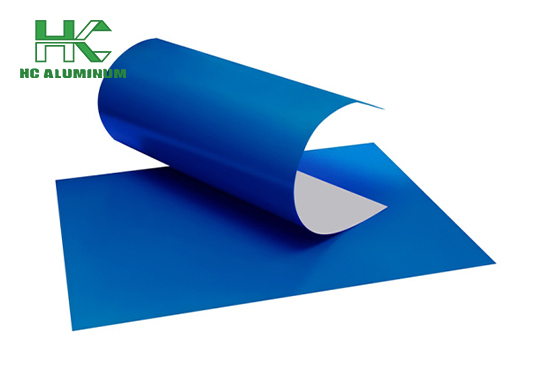
A thermal CTP plate double layer can be positioned as a holiday production solution because it addresses one high-impact concern: stable plate performance during peak print runs. The double-layer coating is designed to support clean imaging and stronger run-length resistance than a basic single-layer construction, provided the plate is matched with the press, ink, fountain solution, processor, and storage conditions.
Why double-layer coating matters before a holiday rush
Thermal CTP plates are normally imaged by infrared laser systems, commonly around 830 nm in commercial thermal plates. The plate must hold fine dots, resist abrasion, and keep image and non-image areas stable while packaging and promotional jobs move quickly through production.
The double-layer structure separates functions. One layer is optimized for imaging sensitivity and dot formation, while the other supports wear resistance and press durability. This matters when a plant runs repeated cartons, inserts, labels, or display materials for seasonal retail events.
For aluminum volume sourcing teams, this feature reduces three common holiday problems:
Plate remakes when imaging latitude is too narrow.
Slower press approval caused by unstable dot reproduction.
Emergency replacement orders when plates wear earlier than expected.
A practical product offer for seasonal planning should therefore include not only plate quantity, but also thickness options, aluminum base documentation, coating compatibility data, packing method, and staged delivery dates.
Single-layer vs double-layer CTP plates
| Item to compare | Single-layer thermal plate | Double-layer thermal plate | What to request from supplier |
|---|---|---|---|
| Main advantage | Simple structure and often lower initial cost | Better balance of sensitivity and run resistance | Trial report under your ink, press speed, and fountain solution |
| Holiday peak risk | Earlier wear may appear on repeated long jobs | More suitable for repeated commercial and packaging jobs | Declared run length and test conditions, not only a brochure value |
| Imaging control | Depends heavily on exposure latitude | Wider process tolerance when coating is well controlled | Laser energy range and processor settings |
| Aluminum relevance | Base quality still critical | Base quality plus coating uniformity are both critical | Alloy, temper, thickness tolerance, anodizing consistency |
| Cost evaluation | Lower plate cost may be attractive | Lower remake and downtime risk may offset higher unit cost | Total cost per accepted printed sheet |
If your operation supplies or converts aluminum base materials, the plate should be reviewed as a system: aluminum substrate, surface treatment, coating, packaging, storage, and print conditions.
Use one product page during internal specification alignment: Double Layer CTP can help teams standardize the wording for plate type, coating structure, and intended production use.
Purchase checklist for aluminum-based plate stock
Use this checklist before confirming holiday-season orders. It is built for companies handling sheet, strip, coil, foil, circle, or finished plate inventory.
| Checkpoint | Acceptable evidence | Why it matters for holiday jobs |
|---|---|---|
| Aluminum grade and temper | Certificate of analysis or mill certificate | Supports dimensional stability and consistent surface treatment |
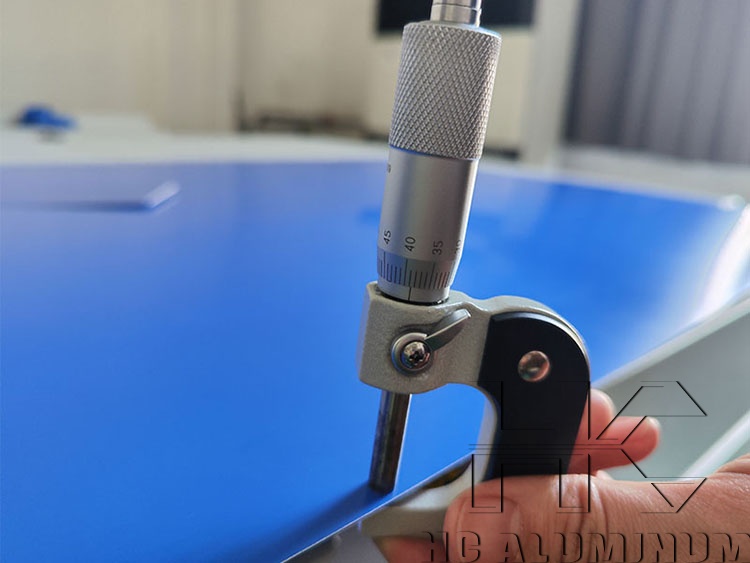
| Thickness tolerance | Measured report by batch | Reduces press setup variation and packing disputes |
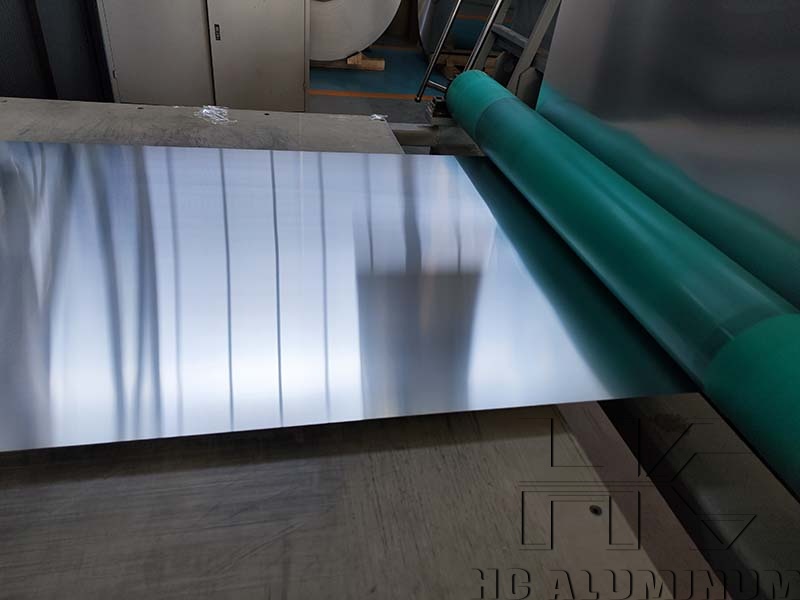
| Surface treatment | Graining and anodizing control record, where applicable | Affects water retention, coating adhesion, and non-image area stability |
| Coating uniformity | Batch inspection data | Prevents imaging variation across plate width and length |
| Imaging compatibility | Compatible platesetter model, laser energy range, processor settings | Reduces remake risk during compressed schedules |
| Storage condition | Recommended temperature, humidity, shelf life, and light protection | Prevents coating degradation before use |
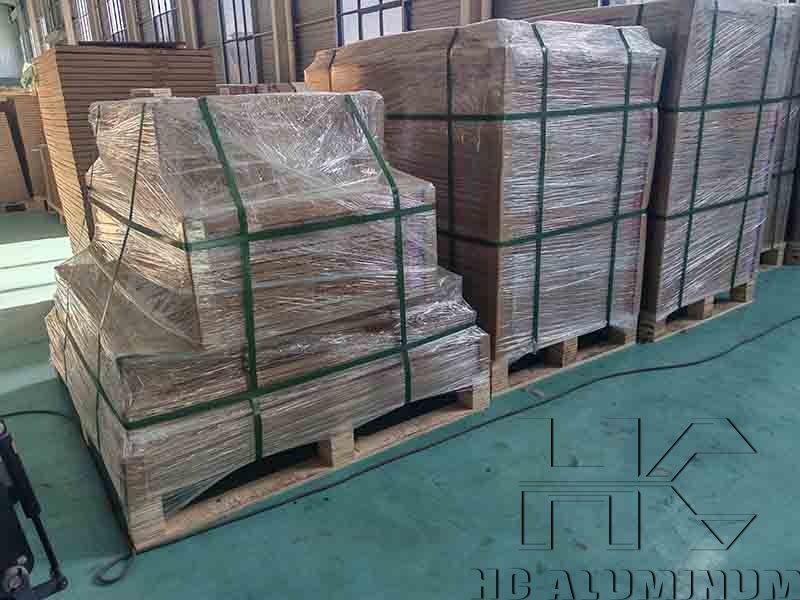
| Packaging | Moisture-resistant wrap, corner protection, pallet marking | Reduces transport damage and warehouse sorting time |
| Compliance documents | SDS under applicable GHS rules; quality system documents such as ISO 9001 if claimed | Helps customs, warehouse, and EHS teams process shipments faster |
Do not accept unclear statements such as high quality or long run without test conditions. Ask for print test conditions, including paper or board type, ink system, fountain solution, press model, and cleaning frequency.
Timing plan for May-June holiday production
Holiday print demand is predictable, but plate failures are usually noticed too late. Work backward from the press date.
| Time before press run | Action | Output |
|---|---|---|
| 6-8 weeks | Confirm seasonal print forecast by SKU, carton, catalog, or insert | Plate quantity by thickness and format |
| 4-6 weeks | Run plate trial on the most demanding job | Approved exposure, processing, and press settings |
| 3-4 weeks | Lock aluminum base and coating specification | Reduced substitution risk |
| 2-3 weeks | Schedule shipment and reserve buffer stock | Lower airfreight and emergency sourcing pressure |
| 1 week | Inspect packing, labels, and batch numbers on arrival | Faster release to production |
| During run | Track remakes, scratches, and plate wear | Evidence for future pricing and specification changes |
For pricing, separate the cost drivers. Aluminum products are often influenced by published metal benchmarks such as LME aluminum prices, plus conversion cost, coating cost, packing, freight, and payment terms. Ask the supplier to identify the pricing basis instead of comparing only the final plate unit price. This is especially important when aluminum sheet, coil, and lithographic plate stock are purchased under the same seasonal budget.
Sustainability can also support holiday tenders. The International Aluminium Institute states that recycling aluminum can save up to 95% of the energy required for primary aluminum production. If recycled content or low-carbon aluminum is part of your customer's retail requirement, request documented evidence and chain-of-custody language rather than an unsupported environmental claim.
Specification points to lock before ordering
Focus on the feature that affects the peak-season outcome: double-layer coating durability. The specification should connect that feature to measurable acceptance items.
| Specification item | Recommended wording to use in inquiry |
|---|---|
| Plate type | Positive or negative thermal CTP plate, double-layer coating construction |
| Thickness | State required thickness, tolerance, and format size |
| Imaging | Platesetter model, laser wavelength, energy window, and processor condition |
| Run condition | Target substrate, ink, fountain solution, and expected run length range |
| Packing | Sheets per pack, packs per pallet, moisture barrier, pallet label details |
| Batch control | COA, batch number traceability, inspection report |
| Shipment | Required arrival date, split delivery plan, and reserve stock quantity |
A double-layer thermal plate is not simply a premium label. It is useful when the order contains repeated seasonal artwork, tight delivery windows, and limited tolerance for remakes. Treat it as capacity protection for Memorial Day, Father's Day, Dragon Boat Festival, Eid promotions, and early summer retail campaigns.
Before placing the holiday order, complete three actions: approve a production trial, lock the aluminum and coating specification in writing, and reserve replacement stock from the same batch where possible. This creates a controlled supply plan instead of relying on urgent substitutions when presses are already booked.