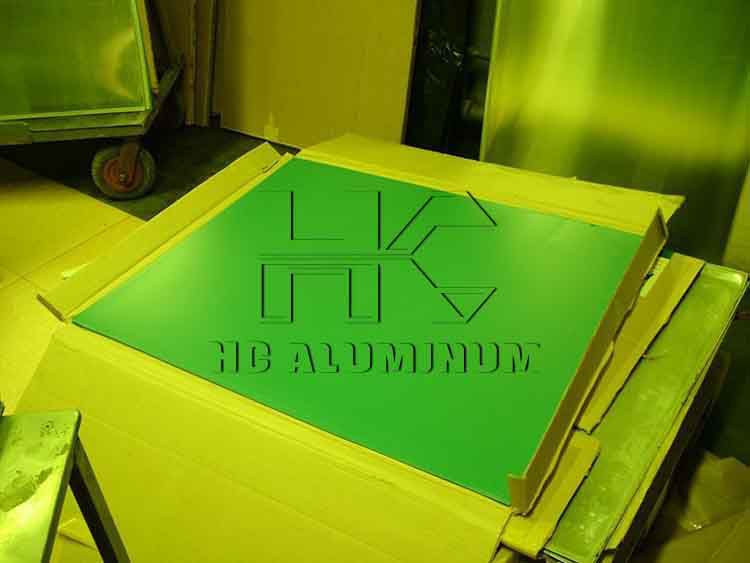
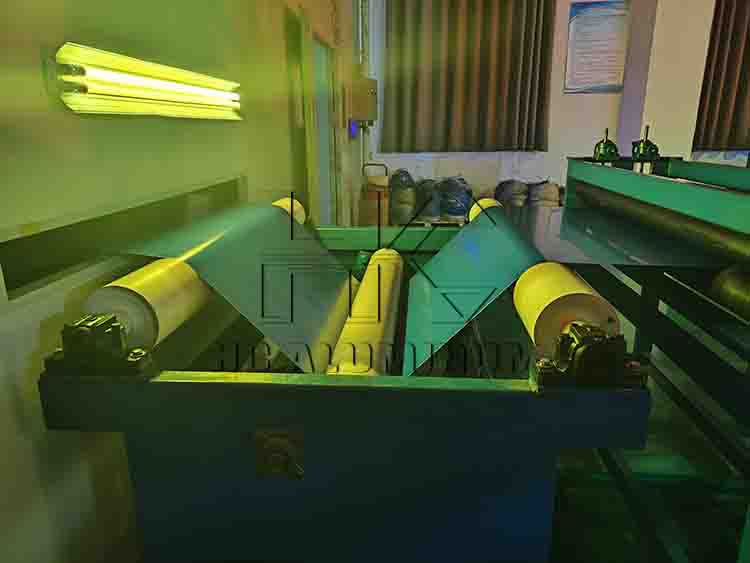
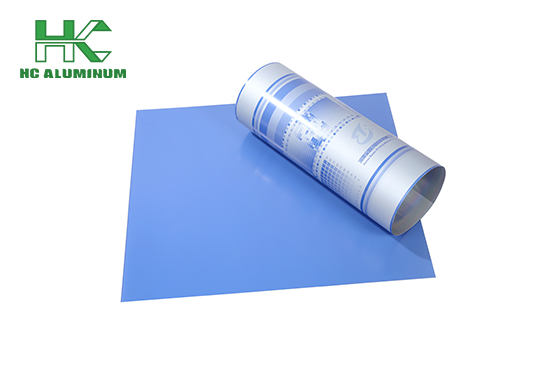
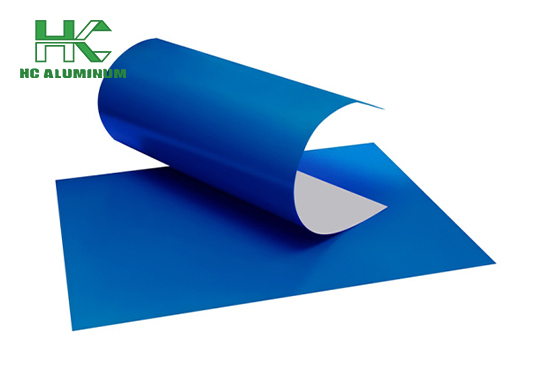
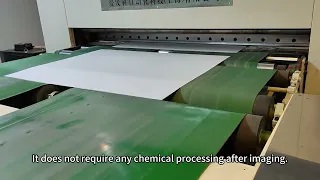
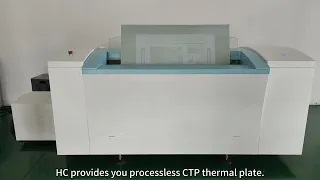
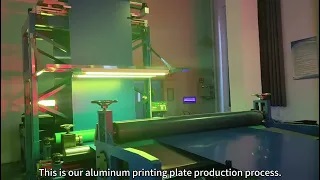
Double Layer Thermal CTP Plate
The following question styles reflect English searches and social Q&A discussions frequently raised in the past 3 months on Google, Quora-style forums, and printing procurement conversations. New purchasing teams are not only asking about price. They want to know whether a double layer thermal CTP plate can reduce remakes, resist chemical attack, support longer press runs, and stay stable under real workshop conditions.
Many printers compare standard thermal CTP, CTCP, and PS plates before moving to Double Layer CTP, especially when jobs include commercial books, packaging, labels, and high-ink coverage work.
| Hot question from current searches | Short answer for print plants |
|---|---|
| Is double layer better than single layer thermal CTP? | Usually yes for long runs, aggressive chemistry, and stable dot reproduction. |
| Does it need baking? | Many jobs can run unbaked, but baking extends durability for demanding work. |
| Why does the plate cost more? | The coating system is more complex and improves resistance in production. |
| Can it run on my existing CTP line? | In most cases yes, if laser energy, processor, and developer are adjusted correctly. |
| What should be tested before a trial order? | Sensitivity, dot range, coating adhesion, background cleanliness, and press endurance. |
1. What is a double layer thermal CTP plate, and why are printers asking about it now?
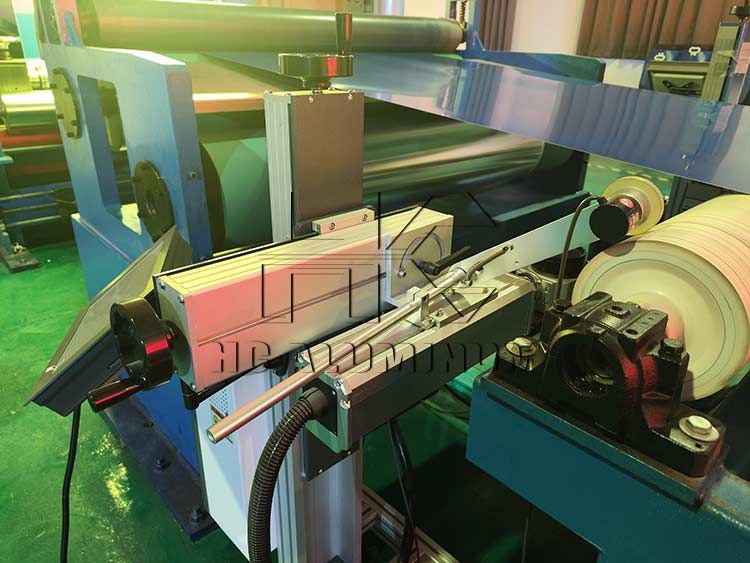
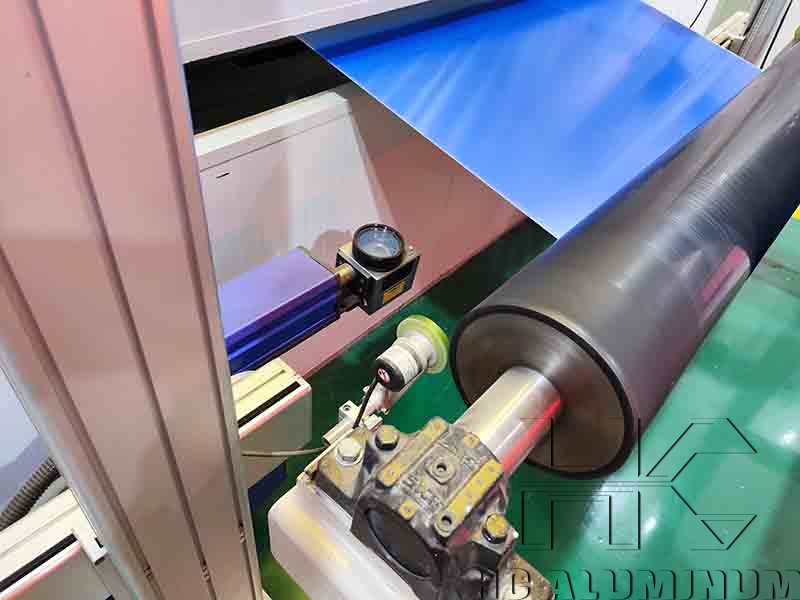
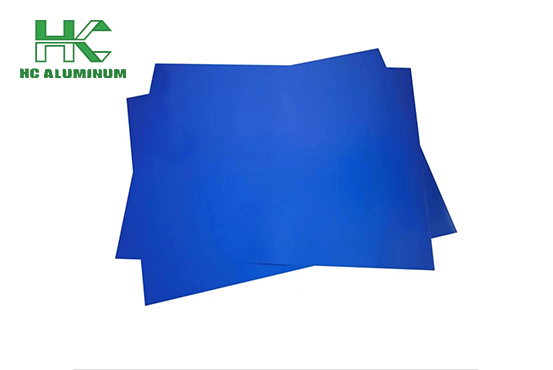
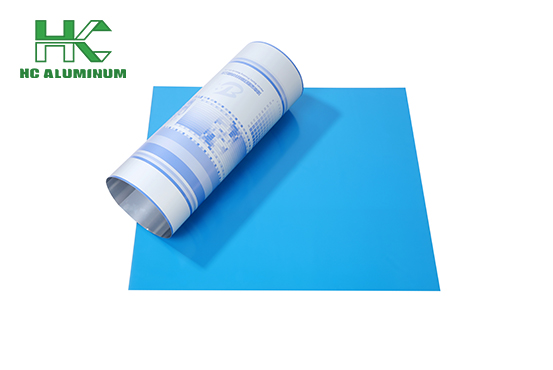
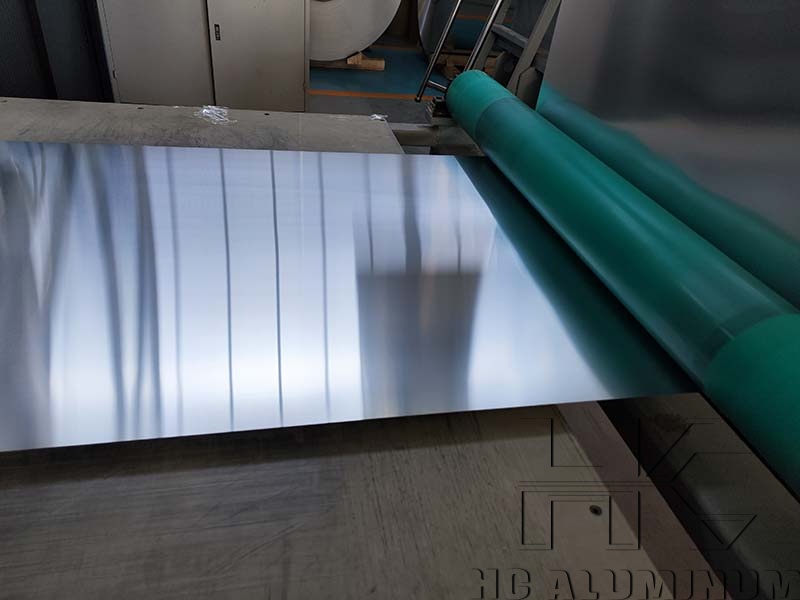
A double layer thermal CTP plate uses two functional coating layers on a grained and anodized aluminum base. The upper layer mainly supports imaging response and clean development, while the lower layer improves adhesion, chemical resistance, and press durability. This structure helps the plate survive longer in the pressroom, especially where fountain solution, UV ink, alcohol substitute, or strong wash-up chemicals are used.
Recent interest is driven by practical cost pressure. Printers want fewer remakes, less downtime, and stable results on medium to long runs. A cheaper plate may look attractive at purchase time, but if it causes toning, image loss, or early wear, the total press cost rises quickly.
2. Is a double layer thermal CTP plate worth the higher price compared with a single layer plate?
For short-run commercial jobs, a single layer thermal CTP plate may be enough. For longer runs or repeat packaging jobs, double layer plates often bring better value because they hold the image area more firmly and resist developer and press chemicals more effectively.
The price difference should be judged against plate remake rate, paper waste, press stop time, and customer claims. If your plant prints high-volume books, catalogs, pharmaceutical packaging, food packaging, or dense ink coverage jobs, the higher plate cost can be offset by more predictable press behavior.
| Production condition | Single layer thermal CTP | Double layer thermal CTP |
|---|---|---|
| Short commercial runs | Usually acceptable | Stable but may be above budget need |
| Medium to long runs | Depends on ink and chemistry | Stronger choice |
| UV ink or harsh wash | Higher risk of image wear | Better resistance |
| Fine screen work | Good if controlled well | More stable across longer runs |
| Frequent plate remakes | Cost can rise | Helps reduce repeat exposure and processing loss |
3. Does a double layer thermal CTP plate need preheating or baking?
Most thermal CTP plates are designed for direct imaging and processing, but the exact workflow depends on the coating formula. Some double layer thermal plates are processed without preheating, while others perform better with controlled preheat. Baking is usually not required for normal commercial work, but it is useful when the printer needs extra-long run length or higher resistance to UV ink.
A practical way to decide is to run two controlled tests: one unbaked and one baked. Compare dot gain, background cleanliness, image wear, and press run length. If the unbaked plate already reaches the required run length with clean non-image areas, baking may not be needed. If image areas start to weaken or scum appears in high-pressure work, baking can provide a safety margin.
4. Why do some double layer thermal CTP plates show toning, blinding, or coating drop?
These problems are often blamed on the plate, but the cause may be a combination of plate, processor, developer, water balance, ink, and storage. Toning usually means non-image areas are accepting ink. Blinding means image areas lose ink receptivity. Coating drop can come from excessive developer strength, poor replenishment control, wrong processing temperature, or mechanical abrasion.
Check these items before rejecting a batch:
| Problem | Common cause | Practical correction |
|---|---|---|
| Toning on press | Weak desensitizing, dirty fountain solution, overdeveloping | Check pH, conductivity, gum, and processor speed |
| Blinding | Excess gum, over-baking, poor ink-water balance | Reduce gum concentration and verify press settings |
| Coating drop | Developer too strong or too hot | Adjust temperature, replenishment, and brush pressure |
| Dirty background | Underexposure or exhausted developer | Increase laser energy slightly and refresh chemistry |
| Dot loss | Incorrect exposure or unstable processing | Run a step wedge and measure dots after processing |
Processor discipline is very important. Even a premium plate can fail if the developer is oxidized, contaminated, or operated outside the supplier range. New plants should record laser power, processing speed, developer temperature, replenishment rate, and room humidity during every trial.
5. What specifications should be checked before purchasing double layer thermal CTP plates?
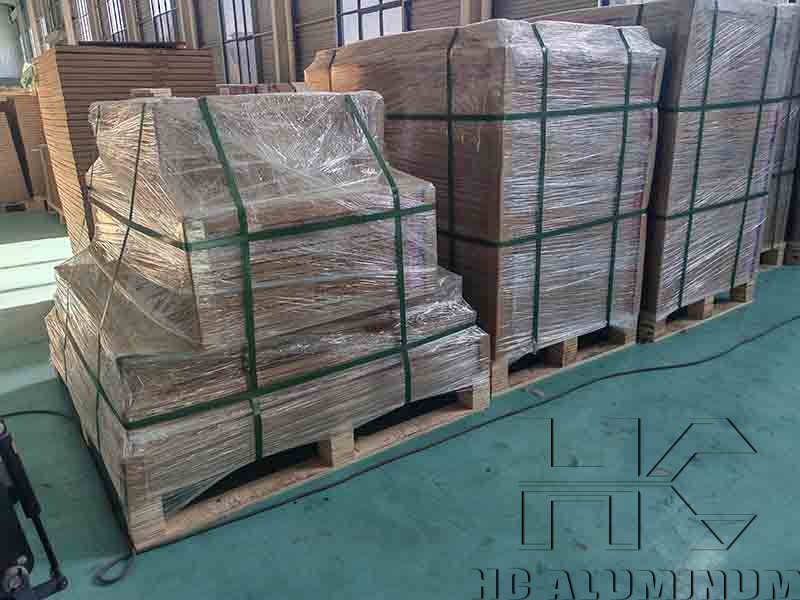
Before placing a trial order, ask for a technical data range rather than only a quotation. The most useful details include plate thickness, sensitivity, spectral response, safe-light condition, resolution, dot reproduction range, recommended developer, expected run length, and packing standard. For product comparison, many teams evaluate Double Layer CTP plates alongside their current thermal plate under the same file, same processor, and same press conditions.
| Item to verify | Why it matters | Typical evaluation method |
|---|---|---|
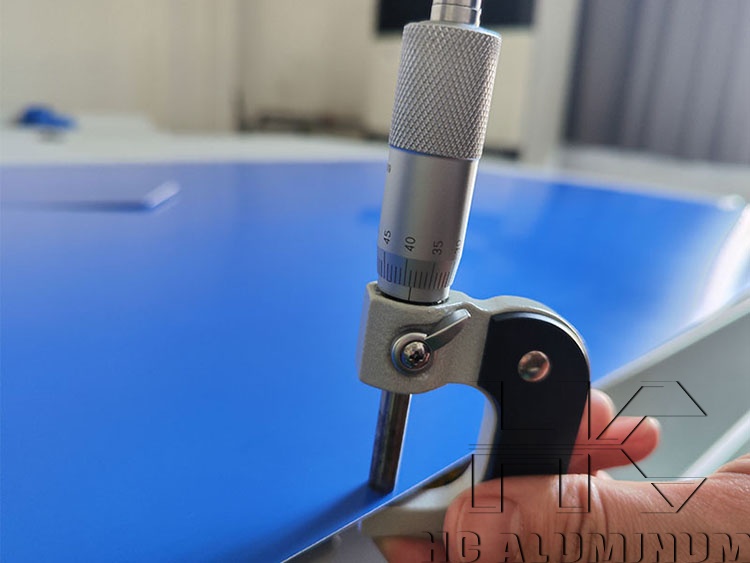
| Thickness tolerance | Affects register and press setting | Measure several positions before imaging |
| Coating uniformity | Influences clean development and dot stability | Inspect after exposure and processing |
| Sensitivity | Determines laser energy and imaging speed | Run exposure ladder test |
| Dot reproduction | Shows suitability for fine printing | Measure 1 percent to 99 percent dots if required |
| Storage stability | Prevents fogging and coating aging | Check production date, packing, and warehouse control |
| Press endurance | Confirms real value | Run the same job against current plate |
For a fair trial, do not change too many variables at once. Use the same artwork, ink, paper, fountain solution, press crew, and cleaning routine. If possible, test both normal ink and the most demanding ink used in your plant. Record how many impressions are printed before visible wear, toning, or dot movement appears.
Market demand is moving toward plates that offer stable quality with lower operational risk. Double layer thermal CTP plates fit this trend because they help printers manage longer jobs, stricter delivery schedules, and higher customer expectations without completely changing the existing thermal CTP workflow.