Ps Plate Price
Holiday campaigns compress timelines. Retail packaging, promotional inserts, gift-box sleeves, and seasonal labels all need dependable offset printing performance. When teams evaluate ps plate price, the first concern is usually cost. The real issue, however, is price stability under deadline pressure.
For converters and industrial material users sourcing aluminum products, a printing plate is not just a consumable. It is part of a holiday solution: stable imaging, predictable runs, and fast replenishment when seasonal demand spikes before Christmas, Black Friday, Eid promotions, Diwali packaging launches, or year-end retail events.
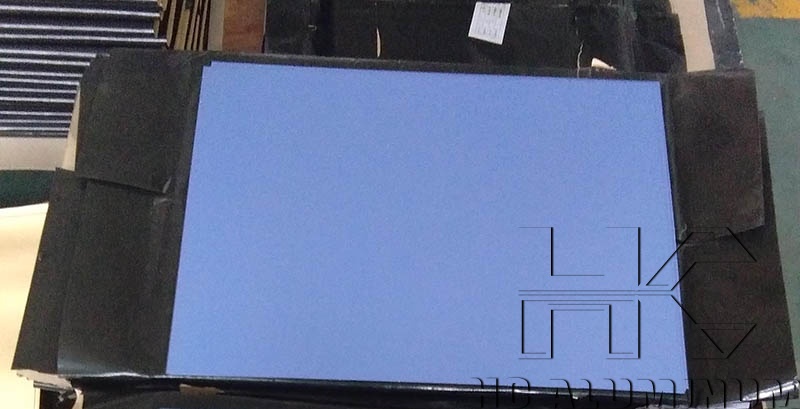
What determines PS plate pricing during holiday production
The top concern in this article is supply reliability at peak season. A low quote can become expensive if plate quality varies, shipment slips, or rework interrupts press schedules.
In practical sourcing, plate cost is shaped by these factors:
Aluminum substrate cost.
Plate thickness and width tolerance.
Surface coating consistency.
Sensitivity and exposure performance.
Run length requirement.
Packaging method for long-distance transit.
Order volume and replenishment frequency.
Delivery timing during peak logistics periods.
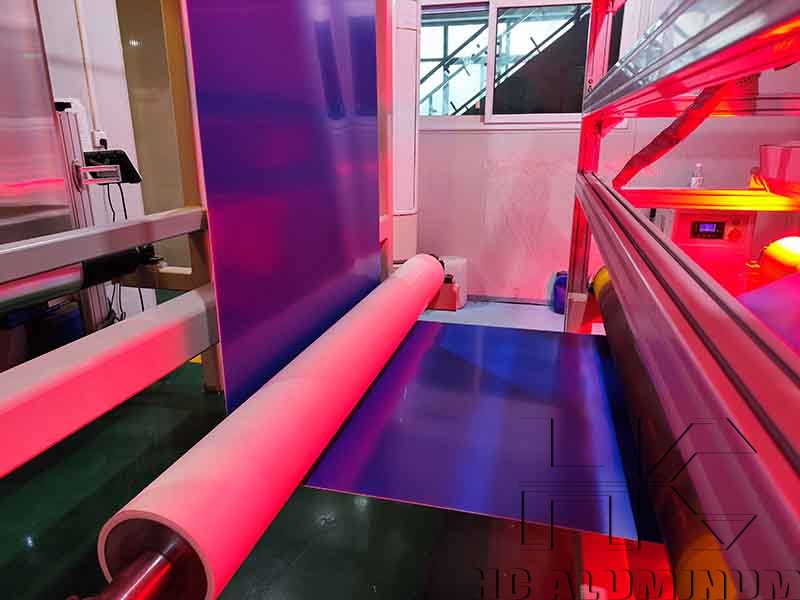
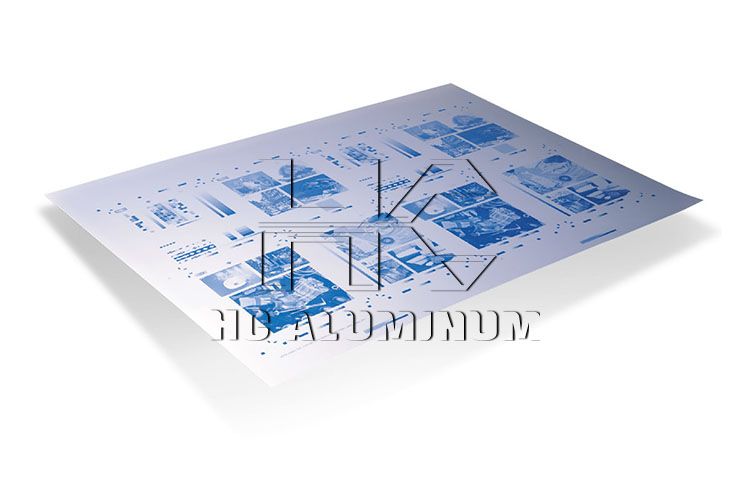
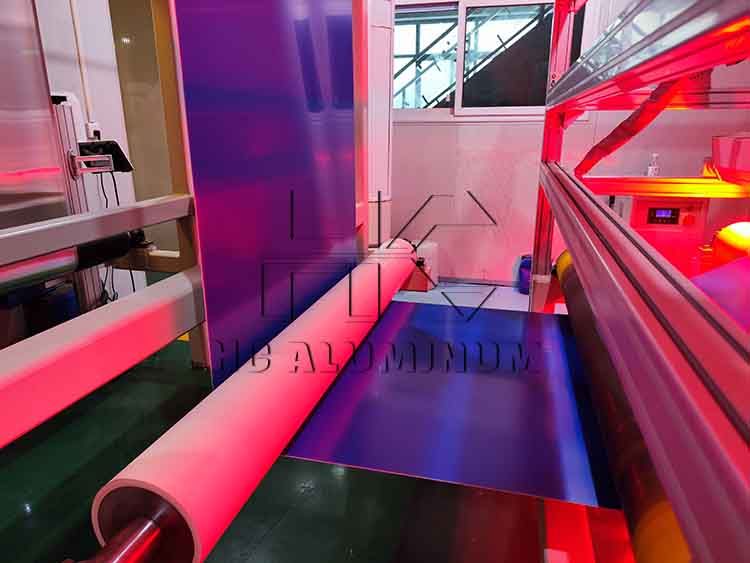
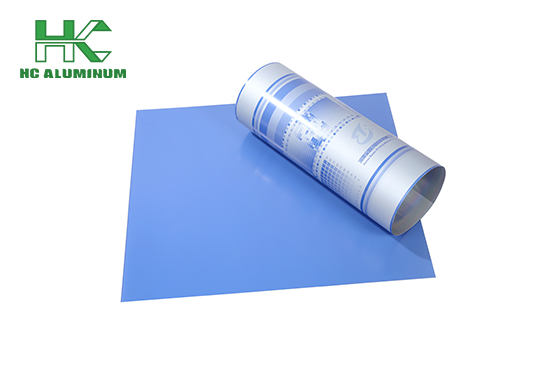
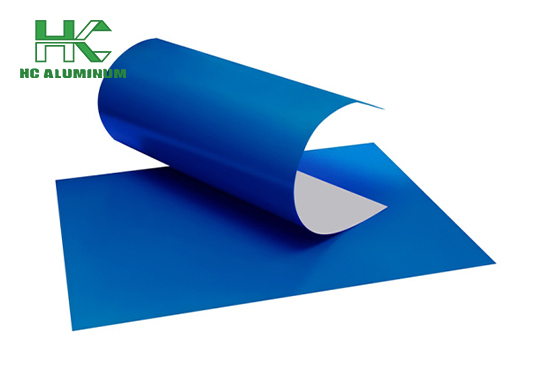
For most offset applications, PS plates are aluminum-based pre-sensitized plates used for conventional printing workflows. Their performance depends on substrate quality and coating uniformity. That is why many printing and packaging operations review both plate chemistry and the upstream aluminum processing capability behind the product.
If your seasonal program includes high-volume carton graphics or promotional print inserts, using a stable PS Plate supply plan can reduce emergency changes late in the production calendar.
Quick checklist before accepting a quote
| Check item | Why it matters in holiday campaigns | What to confirm |
|---|---|---|
| Plate type | Wrong type can slow setup | Positive or conventional PS specification |
| Thickness | Affects handling and press stability | Typical thickness tolerance in mm |
| Sheet size | Impacts waste and cutting time | Standard and custom size availability |
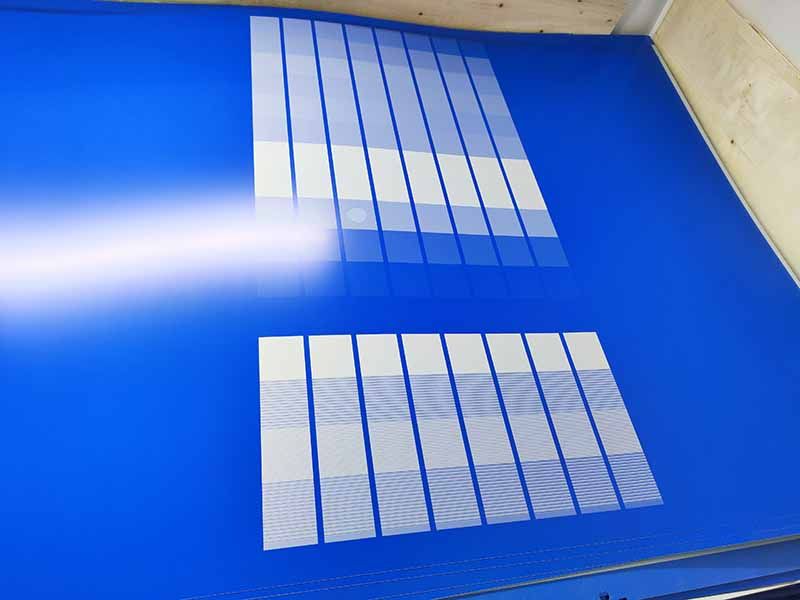
| Coating response | Helps avoid remakes | Exposure latitude and developer compatibility |
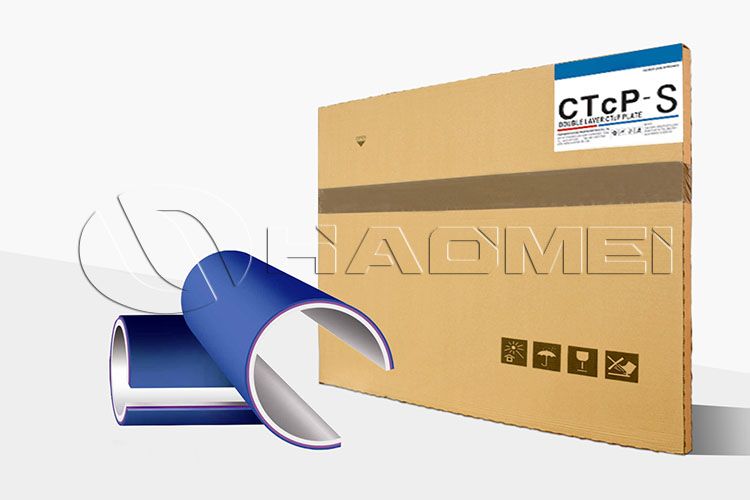
| Packing | Prevents damage in transit | Pallet, moisture barrier, edge protection |
| Lead time | Peak season delays are common | Standard production days and rush options |
| MOQ | Affects stocking strategy | Trial quantity and repeat order terms |
| Quality documents | Useful for supplier screening | Inspection records, batch traceability |
How to compare offers instead of chasing the lowest number
A quote for PS plates should be reviewed as a total-use cost, not only a unit price. During holiday launches, hidden costs often appear in three places: startup waste, replate frequency, and delayed delivery.
Use this comparison approach:
| Comparison point | Lower-priced offer | Better-value offer |
|---|---|---|
| Initial unit cost | Lower | Moderate |
| Plate consistency | May vary by batch | Stable across repeat orders |
| Imaging performance | Narrow tolerance | More predictable setup |
| Transit protection | Basic | Export-ready packing |
| Reorder speed | Unclear | Confirmed production window |
| Seasonal risk | Higher chance of delay or waste | Lower disruption risk |
For example, if a holiday packaging line loses press time because plates need replacement or arrive with handling damage, the actual cost rises beyond the original quote. In seasonal production, reliability often saves more than a nominal discount.
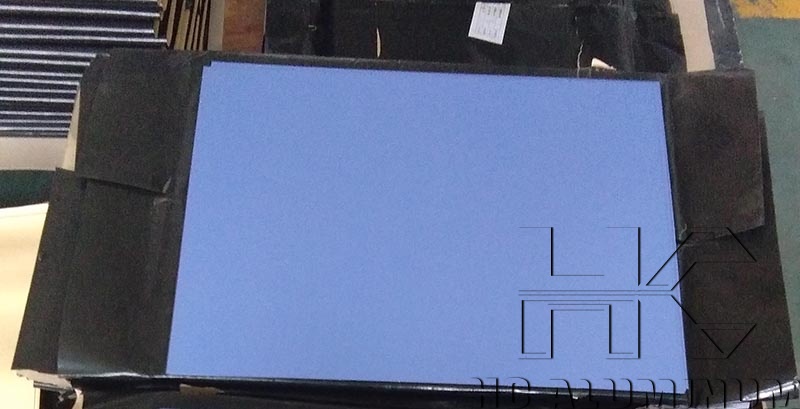
Steps to evaluate supply readiness
Confirm your holiday campaign calendar.
Separate regular demand from promotional surge demand.
Match required plate sizes to each print job.
Ask for thickness, coating, and packaging details in writing.
Verify repeat-order lead time, not just first-order lead time.
Build safety stock for the highest-risk shipping window.
Test one batch before committing to the full seasonal forecast.
This is especially important when the print project supports aluminum-based packaging programs. Teams that already source PS Plate alongside sheet or coil inputs can simplify scheduling by aligning specifications and delivery cycles across materials.
A practical holiday solution for fast-turn printing demand
Holiday demand is different from routine demand because the value of on-time delivery increases sharply. A plate that arrives one week late may miss a sales event entirely. That is why many procurement and operations teams treat PS plates as a timing-sensitive item rather than a standard commodity.
A workable holiday solution usually includes:
Locked specifications before the promotion season starts.
Forecasted call-off quantities for each campaign stage.
Extra cartons or pallets reserved for urgent replenishment.
Packaging designed for warehouse-to-press handling.
Supplier confirmation on batch consistency.
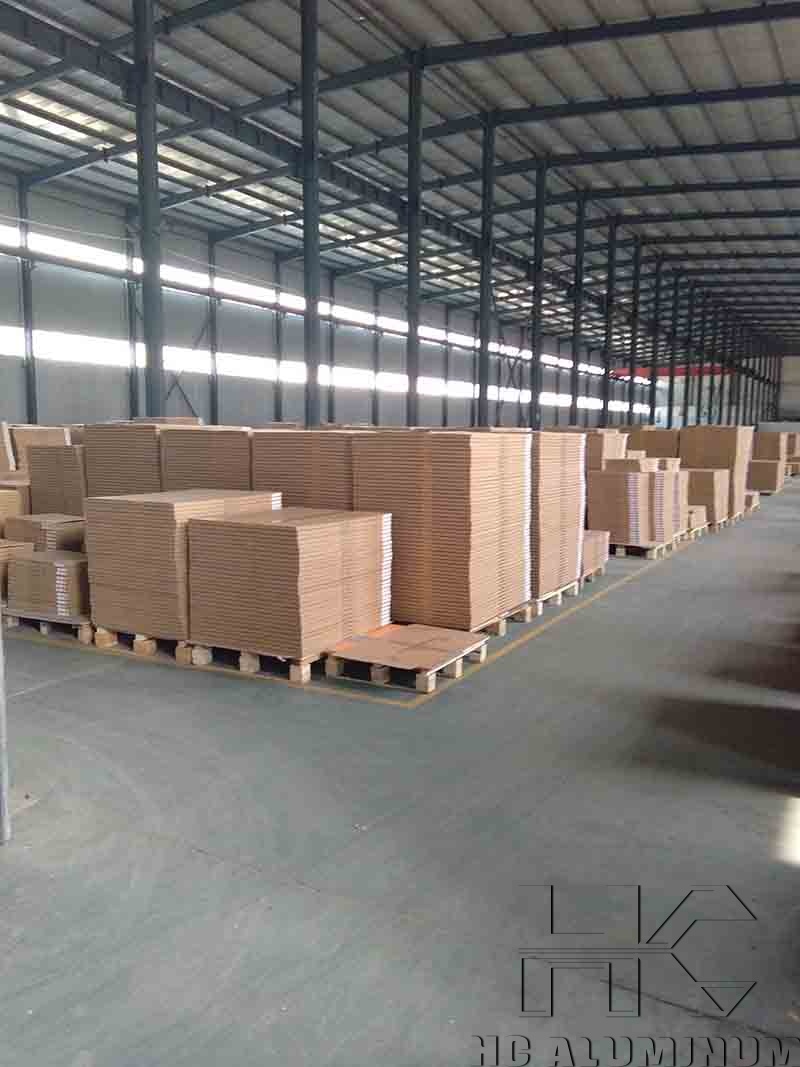
What to ask suppliers this season
| Question | Reason |
|---|---|
| What is your current lead time for standard sizes? | Holiday congestion can extend schedules |
| Can you support repeat batches with the same coating profile? | Reduces print variation |
| How are plates packed for export or inland transfer? | Prevents edge damage and moisture issues |
| Do you offer stock sizes for urgent dispatch? | Helps cover promotion spikes |
| What inspection items are checked before shipment? | Supports traceability and quality control |
When reviewing pricing, avoid assumptions that every plate with a similar description performs the same way. In offset production, small differences in substrate quality, graining, coating, and storage protection can affect outcome. A disciplined quote comparison is more useful than choosing by headline price alone.
For seasonal packaging, retail print, and promotional inserts, the strongest procurement position is built on three metrics:
Stable plate performance.
Verifiable delivery timing.
Competitive total-use cost.
That approach helps teams protect campaign timing while controlling material waste. In holiday production, that is what turns plate sourcing from a routine purchase into a dependable operational solution.