How to Choose Long Run CTP Plate
In commercial printing, high-end packaging, and high-volume book printing, long-run printing places extremely high demands on the durability, stability, and consistency of CTP plates. A suitable long run CTP plate not only avoids the efficiency losses caused by frequent plate changes but also ensures accurate color and clear details even with millions of print runs, directly impacting print quality and overall cost.
The core pain points of long-run printing lie in "long-term continuous operation" and "large-scale batch output." This means that CTP plates must overcome three key bottlenecks: first, sufficient printing durability to withstand tens or even hundreds of thousands of print runs without wear; second, high stability to ensure that dot reproduction and color performance do not shift with time or environmental changes during prepress imaging and printing; and third, good compatibility to adapt to all stages of the printing process, including printing equipment, inks, and substrates.
1. Printing Durability
Printing durability is the core indicator of long-run plates, directly determining the number of prints a single plate can complete and whether a plate change is necessary. The printing durability varies significantly among different printing plates, which is closely related to their imaging technology, base material, and coating process.
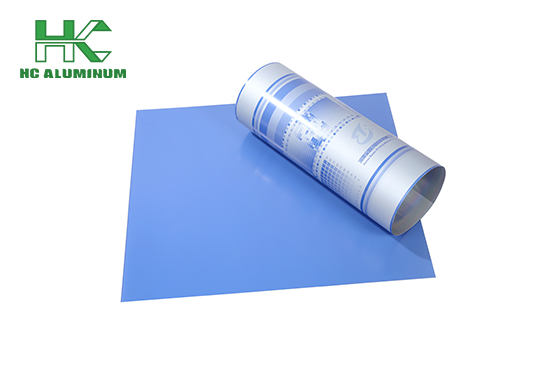
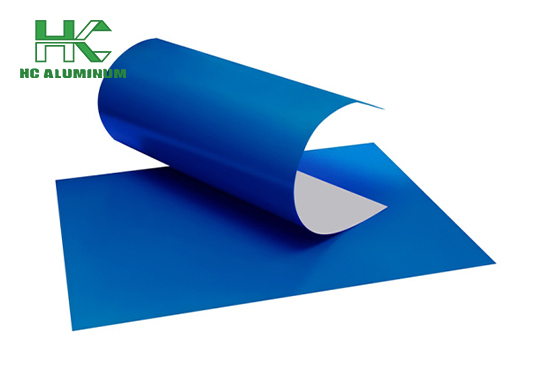
From a technology perspective, thermal CTP plates are the mainstream choice for long-run printing. They use 800-850nm infrared laser energy to trigger chemical changes in the coating for imaging. The coating has high hardness and strong abrasion resistance, achieving a printing durability of over 300,000 impressions without the need for plate baking, and exceeding 500,000 impressions after baking, perfectly suited for large-scale batch printing needs.
For example, thermal CTP plates have a printing durability of ≥300,000 impressions in ordinary ink printing scenarios and ≥50,000 impressions in UV ink scenarios, easily handling most long-run jobs. While violet laser CTP plates offer faster imaging speeds and lower equipment costs, their printing durability is generally only 100,000-200,000 impressions, making them more suitable for short to medium-run printing and less suitable for continuous long-run operations.
Furthermore, the base material also affects printing durability. High-quality electrolytic and anodized aluminum plate substrates improve plate flatness and abrasion resistance, reduce dot wear and line thinning during printing, and avoid reprinting and image distortion caused by plate wear.
2. Imaging Accuracy and Dot Reproduction
Long-run printing not only requires "printing more," but also "printing well," with consistent quality throughout the process. This necessitates plates with excellent imaging accuracy and dot reproduction capabilities to ensure high consistency in detail and color across every print.
Thermal CTP plates have a natural advantage in imaging accuracy. Their thermal imaging process is less affected by ambient light, allowing operation under natural light. Precise laser energy control enables amplitude modulation (AM) halftone reproduction of 1%-99% and frequency modulation (FM) halftone reproduction of 10 microns, resulting in higher fidelity reproduction of fine text and complex patterns, and more natural color transitions.
For high-end packaging, exquisite brochures, and other long-run printing projects with extremely high detail requirements, this high-precision dot reproduction capability is crucial, effectively preventing blurring and color deviation caused by dot gain or loss.
When selecting a high resolution CTP plate, it is recommended to prioritize its resolution parameters and dot gain range, while also matching it to the capabilities of your printing equipment. For example, if you need to print high-precision frequency-modulated (FM) screened products, you should choose a plate that supports FM screening of 10 microns or less and confirm its compatibility with the plate-making machine and printing press.
3. Compatibility
Long-run printing involves multiple stages, including plate-making machines, printing presses, inks, and substrates. Plate compatibility directly affects production efficiency and print quality. Insufficient compatibility may lead to machine malfunctions, poor ink adhesion, and color deviations.
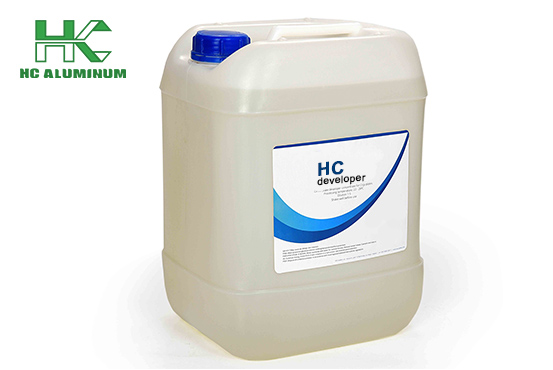
First, equipment compatibility is crucial. You need to confirm the compatibility of the plate with your existing CTP plate-making machine and developing machine. For example, thermal CTP plates need to be compatible with plate-making machines that support 800-850nm infrared lasers, and the developing process requires a dedicated developing solution, while also ensuring compatibility with mainstream developing equipment on the market.
Second, ink and substrate compatibility is essential. Different inks (ordinary inks, UV inks) and substrates (paper, plastic, metal) have different requirements for plate coatings. For example, UV inks are somewhat corrosive, requiring the selection of UV-resistant printing plates; when printing on rough paper, the plates need to have stronger abrasion resistance and tolerance.
4. Environmental Friendliness and Ease of Operation
Long-run printing involves large batches, resulting in relatively high costs for printing plates, consumables, and labor. Choosing environmentally friendly and easy-to-use printing plates not only aligns with the trend of green printing but also indirectly reduces overall costs.
In terms of environmental protection, priority should be given to printing plates with low VOC emissions and minimal chemical treatment. For instance, some thermal CTP plates can be directly printed with environmentally friendly UV inks, reducing volatile organic compound emissions; untreated plates do not require chemical development, reducing pollution risks and the costs of developer procurement and waste disposal.
Regarding ease of operation, thermal CTP plates also offer significant advantages. They do not require light-avoidance operation, have a simple plate-making process, and rapid imaging and washing significantly improve pre-press production efficiency and reduce labor input.
5. Cost-Effectiveness
Many industry professionals fall into the "low-price trap" when choosing printing plates. However, for long-run printing, the cost-effectiveness of printing plates cannot be judged solely by the unit purchase price; it's crucial to calculate the total lifecycle cost, including plate wear and tear, changeover time, ink waste, and labor costs.
While the unit purchase price of thermal CTP plates is higher than that of violet laser plates, their superior durability and stability reduce the frequency of plate replacements and rework costs. This also minimizes downtime and paper and ink waste caused by plate changes.
For example, a thermal plate with a 300,000-print durability can replace 2-3 violet laser plates for the same print run, resulting in a lower overall lifecycle cost. Furthermore, choosing plates with a long shelf life (e.g., 18 months) reduces inventory losses, further enhancing cost-effectiveness.