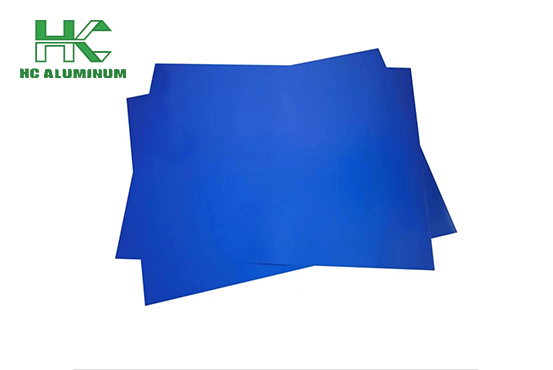
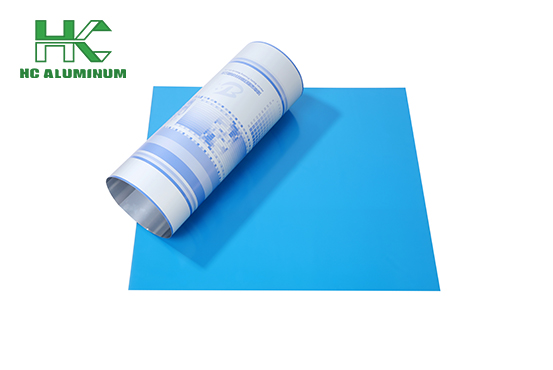
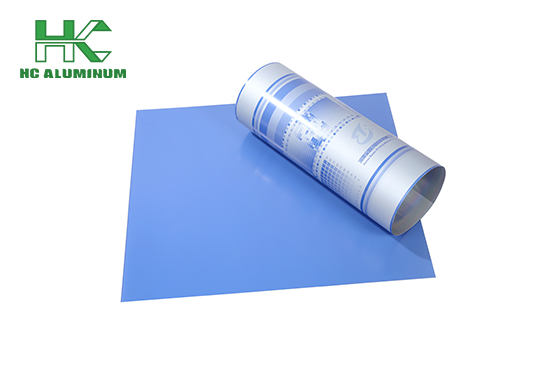
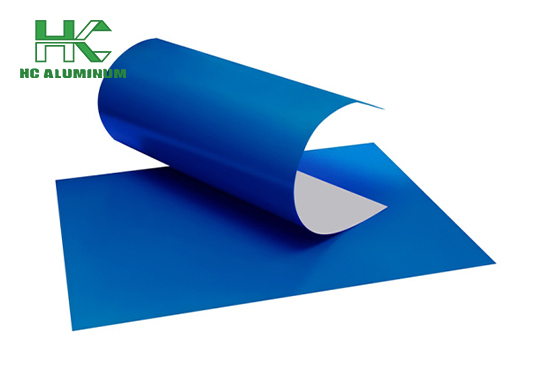
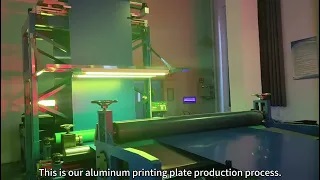
Aluminium PS Printing Plate
What Aluminium PS Means In Trade, And Why It Matters
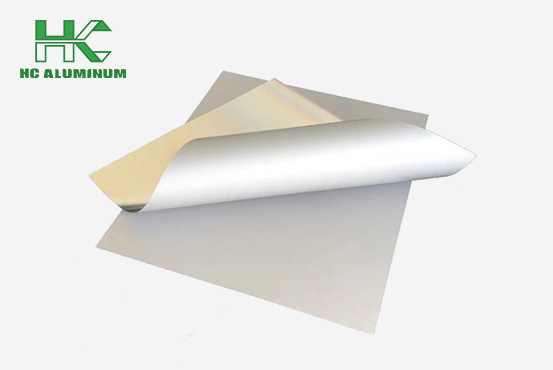
In many RFQs and purchase orders, the term Aluminium ps usually refers to an aluminum plate used as a PS printing plate substrate. In practice, this is a high flatness, tightly toleranced aluminum plate with a controlled surface suitable for coating and imaging in offset printing workflows. Because the wording can be used loosely, the safest approach for sourcing is to confirm three items in writing: alloy, temper, and surface treatment requirements.

For industrial purchasers, the biggest risk is not price. It is mismatch: a plate that looks correct on paper but fails on press due to poor graining consistency, unstable gauge, or residual stress that causes waviness during processing. That is why technical clarity at ordering is more valuable than a generic product name.
Specifications That Control Performance
1) Alloy And Temper: Balance Between Strength And Processability
PS plate substrates are commonly produced from aluminum alloys that combine good formability, adequate strength, and stable surface behavior. The exact grade varies by supplier and region, so do not assume an alloy based only on the term. Ask the mill to state the standard used, such as ASTM or EN, and provide a mill test certificate.
Temper affects flatness retention and downstream operations like cutting, punching, and coating. Harder tempers may resist handling marks but can be less forgiving in finishing. Softer tempers can improve processability but may require better packaging protection. Match temper to your process steps and any tension or heat exposure.
2) Thickness, Gauge Tolerance, And Flatness: The Hidden Cost Drivers
Offset plate making and printing are sensitive to gauge stability. Tight thickness tolerance reduces imaging and printing variation and lowers make ready waste. Flatness is equally important because residual stress can cause edge lift or waviness after slitting, leveling, or thermal steps.
Use this checklist when comparing offers.
| Parameter | What To Specify | Why It Matters | Typical Verification |
|---|---|---|---|
| Thickness range | Nominal and allowable deviation | Controls uniform pressure and coating behavior | Micrometer map across width and length |
| Flatness | Max wave height or I unit | Prevents feeding and registration issues | Flatness gauge or table check |
| Camber | Max deviation per length | Ensures straight tracking | Measurement on reference edge |
| Surface roughness | Ra range if required | Affects coating anchoring and water balance | Profilometer report |
| Residual stress | Leveling requirement | Reduces warping after cutting | Supplier process record, sampling |
If your process includes coating or anodizing, insist on consistent surface preparation, not just cosmetic appearance.
3) Surface Treatment: Graining, Anodizing, And Cleanliness
A PS substrate typically needs a controlled micro texture to anchor the coating and support stable dampening behavior. Some supply is delivered with electrochemical graining and anodizing, while other supply is intended as base stock for further finishing.
Key points to confirm:
Surface side designation. One side may be optimized for coating.
Cleanliness standard. Oil, residue, or embedded particles can create coating voids.
Protection method. Interleaving paper or film affects surface mark risk.
If you are evaluating sources, request a small set of production representative samples and run an imaging and press trial, not only a visual inspection.
4) Dimensional Format And Cutting Quality
Many disputes come from format assumptions. Specify:
Sheet size and squareness tolerance.
Burr requirement. Burrs can damage coatings and rollers.
Corner rounding or edge conditioning, if needed.
If you are sourcing a dedicated plate product, align terminology with the supplier catalog by referencing PS Plate directly and attaching a spec table in the RFQ.
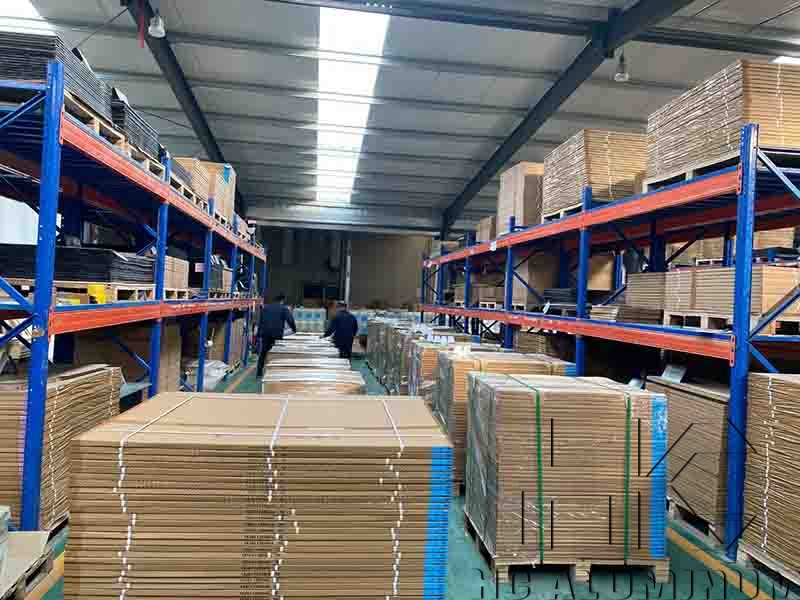
Quality Documents And Acceptance Criteria
For industrial orders, a clear document set reduces risk and speeds claims resolution.
| Document | Request Level | Use In Receiving |
|---|---|---|
| Mill test certificate | Required | Confirms alloy, chemistry, mechanical properties |
| Thickness and flatness report | Recommended | Confirms process capability and lot consistency |
| Surface inspection record | Recommended | Tracks defect rates and cleaning control |
| Packaging spec | Required | Prevents transit damage and moisture staining |
Also define acceptance criteria for common defects: scratches, pits, roll marks, edge cracks, and stains. Use measurable thresholds where possible, and define inspection sampling.
Pricing Factors Purchasers Can Control
Price varies not only with aluminum ingot costs but also with process steps and yield.
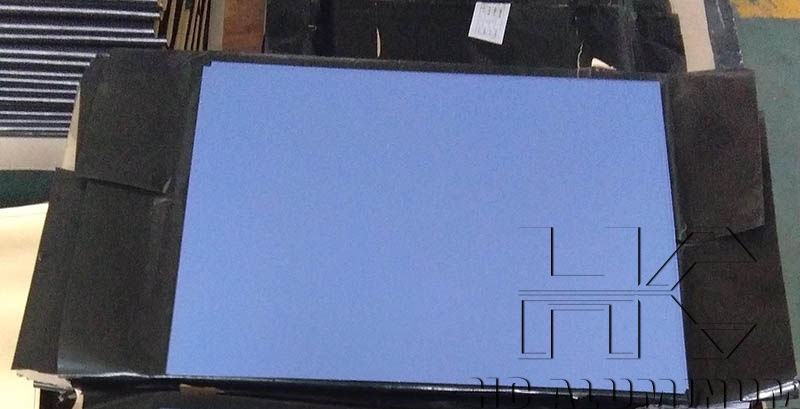
The factors you can control most:
Tolerance. Tighter tolerance usually increases cost due to additional leveling and inspection.
Surface finish level. Graining and anodizing add processing cost.
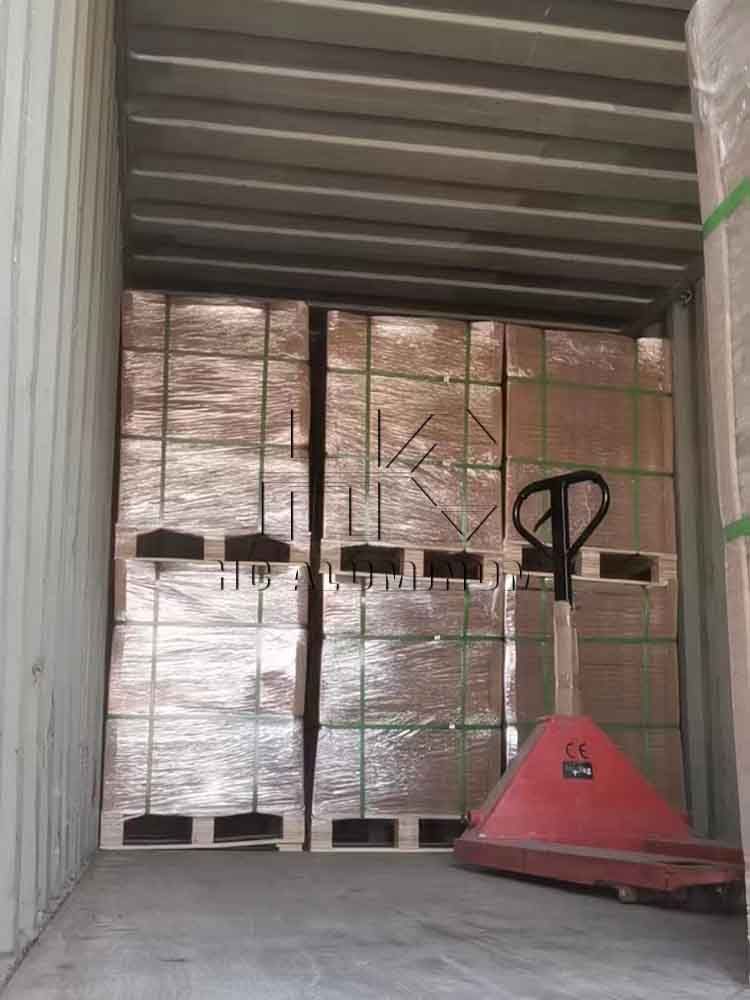
Packaging and palletization. Moisture barrier and interleaving reduce damage and rework.
Order consistency. Stable repeat sizes reduce setup waste.
When comparing quotes, separate base metal from conversion cost. That makes it easier to negotiate on the parts that reflect your real requirements.
Ordering Template You Can Copy Into Your RFQ
To reduce back and forth, include these lines:
Product: aluminum plate for PS printing plate substrate.
Standard: specify ASTM or EN, plus supplier internal spec if applicable.
Alloy and temper: stated explicitly.
Thickness, width, length: with tolerances.
Flatness: stated in measurable terms.
Surface: grained, anodized, or untreated base stock. Define the target Ra if required.
One side or two side finish: identify coating side.
Edge and burr: maximum burr height.
Packaging: interleaving, moisture barrier, pallet type, and max pallet height.
If your supply chain also includes general industrial plate for fabrication, keep terminology distinct by referencing aluminum plate requirements separately from PS substrate requirements to avoid cross shipping.
Common Confusions And Quick Fixes
Confusion: The term PS means a plastic like polystyrene. Fix: state PS printing plate substrate and confirm intended printing process.
Confusion: Any bright aluminum plate is acceptable. Fix: specify surface treatment and cleanliness, not appearance.
Confusion: Thickness tolerance is enough. Fix: add flatness and residual stress expectations.
Confusion: Packing is secondary. Fix: require moisture protection to prevent staining and surface defects during transit.
With these checkpoints, your procurement and QC teams can align on measurable specs that protect press stability, reduce waste, and keep incoming inspection fast and consistent.