Why Are Customized PS CTCP Plate Needed
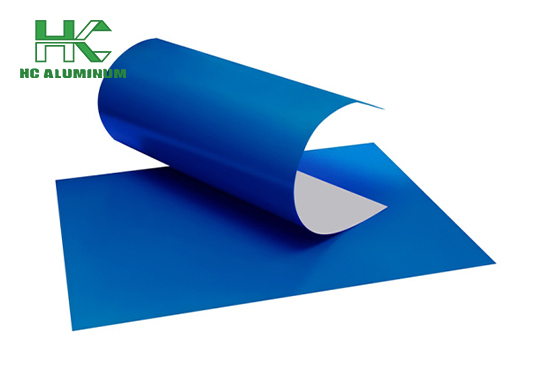
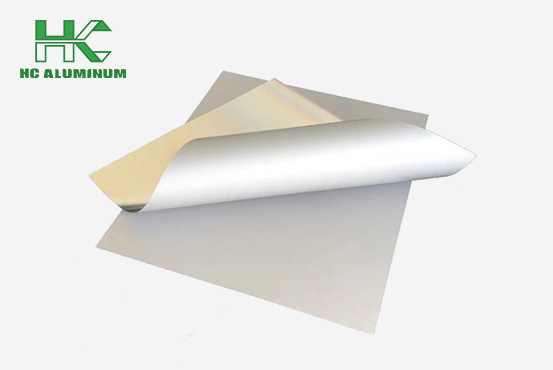
As the quality requirements of packaging printing, book printing, and commercial color printing continue to upgrade, customized PS CTCP plates are no longer the exclusive choice of high-end printing companies, but a necessary solution for all printing workshops to improve quality, increase efficiency, reduce costs, and mitigate risks.
I. Precisely Adapting to Printing Needs, Unlocking Higher Precision Print Image Quality
The core difference in printing quality often lies in the details of the plate-making process. General-purpose standardized PS CTCP plates use uniform coating thickness, photosensitive parameters, and imaging standards, which cannot adapt to the refined needs of different printing scenarios.
Customized plates, however, can precisely adjust the photosensitive coating ratio and dot reproduction parameters according to the customer's printing type, screen line count, and color requirements, perfectly solving the image quality shortcomings of ordinary plates.
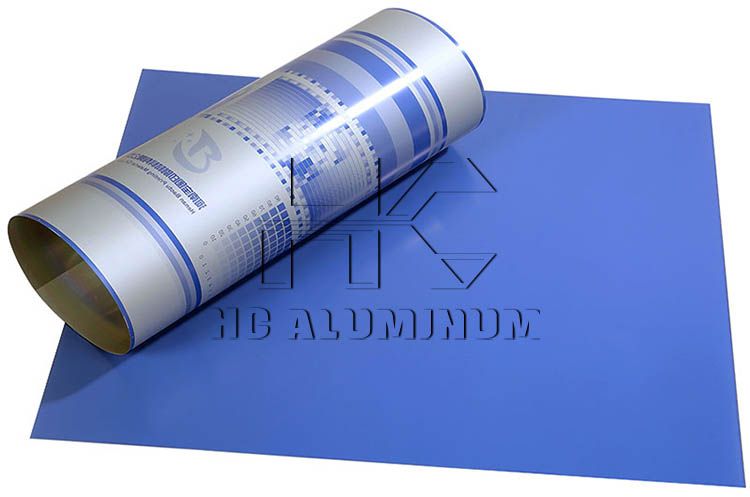
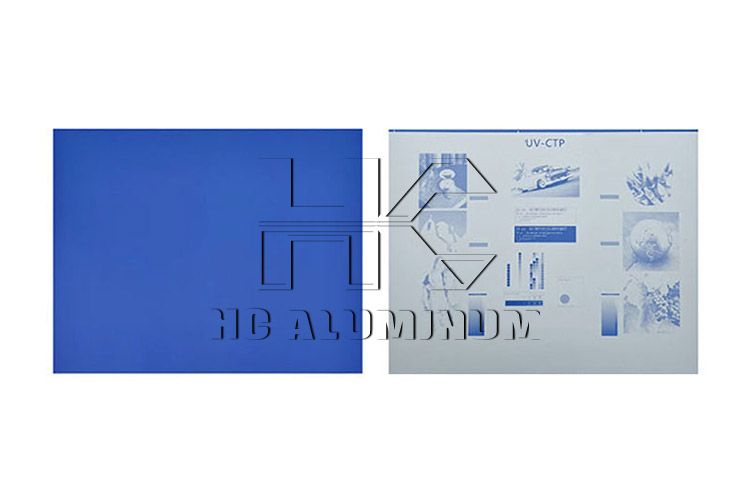
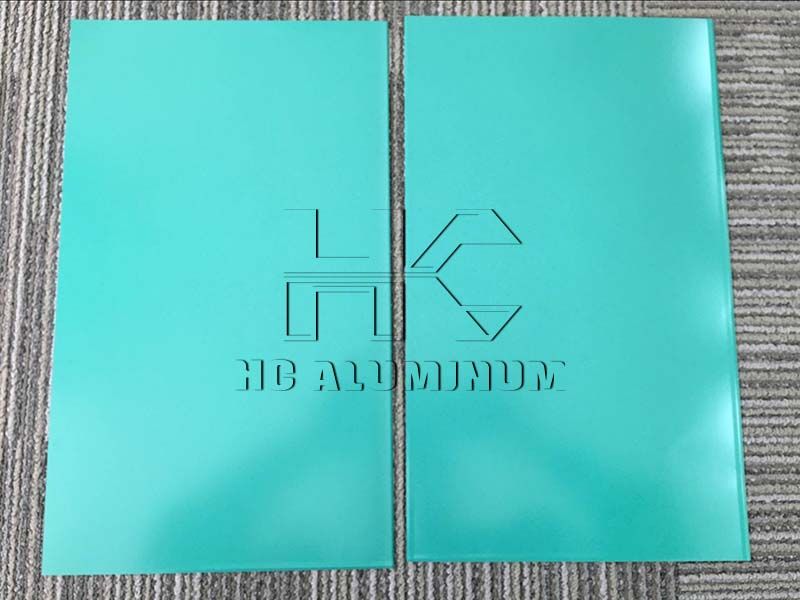
Offset printing ps plate customized and CTCP plates can achieve 1%-99% full-range dot accuracy reproduction, with delicate highlights without loss of detail, full and clear shadows, and natural and soft color transitions, completely avoiding common problems of dot blurring, smudged printing, and uneven color difference found in conventional plates.
Whether it's high-end gift box packaging, exquisite books and brochures, fine advertising leaflets, or small-batch personalized printing, customized plate-making parameters can be matched to ensure that the image quality and texture of each batch of printed products meet high industry standards, helping companies build differentiated product competitiveness.
II. Adapting to Existing Equipment Parameters, Eliminating Production Compatibility Failures
The market offers a wide variety of printing equipment brands and models, each with differences in exposure power, paper feed speed, pressure parameters, and drying temperature. Standardized CTCP plates, designed for general equipment, have mediocre parameter settings that cannot match the operating characteristics of specific equipment. Long-term use can easily lead to problems such as registration errors, uneven plate exposure, plate warping, and machine jamming, resulting in frequent downtime for debugging and rework, severely disrupting production rhythms.
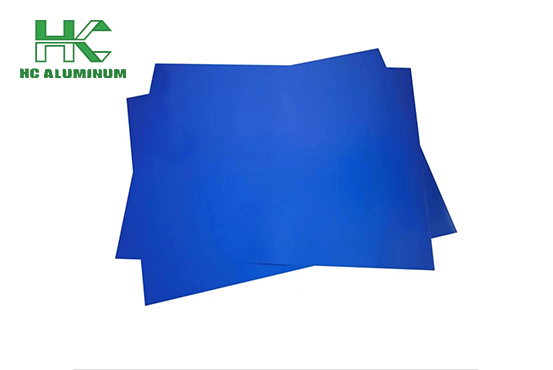
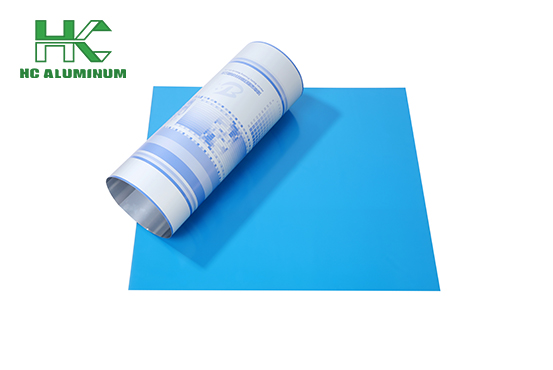
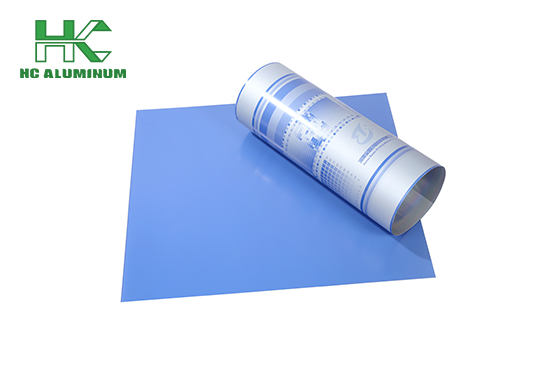
CTCP printing plates customized can be completely customized according to the core parameters of a company's own printing equipment, including plate size, hardness, photosensitivity, and exposure compatibility, achieving precise matching between the plate and the equipment.
No repeated debugging and calibration are required, maximizing machine compatibility and reducing registration errors, plate-making failures, and machine jamming at the source, significantly improving plate-making success rates.
Meanwhile, customized boards offer superior flatness and tension stability, adapting to the demands of high-speed equipment operation and effectively improving the overall smoothness of printing production.
III. Refined Cost Reduction and Efficiency Improvement, Saying Goodbye to Ineffective Material Waste
Many people mistakenly believe that customized boards are more expensive, but the opposite is true. The hidden losses from long-term use of standardized boards are the key reason for the high costs of printing companies. Standard boards have fixed parameters, and for small-batch, multi-specification, and special process orders, they are prone to low board utilization, rapid wear, and high rework rates. Combined with the costs of manual adjustments, material waste, and production delays, the overall consumption far exceeds that of customized boards.
Customized PS CTCP boards can be precisely sized according to order specifications, significantly reducing cutting waste and improving board utilization. At the same time, the wear resistance and printing durability of the boards can be optimized according to printing frequency and process difficulty, extending the board's lifespan and reducing the frequency of board replacements and rework.
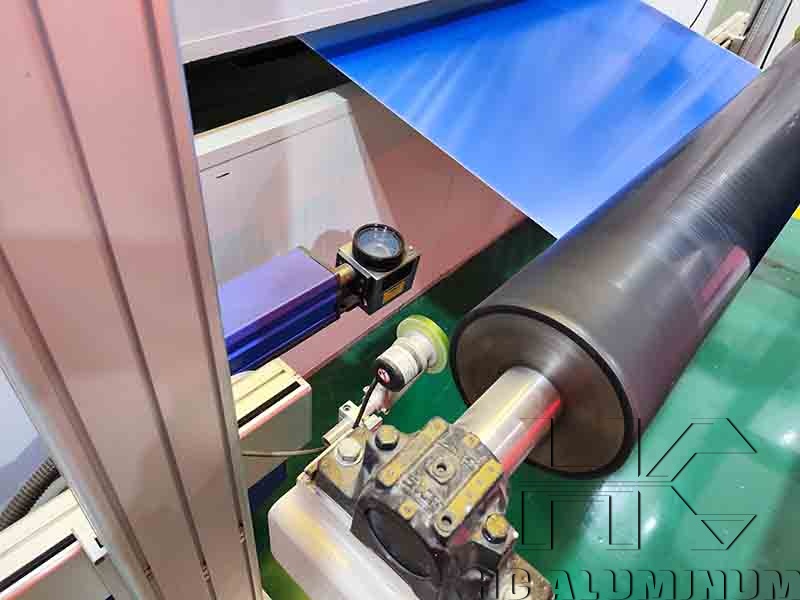
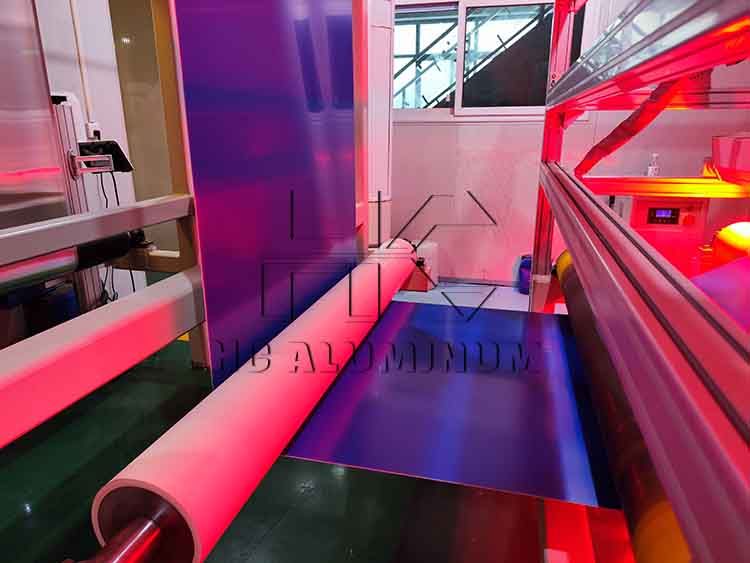
Furthermore, customized printing plates, relying on digital plate-making technology, eliminate the cumbersome processes of traditional plate-making, such as film processing and multiple transfers, simplifying production procedures and shortening the plate-making cycle. This offers significant advantages in rush orders, saving labor and material costs while improving order delivery efficiency.
IV. Adapting to Diverse Printing Scenarios and Meeting Personalized Production Needs
The printing industry has long since moved beyond single-batch production models. Small-batch, multi-category, and personalized customized orders have become the mainstream, with vastly different printing needs across various scenarios. Book and magazine printing requires clean layouts and clear text; packaging printing demands saturated colors and rich detail; specialty paper printing and self-adhesive label printing place higher demands on the adhesion and adaptability of the printing plates. Standardized printing plates simply cannot meet the needs of diverse scenarios.
Customized PS CTCP plates support on-demand customization of positive and negative plates, coating characteristics, printing durability, and compatible materials, flexibly adapting to all scenarios of printing, including commercial color printing, books and educational materials, food packaging, labels and self-adhesive labels, and advertising materials. Customized printing plates perfectly adapt to personalized needs such as variable data printing and special process overprinting, helping companies flexibly accept various high-end and low-end orders and overcome capacity and business limitations.
V. Stable and Environmentally Friendly Processes, Aligning with Industry Development Trends
Compliance and green practices are the general trend in the printing industry. Inferior standardized CTCP plates have rough coating processes, consume a large amount of chemical reagents during plate making, and generate a lot of waste liquid and waste materials. This not only fails to meet environmental protection production requirements but may also lead to batch quality problems due to poor plate stability.
Regular customized PS CTCP plates use a refined coating process with a scientifically stable formula. The chemical reactions during plate making are controllable, significantly reducing the consumption of chemical consumables and pollutant emissions, making them more environmentally friendly and compliant.
At the same time, customized plates undergo exclusive process optimization, resulting in better plate stability and corrosion resistance. They are less affected by temperature, humidity, and printing chemicals, ensuring consistently uniform and stable printing quality over the long term, effectively reducing batch defect rates and helping companies achieve high-quality, green, and standardized production.