PS Plate For Offset Printing
PS Plate for Offset Printing: Questions Commonly Raised in Recent Discussions
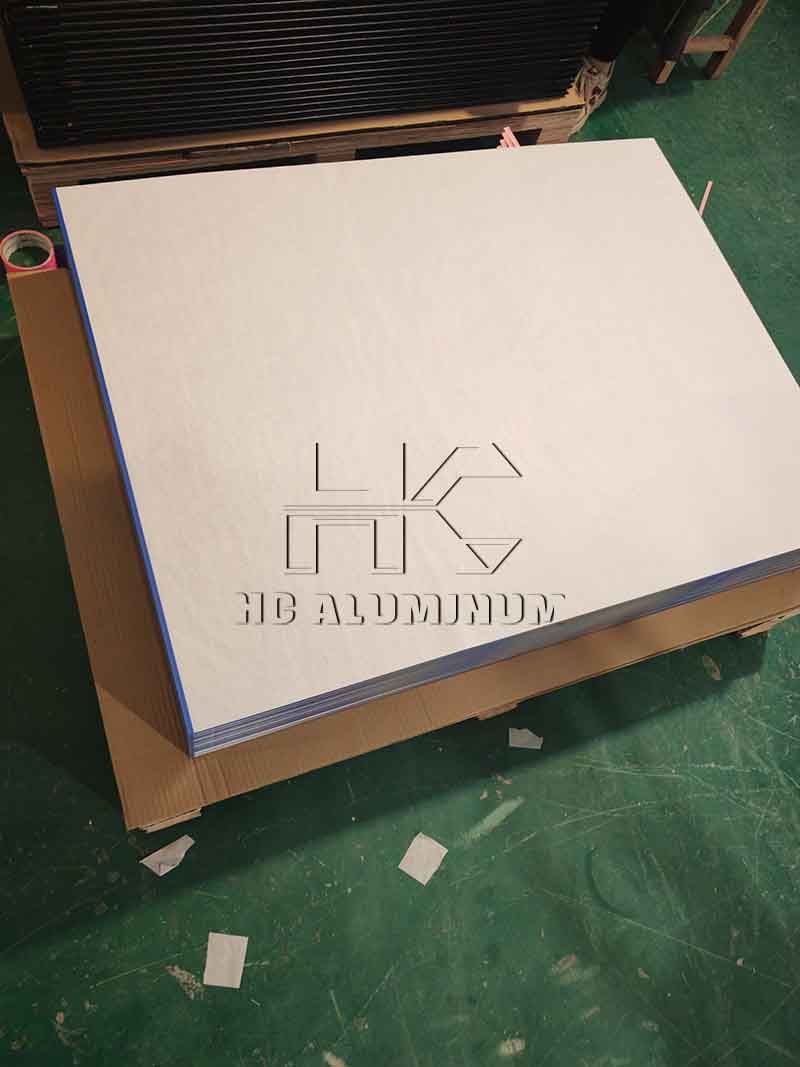
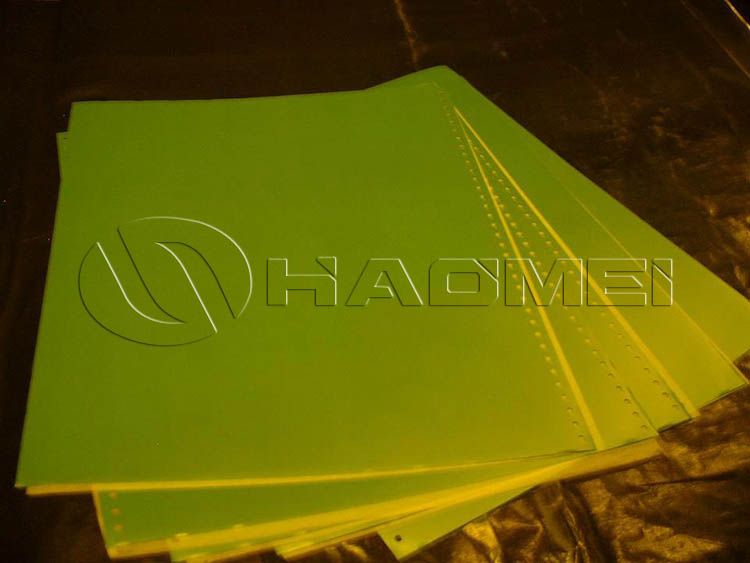
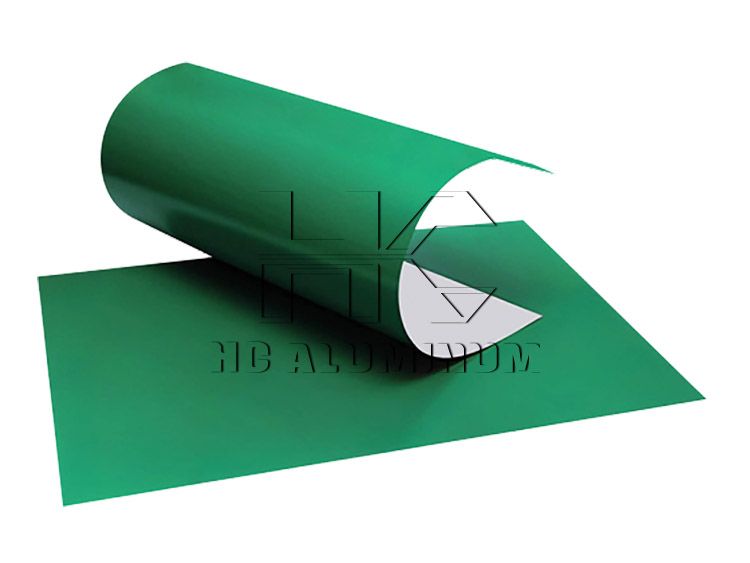
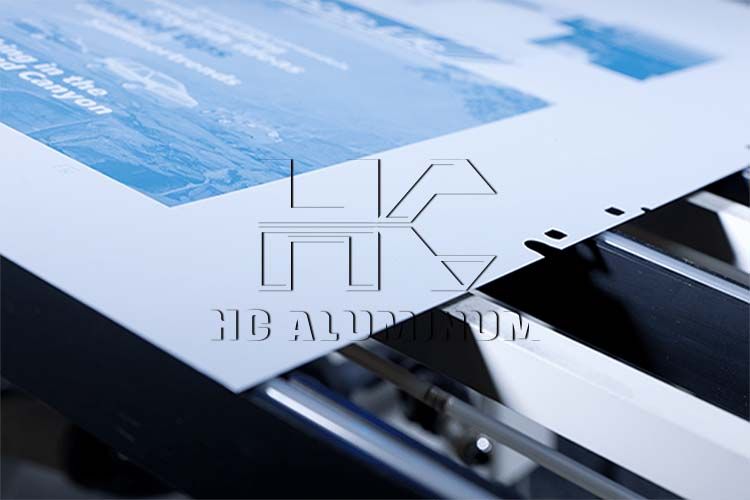
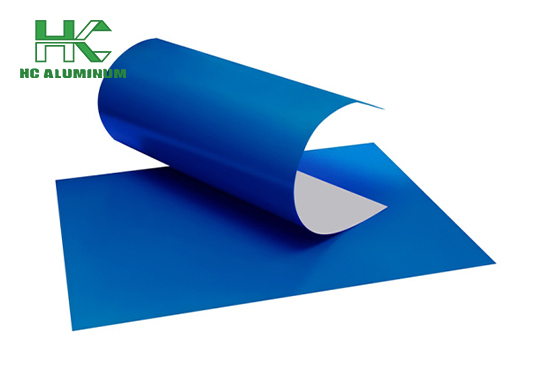
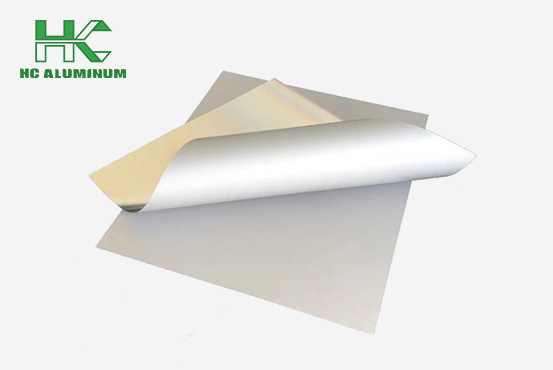
PS plate for offset printing remains a practical option for conventional UV exposure workflows, especially where film-based imaging is still part of daily production. A positive PS plate has a light-sensitive coating on a grained and anodized aluminum base. During exposure, the non-image coating receives UV light and becomes removable in developer, while the protected image area remains ink-receptive.
The five questions below reflect recurring English-language search and community-discussion topics around plate selection, exposure, processing, and print quality. They are answered from a production perspective for printing teams evaluating conventional positive plates.
| Question area | What needs checking first | Why it matters |
|---|---|---|
| Press compatibility | Plate thickness, clamp design, dampening system | Reduces mounting and registration issues |
| Exposure | Lamp type, vacuum contact, film density | Controls image sharpness and clean highlights |
| Processing | Developer condition, temperature, replenishment | Prevents weak images and background scumming |
| Run length | Impression count, ink coverage, plate baking | Helps match plate durability to the job |
| Storage | Temperature, humidity, unopened packaging | Protects coating sensitivity before use |
1. Can a PS Plate Be Used on Every Offset Printing Press?
Not automatically. A PS plate is designed for conventional offset lithography, but the press must accept the plate's thickness and format. Common thickness options include 0.15 mm, 0.30 mm, and 0.40 mm. Smaller single-color presses often use thinner plates, while larger multicolor equipment may require a more rigid option for stable mounting and registration.
Check the press manual for plate circumference, clamp arrangement, and recommended thickness before ordering. A plate that is too thick may not fit correctly under the clamp. One that is too thin can be more vulnerable to bending or tension variation during mounting.
It is also important not to confuse a conventional PS plate with a thermal CTP plate. PS plates need film, vacuum contact, and UV exposure. A thermal computer-to-plate device images a different plate chemistry directly from digital files. For conventional workflows, selecting a reliable PS Plate with the correct gauge and grain structure is more important than simply selecting the lowest-cost option.
2. Why Does My Positive PS Plate Show Weak Images After Development?
Weak images usually result from one of four causes: insufficient exposure, poor film contact, exhausted developer, or an incorrect processing time. In a positive-working process, exposed coating should dissolve cleanly during development. If exposure is too low, the exposed areas may not clear fully, leaving a tinted background or causing non-image areas to accept ink.
Start by checking the vacuum frame. Any air gap between the film and plate can soften fine text, line work, and halftone dots. Film density also matters. Dense image areas must block UV light effectively, otherwise image elements may partially expose and weaken.
Developer performance should be monitored rather than judged only by appearance. Developer that is old, overly diluted, contaminated, or operated outside its recommended temperature range can leave residue on the plate. Establish an exposure test using a control wedge or tonal target. This provides a repeatable reference when lamps age or process conditions change.
3. What Is the Difference Between Positive PS Plate and CTCP Plate?
Both products can support offset printing, but they use different imaging routes. A positive PS plate is normally imaged through film using UV exposure. A CTCP plate is designed for direct imaging on a computer-to-conventional-plate device, commonly using violet laser technology. The finished printing surface may look similar, but the imaging equipment, plate sensitivity, and workflow are different.
A conventional PS process can be attractive where film output is already established, where job volumes are moderate, or where the production team values familiar exposure and developing equipment. CTCP can reduce film handling and may improve consistency by removing film-related variables such as dust, scratches, and vacuum-contact imperfections.
Do not attempt to run a standard PS plate through a CTCP imager unless the manufacturer specifically confirms compatibility. Plate coatings are engineered for defined spectral sensitivity and energy levels. Matching the plate to the imaging device protects dot reproduction and reduces processing waste.
4. How Many Impressions Can a PS Plate for Offset Printing Produce?
Run length depends on the plate grade, aluminum treatment, press setup, ink coverage, fountain solution balance, and whether the plate is baked. For routine commercial work, a standard positive PS plate may perform well for short to medium runs. Higher-demand applications need a plate with strong anodizing, durable coating adhesion, and stable resistance to chemicals and abrasion.
Plate baking can substantially improve durability when long runs are planned. However, baking requires controlled temperature and time. Excessive heat can damage image areas or alter plate behavior, while insufficient baking may provide little durability improvement. Confirm the recommended baking cycle with the plate supplier and test it before using it on a critical job.
Press conditions influence run length as much as plate construction. Excessive roller pressure, abrasive paper stock, overly aggressive fountain chemistry, or poor blanket condition can shorten plate life. A well-maintained press running balanced ink and water can obtain cleaner results from the same plate grade.
5. How Should Unexposed PS Plates Be Stored Before Production?
Store unopened plates in a cool, dry, and clean area away from direct sunlight, UV sources, and high humidity. A typical target is approximately 15 to 25 C with relative humidity around 40 to 60 percent, although the manufacturer's data should take priority. Sudden temperature changes can create condensation, which may affect coating performance.
Keep the original protective packaging intact until the plate is needed. Avoid touching the coated face with bare hands because fingerprints, oil, and moisture can interfere with exposure or development. Plates should be handled carefully by the edges and placed on clean supports to avoid scratching the light-sensitive surface.
Before a large production run, inspect one plate from the stored batch and conduct a controlled exposure and development test. This simple check can reveal coating aging, process drift, or storage-related issues before they affect a time-sensitive job. When comparing product options, evaluate the coating uniformity, aluminum grain quality, stated storage life, and technical support behind the PS Plate specification.